If you’re just getting started, that’s the right shape for your first month or two. You don’t need to master everything at once, and you definitely don’t need to “sound native” on day one. Let’s make the entry point feel natural, realistic, and actually manageable! 👊


Japanese for beginners: the best way to start
Japanese for beginners works best when you focus on three things first: writing, pronunciation, and a tiny core of grammar. According to Nordkurier, one beginner course teaches these basics over eight evenings, with simple conversations, common daily situations, and a gradual introduction to Japanese characters. That’s a sensible model, because Japanese gets much easier when you stop trying to learn everything at once.
The reason is simple: Japanese isn’t just “one language skill.” You’re learning a writing system, a sound system, and a sentence structure that feels very different from English. If you give each part a little attention early on, the whole language starts to look far less scary. And yes, that first win matters a lot!
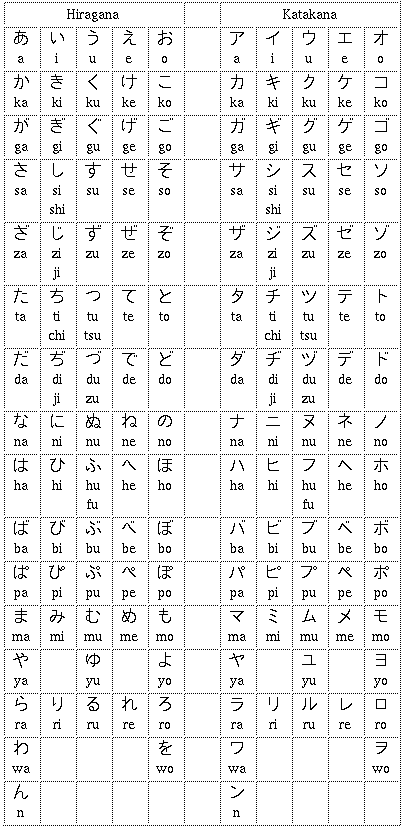
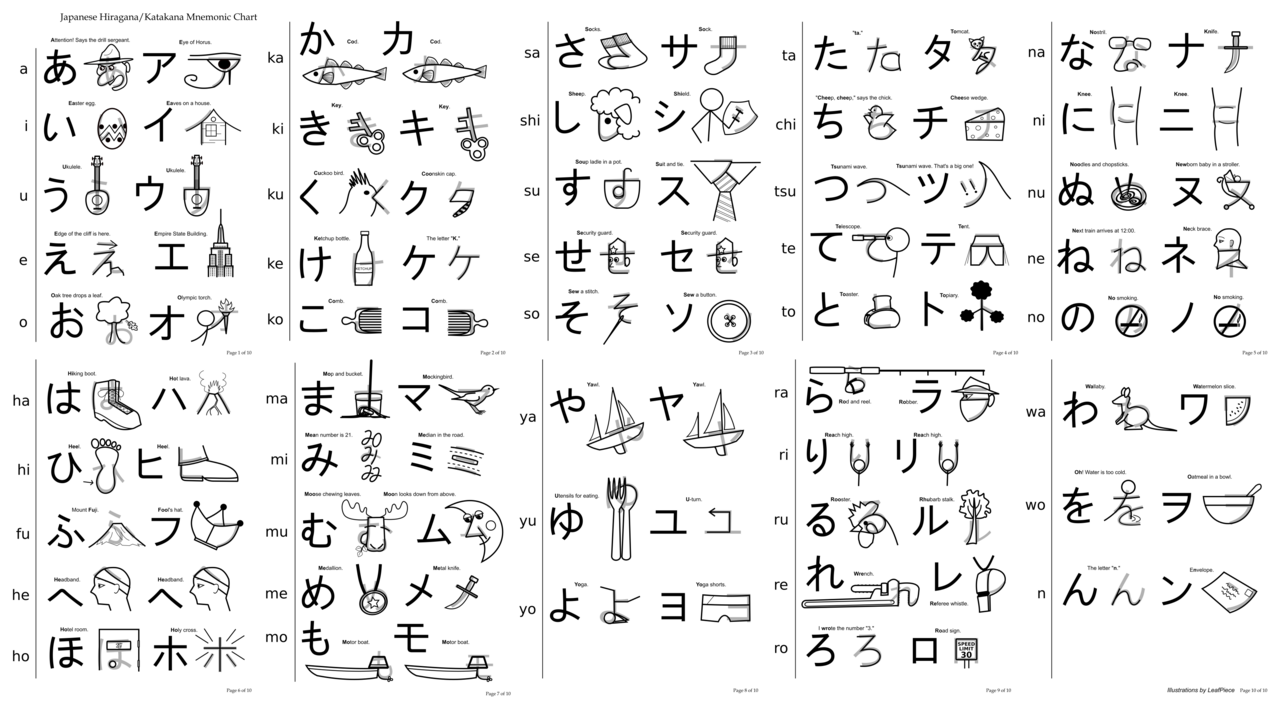
My tip: start with ひらがな (hiragana, hiragana syllabary) before you worry about 漢字 (kanji, Chinese characters used in Japanese). Hiragana is the foundation, and once it feels familiar, カタカナ (katakana, katakana syllabary) becomes much easier too. Kanji can wait a bit, because a beginner who can read basic hiragana already has a real advantage in menus, apps, and simple study materials.
What to learn first: the beginner order that actually helps
What many overlook: the order matters more than raw effort. If you begin with random vocabulary lists, you may know a lot of words but still struggle to read or build sentences. That gets frustrating fast. A cleaner path is to build in layers, and this is where Japanese starts to feel natural instead of chaotic.
1. Hiragana
Hiragana is the first script most learners should master. It’s used for native Japanese words, grammar endings, and everyday text. Once you can read it smoothly, you’re no longer guessing at basic sentences.
2. Katakana
Katakana is used for loanwords, foreign names, and emphasis. Think of words like konbini-style everyday borrowings, or names written in a way that stands out on signs. It’s a small script, but it shows up constantly in real Japanese.
3. Core grammar
Japanese sentence order is different from English, and that’s where many beginners slow down. The good news is that you only need a few patterns to start. Learn how nouns, particles, and simple verbs work, then build from there. The grammar feels subtle at first, but it becomes much more intuitive with repetition.
4. Basic speaking
Start with phrases you can use in daily life, not just textbook examples. Things like greetings, introducing yourself, asking where something is, or ordering food are much more useful early on. Real Japanese is often shorter and more flexible than beginners expect, so listening to natural examples helps a lot.
How much Japanese do beginners really need?
Let’s be honest: you don’t need thousands of words to begin speaking. A small, carefully chosen set of expressions will carry you surprisingly far. If you know the basics well, you can already read simple signs, answer simple questions, and handle tiny everyday interactions with confidence.
For the first stage, I recommend aiming for a practical starter set:
- 10 to 20 greetings and polite expressions
- 20 to 30 daily nouns, such as food, places, and family words
- 10 basic verbs
- the most common particles you see again and again
- reading practice for hiragana and basic katakana
That may not sound glamorous, but it’s enough to get moving. And once you can use small pieces naturally, adding more vocabulary feels much easier. Guess what? Progress in Japanese often comes from comfort, not from cramming.
A practical beginner routine you can actually stick to
So how do you study without burning out? Read on and you’ll see the pattern: short, repeatable sessions beat heroic study marathons. Ten to twenty minutes a day is far better than one huge session once a week, because Japanese needs frequent contact.
Here is a beginner-friendly routine I recommend:
- 5 minutes: review hiragana or katakana
- 5 minutes: learn 3 to 5 new words
- 5 minutes: practice one grammar point
- 5 minutes: read or listen to something easy
That structure is simple, but it works. You keep all the pieces alive, and your brain gets repeated exposure without overload. By the way, the moment you can read a short sentence without panicking, your motivation usually jumps.
And it gets better: if you use a course or lesson series that introduces characters step by step, like the eight-evening format reported by Nordkurier, you get a built-in rhythm. That rhythm is gold for beginners, because it prevents the classic “I studied for a week and then disappeared” problem. Highly recommended!
Common beginner mistakes to avoid
Plot twist: the biggest beginner mistake is often trying to be advanced too early. Many learners jump straight to kanji-heavy materials or deep grammar explanations, then wonder why everything feels foggy. Start smaller, and you’ll learn faster.
Here are the traps I’d watch for:
- Skipping hiragana and relying on ローマ字 (romaji, Roman letters; romanization) for too long
- Collecting vocabulary without learning sentence patterns
- Ignoring pronunciation and pitch rhythm completely
- Studying only passive reading and never speaking aloud
- Trying to memorise too many kanji before you can use them
What I especially like about a well-structured beginner course is that it balances writing, listening, speaking, and grammar instead of turning Japanese into a memorisation contest. That balance is what helps you sound more natural later, even if you’re still very much a beginner now.
Next time you want to start Japanese, skip the pressure and build a small, steady routine instead. Hiragana first, useful phrases next, then grammar in tiny pieces. That’s the kind of start that sticks, and it feels a lot better too. more Japan news on jpnerd.com
Frequently Asked Questions
How should a beginner start learning Japanese?
Begin with hiragana, basic pronunciation, and a few everyday phrases. After that, add katakana, simple grammar, and short reading or listening practice.
Do I need to learn kanji right away?
No. It’s better to build confidence with hiragana and katakana first, then add kanji gradually once the basics feel stable.
How much should I study per day as a beginner?
Even 10 to 20 minutes a day can work well if you do it consistently. Small daily practice is usually better than occasional long sessions.