
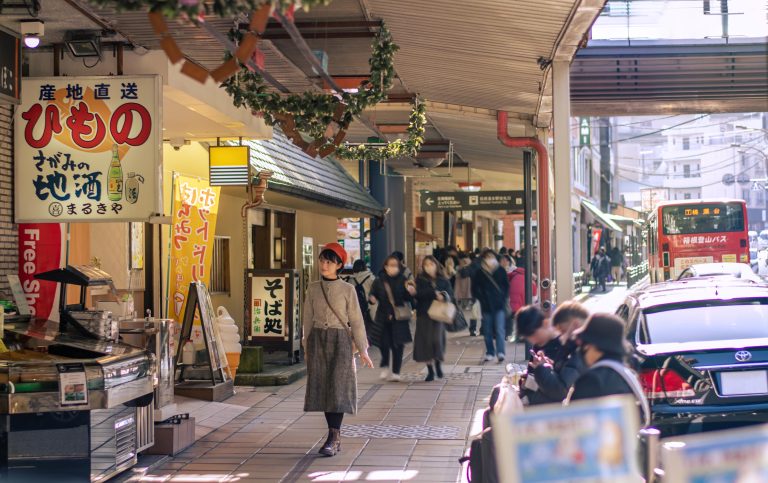
Where Michi-no-Eki Subashiri is and why the location matters
Did you know Michi-no-Eki Subashiri sits in Oyama Town, Shizuoka Prefecture, on the southeastern flank of Mount Fuji? No joke, it's one of the closest official roadside stations to the Subashiri trailhead, which climbers use to reach the Subashiri 5th Station during the official climbing season.
Here's the thing: being at the foot of Fuji means this station is part of a seasonal tourism flow, from early spring when snow still clings to the peaks to late summer when the Yoshida, Subashiri, and Gotemba routes get busy. My tip? If you're planning a climb, this area is worth scouting for local supplies and last-minute gear.
How this Michi-no-Eki is run, and the odd story behind its operation
What happened at Subashiri is oddly specific, and it's been reported by Dennis Amith. The contract for the designated manager reportedly expired, but the previous operator didn't hand the facility back, so the place kept running as if it wasn't going anywhere.
Sleeping corner and house rules
Imagine a narrow alley in Tokyo, except it's a rest area that quietly keeps a sleeping corner, simple bedding, and clear house rules for visitors. That brings us to the slightly surreal detail: staff and locals treated the station like a lingering community space, with notices about tidy behaviour, quiet hours, and hygiene that felt closer to a guesthouse than a highway stop. Personally, I found that house-rule approach oddly comforting.
Reported timeline and practical details
Let's be honest: the story made waves because Michi-no-Eki are normally tightly managed. The Michi-no-Eki program started in 1993 under Japan's Ministry of Land, Infrastructure, Transport and Tourism, and there are now over 1,200 stations nationwide that typically offer restrooms, parking, and local information. Oh, I almost forgot: Subashiri's unusual continuity after a managerial handover issue was reported in April 2026.
What Michi-no-Eki culture tells language learners and travellers
Do you like learning through places? Michi-no-Eki are excellent mini-classrooms for Japanese culture and vocabulary. They sell local omiyage and seasonal produce, so you learn words tied to food, farming, and regional pride while you shop. Insider tip: practice polite phrases when paying, and you'll get smiles from staff.



Pro tip: look for handwritten signs; they often use simple kanji and furigana. From my experience, reading those signs helps build recognition faster than flashcards because the context sticks.
Local products, tourism and language practice
And it gets better: Subashiri's offerings reflect Shizuoka's well-known produce, like high-quality green tea from the prefecture and regional snacks that climbers often buy as energy treats. What I especially like is that vendors often explain product origins, giving you natural opportunities to ask questions and pick up vocabulary like where (doko) and price (nedan).
Practical tips for visiting Michi-no-Eki Subashiri
Have a plan for transport because rural stations may not have frequent buses. The first time I went to Japan, I learned the hard way that trains and local buses can be sparse outside big cities. Bring cash, learn a few polite phrases, and respect posted house rules, which are sometimes the only thing keeping small community spaces tidy.
My verdict? Visiting Michi-no-Eki Subashiri is an unusual, educational, and slightly whimsical experience, especially if you're a Japan fan who studies language and culture. Not bad, right?
Frequently Asked Questions
What is Michi-no-Eki Subashiri?
It is a roadside station in Oyama Town near Mount Fuji that serves as a rest stop, local market, and information hub.
Can I sleep there overnight?
The site reportedly had a sleeping corner under unusual conditions, but overnight rules can change, so check local notices before attempting to stay.


