That matters if you learn Japanese too, because neighbourhood names are never just labels. Koenji, Kitakagaya, and the words around them carry useful everyday vocabulary: 商店街 (shotengai, shopping street), 駅 (eki, station), 居酒屋 (izakaya, Japanese pub), 喫茶 (kissa, coffee shop / café), even the slightly lumpy rhythms of place that make a district feel lived in rather than staged.
Two Japanese neighbourhoods, both in the global top 10
Time Out’s latest ranking of the 40 coolest neighbourhoods in the world puts Kitakagaya in Osaka at No. 6 and Koenji in Tokyo at No. 8, according to Voyapon. That’s a neat result for Japan, and also a practical one: it points travellers towards districts that are compact enough to explore on foot, but distinctive enough to reward slow attention.
The list itself covers 26 countries and regions. That breadth matters, because it means the Japanese entries aren’t being measured against other Tokyo wards or Osaka shopping streets; they’re being measured against neighbourhoods in Seoul, Glasgow, Rabat, Athens, Bogotá, and beyond. Different cities, same question: where does the texture of place still feel immediate?
No exaggeration: that’s the sort of ranking I trust more than one built around famous landmarks. A neighbourhood either holds a rhythm or it doesn’t. These two do. My verdict: both are worth time on the ground, not just a quick photo stop.
Why Koenji keeps showing up in travel conversations
Koenji has long been linked with secondhand shops, live houses, ramshackle-but-loved bars, and a general refusal to become too polished. It sits in Suginami ward, west of central Tokyo, and it’s the kind of district where you can still make a day of wandering between the station, the shotengai, and the smaller streets that branch off once the crowds thin.
For Japanese learners, Koenji is useful because it gives you a cluster of words you’ll actually hear in the wild. Shotengai for shopping street, izakaya for casual drinking spot, kissa for a classic coffee shop, eki for station. Those words aren’t trivia. They’re the grammar of urban life here.
By the way: if you’re planning a walk, keep your load light. Koenji rewards slow movement, peeking into shopfronts, and those little pauses where you decide whether a street smells more like charcoal smoke or coffee. That’s the point. From my experience... well, let me keep this honest: from the shape of the place, it’s a district that asks for attention rather than speed.
Kitakagaya and Osaka’s post-industrial edge
Take Kitakagaya, for instance. It sits in southern Osaka and has become known for a post-industrial atmosphere, warehouse conversions, art spaces, and a rougher texture than the city’s better-known retail districts. That contrast is probably part of why it landed so high in Time Out’s ranking.



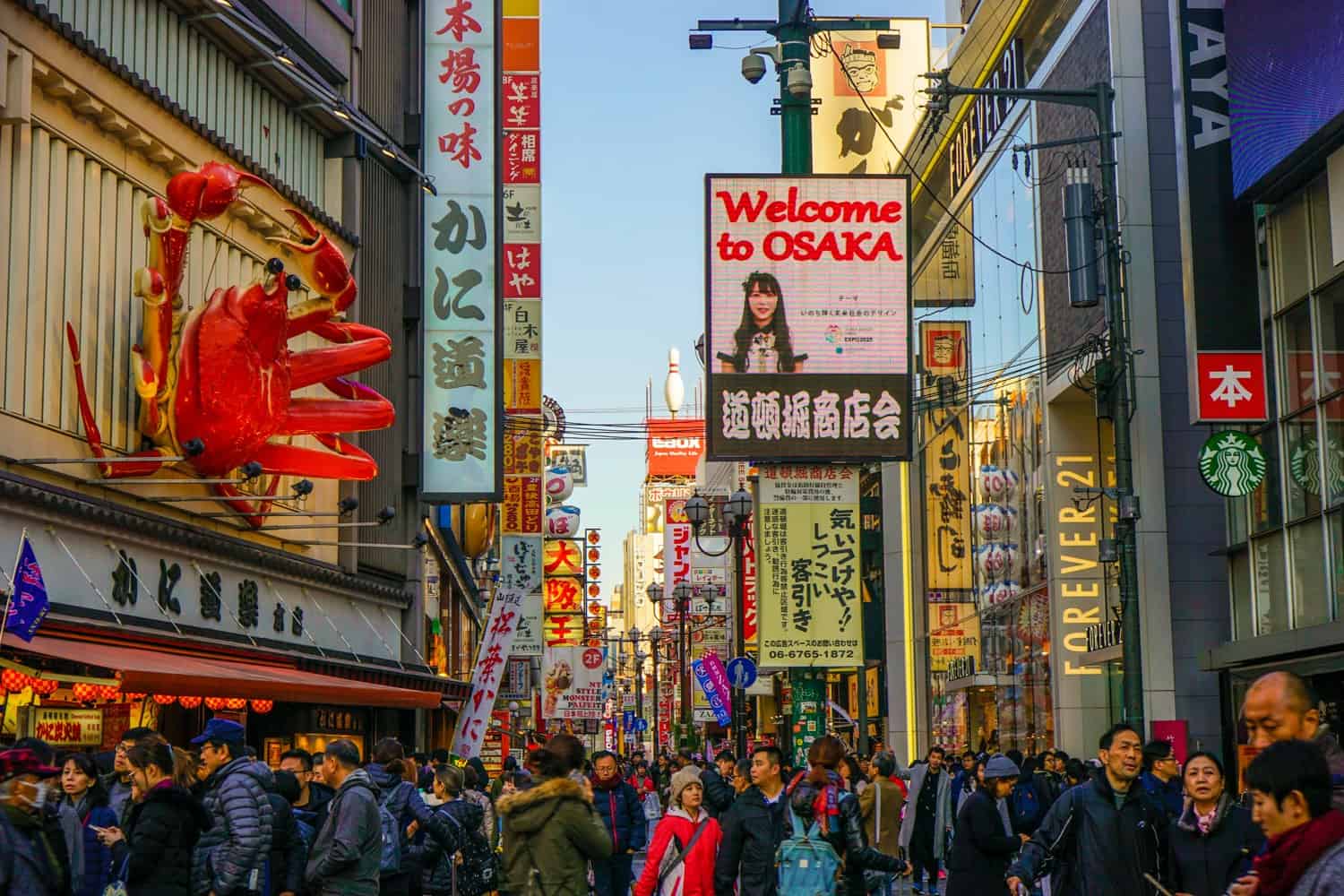
Osaka already has a strong reputation for food, directness, and streets that feel less ceremonious than Tokyo’s more formal central zones. Kitakagaya pushes that feeling in a different direction. It isn’t about glossy spectacle. It’s about reuse, edges, and the visual evidence of a district that has changed jobs over time. Old structures stay visible. New uses arrive inside them. That’s the interest.
On a related note: this is where language learners can pay attention to the tone of place as much as the vocabulary. In Osaka, everyday speech often sounds looser, more clipped, more openly social than the standard-corporate register you may hear near Tokyo stations. You won’t learn that from a list, only from sitting in it for a while. Serious though: that’s part of the appeal.
What this ranking says about travel in Japan right now
Here’s the thing: rankings like this keep steering people away from the same overworked circles and towards neighbourhood-scale travel. That’s good news if you like walking, and better news if you want Japan to stay legible. A district is easier to read than a whole city, and a few kilometres on foot will teach you more than a long afternoon of platform-hopping ever will.
For Japan fans, there’s also a nice practical spin. Koenji and Kitakagaya are not abstract cultural symbols; they’re places with stations, side streets, local businesses, and the ordinary logistics of daily life. That means you can build a day around them without needing a grand plan. Get off the train. Walk. Stop. Look at the signage. Notice which words repeat. Notice the texture of the pavements, the storefronts, the rhythm of people moving through them.
Trust me on this one: the most useful Japanese here is the everyday kind. Station names, shop signs, and the labels on menus will teach you more than a glossy phrasebook page. If you’re the sort of person who likes to collect small bits of language in the same way some of us dorks collect rail maps, this ranking gives you two very workable targets.
My tip: if you only have one Tokyo district on your list, make it Koenji for a wandering afternoon. If you’re in Osaka, give Kitakagaya time rather than treating it as a quick detour. These places are about accumulation, not speed. Wait, there’s more.
Frequently Asked Questions
Which Japanese neighbourhoods made Time Out’s list?
Koenji in Tokyo and Kitakagaya in Osaka.
How high did they rank?
Kitakagaya placed sixth and Koenji placed eighth in the global ranking.
Why are these neighbourhoods interesting for Japan fans?
They show everyday urban Japan at street level, with useful vocabulary, local businesses, and a strong sense of place.