What stands out is the practical angle, because this isn't about random phrases with no follow-up. It's about lessons, private support, and a creator-led approach that makes Japanese feel more reachable, especially for people who are serious about steady study.


Nihongo Nana and the appeal of creator-led Japanese study
What most people don't know is that a lot of learners don't start with textbooks, they start with an account that makes Japanese feel less intimidating. 日本語 (nihongo, Japanese language) Nana fits that pattern neatly, because the focus is on lessons, private guidance, and the kind of teaching style that works well on social platforms.
For Japan fans, that matters. Japanese, or nihongo, can feel very distant at first, especially when you run into 漢字 (kanji, Chinese characters), honorifics, and sentence endings that don't behave like English. A creator like Nihongo Nana can make the first steps feel manageable, and that is often what keeps people going.
Here's the thing: short lessons are useful, but only if they connect to a bigger learning path. Take Nihonger, for instance, which says it builds a plan from where you are starting and turns that into a daily mission based on real courses, not a generic ladder. That same principle is why accounts like Nihongo Nana get attention, they give learners a sense that Japanese study can be guided instead of random.
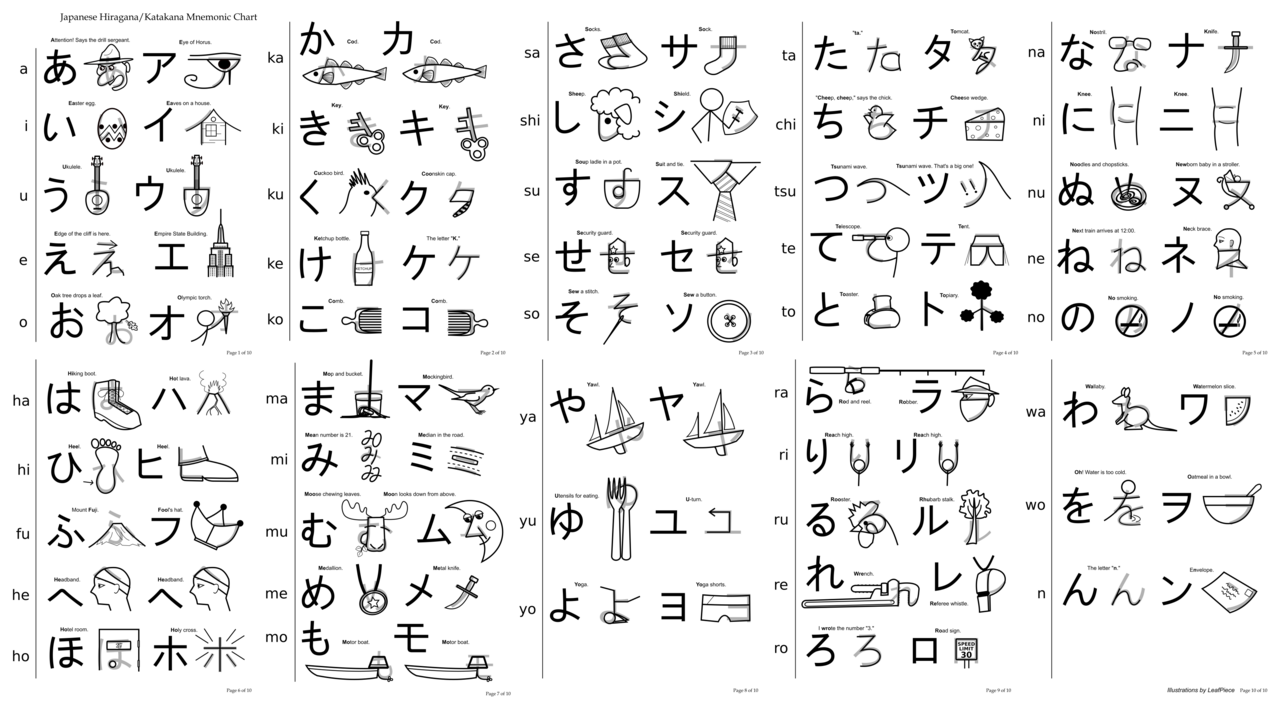
No wonder, because learners usually want two things at once, clarity and momentum. A private lesson format can provide both, especially when the teacher can adjust to the learner's level, whether that means ひらがな (hiragana, hiragana script) basics, simple self-introductions, or early conversation practice using words like こんにちは (konnichiwa, hello), ありがとう (arigato, thank you), and お願いします (onegaishimasu, please / I ask for your favor).
Private lessons: why they matter for Japanese learners
Let's be honest: self-study is great, but it can stall fast. You may know some vocabulary, yet still freeze when you need to form a sentence, hear natural speed, or choose the right polite form.
That is where private lessons make sense. They let a learner ask about the exact thing that is confusing them, whether it's particles like は (wa, topic particle) and ga, verb forms, or the difference between casual speech and the more careful language used with teachers, older people, or customers.
By the way, this is especially valuable for Japan fans who want language with a real-life purpose, not just app-based streaks. If you are planning a trip, studying for school, or trying to understand anime lines without constant subtitles, a lesson format can push you past memorised phrases and into actual usage.
My tip: look for lessons that don't just explain grammar, but also show where a phrase fits culturally. In Japanese, the same sentence can sound warm, blunt, or overly formal depending on how it is delivered, and that nuance is a huge part of speaking well. From my experience, that kind of context makes a big difference.
Why Nihongo Nana stands out in the crowded learning space
Imagine a narrow alley in Tokyo. One signboard is for ramen, another is for a tiny language school, and a third is for a study cafe where people quietly revise vocabulary. That mix of practical, personal, and everyday learning is exactly the kind of space where a creator like Nihongo Nana feels relevant.
Hand on heart, learners don't always want a giant course first. Sometimes they want a teacher's voice, a few focused lessons, and the feeling that someone is guiding them through nihongo step by step. Private lessons can do that better than an endless feed of disconnected tips.
What I especially like is the balance between accessibility and seriousness. A learning account can be friendly and short-form, but still point towards real study habits, like reviewing vocabulary, repeating patterns out loud, and using phrases in context instead of collecting them like stickers.
Quick detour: if your goal is travel Japanese, vocabulary trainers are still useful. Sprachenlernen24's 2026 travel course, for example, highlights 450 Japanese words and phrases for travel, which shows how learners often mix creator-led lessons with structured study tools. That combination, creator plus course, is often more effective than either one alone.
For people who care about Japan beyond the surface, that mix is ideal. You get culture, language, and practical support in one place, and that keeps the learning process grounded. Highly recommended: keep your study plan simple, then let accounts like Nihongo Nana add the human touch, because that is often what makes Japanese stick.
Frequently Asked Questions
Who is Nihongo Nana for?
It is for Japanese learners and Japan fans who want a more guided, creator-led way to study.
Why are private lessons useful for Japanese?
They let learners focus on exact problem areas, from grammar to speaking, without waiting for a general course to catch up.
Is creator content enough to learn Japanese?
Usually not on its own, but it works well as part of a broader study routine with lessons and review.