For Japan fans, this is one of those seasonal date drops that can shape an entire trip. If you’re planning temples, gardens, or a countryside onsen break, even a rough forecast can help you choose between early November and late November, and that timing really matters.
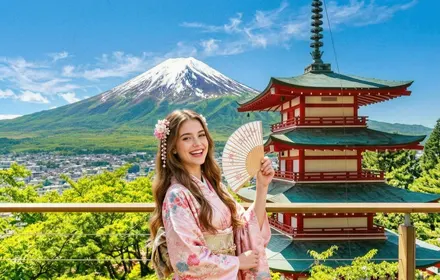
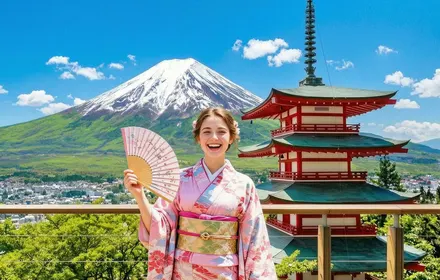
Japan autumn foliage forecast 2026: what the first outlook says
The first nationwide autumn foliage outlook for 2026 is here, and the headline is simple: some of Japan’s best-known leaf spots may turn later than usual. According to the Japan Meteorological Corporation (JMC), the forecast was released on September 2, which gives travellers an early planning marker rather than a final answer.
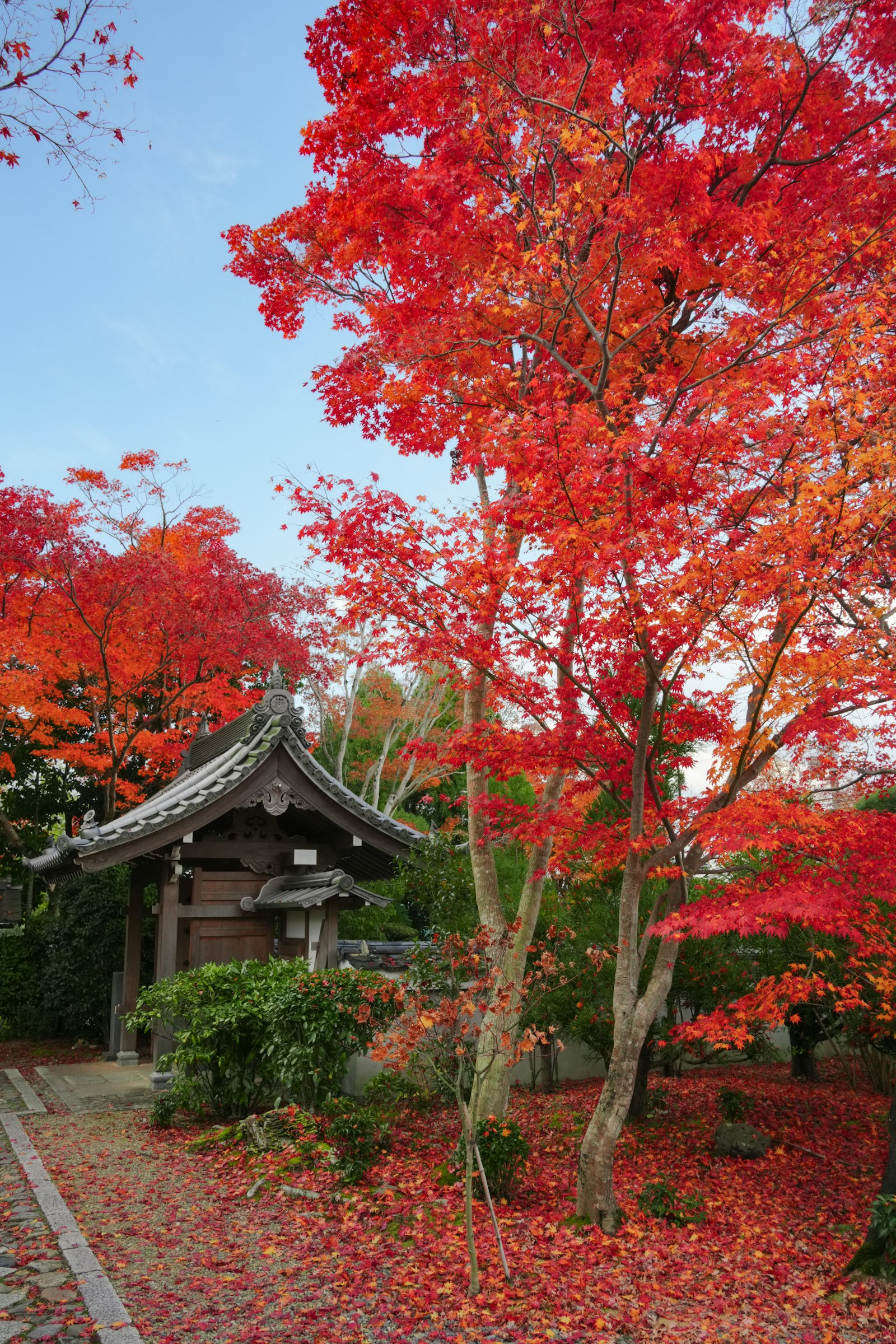
That matters because 紅葉 (koyo, autumn leaves; fall foliage), the autumn colour season, is one of Japan’s biggest travel triggers. A difference of just one or two weeks can change a trip completely, especially in places like Kyoto, Tokyo, Nikko, and the mountain areas of central Japan. Hand on heart, this is exactly the kind of date that makes a Japan itinerary feel real.
What many overlook is that the first forecast isn’t a fixed promise. It’s a guide based on temperature trends and seasonal patterns, so it helps you narrow down your travel window, not lock it in. Still, for anyone mapping out a Japan autumn trip, it’s one of the most useful pieces of seasonal news you can get. Personally...
Why 2026 matters for fall foliage travel
To be fair, autumn leaf forecasts come out every year, but 2026 is useful because it gives travellers a concrete target. If you’re planning from abroad, a named year changes the conversation from vague autumn hopes to actual booking decisions. Hotels, 新幹線 (shinkansen, bullet train) tickets, and even whether you choose a city break or a rural route can all hinge on this.
For Japanese language learners, this is a nice moment to pick up a few travel words too. Koyo means autumn leaves, 紅葉 (momiji, red maple leaves; autumn leaves) often refers to red maple leaves, and 拝啓 (haikei, formal letter salutation ('Dear...')) shows up in formal written Japanese, though you won’t use it when booking a trip. If you see phrases like momiji koyo or 秋の観光 (aki no kankou, autumn sightseeing; autumn tourism), you’re looking at the language of seasonal travel planning. My tip: learning just a few of these words makes Japanese travel content much easier to read. Convinced yet?
And it gets better: autumn in Japan isn’t one nationwide event. Hokkaido usually turns earlier, mountain resorts can shift fast with altitude, and big cities often peak later. That means a forecast for 2026 isn’t just about pretty photos, it’s about route design. You can choose a north-to-south journey, or stay in one region and time your visit around the colours. Highly recommended: build flexibility into your plan if foliage is the main goal.
Tokyo, Kyoto and the usual koyo checkpoints
Did you know that...? Some of the most searched autumn destinations are also the trickiest to time. Tokyo often becomes useful for ginkgo and garden viewing, while Kyoto is the classic temple-and-maple combination. The first forecast from JMC gives you a starting point, but many travellers still compare it with other seasonal trackers before locking anything in.


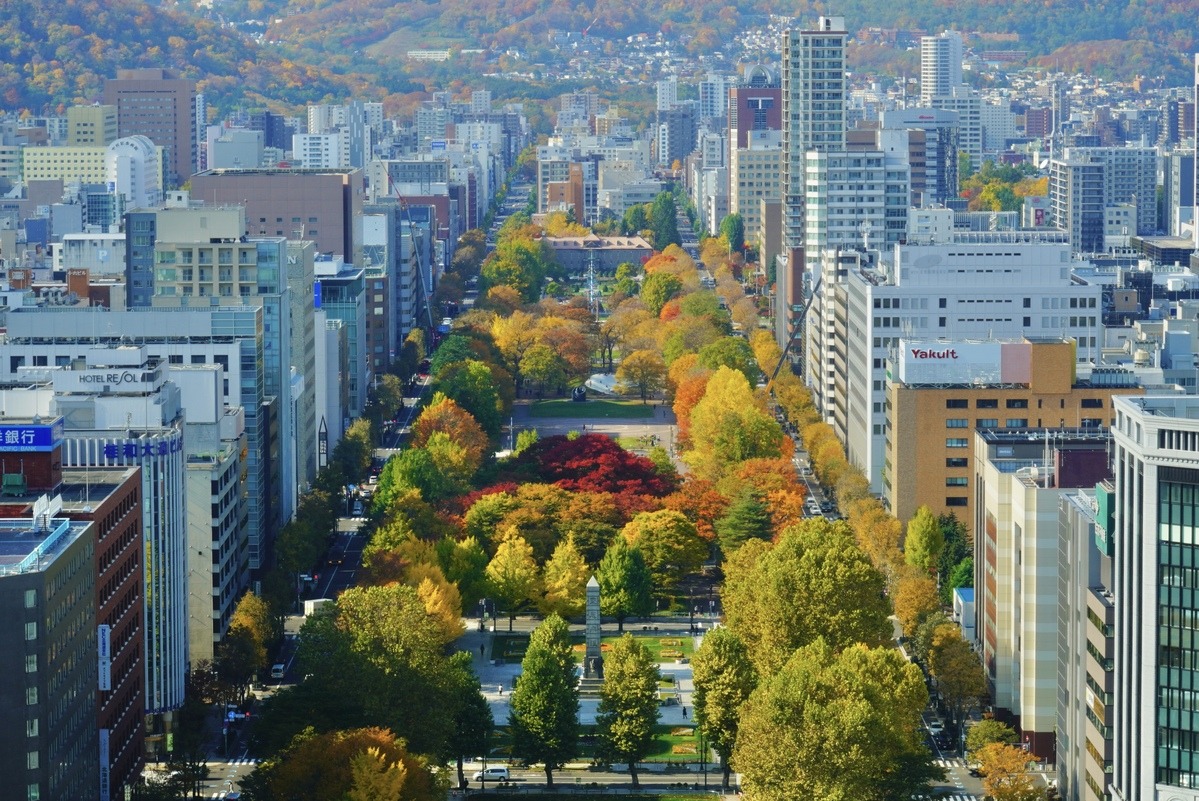
A nearby benchmark that has been widely shared is the Tokyo ginkgo season, which Japanspecialist notes is expected to peak around 26 November in Tokyo according to the latest autumn foliage forecast for 2026 from JMC. That single date is a good example of how useful these forecasts are. If you want golden ginkgo avenues in the capital, late November suddenly looks much more valuable than early November.
Picture this: a short stay in Tokyo, followed by a slower move to Kyoto or the Kii Peninsula, then maybe a final stop in a mountain area if you’re chasing late colour. That’s the sort of route planning koyo inspires, and it’s why this forecast is more than seasonal trivia. It’s a real travel signal. From my experience...
How to use the forecast without overplanning
It’s early morning in Kyoto. The leaves are still green, the air is cool, and the forecast says the best colour may arrive later than usual. That’s useful, but only if you treat it as a guide, not a rulebook.
My tip: use the 2026 forecast to decide your target week, then leave room for adjustment. Book accommodation that lets you move a day or two if needed, and check a second source closer to departure. Weathernews also points to a later-than-normal season in East Japan and says leaf condition is better than last year, which is the kind of extra detail that helps if you care about colour intensity as much as timing. On the flip side, if you travel too early, you may get great weather and weak foliage, so balance matters.
For Japan enthusiasts, that’s part of the fun. Koyo season is a moving target, and that makes it feel very Japanese in the best way: seasonal, carefully observed, and worth planning around. If autumn leaves are high on your list, this 2026 forecast is your early nudge to start sketching the trip now. Personally...
Before I forget: if you want more Japan updates like this, check more Japan news on jpnerd.com.
Frequently Asked Questions
When was the 2026 autumn foliage forecast released?
The first nationwide outlook was released on September 2, according to the Japan Meteorological Corporation.
Why is the 2026 forecast useful for travellers?
It gives an early guide to when autumn colours may peak, which helps with trip timing, hotel choices, and route planning.
Should I trust the first forecast completely?
No. It is a planning guide, not a final promise, so it is smart to check later updates before your trip.