For Japan fans, this is a neat example of how a drink launch can double as regional branding. It also gives Japanese learners a useful vocabulary combo: 抹茶 (matcha, powdered green tea), 麹 (koji, fermentation culture), latte, and the word limited sale, or 限定販売 (gentei hanbai).


Yunomi.Matcha is tying matcha to a local Tokyo spot
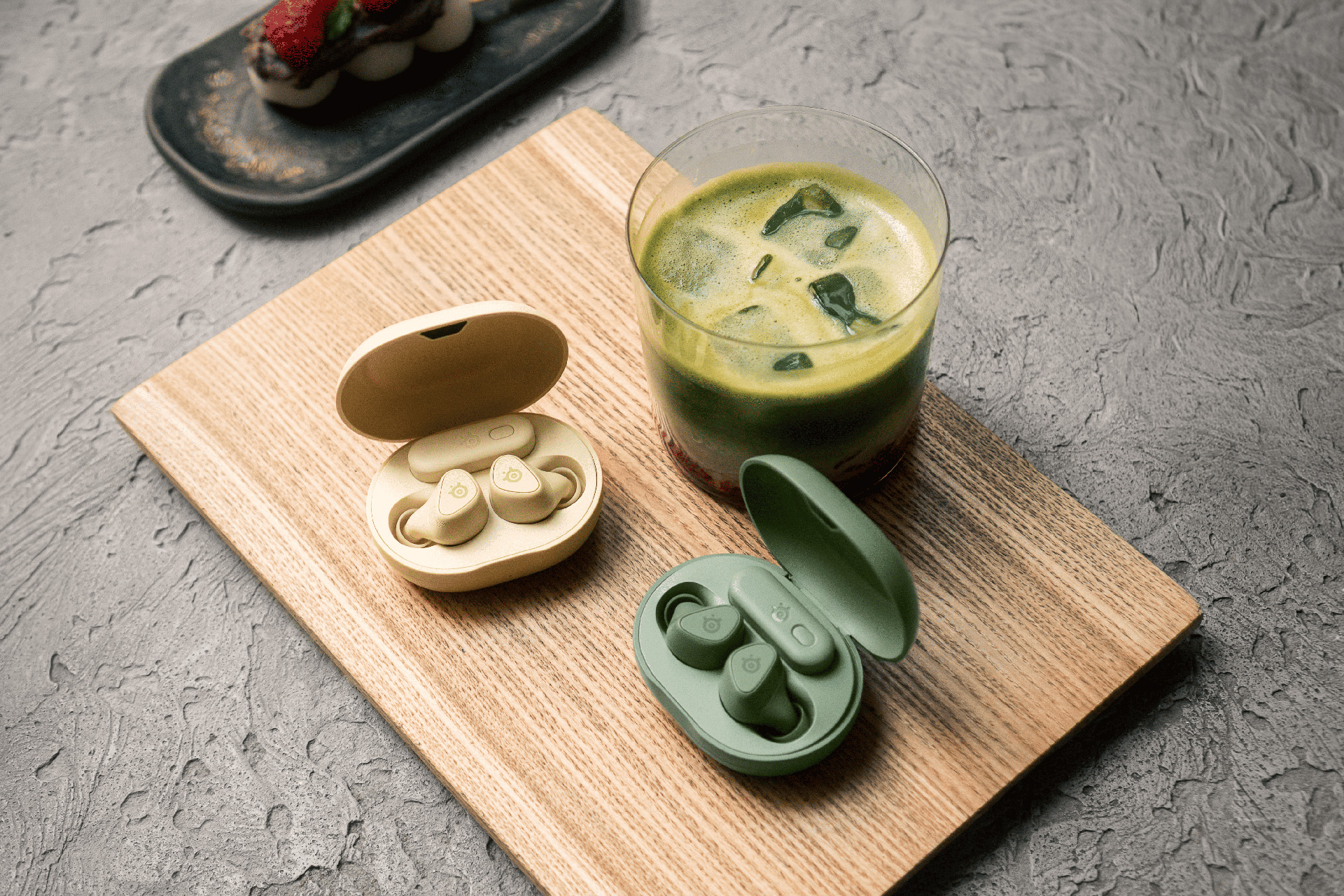
Yunomi.Matcha’s latest move is a limited rice-koji matcha latte, sold in Togoshi Ginza, a shopping street in Shinagawa ward. The drink’s Japanese name, 米糀抹茶ラテ, tells you almost everything you need to know: 米糀 (kome koji, rice koji), matcha, and latte in one product label.
According to the original press release on PRTimes, this is a limited sale, which means the key point isn’t mass distribution, but locality. That makes it exactly the kind of Japanese PR product that works well as a small story, not just a drink announcement. For shoppers in the area, it can become a quick seasonal stop. For everyone else, it’s a good reminder that Tokyo’s food news often starts with one neighbourhood, not the whole city.
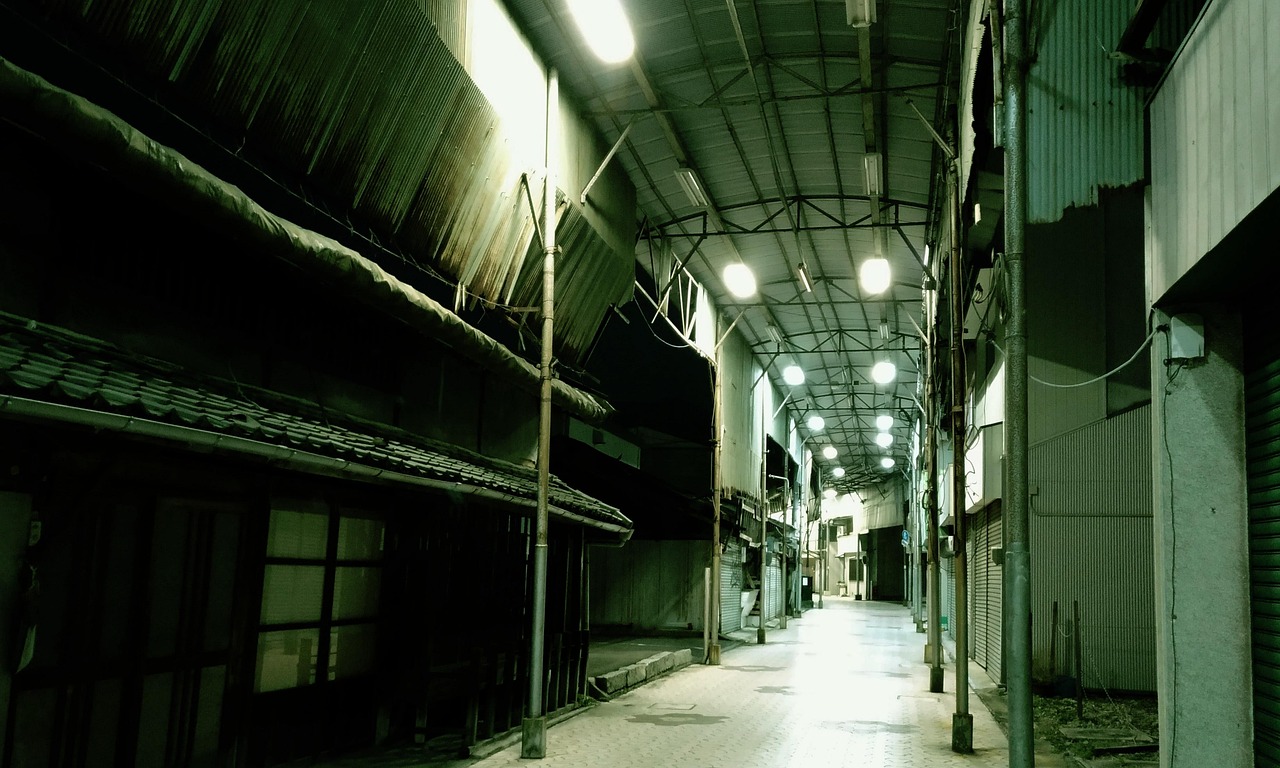
What most people don't know is that Togoshi Ginza is one of those places where local identity matters. It’s a lively retail street, and Shinagawa gives the story a clear map pin, so this isn’t a vague Tokyo launch. It’s a product with an address. Convinced yet?
What makes rice-koji matcha interesting
Picture this: matcha is already famous for its deep green colour and bitter-旨味 (umami, savory flavor) profile, while koji brings a mild sweetness and fermented depth. Put them together, and you get a drink that sounds modern, but still leans on very Japanese ingredients.
Matcha itself has become a global word, but Japanese learners should pay attention to the texture of the language around it. Kome koji means rice koji, and gentei hanbai means limited sale. Those are exactly the kinds of words you’ll see again in food PR, seasonal menus, and local event posters.
Compared with back home, Japanese beverage releases often frame the product as a place-based experience, not just a taste. The location, the season, and the ingredient story all do work at once. That’s why a drink like this can feel bigger than its size. Wait, there’s more.



Why Shinagawa and Togoshi Ginza matter for the story
Guess what? Local shopping streets still have real pull in Japan, especially when a brand wants to connect with walk-in customers and neighbourhood attention. Togoshi Ginza gives Yunomi.Matcha a setting that feels friendly, accessible, and slightly old-school in the best way.
Here’s the catch: the product is limited, so the actual appeal is partly scarcity. That’s common in Japanese PR, where a seasonal or local item can generate talk without needing a national rollout. It also helps the brand create a sharper identity. Instead of being just another matcha drink, this one becomes “that rice-koji matcha latte in Togoshi Ginza.”
My tip: if you’re learning Japanese, pay close attention to how food announcements use location words like Shinagawa and product terms like gentei hanbai. They show up constantly in real-life Japanese. Sounds weird, but it's true.
Matcha vocabulary for learners and Japan fans
Let me show you why this matters beyond the drink itself. Matcha is now a global keyword, but the Japanese context still shapes how people talk about it, especially in PR copy and café culture. You’ll often see words like umami, koji, latte, and local area names bundled together to create a story that feels both traditional and current.
Useful romaji terms from this release
Matcha means powdered green tea. Koji is the culture used in fermentation. Kome koji is rice koji. Gentei hanbai means limited sale. Shinagawa and Togoshi Ginza are the place names to remember.
Before I forget: these are the kinds of terms that help you read Japanese food news faster, because the headlines often recycle them. If you can spot them quickly, you’ll understand the angle before the article even ends. From my experience, that’s one of the best ways to improve reading speed with real Japanese content.
Frequently Asked Questions
What is Yunomi.Matcha releasing?
It is a limited rice-koji matcha latte called 米糀抹茶ラテ.
Where is it being sold?
It is being sold in Togoshi Ginza in Shinagawa, Tokyo.
Why is this release interesting for Japan fans?
It combines a local selling spot, a limited product run, and ingredients that are strongly tied to Japanese food culture.