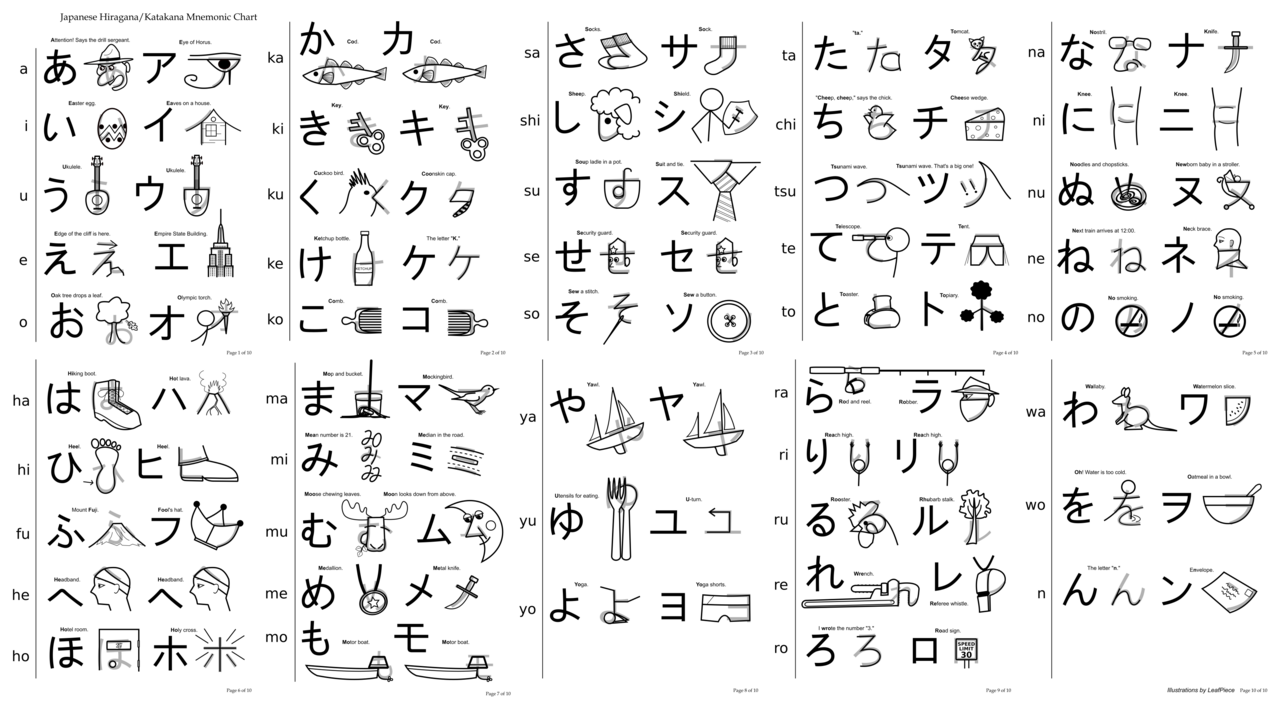
That doesn’t mean you need to fear it, though! Let's go through why 漢字 (kanji, Chinese characters used in Japanese) feels so heavy at first, how 仮名 (kana, Japanese syllabaries) fit into the bigger picture, and why a learning community can make the whole journey much easier. 👊


Why kanji feels like the final boss
Kanji earns its scary reputation because it asks you to do several things at once. You need to recognise shape, meaning, and often more than one reading, and that can feel like a lot when you’re just starting Japanese. 平仮名 (Hiragana, hiragana syllabary) and 片仮名 (katakana, katakana syllabary) are much kinder at the beginning, so many learners naturally feel safer there first.
Seriously though, that first wall is normal. Japanese texts in the wild, from manga captions to shop signs and news headlines, rely on kanji heavily, so the jump from kana-only practice to real Japanese can feel dramatic. The good news is that this isn’t a sign you’re bad at languages, it’s just the structure of Japanese showing itself early. Convinced yet?
One useful way to think about it is this: hiragana and katakana help you read the sound, while kanji helps you read the meaning more naturally and quickly. That’s why a sentence written only in kana often looks odd to learners, even if they can pronounce it just fine. Your brain is missing the visual shortcuts that native readers use every day.
Hiragana and katakana are the launchpad, not the finish line
Fun fact: many learners treat kana like the “easy part” and then get frustrated when kanji shows up. But kana aren’t a side quest, they’re the launchpad. Without them, you can’t really lock in pronunciation, particle patterns, or the rhythm of everyday Japanese.
Hiragana carries core grammar and native vocabulary, while katakana shows up in loanwords, emphasis, and plenty of daily-life words like konbini items, brand names, and tech terms. Once you can read both scripts comfortably, kanji becomes less like a wall and more like a code system you’re slowly cracking. That shift is subtle, but it changes everything.
Here’s the catch: if you wait until you “finish” kana before touching kanji, you may end up delaying the very thing that makes Japanese text easier to understand. A better approach is to build them together. Read kana, spot kanji, and let the two systems reinforce each other instead of competing. Sounds good, right?
Three study habits that actually help
My tip: use small, repeatable steps instead of trying to swallow hundreds of characters at once. This is where real Japanese learning becomes natural, not forced.
- kanji, kanji, meaning
- kana, kana, reading support
- vocabulary, 語彙 (goi), context
That mix matters because kanji is easier to remember when it lives inside actual words, not isolated flashcards. A single character on its own can feel abstract, but a word you see in a manga panel or a lesson sentence has context, sound, and meaning all working together. Pretty brilliant, really.
What a learning community changes
Before I forget: the learning community side of Japanese study isn’t just motivational fluff, it’s practical. When you’re stuck on a character, a reading, or a memory trick, other learners can show you a pattern you missed. That kind of shared problem-solving keeps kanji from turning into a lonely grind.
Hand on heart: most people don’t need more pressure, they need better repetition and a place to ask “am I the only one confused by this?” The answer is almost always no. Someone else has been stuck on the same kana, the same kanji, or the same reading puzzle, and that little bit of reassurance makes it easier to keep going.
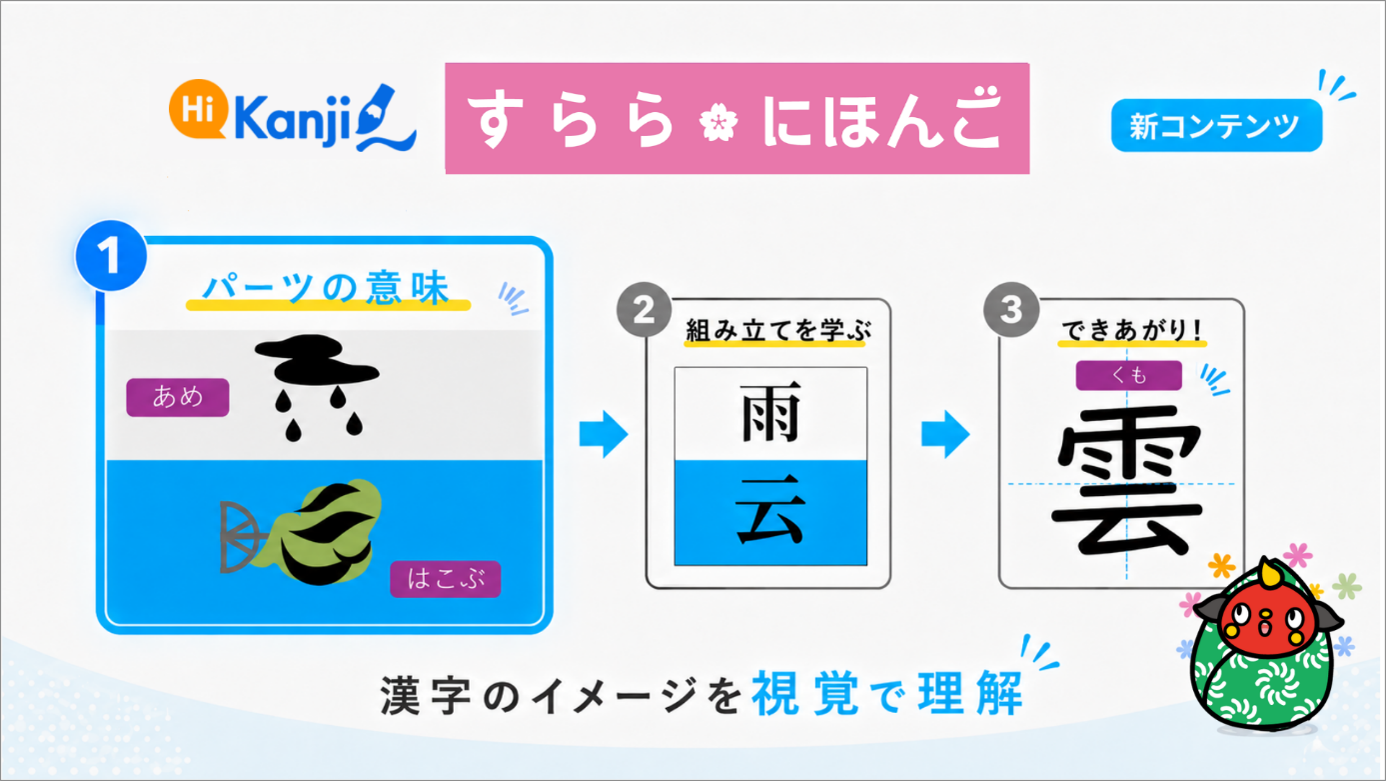
Quick detour: a newer trend in kanji learning focuses less on endless copying and more on understanding the parts inside a character. That approach makes sense, especially for learners who do better when they can connect visual pieces to meaning instead of memorising by brute force. In other words, the character stops being a monster and starts being a puzzle.
How to make kanji feel less intimidating
Did you know that...? A lot of learners do better when they study kanji in layers: first recognise it, then connect it to a word, and only later worry about writing it perfectly. That order feels more natural for modern learners, especially if your main goal is reading manga, watching anime with subtitles off, or understanding signs and menus.
My tip: focus on high-frequency kanji first, the ones you see everywhere in daily life. Those characters give you the fastest return on effort, because they unlock common words very quickly. After that, learning becomes less about raw survival and more about momentum.
That’s why kanji is the final boss, but not the final answer. It’s the point where Japanese starts to feel real, and that’s exactly why it’s worth sticking with. You don’t need to master everything overnight, you just need to keep moving, one chunk at a time. Personally...
Frequently Asked Questions
Is kanji the hardest part of Japanese?
For many learners, yes. Kana are simpler at first, but kanji adds meaning, shape, and multiple readings.
Should I learn hiragana and katakana before kanji?
Yes, get comfortable with both kana first, then add kanji gradually so Japanese text feels easier to decode.
Does a learning community really help with kanji?
Yes. A community gives you support, examples, and motivation when one character or reading feels impossible.