It’s the sort of quietly absurd Japanese retail innovation that feels very on-brand once you think about it for half a second. And yes, there’s also a little JLPT-adjacent language angle here, because the words for receipts, toilets and daily convenience-store life all turn up far more often than you might expect.


Lawson takes receipts off the counter and into the loo
Basically, Lawson has been making a feature of turning paper waste into toilet paper, with the gimmick tied to the chain itself rather than to konbini culture in the abstract. The original report frames it as Lawson transforming receipts into toilet paper, which is delightfully specific, and rather better than the usual corporate line about sustainability because it actually gives you something to picture.
And that picture is doing a lot of work. Receipts, those thin little slips that pile up in your bag, your wallet, and occasionally the bottom of the washing machine, are usually treated as pure afterlife paperwork. Lawson is taking that brief, transactional scrap and giving it a second role in a place where, frankly, we all need paper in quantity. Sounds weird, but it’s true.
No wonder, because konbini in Japan already do a ridiculous amount of heavy lifting. They’re not just places to buy おにぎり (onigiri, rice ball) and canned coffee, but miniature service hubs, print points, parcel drop-offs, bill payment counters, and sometimes the only reason a late-night errand remains civilised. So when Lawson decides that a receipt can become bathroom tissue, it feels less like a random stunt and more like an extension of the same logic: if paper exists, Lawson will try to make it useful twice. See what I mean?
Why this is more than a quirky eco trick
Let’s be honest: the environmental story is the bit that gives this idea its legs. Receipt paper is a strange material anyway, often thermal paper, often handled once and forgotten, and it sits awkwardly between “necessary for the transaction” and “immediately disposable”. Turning it into toilet paper isn’t a miracle of modern civilisation, but it is tidy, practical, and oddly satisfying in the way Japanese product ideas often are when they land properly.
What I especially like is that Lawson has chosen a use that makes the recycling visible. A lot of sustainability campaigns hide behind charts and slogans. This one ends in the bathroom, which is both less glamorous and more convincing. If you’re shopping in Japan, you already know how often packaging, paper, and tiny acts of sorting matter; this just pushes the idea one step further, with a wink. My tip: if you’re learning about Japanese consumer culture, keep an eye on these small circular-economy ideas, because they turn up everywhere, from convenience stores to public facilities.
And yes, there’s a pleasing everyday logic to it. Receipts are paper, toilet paper is paper, and Japan has always had a talent for making practical things feel a touch ingenious rather than merely functional. That’s very Lawson, and very konbini, all at once.
Japanese vocabulary corner: the JLPT angle
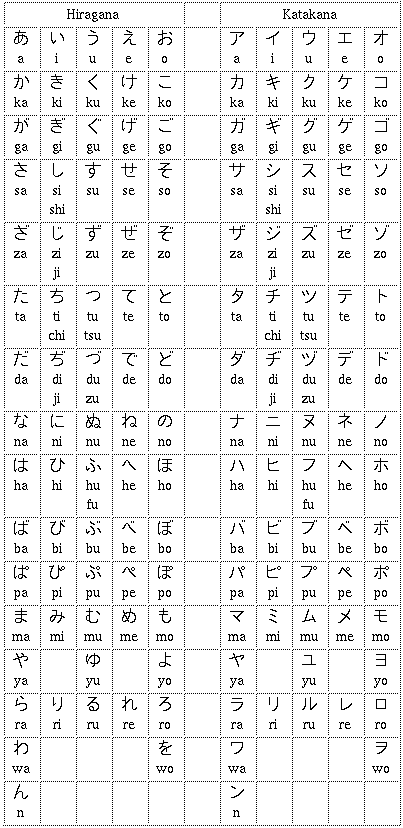
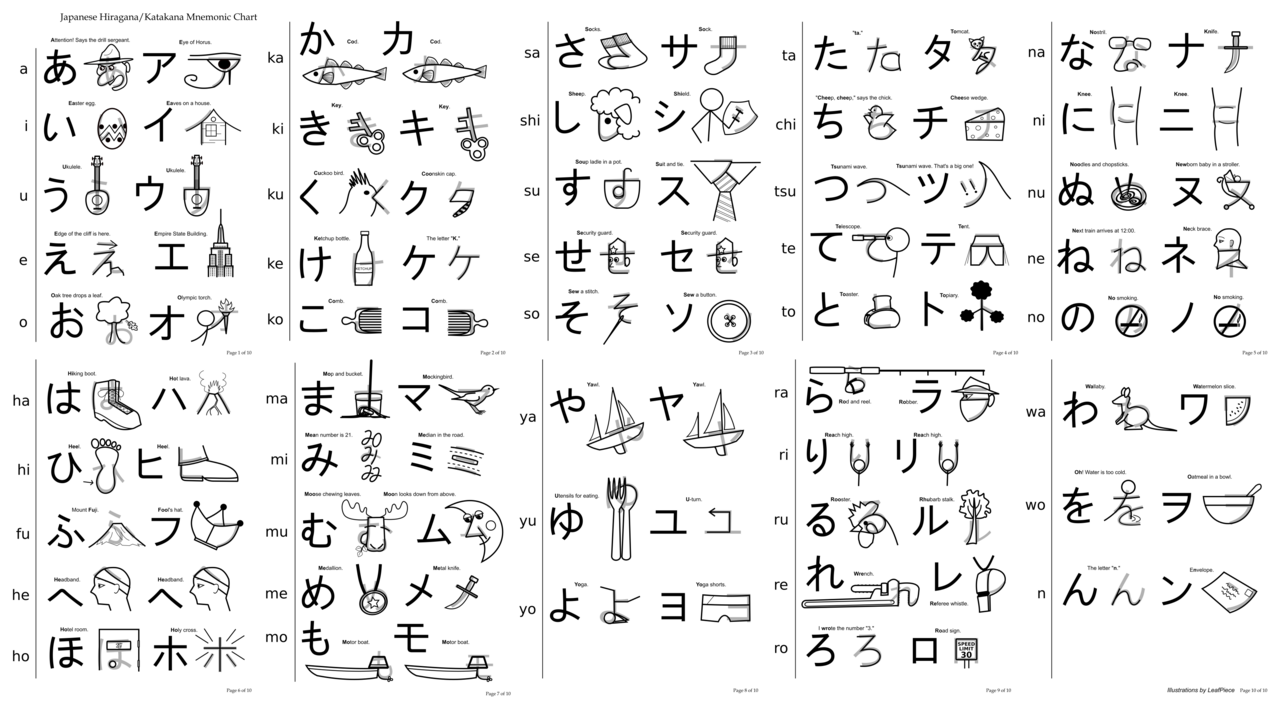
Hand on heart: this is also the sort of story that can trip up Japanese learners, because the vocabulary is deceptively ordinary. Receipts are レシート (re-shiito, receipt) in Japanese, toilet paper is トイレットペーパー (toiretto peepaa, toilet paper), and convenience store is konbini. Simple enough, until you run into the 仮名 (kana, kana syllabary), the loanwords, and the occasional awkward reading question on a practice paper.
Here’s the kicker: JLPT-style reading questions love everyday life terms that look harmless and then chew through your attention. A news item about Lawson, receipts, and toilet paper might seem like fluff, but it is exactly the kind of material that helps you notice how Japanese borrows, shortens, and repackages words for daily life. And if you’re at N4 or N3 level, that matters more than memorising yet another abstract grammar point you’ll forget by Tuesday.
So if you’re studying Japanese, this is a useful little reminder that ordinary retail vocabulary is worth its weight in gold. Lawson, receipts, paper waste, bathroom goods, all of it sits right in the practical middle of Japanese life, where the JLPT occasionally likes to hide its nastier little surprises. Honestly, the exam writers do enjoy making “simple” words slightly less simple, don’t they?
Why Lawson matters specifically
On the flip side, this only really works as a story because it is Lawson. If a random company somewhere said it was turning receipts into toilet paper, you might shrug and move on. Lawson, though, is one of the big convenience-store names people actually recognise, which gives the whole thing real commercial weight. It is a concrete chain, a concrete brand, and a concrete bit of Japanese retail theatre.
That matters for two reasons. First, it makes the idea scalable, or at least imaginable on a proper chain level rather than as a one-off novelty. Second, it reinforces the slightly marvellous truth that Japanese convenience stores are always competing on more than sandwiches and fried chicken. They compete on usefulness, service range, and the small shock of “oh, you can do that here too?” which never really gets old.
And if you’re a Japan fan, this is exactly the sort of detail that makes the country feel so entertaining to follow. Not because Japan is some magical land of novelty (let’s not get silly), but because everyday infrastructure is often just a bit more inventive than you expected. Lawson has simply taken that tendency and aimed it at the most prosaic object possible. Properly brilliant, in its own oddly practical way.
Frequently Asked Questions
What exactly is Lawson doing with receipts?
According to the original report, Lawson is turning receipts into toilet paper, linking the idea directly to the chain itself.
Why does this matter to Japanese learners?
It brings in everyday vocabulary that often appears in reading practice, including words connected to convenience stores, paper, and household goods.
Is this just a novelty idea?
It is quirky, but it also fits Japan's habit of making practical, recyclable, and service-focused ideas feel normal.