
We’re looking at a technique associated with the Edo period, how it differs from modern running form, and why a historical practice can suddenly look brand new on social media. There’s a good deal of myth mixed in here, naturally, so let’s stick with what our actual sources say and where the record gets a little slippery.


Edo running, and why it looks so unusual
Edo running, often described as a sideways or low-impact style, has become a viral talking point because it looks nothing like the upright stride most runners are taught today. The method is linked to an older Japanese way of moving, one that emphasises a relaxed upper body, shortened steps, and a forward lean that lets momentum do more of the work than brute force.

That matters because the modern running posture we take for granted isn’t the only possible one. The Edo-period city was crowded, practical, and full of people moving in sandals, work clothes, and on uneven surfaces. A compact gait made sense. It reduced wasted motion, kept the body stable, and probably suited daily travel better than the springy, high-knee style we see on sports tracks now. Sounds good, right?
On a related note: the label “Edo” can make this sound more precise than it always is. We do have historical evidence for period movement styles and training methods, but the internet version often turns that into a tidy “secret ancient technique” story. History usually refuses to be that neat, which is rude of it, but there we are.
The 61-year-old Osaka worker behind the viral moment
The current wave of attention centres on Tokyo Weekender's reporting on Katsunori Oba, a 61-year-old office worker from Osaka. According to the coverage, his reconstruction of the Edo-era style, based on relaxing the body and using the sensation of falling forward, has drawn an audience of hundreds of millions online, with one figure placing the total at around 350 million views.

That number is obviously the viral headline, but the more interesting part is the age of the messenger. Oba isn’t a celebrity athlete, not a polished fitness influencer, and not the sort of person the algorithm usually rewards for historical curiosity. He is, instead, a working man of retirement-adjacent age demonstrating that a supposedly obsolete movement style can still provoke attention when packaged in a short, kinetic clip. The internet does love a contradiction, provided it fits in a feed.
Seriously though, the attraction here isn’t only novelty. Oba’s example makes the past feel usable rather than ornamental. Edo running becomes something you can discuss in terms of balance, posture, and efficiency, not only as a costume-drama curio. That shift, small as it sounds, is usually what keeps a historical practice from being dismissed as decorative folklore. Convinced yet?
What the technique likely involved in practice
Let me show you why this has caught the imagination of Japan fans. If you strip away the viral framing, the technique seems to rely on a few concrete ideas: stay loose, keep the body compact, reduce vertical bounce, and let gravity assist the stride. In other words, the runner doesn’t fight the motion quite so much as manage it. That isn’t mystical. It’s biomechanics with a very old label.

Three features worth noticing
First, the steps appear shorter than in conventional running. Second, the body stays relatively low, which can make the motion look almost gliding or drifting. Third, the arms and shoulders do less dramatic work than you’d expect from a modern sprint coach’s manual. All of this gives the impression of a sideways or slanted run, even when the actual movement is more subtle than social media makes it seem.
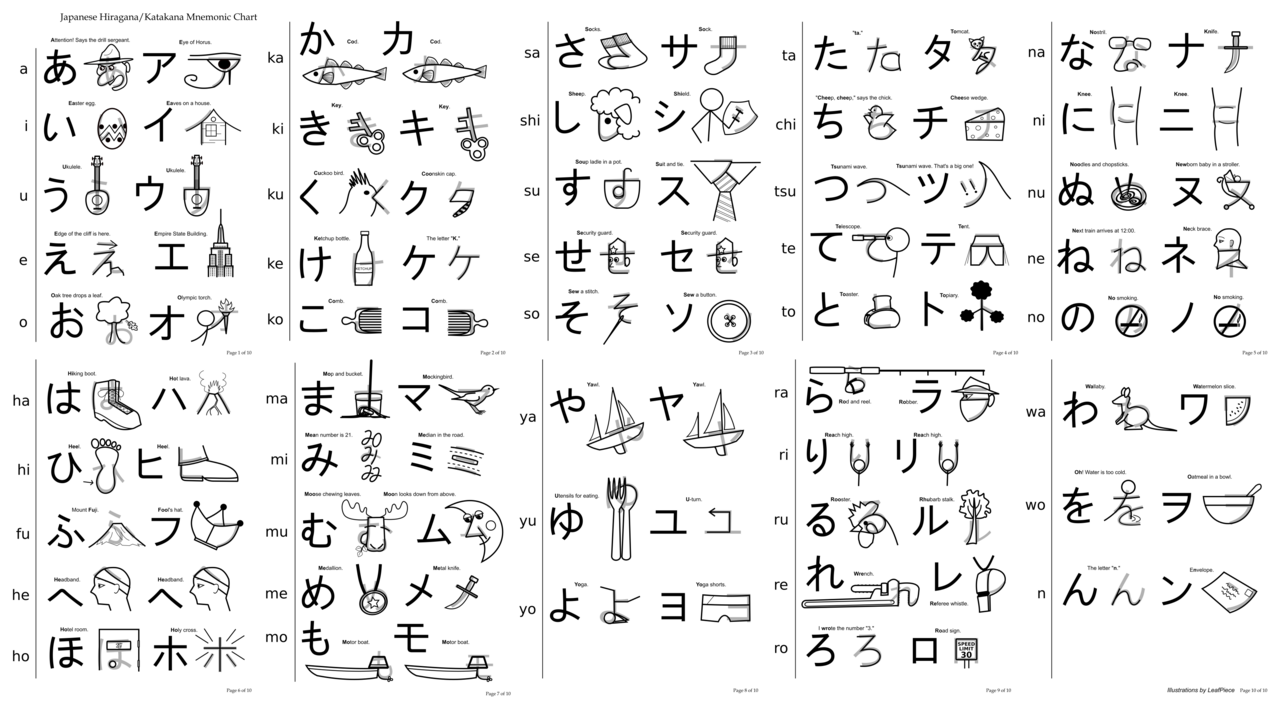
For Japanese language learners, this is also a neat vocabulary pocket. Edo refers to the period and the old name for Tokyo, while 走る (hashiru) means to run. You may also come across 体 (karada) for body, 肩 (kata) for shoulders, and chikarawazura, if someone is being poetically old-fashioned about strain, though that one is less likely to show up in a sports clip. My tip: when a historical trend goes viral, the language around it often reveals as much as the technique itself.
Why a 400-year-old style works so well online
Compared with back home, where “old exercise method” would probably mean a dusty magazine article and a half-hearted revival class, Japan has a long habit of treating historical forms as living material. Martial arts, tea culture, theatre, and festival practice all show the same pattern. Old forms survive because people keep finding reasons to use them. Then social media arrives and pretends it invented the rediscovery.

The best part is that this kind of content thrives because it’s visually legible. You don’t need a long explanation to notice that the runner’s posture is strange. You can see the difference in a second, then spend five minutes arguing about whether it’s authentic, efficient, or just a compelling bit of movement theatre. That argument is, frankly, half the fun.
There’s also a broader lesson here for learners of Japan. Popular culture often presents the past as fixed, polished, and officially preserved. In reality, many traditions survive through adaptation, argument, and occasional internet frenzy. Edo running, as a viral phenomenon, sits right in that gap between historical practice and modern performance. That brings us to the point worth knowing: the story isn’t just about a running style, but about how Japan repackages its past for new audiences, one clip at a time. Sounds weird, but it's true.
Oh, almost forgot: if you want more stories like this, more Japan news on jpnerd.com keeps the historical oddities coming.
In pictures


Frequently Asked Questions
What is Edo running?
It is a historical running style associated with the Edo period, usually described as compact, relaxed, and less bouncy than modern running.
Why did it go viral?
A 61-year-old office worker from Osaka helped bring it into the spotlight, and social media turned the unusual movement into a massive talking point.
Is it scientifically proven to be better than modern running?
Not in any simple, settled way. The style is interesting and worth studying, but the historical record isn’t the same thing as a modern sports science verdict.