These releases matter because they don’t just borrow Zelda’s look; they turn the objects themselves into usable products. One glows on your shelf, while the other is the kind of pocket-sized pouch that’ll probably disappear into a bag full of receipts and train tickets, which is about as close to modern Hyrule economics as we get.
Zelda merch built around objects, not logos
The Legend of Zelda has always been unusually strong at turning in-game items into visual shorthand. A heart container, a rupee, the Master Sword, a fairy fountain, you can recognise all of them in silhouette alone, which isn’t something most game series can claim. That design language is why this new wave of merchandise works so well in practice, not just in theory.
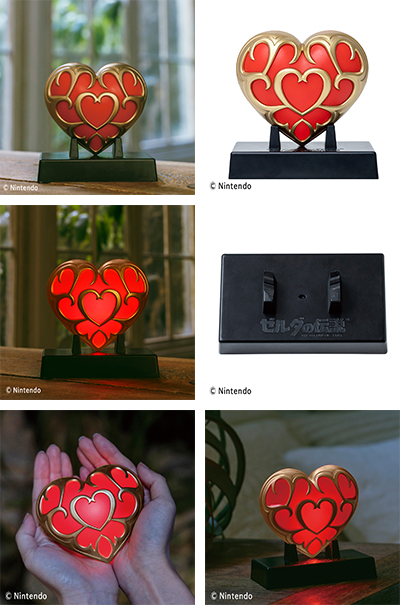
According to Lawson, the Heart Container Interior Light Book and the Rupee Silicone Pouch Book go on sale on 2 November in the Tokyo metropolitan area, with Ehime following on 3 November and Okinawa on 4 November. The timing is useful, because it places the products right in the middle of the autumn gift-buying season, when character goods tend to move from novelty to impulse purchase faster than Nintendo fans like to admit.
The appeal’s obvious. These aren’t generic brand tie-ins slapped with a logo and called a day. They’re Hyrule objects made physical, which is exactly the sort of thing a dedicated fan base will understand instantly.
Heart Container lights do the obvious thing well
The Heart Container item is the cleaner idea of the two. In the games, it represents extra life and progress, so turning it into an interior light makes immediate sense. You’re not just buying a lamp. You’re buying a familiar Zelda symbol that carries the right emotional weight for long-time players.
What I especially like is the restraint here. The object doesn’t need elaborate reinterpretation. A soft glowing heart container on a desk or shelf does the job because the source material already did the work of making the shape meaningful. That’s the sort of product design that understands fandom rather than merely targeting it.
For Japanese learners, this is also a neat vocabulary example. ハマり (Hammari, being hooked; getting into something) isn’t the word you need here, but interior goods in Japan are often treated as part of everyday room styling, not just decor for collectors. The result is merchandise that can sit between novelty and practical home item, which is a very Japanese retail sweet spot.
Rupee pouches are the more playful buy
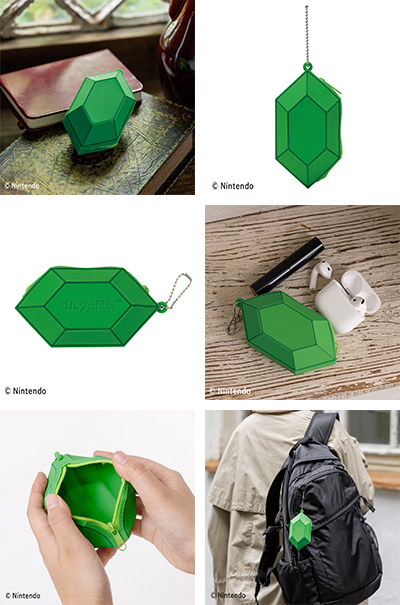
The rupee silicone pouch is the more obviously gimmicky item, and I mean that as a compliment. Rupees are one of the strongest visual currencies in gaming, bright, clean, and instantly readable, so they translate neatly into a small pouch that can hold coins, earbuds, or whatever else gets swallowed by your bag during a commute.
That practical angle matters. Character pouches are everywhere in Japan, but the ones that sell tend to have a recognisable shape and a clear use case. This one has both. It’s also the sort of object that’ll attract people who like Zelda but don’t want a display-only item. In other words, it has a broader audience than the more decorative light.
And yes, the rupee design does a lot of the heavy lifting. You don’t need to explain why it exists. If you know Zelda, you get it immediately. If you don’t, it still looks like a tidy little collectible with a strong colour identity, which is probably how these things get past the first purchase.
Why this kind of Zelda merch keeps working
The reason is simple. Zelda merchandise succeeds when it treats the series' iconography as product design material rather than surface decoration. That’s why heart containers, rupees, fairy fountains, and the Master Sword keep returning as objects, cushions, clocks, and lights. They’re not just references. They’re components with a visual grammar fans already know how to read.
This same logic appears in other parts of the current Ichiban Kuji The Legend of Zelda: Hyrule Collection, which includes items such as a pull-to-stop Master Sword alarm clock and a fairy fountain cushion. That broader lineup tells you where the demand is actually sitting: not in vague branding, but in functional objects that make Hyrule feel domesticated, one shelf at a time.
My tip: if you’re learning Japanese and you follow merchandise news like this, pay attention to the item names. Heart Container, rupee, silicone pouch, interior light are all straightforward examples of how Japanese product language mixes imported game terminology with everyday retail vocabulary. That combination shows up constantly in Japan's character goods market, and it’s worth learning because it keeps appearing in the wild.
Which is why these Hyrule artifacts work so well at home, and now you know exactly why that is.
In pictures


Frequently Asked Questions
When do the Zelda Hyrule goods go on sale?
According to Lawson, the main release date is 2 November, with regional release dates on 3 November in Ehime and 4 November in Okinawa.
What are the two main products?
The standout items are the Heart Container Interior Light Book and the Rupee Silicone Pouch Book.
Why will Zelda fans care about these items?
Because they turn two of the series' most recognisable Hyrule objects into practical everyday merchandise, which is exactly the kind of design that dedicated fans tend to collect.