
For Japan fans, that makes this more than a medical profile. It’s also a travel window into Fukuoka and Kyushu, where care, language, and everyday routines meet in ways that can feel reassuring one minute and confusing the next. That tension is exactly where the interesting part begins.


A doctor working across two medical cultures in Fukuoka
Sixteen years after Fukuoka Now first profiled him, Dr. Ronald Schlemper is still very much part of Fukuoka’s medical landscape. The Dutch-born physician has now spent 22 years at International Clinic Tojinmachi, a long stretch in a city that many travellers know for ramen, 屋台 (yatai, food stall), and easy access to Kyushu’s lesser-known corners.

And that long stay matters. It means he’s had time to see how Japanese healthcare feels from the inside, not just as a system on paper, but as something shaped by language, habits, paperwork, expectations, and the tiny human moments that decide whether a patient feels safe or not. No exaggeration: that’s where a lot of travel life in Japan becomes real too, because once you live here, health care stops being abstract very quickly.
Hand on heart: this is one of those stories I like because it sits right at the overlap of travel and everyday life. You can arrive in Japan for temples, trains, and hidden spots, but sooner or later you start noticing the practical stuff, like what happens when you need help, how a clinic visit works, and why patience and clear communication matter so much. Sounds good, right?

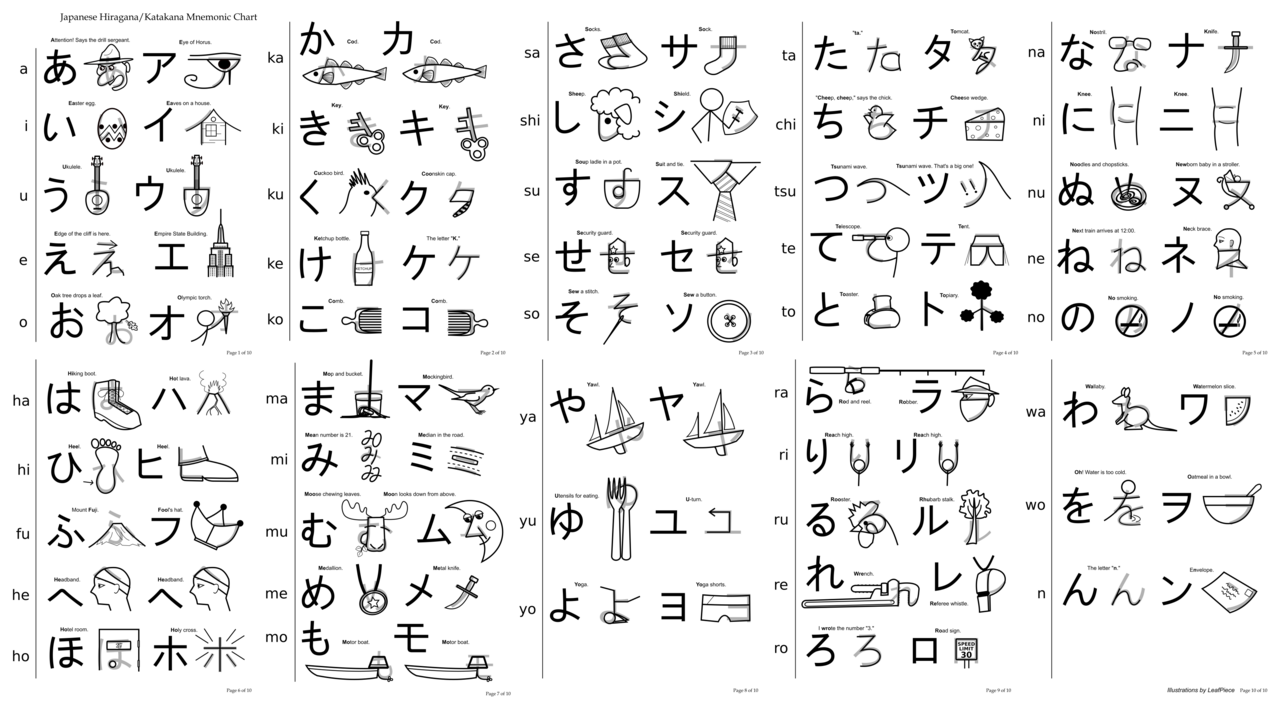
For Japanese learners, there’s a useful little side effect here too. Words like 病院 (byoin, hospital) for hospital, 病気 (byoki, illness) for illness, and 介護 (kaigo, care; nursing care) for care show up in everyday life much more often than many study apps suggest. And when you’re in Japan, those words aren’t just vocabulary drills, they’re part of the real texture of the country.
What Japan gets right, and where the friction shows
The core of Schlemper’s perspective is not that Japanese medicine is “good” or “bad” in some simple way. It’s more layered than that. On the one hand, Japan is known for broad access and a system that many residents experience as orderly and dependable, but communication can still be a hurdle, especially for foreign residents and visitors who aren’t confident in Japanese.
Before I forget: that’s a big deal for travellers, too. Even if you’re only in Fukuoka or Kyushu for a short stay, it helps to know that healthcare in Japan often runs on precision, process, and routine, while at the same time expecting you to fit into the flow. That can feel comforting when everything is smooth, but frustrating when you’re tired, unwell, or trying to explain something complicated in a language you’re still learning.

A good example: the doctor’s long career in one place lets him notice the small mismatches between cultures. In many Western settings, patients may expect direct explanation and shared decision-making in a more conversational style. In Japan, a quieter, more deferential style can be common, and that can be fine when everyone understands the rhythm, but less easy when cultural expectations don’t match. That’s not a flaw in one culture or a win for another, it’s just the lived reality of moving between systems.
And it gets better: this kind of perspective is useful far beyond medicine. If you’re learning Japanese, you already know the feeling of adjusting your own expectations, reading the room, and accepting that a system may work differently from what you’re used to. Healthcare just makes that lesson especially visible. My tip: if you’re planning longer travel in Japan, learn the practical phrases before you need them. A little prep goes a long way. But that’s not all.
Why Fukuoka is a fitting place for this story
Here’s the kicker: Fukuoka is already one of Japan’s most liveable big cities, but it also has a softer, more approachable rhythm than Tokyo or Osaka, which makes it a very interesting place to think about care, community, and daily life. You get big-city convenience, but often with a more relaxed feel, and that matters when you’re trying to understand how medicine fits into the city around it.

Unlike what we’re used to in glossy travel writing, the value here isn’t in spectacle. It’s in ordinary systems that work most of the time, in clinics that fit into neighbourhoods, and in doctors who keep building bridges year after year. Schlemper’s 22 years at International Clinic Tojinmachi make him part of that fabric, and that kind of continuity is something Japan often rewards, whether you’re in a clinic, a small shop, or a local train line out into Kyushu.
And for a traveller, that’s a nice reminder that Japan is full of hidden gems that aren’t always scenic. Some are practical. Some are social. Some are the places where a visitor realises that life here is held together by systems, manners, and small acts of explanation. That can be a hidden spot too, just not the kind that shows up on a postcard. My verdict:
If you’re exploring Fukuoka or planning a trip through Kyushu, stories like this help you see the city differently. Not just as a gateway to food and day trips, but as a place where international experience, local routine, and everyday care meet in a very Japanese way. That’s worth paying attention to.
In pictures


Frequently Asked Questions
Who is Dr. Ronald Schlemper?
He is a Dutch-born physician who has worked for 22 years at International Clinic Tojinmachi in Fukuoka.
Why does this story matter to Japan travellers?
It shows how healthcare in Japan works in everyday life, especially for visitors and foreign residents who may need to navigate language and cultural differences.
Is Fukuoka a good base for understanding everyday Japan?
Yes. Fukuoka combines city convenience with a relaxed pace, so it’s a useful place to see how daily life in Japan really runs.