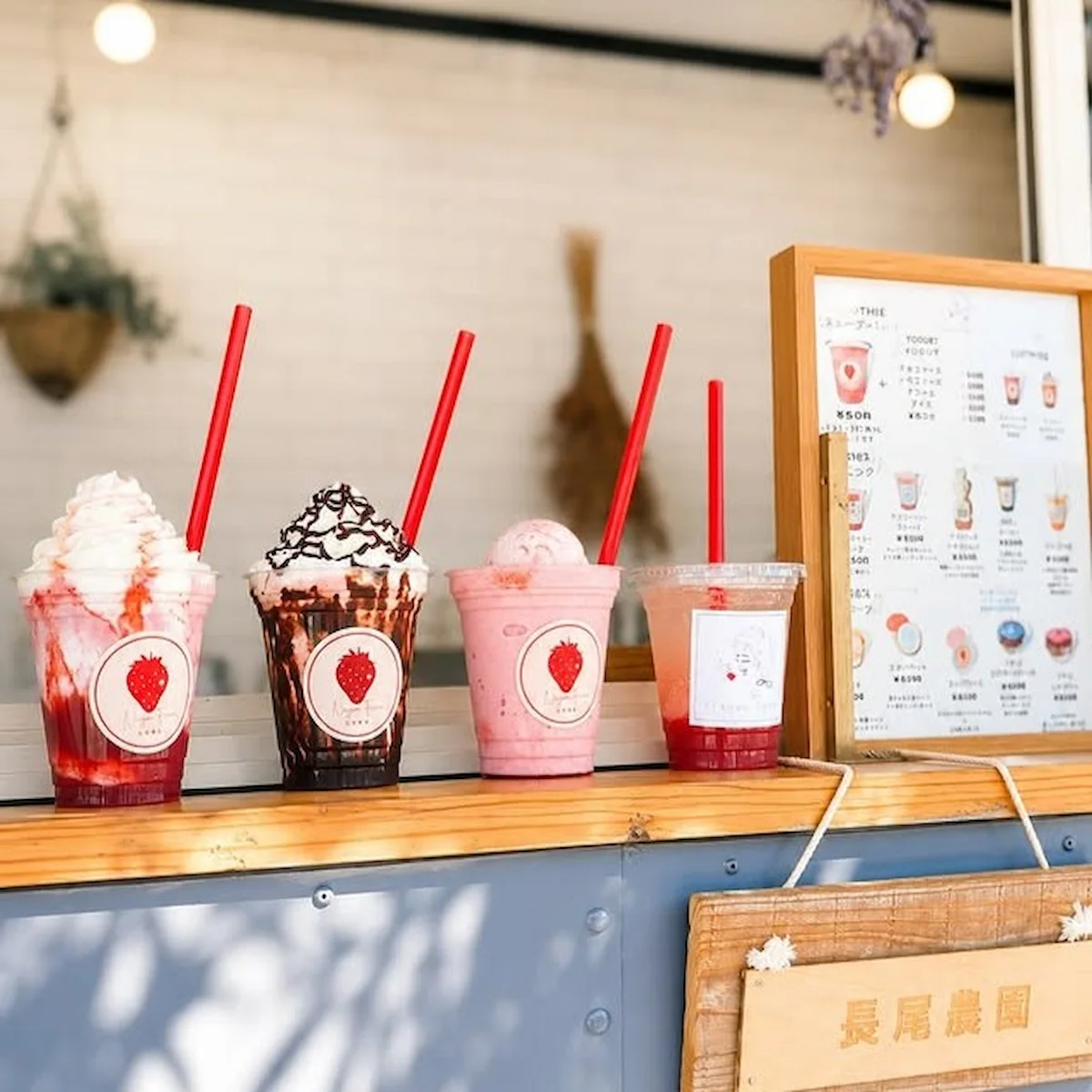
The reason is simple: Chikugo keeps getting these locally rooted food spots that make perfect sense once you know the region, and this one sounds properly in that lane. A farm opening a sweets store is very Japan, really, in the best possible way, and the name 拠り所 (Yoridokoro, a place to rely on; refuge) carries that cosy, stop-by-for-a-minute feeling that Japanese cafés and dessert counters do so well.


Yoridokoro opens in Chikugo on 1 September
Yoridokoro opens in Chikugo on 1 September, and the operation is run by Nagao Farm, or Nagao Nogen in Japanese. According to the original announcement on chikugo-ikoi.com, the shop brings a new sweets stop to Chikugo, in Fukuoka Prefecture, with a clear local identity rather than the usual anonymous chain-store blur. That matters more than it sounds. In Japan, the difference between a place that simply sells dessert and a place that feels tied to the area can be the difference between a quick stop and a proper habit.
And yes, the date is doing the heavy lifting here. The opening lands on 1 September, with the TV mention on 30 August, so this is very much a fresh arrival rather than one of those announcements that sits around so long you begin to suspect it has gone stale on the internet. No exaggeration: local food news can move quickly when there’s a recognisable face, a farm name, and a shop that sounds like it might actually be worth the detour. Sounds good, right?
Why a farm-run sweets shop feels so Japanese
What most people don't know: farm businesses in Japan often branch into direct-to-consumer food sales, and sweets are a natural fit. The reason is simple: if you grow fruit, rice, sweet potatoes, or even speciality produce, you already have the raw material for desserts, gifts, and seasonal items that can be sold with a local story attached. That story is half the product, believe it or not, and Japanese shoppers tend to appreciate the honesty of it.
Take Nagao Farm for instance. A farm opening a sweets store suggests the sort of tightly linked agricultural-and-retail model Japan does rather well, especially in rural and semi-rural areas. You get freshness, you get traceability, and you get the pleasant sense that someone has thought beyond merely putting sugar in a box. My tip: when you see a new shop like this in Japan, look for the source material first, not the packaging. The packaging will be cute anyway. It always is. Wait, there's more.
What the name Yoridokoro suggests
The word yoridokoro in Japanese carries the feeling of a place you can rely on, somewhere to drop in, rest a moment, and gather yourself. That makes it a smart name for a sweets store, because dessert in Japan often works as a small pause in the day rather than a grand event. You grab something after lunch, on the way home, as a gift, or because the season has changed and the shop has decided to make that everyone else's problem in the best way.
For Japanese learners, this is a tidy vocabulary note worth keeping. You’ll see names like this everywhere, and they often tell you more about a shop's mood than the menu does. Yoridokoro isn't shouting. It's inviting. That is very different from the usual retail volume, which often seems to have been set to "polite but determined." Simply brilliant.
RAMEN JAPAN on 30 August gave the opening extra visibility
Here's the kicker: Yoridokoro was mentioned on RAMEN JAPAN on 30 August, just before opening day. That sort of television exposure can give a new place a useful burst of attention, especially when the shop isn't a giant chain but a regional business with a more local audience.
And, frankly, TV still matters in Japan in a way that can surprise people who assume everything lives online now. A segment on a programme like RAMEN JAPAN can reach viewers who like food travel, regional stories, and places that feel properly anchored to an area. Chikugo gets a little more visibility, Nagao Farm gets a bigger platform, and viewers get another reason to think about Fukuoka beyond the obvious headline acts. That brings us to the bit I always find most interesting: how local food spots become part of a region's identity almost immediately, if they're honest enough and specific enough.
For anyone learning Japanese, this is also a useful reminder that food vocabulary lives inside place names, TV programmes, and business names all the time. You are not just learning words like 菓子 (kashi, sweets; confectionery) or お土産 (omiyage, souvenir; gift); you are learning how Japan packages local pride, one neatly labelled counter at a time. The best part: that makes reading the news itself part of the lesson. My verdict: worth keeping an eye on.
Frequently Asked Questions
When does Yoridokoro open?
Yoridokoro opens on 1 September.
Who runs the new sweets shop?
The shop is operated by Nagao Farm, also written as Nagao Nogen.
Where is Yoridokoro located?
It is in Chikugo, in Fukuoka Prefecture.