
And that’s what makes this small opening interesting. It isn’t just another place to sleep; it’s part of a broader Fukuoka/Kyushu travel update, one of those changes that quietly reshapes how you move through the city, where you base yourself, and what kind of neighbourhood atmosphere you notice on the way back after dinner.
BOUNCEE by RIHGA Fukuoka Hakata opens in Gionmachi
BOUNCEE by RIHGA Fukuoka Hakata officially opened on September 1, 2026, in Gionmachi, Hakata-ku, Fukuoka. The opening is part of a changing pocket of central Fukuoka, where station access, shopping, dining, and older neighbourhood texture all meet in a fairly compact area, and that matters if you like staying somewhere that feels connected but not overly polished.

The detail that caught my eye is the name itself. RIHGA is a long-established hotel brand, and here it is entering a part of the city that still rewards a slower look, especially if you enjoy wandering from major transport hubs into streets that feel a little more lived-in. The hotel’s arrival adds another lodging option for travellers who want Hakata as a base without drifting too far from the city’s everyday rhythm.
Basically: this is a city-centre opening, but it still has that Fukuoka feel, practical, walkable, and a little less theatrical than Tokyo or Osaka can sometimes be. If you’re the kind of Japan traveller who likes comparing neighbourhoods as much as checking in, that’s a real plus. Convinced yet?

Why this part of Hakata matters
Gionmachi sits in one of the most useful parts of Fukuoka for travellers. You’ve got Hakata Station nearby, Canal City not far off, and the wider city centre spread out in a way that makes trains, buses, and on-foot exploring all feel manageable. That’s a nice combination, especially if you’re trying to balance sightseeing with food stops, evening walks, and a bit of breathing room between destinations.
On a related note: Hakata is also a good place to pay attention to Japanese place names. You’ll see Hakata, Gion, and Fukuoka used in different ways, and for language learners that’s useful real-world vocabulary practice. The area around the station is packed with signs, route names, and shop fronts where reading katakana and kanji becomes part of the trip (and yes, that counts as study, even if you’re just trying to find dinner).
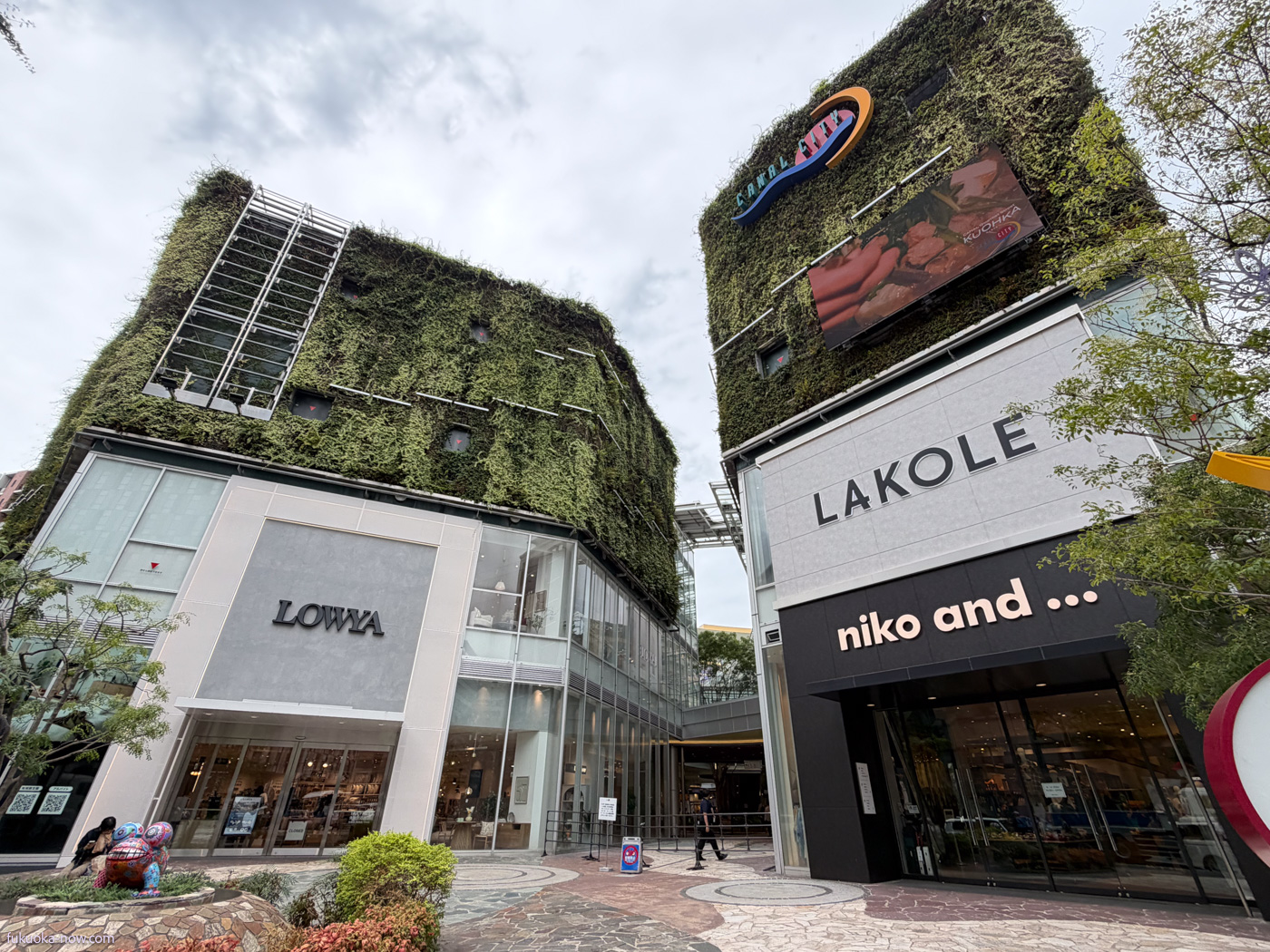
Take Canal City Hakata, for instance. Fukuoka Now recently covered the reopening of the Canal City Hakata East Building, which is another reminder that this part of town is constantly being adjusted, refreshed, and reused. That kind of urban layering is very Fukuoka, and it’s one reason the city keeps feeling approachable rather than frozen in one tourist image. Wait, there's more.


What Japan travellers may want to notice
Here’s the thing: hotel news in Japan often sounds small until you think about what it changes for your actual trip. A new hotel near Hakata can shift where people stay for a Kyushu itinerary, how they connect from the 新幹線 (shinkansen, bullet train), and which side streets get a little more foot traffic after dark. For travellers who like hidden spots as much as big-name stops, that can be part of the fun.
The best part: Fukuoka is already a city that rewards curiosity. You can start with the obvious anchors, then let yourself drift into ramen shops, arcade-covered streets, riverside paths, and smaller neighbourhood corners that don’t always appear in first-time guides. BOUNCEE by RIHGA adds another base for doing exactly that, and it may suit visitors who want a hotel that plugs them into the city without making the whole stay feel overly packaged.
My tip: if you’re planning a Fukuoka trip, think about the station area not just as a transit point but as a neighbourhood in its own right. The vocabulary helps too, since Japanese travel gets easier when you can recognise words like 駅 (eki, station) for station, 町 (machi, town / district) for town or district, and 口 (guchi, exit) for exit. Little things. But they add up quickly. My verdict:

Fukuoka keeps changing, and that is part of the appeal
To be fair: not every hotel opening deserves much attention. This one does, though, because it lands in a district that already matters to travellers and locals alike, and because Fukuoka’s centre keeps evolving in ways that are easy to feel even on a short visit. If you’re heading to Kyushu, it’s the sort of development that can quietly improve the shape of a stay.
And what’s more, openings like this fit the deeper travel story of Japan very well. The country is full of places where new builds, older neighbourhoods, and everyday city life sit side by side, and the best trips usually come from noticing how those layers meet. You don’t need a dramatic landmark every time. Sometimes a new hotel in the right street tells you enough about where a city is heading.
So if Fukuoka is on your radar, keep an eye on Hakata and Gionmachi. There’s always something shifting there, and that makes the area worth revisiting, whether you’re a first-timer or someone slowly building a more personal map of Japan. You’ll eventually find your own place in Japan. more Japan news on jpnerd.com
In pictures


Frequently Asked Questions
When did BOUNCEE by RIHGA Fukuoka Hakata open?
It opened on September 1, 2026.
Where is the hotel located?
It is in Gionmachi, Hakata-ku, Fukuoka.
Why does this opening matter for travellers?
It adds another central base in a very practical part of Fukuoka, close to major transport and city-centre sights.