
This plan focuses on 3 days / 2 nights, with concrete stations, food ideas and a pace that works for Japan fans and Japanese learners alike. No wonder, because Kyoto can feel spread out at first, but once you know the districts, the city suddenly becomes very manageable.
3 Days in Kyoto: The smartest way to split the city
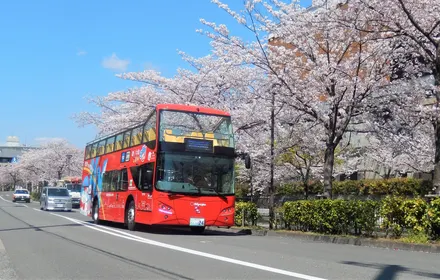
3 days / 2 nights in Kyoto works best when you treat the city by neighbourhood, not by random landmark-hopping. The reason is simple: Kyoto is spread out, and buses slow down once the morning rush kicks in, especially after around 9 am, as noted in japon-voyage.com.
So the practical plan is to keep each day focused. One day for Higashiyama and central Kyoto, one for Arashiyama, one for Fushimi Inari and a final shopping stop, depending on your train schedule. That gives you a proper Kyoto experience without turning the trip into a transit marathon. Convinced yet?
For Japanese learners, this kind of route planning is also great vocabulary practice. You’ll see words like 寺 (tera, temple) for temple, 駅 (eki, station) for station, 買い物 (kaimono, shopping) for shopping, and 電車 (densha, train) for train everywhere, from signs to station maps. That little bit of language confidence makes the city feel much less intimidating. But that’s not all.
Day 1: Higashiyama, temple streets and evening food
Start in Higashiyama, where Kyoto still feels like old Japan in the best possible way. Narrow lanes, wooden storefronts, temple steps and small snack shops make this area ideal for a first morning. Compared with home, it’s the kind of district where you’ll want to walk slowly, stop often, and let the city set the pace.
A great example: group temple visits early, then keep the afternoon for wandering around souvenir streets and tea shops. Many visitors pair the area’s famous temples with food stalls and local shopping, which makes sense because the neighbourhood is built for walking. If you want a straightforward Kyoto day, this is it, simply brilliant.
By the way, this is also one of the easiest parts of Kyoto for halal-friendly planning, because you can check listings in advance and avoid last-minute stress. Look for halal-certified restaurants near central Kyoto or around the main transit lines, then keep snacks handy for between stops. My tip: save the meal search for before you leave the hotel, not when you’re already hungry near a temple gate.
Halal food idea for Day 1
Kyoto has a growing halal food scene, especially in the city centre and near major tourist zones. You won’t find halal options on every corner, so the smart move is to choose one proper lunch or dinner spot and build the rest of the day around it. Hand on heart, that’s far easier than trying to improvise after a long temple walk.
For Japanese learners, this is a useful moment to recognise menu words. 牛肉 (gyuniku, beef) means beef, tori means chicken, and 天ぷら (tenpura, tempura; deep-fried dish) often appears as a fried dish. Knowing those basics helps you spot what you can and cannot eat much faster. From my experience...

Day 2: Arashiyama, bamboo groves and relaxed transport
Day 2 should be Arashiyama day. The area is one of Kyoto’s classic draws, with the bamboo grove, river views and temple stops all close enough to combine in one outing. No joke, this is where Kyoto’s transport logic really pays off, because once you arrive, you can cover several sights on foot.
Unlike what we're used to in many cities, Kyoto’s biggest mistake is often overusing buses for short hops. If your accommodation is near a good train or subway connection, use it. Arashiyama is much calmer when you arrive early, and you’ll thank yourself later when the crowds build. Wild, isn’t it?
If you want a more relaxed day, build in shopping after sightseeing. Kyoto Station area is useful for this, because you can find snacks, souvenirs and practical travel items in one place before heading back to the hotel. That brings us to the transport side of the trip, which matters more in Kyoto than many first-time visitors expect.
Transport tips that actually save time
Use trains where you can, especially for longer cross-city moves. Buses are fine for short, specific routes, but they can get crowded and slow quickly. The city becomes much easier when you think in stations, not only in attractions, and that mindset is especially helpful if you’re still learning Japanese place names.
Station vocabulary is worth memorising before you go: naka for inside, 右 (migi, right) for right, 左 (hidari, left) for left, and deguchi for exit. These show up on signs, maps and directions everywhere. If you can read them, even roughly, Kyoto becomes a lot less stressful. But that's not all.
Day 3: Fushimi Inari, final shopping and easy departure
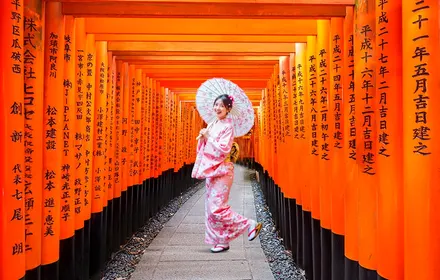
Finish with Fushimi Inari, and go early if you can. The torii-lined paths are one of Kyoto’s most recognisable sights, and they’re much more enjoyable before the day gets busy. A morning visit also fits neatly with a same-day departure, because the shrine is well connected by train.
After that, keep the rest of the day light. Use Kyoto Station or a nearby shopping area for omiyage, train snacks and anything you forgot to buy earlier. That is often the most practical way to end a short Kyoto trip, especially if you’re moving on to Osaka, Tokyo or back to Kansai Airport.
What I especially like: Kyoto on a 3-day plan doesn’t need to be rushed if you accept that you can’t see everything. Focus on a few areas, eat well, travel smart, and leave room for small discoveries. That’s how Kyoto stays memorable instead of exhausting. From my experience...
Frequently Asked Questions
Is 3 days enough for Kyoto?
Yes, if you group attractions by district and use trains wisely. You won’t cover everything, but you can see the main highlights comfortably.
Where can I find halal food in Kyoto?
Halal-friendly options are easiest to find in central Kyoto and around major tourist routes, so it helps to check restaurant listings before you go.
What is the best transport choice in Kyoto?
Trains are usually the most efficient for longer distances, while buses work better for short, specific routes.