Basically, this is a tidy example of how a long-established Japanese brand can keep sesame relevant in both the pantry and the dining room. If you’re learning Japanese, it’s also a useful case for spotting food vocabulary in context, from 胡麻 (goma, sesame) 油 (abura, oil) to menu language like 夏 (natsu, summer) 限定 (gentei, limited edition; limited) and 冷凍 (reito, frozen) ドリンク (dorinku, drink).
Kadoya Seiyu puts sesame back in focus
Guess what? Kadoya Seiyu isn’t just selling sesame oil. It’s also building a wider sesame story through products, retail, and restaurant concepts. The company is best known for the yellow-capped sesame oil bottle that many people in Japan recognise, and this new move keeps that familiar brand identity in play while adding a fresh product push.
The key number here is the timing. The summer menu at goma to runs until September 30, and the company says the menu is meant to give customers one more month to enjoy its seasonal dishes. No wonder, because seasonal launches are a standard way Japanese food brands keep interest high without changing their core products too often.
For Japanese learners, this is a neat vocabulary set to notice. Kadoya Seiyu uses goma for sesame, abura for oil, and natsu gentei for summer-limited items. Those words show up often on store signs and menu boards, so spotting them in a press release is practical study material, not just brand news. From my experience as a writer about Japanese food culture, those small terms are often the easiest entry point into real-world reading. See what I mean?
Sesame oil ISOLETTA and the brand's product strategy
Seriously though, the product side matters here. One of the highlighted items is sesame oil ISOLETTA, which sits alongside Kadoya Seiyu's better-known pantry staples. The company has long built its reputation around sesame oil, so a new product name like ISOLETTA signals refinement rather than reinvention.
The reason is simple: Japanese food companies often extend a trusted base ingredient into different formats, flavour strengths, or usage occasions. That keeps the brand anchored in the kitchen while making room for newer consumers, home cooks, and restaurant use. If you’re reading product names in Japanese, pay attention to how they’re presented. Often the name is the marketing cue, while the category word tells you what the item actually is.
My tip: when you see a brand like Kadoya Seiyu, look for the product family first, then the special edition or sub-name. That habit helps you read labels faster, especially when the Japanese text is packed with compact compounds and seasonal wording. It also makes shopping less confusing when several sesame products appear together on the shelf. Quite handy, really.
Goma to serves summer dishes built around sesame
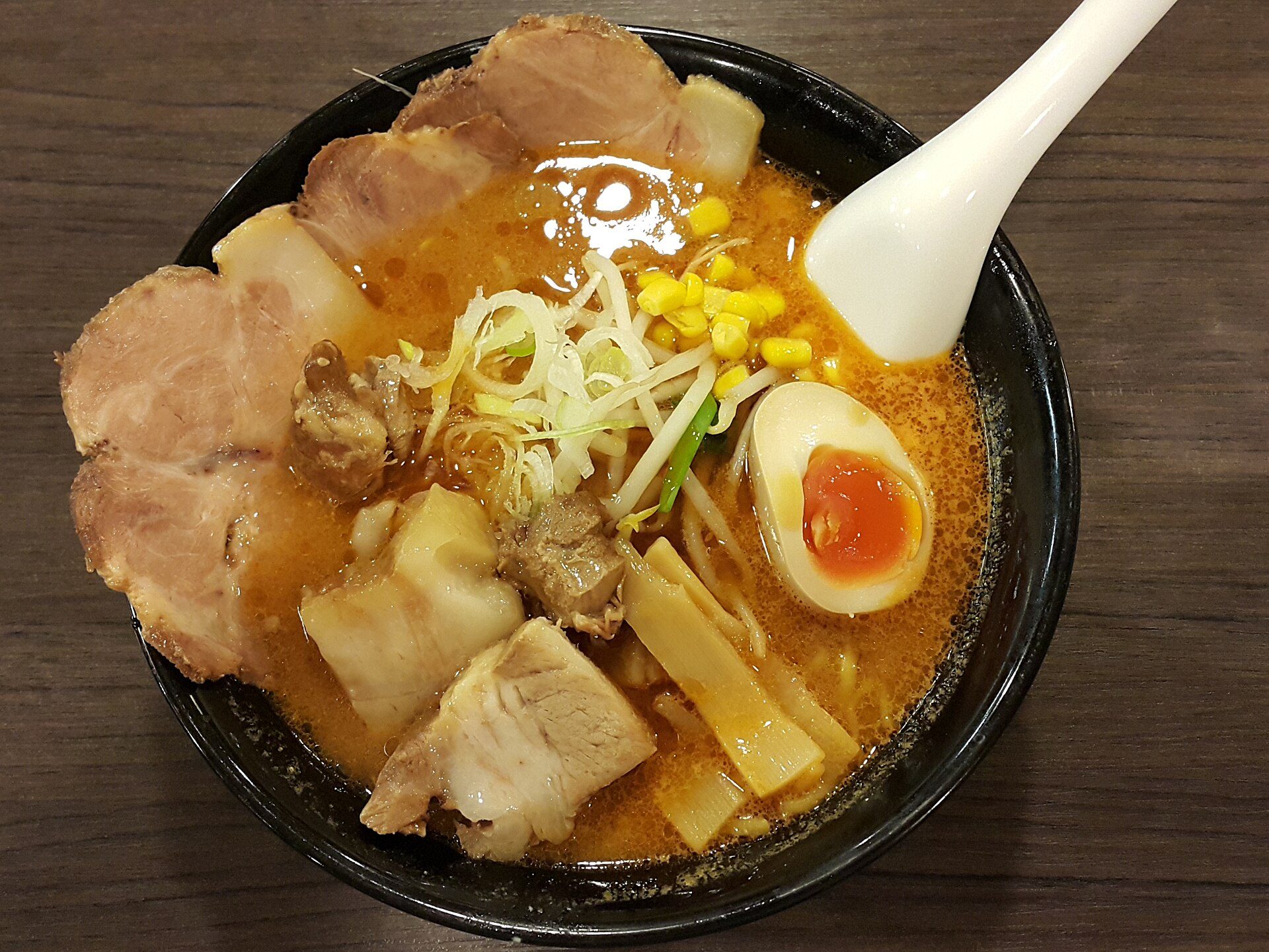
Take the cafe and izakaya concept at goma to, for instance. This is where Kadoya Seiyu turns sesame into a dining theme, not just a bottled ingredient. The summer menu includes rich sesame noodle dishes and frozen drinks, and both are being offered through September 30.
That combination makes sense for the season. Cold noodles are a natural fit for Japanese summer dining, and sesame works well because it adds body and depth without needing heavy cooking. Frozen drinks follow the same logic. They give the menu a cooling finish while keeping sesame at the centre of the flavour profile. By the way, this kind of menu planning is common in Japan, where hot-weather eating often means lighter textures, colder temperatures, and stronger seasoning in small amounts.
For learners, menu names are a good place to practise reading. Expect to see words for noodles, chilled dishes, dressings, and drinks, plus seasonal markers like natsu or hiyashi. If you can identify those components, even a new menu becomes much easier to navigate. That’s the practical side of food vocabulary, and it’s worth the effort.
Why this matters for Japan fans and language learners
Ever wondered why brand news like this is worth following? It shows how Japanese food culture moves in layers. A company like Kadoya Seiyu can sell a pantry staple, launch a new product such as ISOLETTA, and support a cafe menu at the same time. Each part reinforces the others.
That structure is useful for Japan fans because it reflects how food brands often operate in Japan. A product isn’t just a product. It can become a restaurant ingredient, a seasonal campaign, and a learning opportunity all at once. If you’re studying Japanese, keep an eye on these releases. They’re full of usable terms, and they show how language changes depending on whether you’re reading a package, a menu, or a press release. From my experience, that’s one of the most efficient ways to build real reading confidence.
Frequently Asked Questions
What is Kadoya Seiyu known for?
Kadoya Seiyu is known for sesame oil and sesame-based products in Japan.
What is ISOLETTA?
ISOLETTA is a new sesame oil product highlighted in the company's latest announcement.
How long is the goma to summer menu available?
The summer menu is available until September 30, according to the company release.