That setup’s useful if you want a concrete Fuji itinerary instead of a vague sightseeing plan. It combines the autumn foliage window, a clear starting point, and a trip format that fits Japan fans who want a simple one-day escape. Sounds good, right?

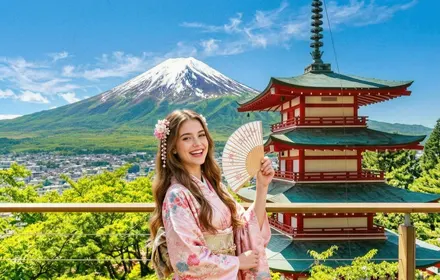
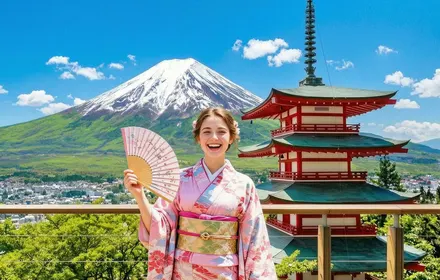
Lake Yamanaka is the key Fuji stop for autumn colours
Lake Yamanaka sits on the northern side of Mount Fuji, in the Fuji Five Lakes area, which Britannica describes as a chain of lakes formed by lava flows. For autumn leaf viewing, that matters a lot, because the lake gives you open water, mountain views, and plenty of maple scenery in one place. No wonder, because this is one of the easiest spots to pair with a full Mount Fuji day trip.

Unlike what we're used to in big-city sightseeing, the appeal here is the pace. You can build the day around photos, lakeside walking, and seasonal colours, instead of trying to cram in too many stops. My tip: if you want a route that feels relaxed but still very “Fuji”, Lake Yamanaka is a strong base. Classic Japan, isn't it?
Why this route works in the autumn foliage season
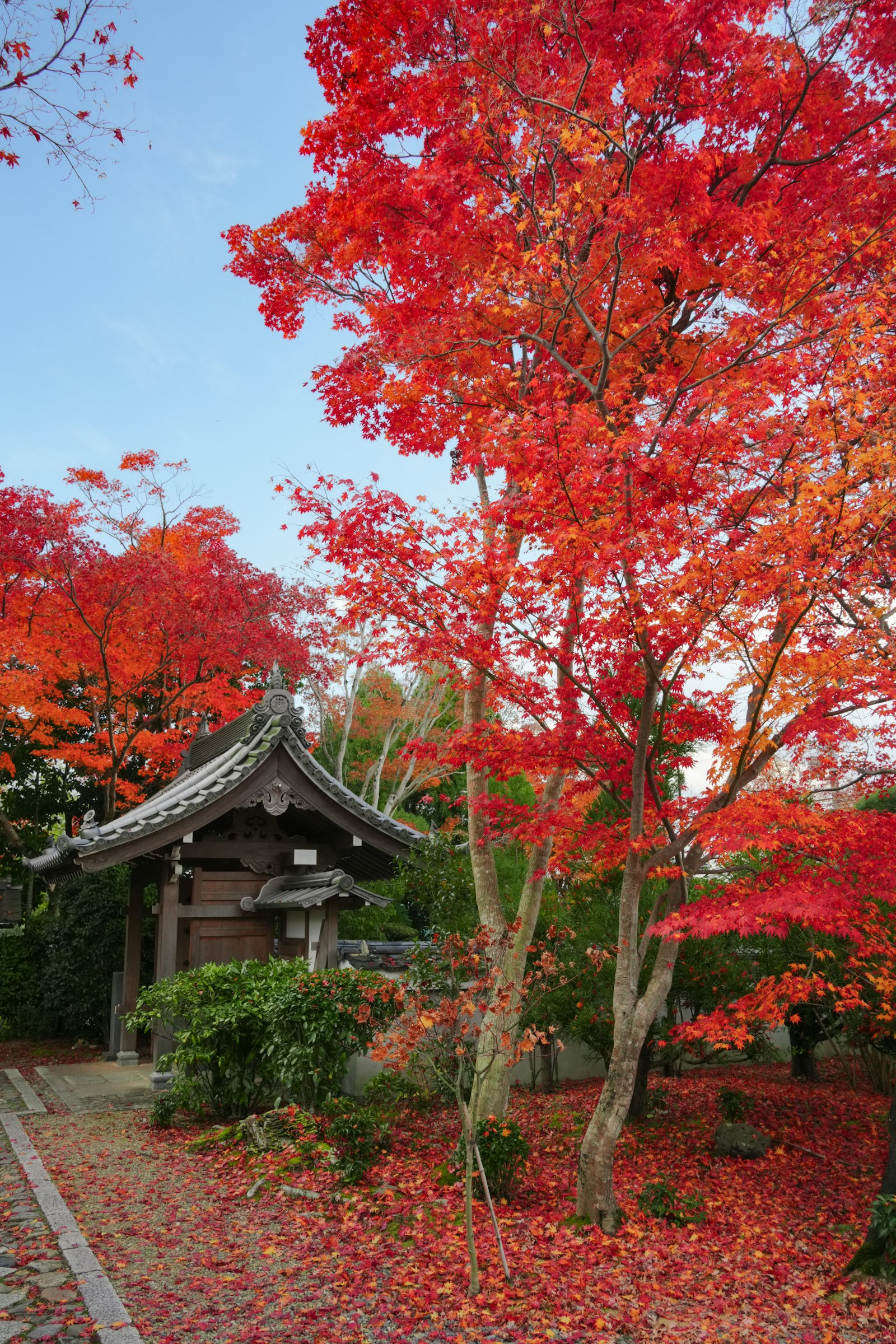
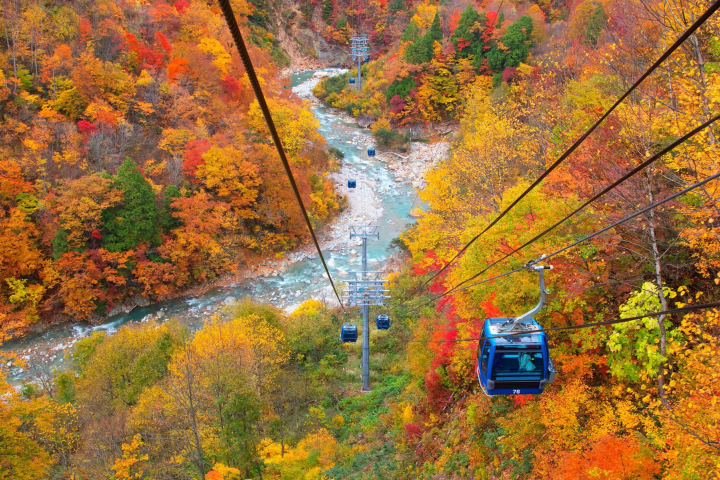
Here’s the thing: the autumn foliage season is the whole reason this trip format makes sense. Klook’s Mount Fuji full-day maple leaf Lake Yamanaka cruise is built around that seasonal window, so you’re not just getting a lake visit, you’re timing it for the 紅葉 (momiji, autumn leaves; maple leaves) period when the trees change colour.

That seasonal focus also helps Japanese learners notice useful travel vocabulary. Words like momiji for maple leaves, 紅葉 (koyo, autumn foliage; autumn colours) for autumn colours, and 日帰り (higaeri) for a day trip come up a lot in Japan travel writing. Take momiji, for instance. It’s one of those terms that’s simple, useful, and everywhere in autumn marketing, signs, and seasonal guides.
Before I forget: because this is a day-trip format, you don’t need to plan an overnight stay unless you want to slow things down. That makes it easier for Tokyo visitors, and also for people already based in Yamanashi who want a seasonal outing without a long transfer. Sounds good, right?
Departing from Tokyo or Yamanashi keeps it practical
Guess what? The departure point is one of the biggest reasons this kind of Fuji route is appealing. According to the Klook listing, the tour can be taken from Tokyo or Yamanashi, which means it works for both major city travellers and people already in the region.
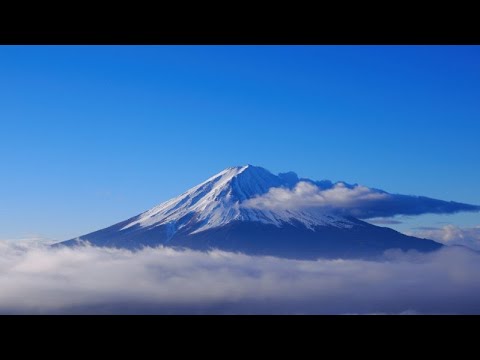


That flexibility matters more than it sounds. If you leave from Tokyo, you get an easy escape from the city without needing to build a complicated train-and-bus chain yourself. If you’re starting in Yamanashi, you skip part of the long haul and can focus on the scenery. To be fair, that’s exactly the sort of route design that makes a day trip feel realistic, not exhausting.
Seriously though, this is also where the Japan-learning angle sneaks in naturally. In route descriptions, you’ll often see words like 出発 (shuppatsu) for departure, 観光 (kanko) for sightseeing, and 自然 (shizen) for nature. They’re simple terms, but they show up constantly in travel pages, station notices, and seasonal guides. See what I mean?
Mount Fuji logistics and what to pair with the lake
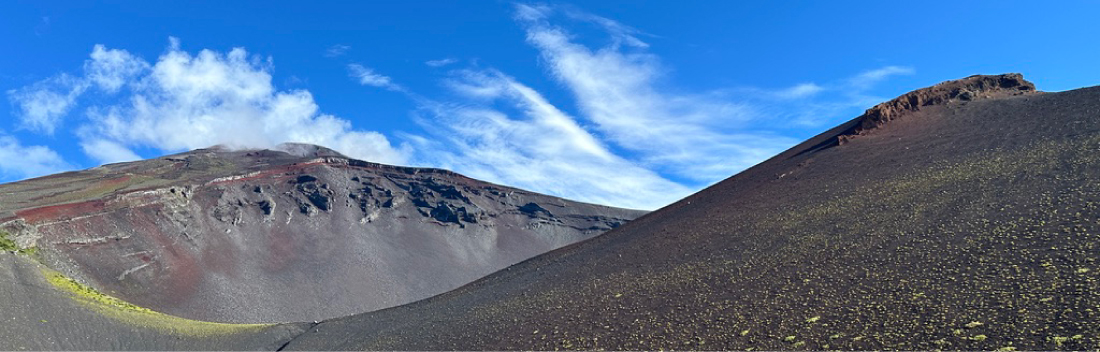
Mount Fuji itself has a very structured travel rhythm, especially in the climbing season. The official site for Mt. Fuji climbing says the Yoshida Trail and Subashiri Trail open from July 1, while the Fujinomiya Trail, Gotemba Trail, and the summit crater rim walk open from July 10. That’s climbing season, though, not autumn leaf season, and it’s useful context because it shows how differently Fuji travel changes across the year.
For an autumn day trip, you’re not going for the summit. You’re going for landscape, accessibility, and seasonal atmosphere. That’s why Lake Yamanaka works so well as a route anchor, and why the day-trip format is so practical for Japan fans who want a defined plan instead of building their own transport puzzle. No wonder, because the mountain is iconic, but the lake gives the trip its comfort and timing.
What I especially like is the balance: a famous mountain, a lake with wide views, and a route that does not demand a full multi-day itinerary. If you’ve been collecting Japan travel ideas and want one that is clear, seasonal, and easy to explain in a phrase, this is a neat one. Not bad, right?
In pictures

Frequently Asked Questions
Is Lake Yamanaka a good autumn day trip from Tokyo?
Yes. It works well as a day trip because the route is designed around a clear seasonal window and can start from Tokyo.
When is the best time to go?
The best time is during the autumn foliage season, when the maple leaves are changing colour.
Do you need to climb Mount Fuji for this trip?
No. This route focuses on the lake and seasonal scenery, not on reaching the summit.