
Deep in Okinawa’s southern reaches, the Yaeyama Islands offer a side of Japan that feels quietly self-contained, with coral waters, preserved traditions, and island communities that still move at their own pace. And if you’re learning Japanese, that pace is part of the lesson too, because the island names, local dishes, and cultural habits all open little doors into how language and place shape each other.
This isn’t the kind of destination that shouts for attention. It doesn’t need to. The charm is in the details, in the kind of places where you notice the ferry schedule, the smell of sea air, the way a street narrows near an old house, and the fact that people here still carry a strong sense of local identity. Classic Japan, isn’t it? But beyond that, the Yaeyamas are also a living reminder that Okinawa isn’t one single story; it’s a collection of islands with different histories, accents, foods, and rhythms.
What Makes the Yaeyama Islands Feel So Distinct
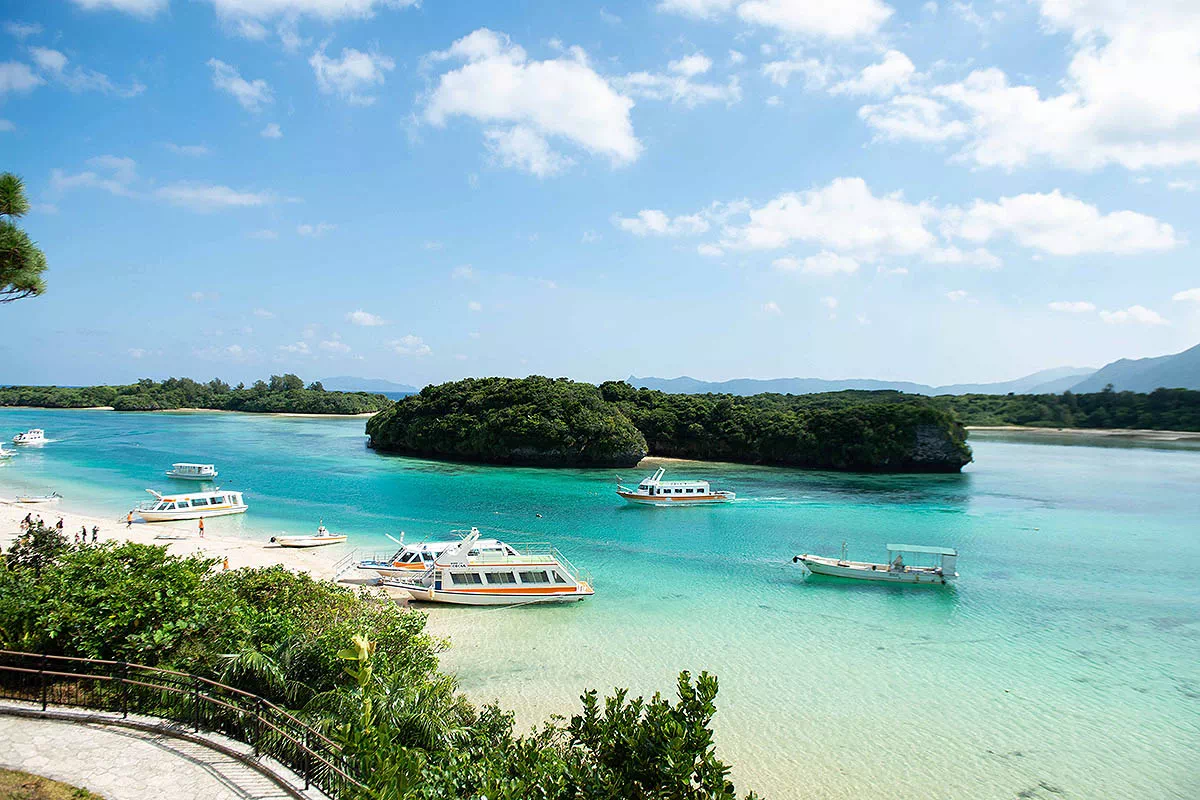
The Yaeyama chain sits at the far south-western edge of Japan, closer to Taiwan than to mainland Honshu. The main islands include Ishigaki, Iriomote, Taketomi, and Kohama, and each one gives you a slightly different version of island life. Ishigaki is the transport hub, Iriomote is famed for its mangrove forests and wild interior, Taketomi is known for its preserved village landscape, and Kohama is the kind of place people mention in a lower voice, as if keeping it a secret.
The reason is simple: these islands were shaped by distance. That distance helped preserve local customs, from architecture to song traditions, and even today you can feel how geography influences culture. Red tile roofs, stone walls made for wind, and houses with シーサー (shisa, guardian lion-dog) guardians on the roofline all speak to life in a subtropical climate where storms matter, shade matters, and community matters. For language learners, that’s a lovely reminder that words like shisa, yaeyama, and 民謡 (minyo, folk song) aren’t just vocabulary items, they’re keys to a whole way of living.
Oh, and almost forgot: the Yaeyamas also sit within Okinawa Prefecture’s wider Ryukyu heritage, so there’s a strong sense of continuity with older island culture. That means music, dance, festivals, and crafts don’t feel like performance pieces made for visitors alone, they’re part of daily identity. Personally, I think that’s what makes a place stick in your mind long after the ferry ride ends. But that’s not all.
Ishigaki, Taketomi, and the Art of Slowing Down
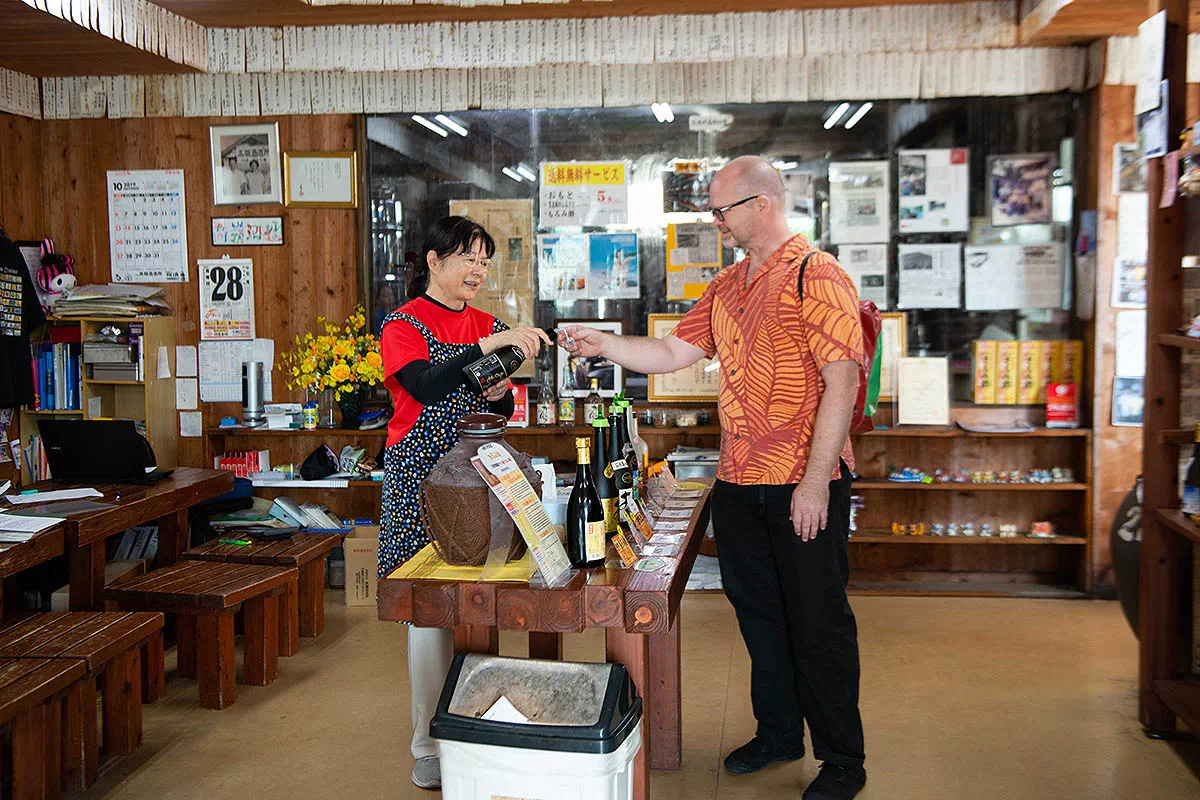
Know that feeling when a place becomes your base, but still has its own personality? Ishigaki does that well. It’s the largest city in the Yaeyamas, and while it has shops, restaurants, and busy port activity, it also serves as the gateway to the smaller islands. That mix makes it practical, but not bland, and the local market, waterfront, and surrounding coastline give it enough character to keep you looking up from your map.
Speaking of which, Taketomi is where many travellers start to understand why the Yaeyamas are often described as culturally preserved. The island’s village area is famous for its low traditional houses, coral sand lanes, and water buffalo carts, and the whole place is protected in a way that keeps modern intrusions in check. There’s a reason people talk about walking here instead of rushing. You don’t come for speed. You come to hear gravel underfoot, to notice the shapes of walls and wells, to see how a village can still hold its older logic. Highly recommended: spend time doing less.
And it gets better: the architecture isn’t just pretty, it tells a story about climate adaptation and local materials. The houses use what the islands give them, and the layout reflects a communal way of life that still feels legible if you pause long enough to look. For Japanese learners, this is a great place to notice everyday words in context, like 水 (mizu, water), 家 (ie, house), 村 (mura, village), and 道 (michi, road; path), simple terms that become much more vivid when they’re attached to real scenes. Convinced yet?



Iriomote, Coral Waters, and Island Nature Culture
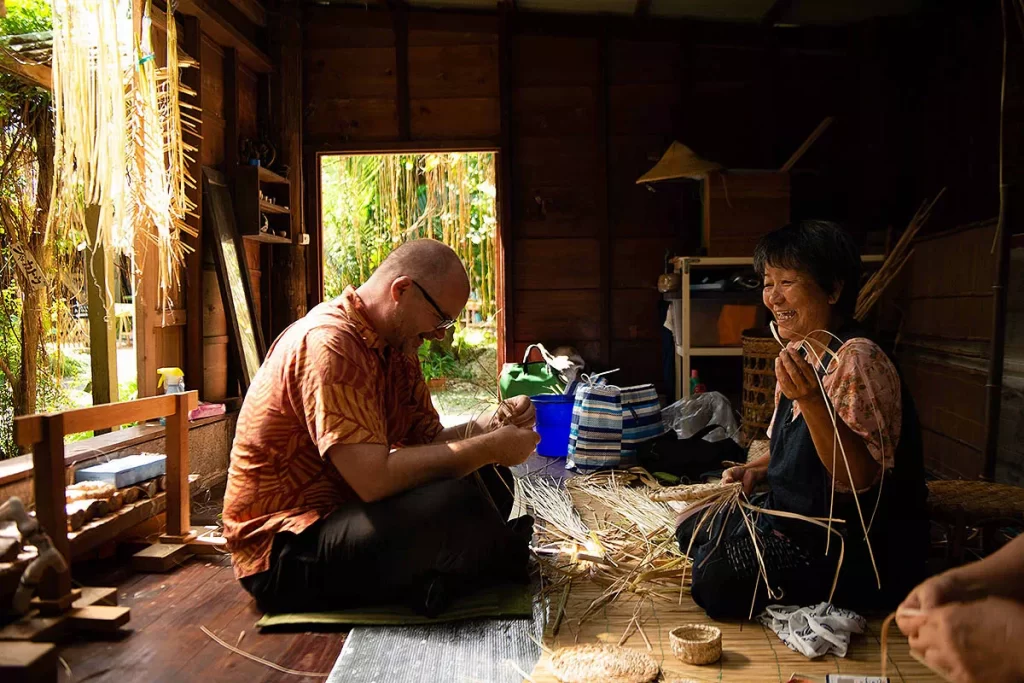
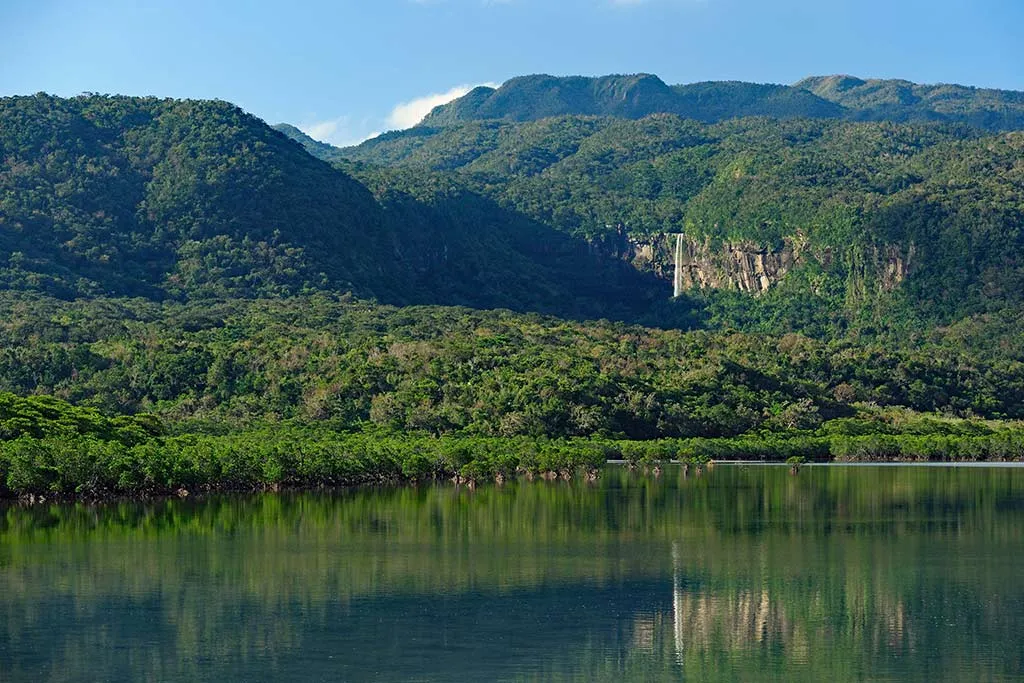
Did you know that Iriomote is mostly covered in subtropical forest, with mangrove rivers and a reputation for raw, untamed nature? This is the island people often think of when they hear about Okinawa’s wilder side. But what matters here isn’t only scenery, it’s the way nature shapes culture. Boats, fishing, local food, and a practical relationship with the environment all leave their mark, and that matters in a place where the sea is never just background.
Before I forget: Iriomote is also home to the Iriomote cat, a critically endangered wildcat found only there, which gives the island a rare ecological significance. That alone makes the island feel less like a leisure stop and more like a place where conservation and travel have to share the same space carefully. If you’re the sort of reader who likes hidden spots, this is the kind of island that asks you to be respectful before you’re impressed.
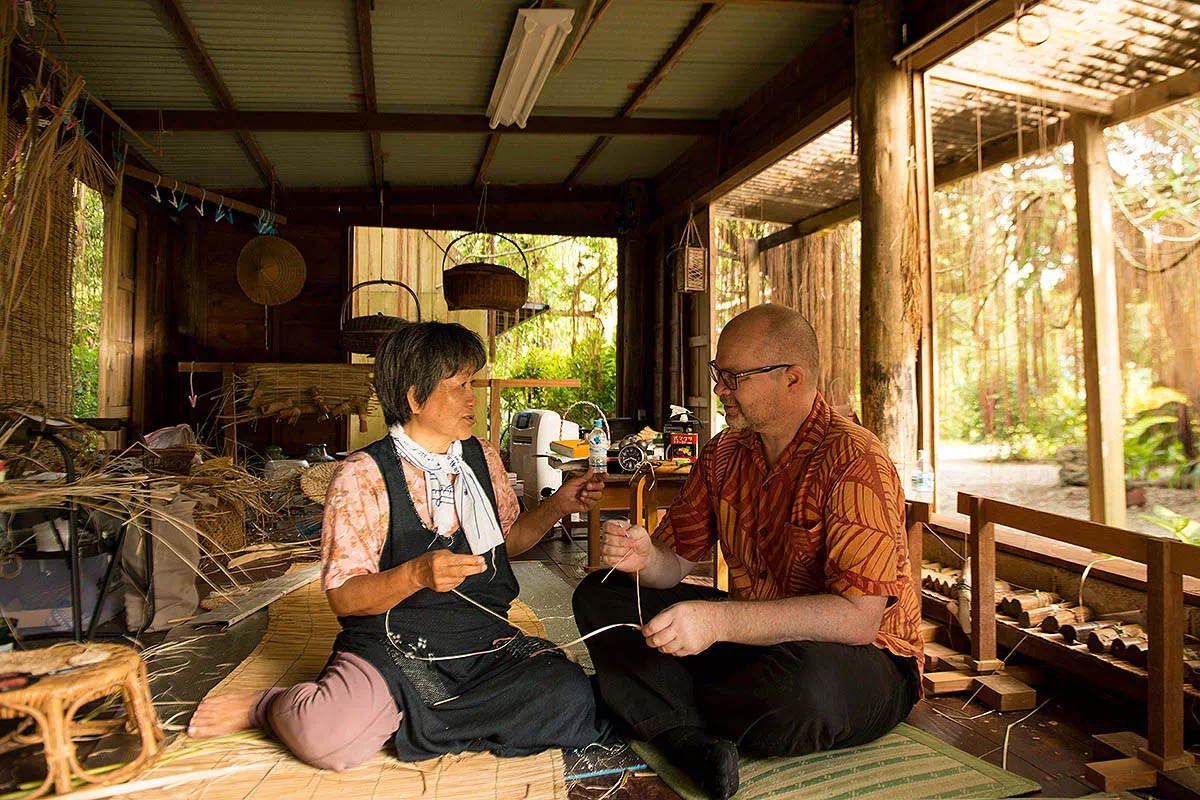
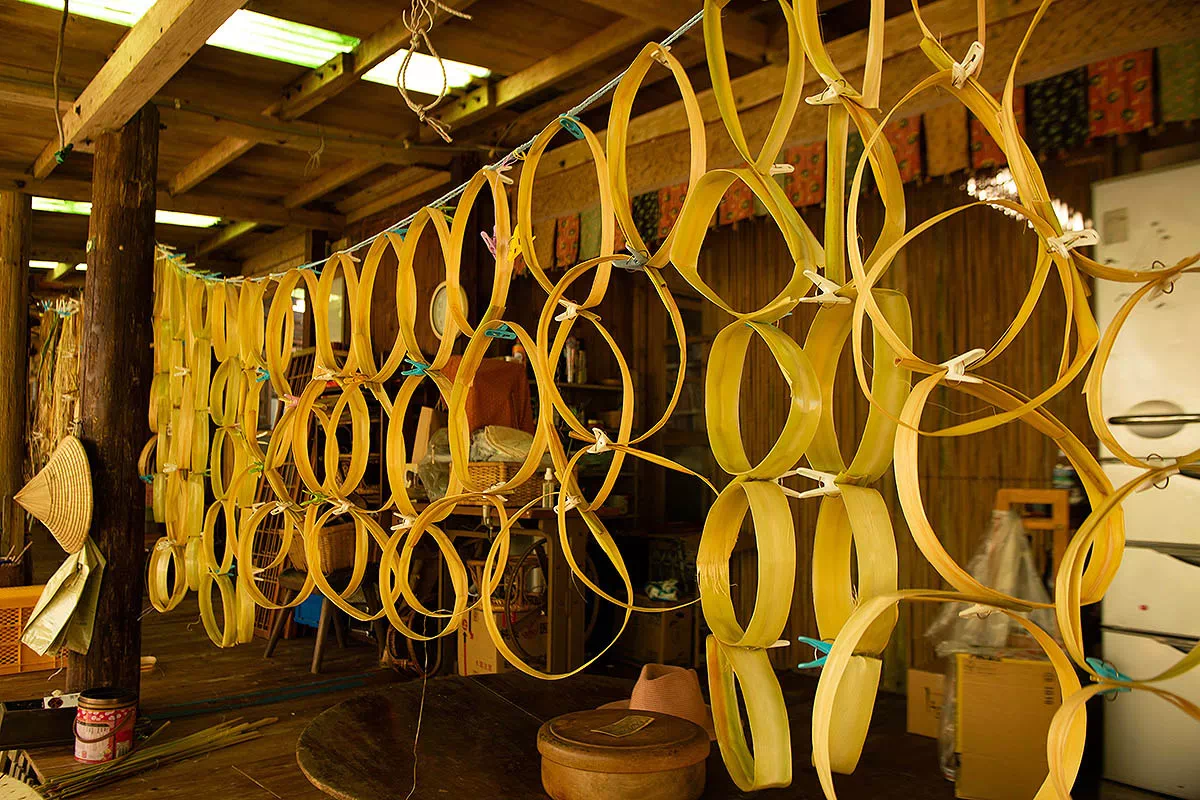
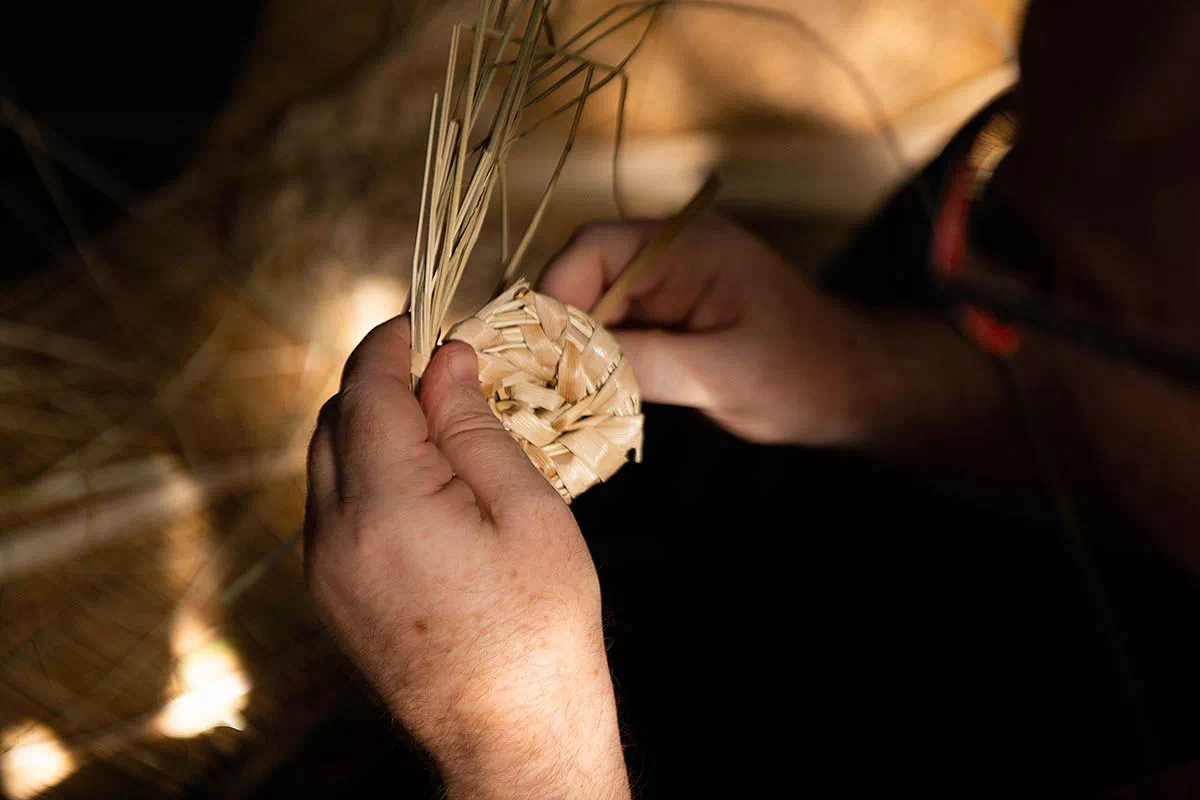
On the flip side, the Yaeyamas aren’t only about solitude and nature. They also have a rich craft and music culture, from 三線 (sanshin, three-string Okinawan instrument) melodies to textiles such as Yaeyama mura. Those traditions carry the islands’ memory in a very tangible way. My tip: if you see a local craft item or hear live island music, give yourself time to sit with it instead of treating it as a quick photo stop. The slower you go, the more the place gives back. It certainly does!
Why the Yaeyamas Matter for Japan Fans and Learners
For anyone studying Japanese, the Yaeyama Islands are a great reminder that Japan isn’t culturally flat. Dialect, food names, island geography, and traditional arts all sit alongside standard Japanese, and that contrast is incredibly useful when you’re trying to understand how language lives inside a region. Even a simple trip vocabulary list can become more interesting here, because ferry, port, village, market, and shrine all show up in settings that feel very specific.
And there’s another layer. The Yaeyamas reward the kind of travel that Japan fans often talk about but don’t always get around to doing, the slower, less polished version. Ask a few questions, notice the old houses, try the local rhythm, and let the islands set the tempo. That’s where the cultural texture really starts to come through, and it’s a lot more memorable than checking off a big-name sight and moving on. Simply brilliant.
If you’re building your own Japan list, keep the Yaeyama Islands somewhere near the part where the curious, hidden, off the beaten path places live. Not because they’re mysterious for the sake of it, but because they still ask you to pay attention. And that’s usually where the best travel stories begin… You’ll eventually find your own place in Japan.
In pictures
Frequently Asked Questions
Where are the Yaeyama Islands?
They are in the far south-west of Okinawa Prefecture, with Ishigaki as the main transport hub.
Which Yaeyama island is best for culture?
Taketomi is especially known for its preserved village scenery, while Ishigaki gives you easier access to local food and daily life.
Why are the Yaeyamas interesting for Japanese learners?
They show how regional history, island life, and local traditions shape everyday language and culture.


