
For Japanese learners, this is also a neat way to pick up real travel vocabulary, from 課長 (kachou, section chief) to 動物園 (doubutsu-en, zoo), while following a very Tokyo day out. It’s simple, seasonal, and oddly memorable, which is exactly what makes it worth a look.



Guess what? Tokyo’s oldest zoo is getting a fresh summer spotlight, and the star of the show is the shoebill. Ueno Zoo, which opened in 1882, sits right in Ueno Park, so this isn’t just a wildlife stop, it’s an easy travel add-on for anyone already heading to museums, temples, or a stroll through one of Tokyo’s best-known green spaces. No exaggeration: it’s one of those classic city-day combinations that just works.

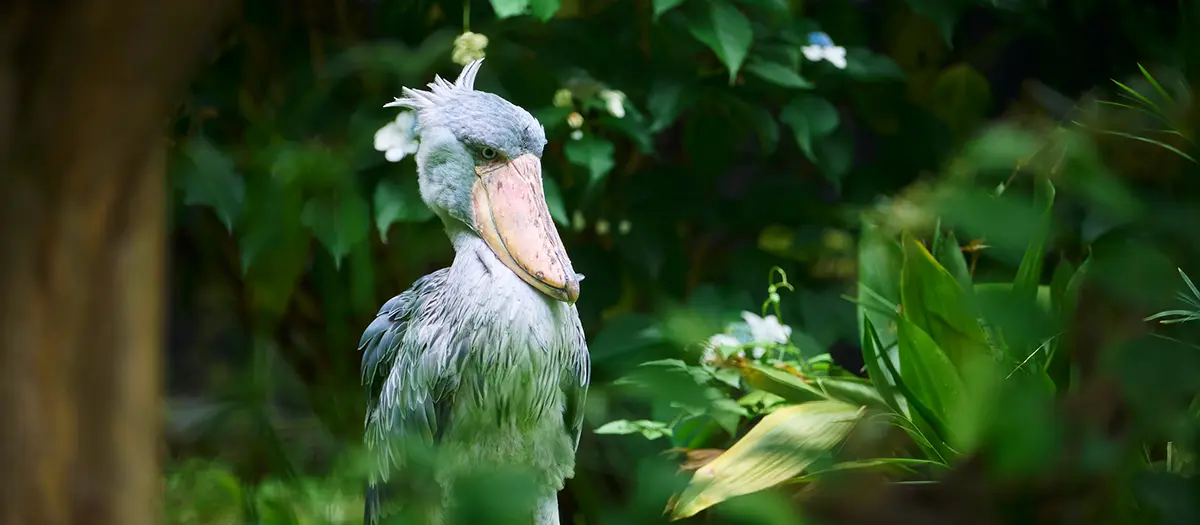
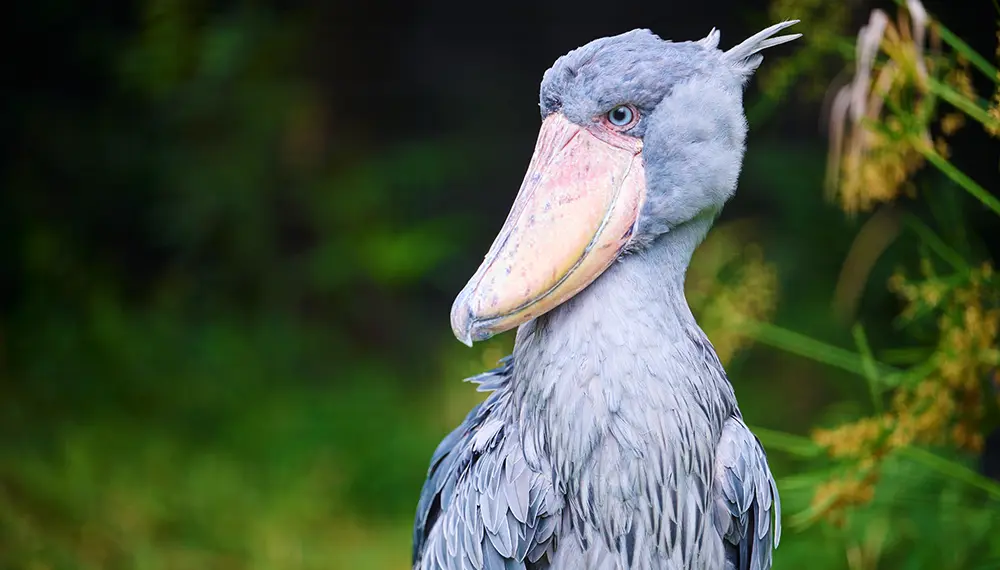
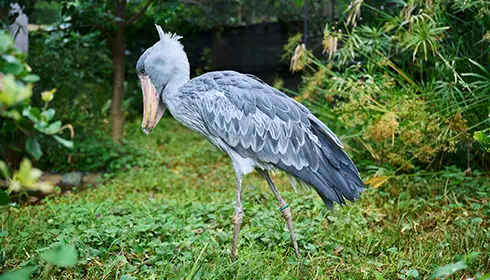
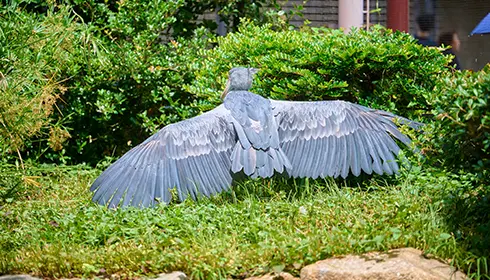
According to the Tokyo updates page from Go Tokyo, the zoo is tying the shoebill to a seasonal visit idea for summer. That matters because the bird itself has become a bit of a cult favourite among Japan visitors. It looks prehistoric, moves slowly, and has that massive bill that makes people do a double take. If you’re studying Japanese, this is also a nice vocabulary moment, since shoebill is named くちばし (kuchibashi, beak) no 大きな (ookina, big; large) 鳥 (tori, bird) in plain description, while zoo-related words like doubutsu-en and bird-related tori come up all the time in travel guides and signs.
While we're at it, Ueno Zoo isn’t a side attraction with a small footprint. It’s the oldest zoo in Japan and one of the most visited in Tokyo, with a long history that dates back to the Meiji era. That gives the place a very different feel from newer animal parks, because you’re not just looking at animals, you’re also walking through a piece of Tokyo history. My tip: pair the zoo with a slow walk through Ueno Park, then continue to Ameyoko if you want food, snacks, and a busy city contrast. Pretty brilliant.
Shoebills, summer, and why Ueno Zoo keeps drawing attention
Here's the thing: the shoebill is popular for the same reason it’s hard to forget. It’s rare, dramatic, and slightly awkward in the best possible way. People come for the photo, but they stay because the bird feels different from the usual zoo lineup, and that makes it a strong fit for a travel feature that wants more than a standard animal mention.
To be fair, the Tokyo update doesn’t need a giant explanation to be useful. The main point is that Ueno Zoo is turning a visit into a seasonal experience, and that’s exactly the sort of detail Japan travellers like to plan around. If you’re in Tokyo during summer, an indoor or shaded stop matters, and a zoo visit can be easier to slot in than a full-day theme park outing. See what I mean?
For Japan fans, the cultural angle is part of the appeal too. Ueno has long been a district associated with museums, public parks, and accessible city sightseeing, so an animal focus here feels very Tokyo. The area has also been a favourite for generations of domestic visitors, which gives it that mix of local routine and visitor-friendly convenience that many people look for when building an itinerary.



What Japanese learners can pick up from a Ueno Zoo visit
Before I forget, a zoo is surprisingly good language practice. You’ll see signs and brochures that help reinforce everyday Japanese around animals, directions, and behaviour. Words like 家 (ie, house) for house, 窓 (mado, window) for window, or more likely in this context kagi for lock, 入口 (iriguchi, entrance) for entrance, and deguchi for exit show up constantly in travel settings, even if the animals are the headline.
Here's the kicker: the shoebill itself is a conversation starter. If you’re learning Japanese, being able to name what you’re looking at, even in simple romaji notes, makes the experience stick. You don’t need a textbook approach, just a few useful labels and a bit of curiosity. That’s often enough to turn a casual outing into real language memory.
And it gets better: Ueno is one of those places where you can combine animal watching with broader city reading practice. Station signs, park maps, shop fronts, and food stalls all give you quick exposure to everyday Japanese. That kind of low-pressure learning is what I especially like about travel in Tokyo, because the language never feels sealed off from the place itself.
A practical Tokyo stop for fans of animals and city walks
Here's the thing: this is not a grand, once-in-a-lifetime expedition. It’s a practical Tokyo stop, and that’s exactly why it works. If you’re already in Ueno for museums or shopping, adding the zoo is easy. If you’re chasing Japan news that can actually shape a day out, this is the kind of update that earns its place.
For travellers, the appeal is straightforward. Ueno Zoo is central, familiar, and tied to one of Tokyo’s most popular neighbourhoods. For Japan learners, it adds useful language in context, which always beats memorising a list with no scenery attached. My verdict: if you love animals, city walks, and a bit of Japanese practice on the side, the shoebill summer angle is an easy yes.
In pictures


Frequently Asked Questions
What is special about Ueno Zoo?
It is the oldest zoo in Japan and one of Tokyo’s best-known sightseeing spots.
Why are shoebills so popular with visitors?
They look unusual, move in a very memorable way, and stand out from more familiar zoo animals.
Is Ueno Zoo easy to combine with other Tokyo plans?
Yes, it sits in Ueno Park, so you can pair it with museums, shopping, and food stops nearby.


