
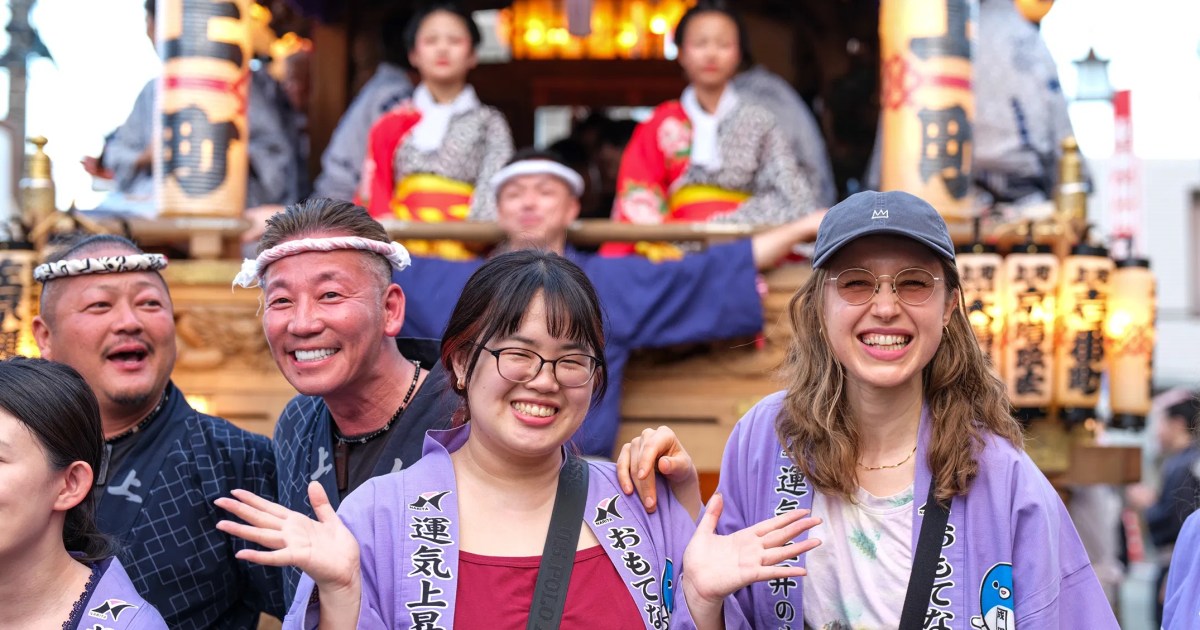
For Japan fans, that’s a pretty tempting combo. A layover can turn into a small culture trip, and in one case, a 300-year-old festival will reportedly be open to filming for the first time, which is the kind of detail that makes a transit story feel a lot bigger than a transit story. Sounds good, right?
Know that feeling when a layover suddenly looks far more interesting than the flight itself? The Narita Transit Program is back after six years, and this time the pitch is stronger than just a free bus ride or a quick city detour. The Narita Airport Transit & Stay Program is set to offer free tours again, and the big hook is that some visitors may be able to connect their stopover with a proper slice of Japanese festival culture. Not bad, right?
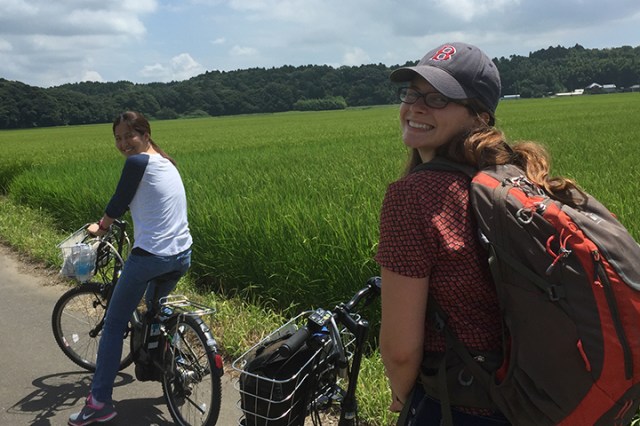
Here’s the thing: Narita Airport has always had an advantage that many hubs don’t, because it sits close enough to Tokyo and rural Chiba to make short excursions realistic. For travellers on long international connections, that can mean a glimpse of temple streets, farm towns, or seasonal events without needing to plan a full separate trip. For Japan learners, that also means practical exposure to words you’ll actually hear on the ground, like 観光 (kankou) for sightseeing, 祭り (matsuri) for festival, and 体験 (taiken, experience; hands-on experience) for hands-on experience. See what I mean?
Narita Transit Program returns with free sightseeing tours
No joke: the Narita Airport Transit & Stay Program is returning after a six-year break. According to the report from SoraNews24, the revived programme will once again give transit passengers access to free sightseeing tours rather than leaving them stuck in the airport between flights.
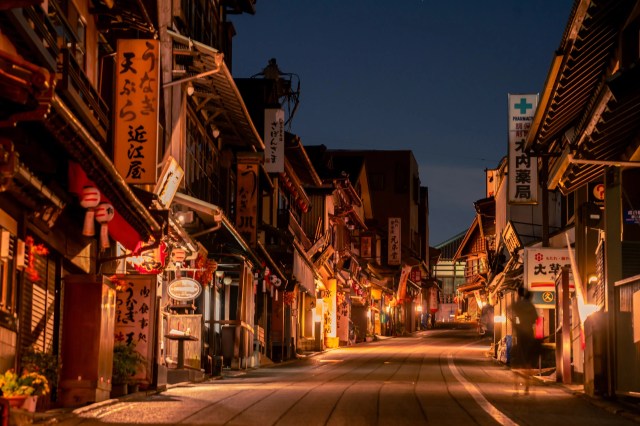
That matters because Narita is one of the main gateways into Japan, and stopovers there are common for long-haul travellers from Europe, North America, and elsewhere in Asia. A good transit programme can turn dead time into a small Japan trip, and that’s a clever move from a visitor experience point of view. For Japan fans, it’s also a reminder that not every memorable trip starts with a hotel check-in. Take Narita, for instance. A few hours can be enough for a temple visit, a local meal, or a walk through a town that feels completely different from central Tokyo.
My tip: if you’re learning Japanese, think of this kind of layover as a vocabulary lab. Airport announcements, tour guides, and local signs all tend to repeat the same useful words, so even a short outing can sharpen listening skills faster than a textbook page. Seriously though, when you already know words like 駅 (eki, station), バス (basu, bus), and mae, you stop feeling quite so lost.
A rare festival experience is the real headline
Let me show you why the festival angle is the part people will remember. The programme is also being paired with festival access, and the report says a 300-year-old festival will be open to filming for the first time. That is a very big deal in Japan, where many local rituals and community events are protected by custom, privacy, or simple local preference.
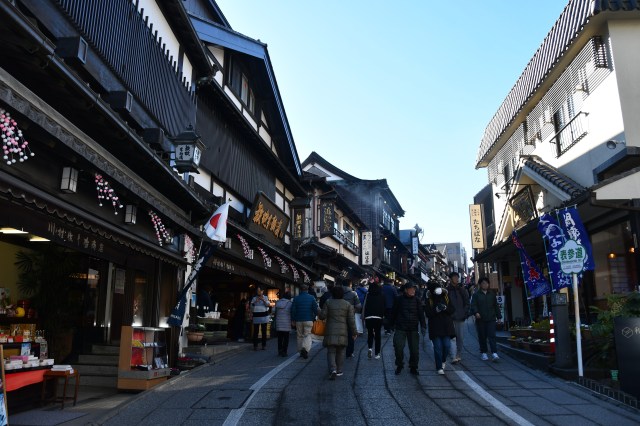



To be fair, Japan has plenty of famous matsuri that tourists can observe, but filming permission is another matter. Some communities prefer quiet participation over media attention, especially when rituals are tied to shrine traditions, neighbourhood identity, or annual responsibilities that have been passed down for generations. So when a festival that old becomes filmable for the first time, it’s not just content for social media, it’s a sign that organisers are willing to share a little more of a living tradition with visitors.
Compared to back home, where many local events are built around spectatorship first, Japanese festivals often feel more community-led. The people carrying the 神輿 (mikoshi, portable shrine), preparing the route, or handling the ceremony are part of the event, not just performers. That’s what makes access like this feel special, and why a short transit stop could end up giving travellers a memory that lasts longer than a boarding pass. Convinced yet?
Why this is smart travel news for Japan fans
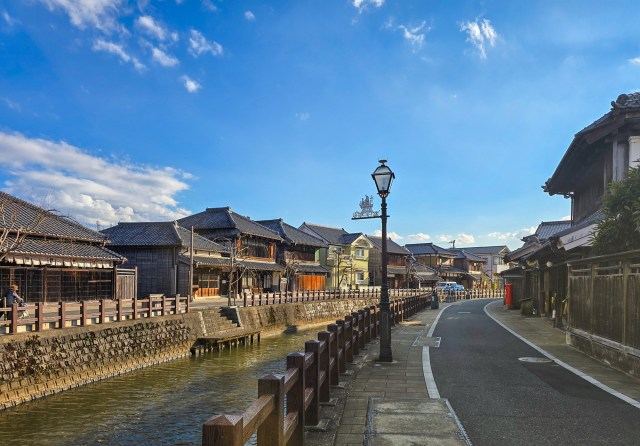
What I especially like is that this story sits right at the intersection of convenience and culture. Free tours make the programme easy to use, but the festival angle gives it real character. Instead of another generic airport transfer offer, Narita is leaning into what Japan does best: local experience, seasonal atmosphere, and a sense that even a brief visit can feel properly rooted in place.
For Japanese language learners, there’s also a nice side benefit. Terms like お祭り (omatsuri, festival), 神社 (jinja, shrine), and shashin are all useful in real travel situations, and this kind of programme makes them easier to connect to an actual place and event. If you’re the sort of traveller who likes to build a trip around culture first and transport second, this is exactly the kind of news that should make you sit up. Sounds weird, but it’s true.
It’s also a useful reminder to check what your airport transit window can actually do for you. Some airports are just waiting rooms. Others, like Narita in this case, can become a gateway to a proper local experience. My tip: keep an eye on the programme details before you fly, because the best stopover plans often go fast when they’re free.
In pictures

Frequently Asked Questions
What is the Narita Transit Program?
It is a transit and stopover programme that gives travellers access to free sightseeing tours during a layover at Narita Airport.
Why is the festival part special?
The report says a 300-year-old festival will be open to filming for the first time, which makes it unusually rare for visitors and cameras.
Is this useful for Japan travellers and learners?
Yes. It combines airport convenience with cultural exposure, and it can help learners pick up useful travel vocabulary in a real setting.


