
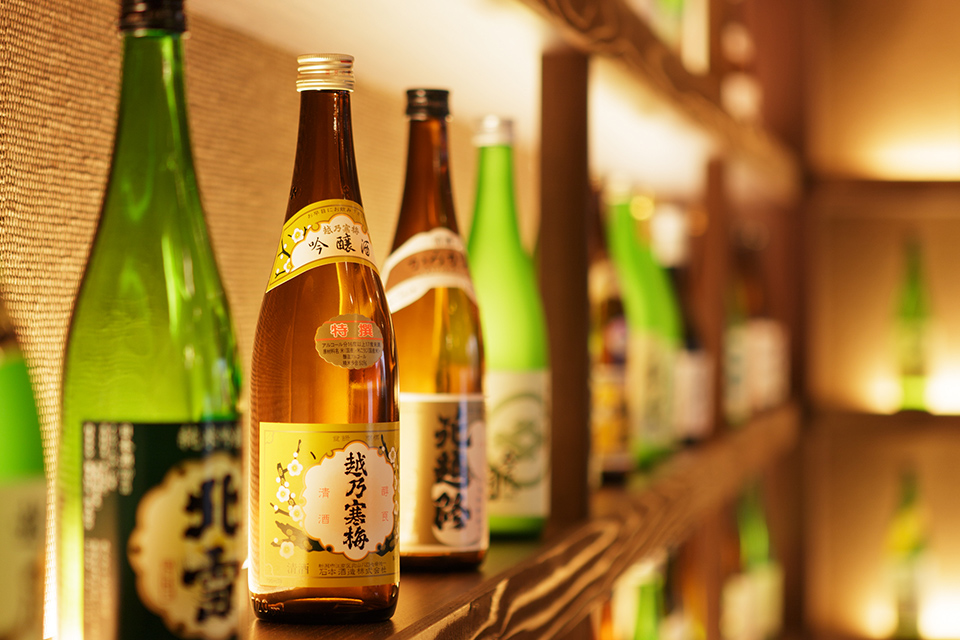
For Japan fans and language learners, this is also a neat little reminder that a place name can open up a bigger story, from 蔵 (kura, brewery; storehouse) and 純米 (junmai, pure-rice sake) to the local pride that keeps smaller brewing regions alive. Wild, isn’t it?
Tsukioka Onsen is the kind of place that rewards a slower pace. You come for the baths, sure, but once you start looking around, the village has a way of pulling you towards the details, the side streets, the small shops, the local specialities, and now, apparently, a very good reason for sake fans to pay attention too.
The latest draw is all about Niigata sake breweries, gathered in one onsen town so visitors can compare styles without zigzagging across the prefecture. That matters because Niigata is one of Japan's best-known sake regions, with a long reputation for clean, crisp, food-friendly brews. If you’re learning Japanese, this is a nice moment to notice words like sake, kura, junmai, and 吟醸 (ginjo, ginjo-style sake) in their proper habitat, not just in a textbook glossary. See what I mean?
Tsukioka Onsen and the pleasure of a slower detour
Unlike what we’re used to in big-city sightseeing, Tsukioka Onsen doesn’t ask you to rush. It gives you time to wander between bathhouses, snack spots, and quiet corners, which is exactly why a sake stop works so well here. The atmosphere invites the kind of travel Japan does best, the sort built on asking questions, trying small things, and letting one discovery lead to the next.
That pairing also fits the onsen culture itself. Hot-spring towns have long been places where people arrive, relax, eat well, and enjoy local products with less pressure than in a city bar or a formal tasting room. So when premium local sake shows up in Tsukioka Onsen, it doesn’t feel bolted on. It feels like part of the village's rhythm. Classic Japan, isn’t it?
Niigata sake breweries in one place
Here's the thing: Niigata is not a small sake conversation. The prefecture is home to many breweries, and its reputation rests on range as much as quality. Some bottles lean light and sharp, some are softer and rounder, and some are meant to pair beautifully with the region's seafood and mountain vegetables. That variety is exactly what makes a multi-brewery showcase appealing.
For a visitor, having sake from across Niigata in one onsen town means less guesswork and more comparison. You can learn how different kura express the same region in different ways, which is especially useful for learners building vocabulary around taste. Words like 辛口 (karakuchi, dry (taste)), 甘口 (ama-kuchi, sweet (taste)), and 濃い (koi, rich; full-bodied) are easy enough to memorise, but they become much easier to remember when you can connect them to a real bottle and a real setting. That's why this kind of experience sticks.



Premium local sake, regional pride, and what to look for
Quick detour: premium local sake is not just about price. In Japan, the label often tells you a lot about rice polishing, brewing method, and the brewery's style, so even a casual stop can turn into a tiny study session if you want it to. A place like Tsukioka Onsen is well suited to that, because the setting encourages you to slow down and actually read.
What I especially like is how regional sake culture can make a trip feel more grounded. Niigata is famous for snow, rice, and clear water, and those ingredients all feed into its sake identity. When a hot-spring town brings together bottles from different breweries, it gives travellers a compact way to taste that identity in a single afternoon. Not bad, right?
Oh, almost forgot: this is also the kind of stop where language learners can build a very practical mini-vocabulary. Kura means brewery, junmai refers to sake brewed without added distilled alcohol, and 山廃 (yamahai, yamahai brewing method) or ginjo might appear on labels depending on style. You don’t need to become a sake expert before going, of course. But the more of these words you recognise, the more the whole scene opens up. Personally...
A hidden gem for fans of onsen-plus-sake travel
To be fair, Tsukioka Onsen is not trying to be a flashy urban entertainment zone. That is part of the appeal. It works as a hidden gem because it connects two very Japanese pleasures, a good bath and a good drink, while keeping the scale intimate and local.
And for Japan enthusiasts, that combination is especially rewarding. You get a real sense of place, not just a photo stop. You get the regional logic behind the experience, where Niigata's brewing culture and Tsukioka's onsen atmosphere support each other instead of competing for attention. If you like travelling with curiosity rather than a checklist, this is exactly the sort of lesser-known stop worth keeping in mind. You'll eventually find your own place in Japan, and sometimes it starts with something as simple as a bath town and a bottle.
Frequently Asked Questions
What makes Tsukioka Onsen interesting for sake fans?
It brings together sake from across Niigata in one onsen town, making comparison and discovery much easier.
Is Niigata known for sake?
Yes. Niigata has a strong reputation for clean, food-friendly sake and a large number of breweries.
Can Japanese learners get something out of this visit?
Absolutely. It is a good place to learn practical words like kura, junmai, and ginjo in a real travel setting.


