Overview
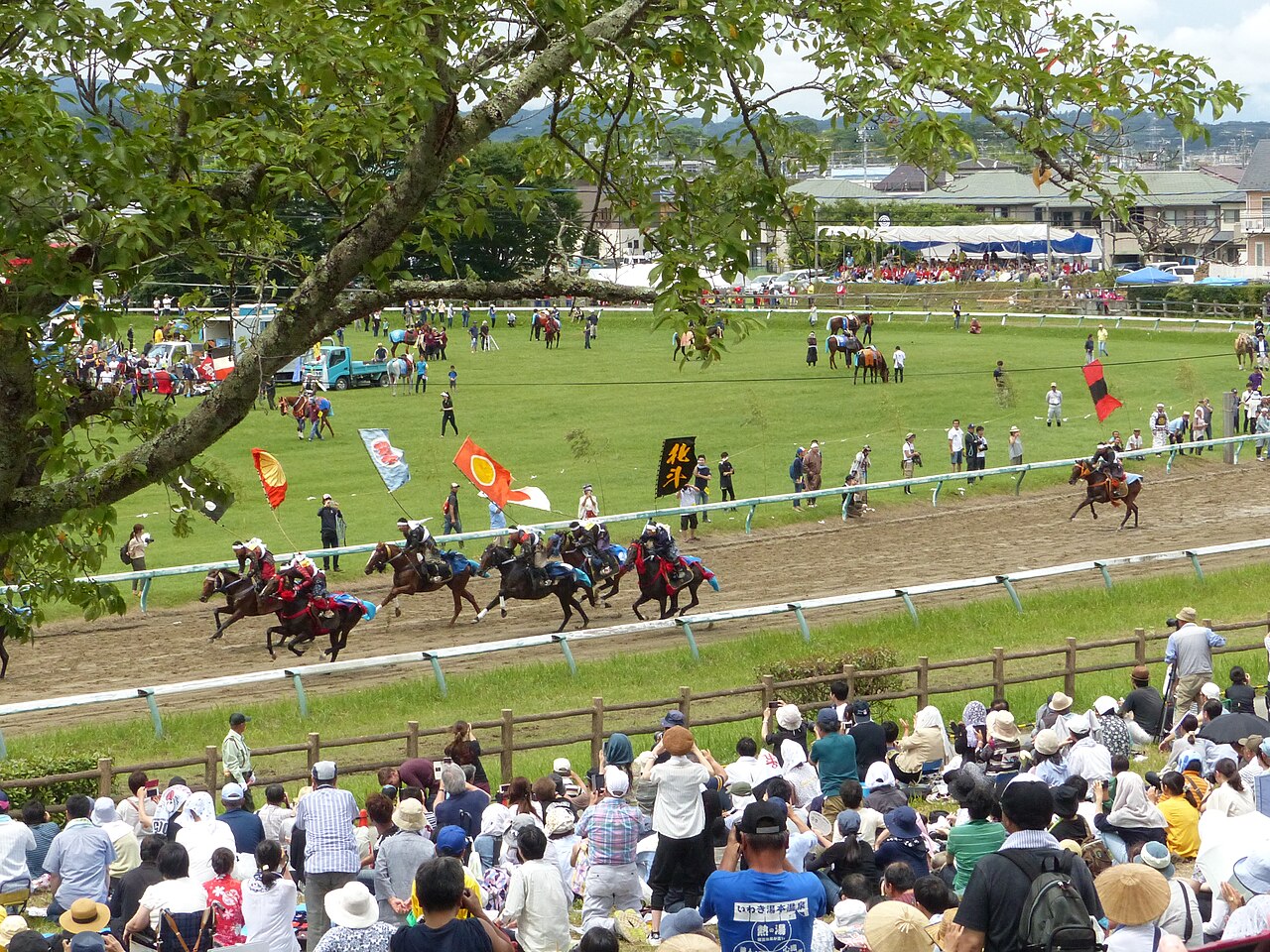
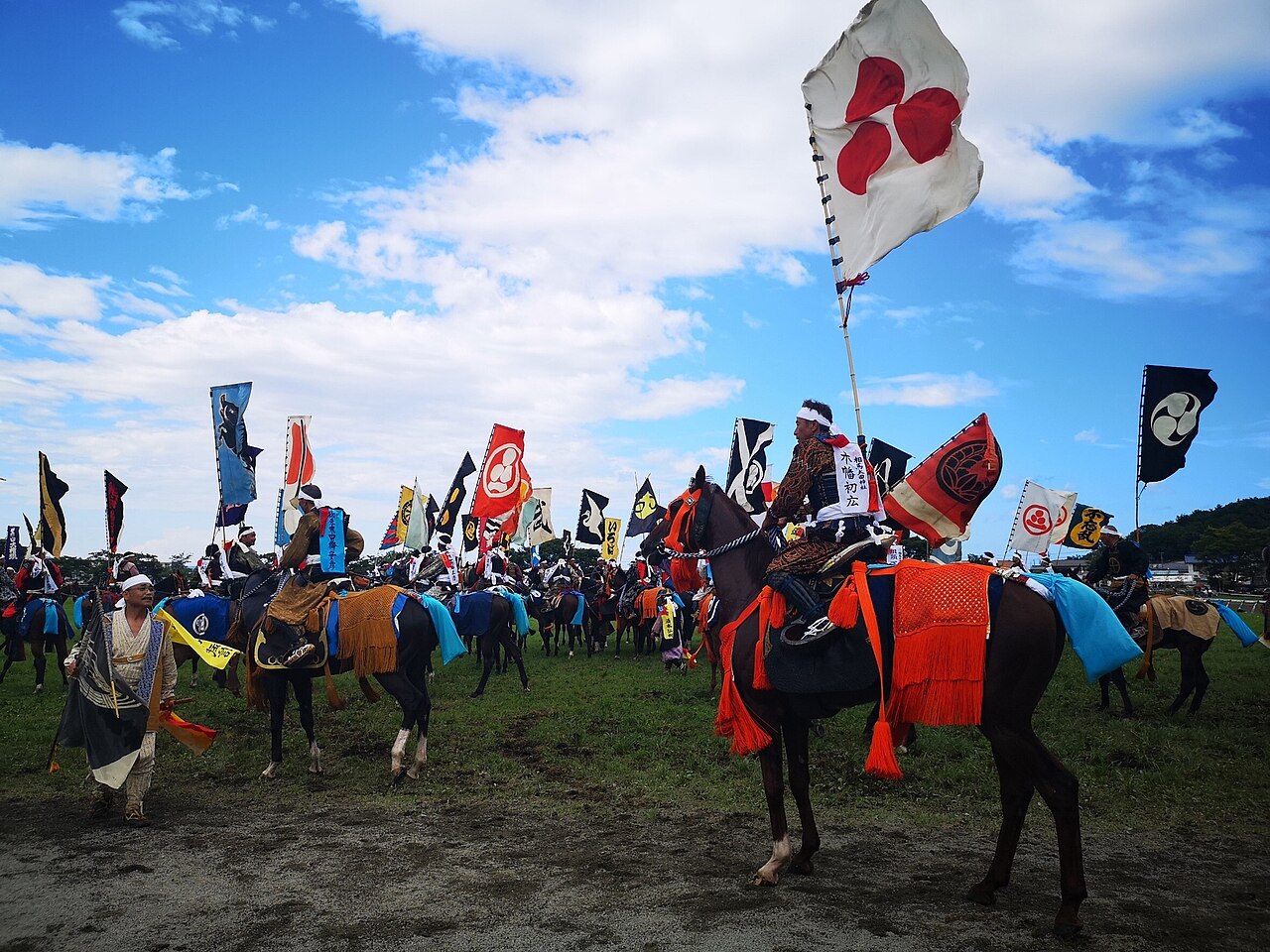
If you have ever wondered what it might feel like to watch a 侍 (samurai, samurai, warrior)-era cavalry charge unfold in real time, Soma 野馬追 (Nomaoi, chasing wild horses (festival name element)) is where you find the answer. This is not a costume parade or a staged reenactment built for photographs. It is a living festival, held every year in the Soma area of Fukushima Prefecture, in which hundreds of riders in full armor gallop across open fields much as their ancestors did centuries ago. I have stood at the edge of that field more than once, and no amount of reading about it prepares you for the noise, the dust, and the sheer physical scale of it. There is something about Soma Nomaoi that stops you, no matter how many times you have seen it before.
A Festival Born on the Battlefield
The roots of Soma Nomaoi trace back to a military tradition from the samurai era, when mounted warriors trained by chasing down wild horses and staging mock battles to keep their skills sharp. That practical, martial origin is exactly why the festival still feels so unlike anything else on the summer calendar. It was never designed as entertainment first. It grew out of necessity, discipline, and regional pride, and those qualities are still visible in how seriously the participating families take their roles today. Riders inherit their place in the festival much the way a family business gets passed down, generation after generation, which gives the whole event a weight that a purely commercial spectacle could never manage.
What You'll Actually See
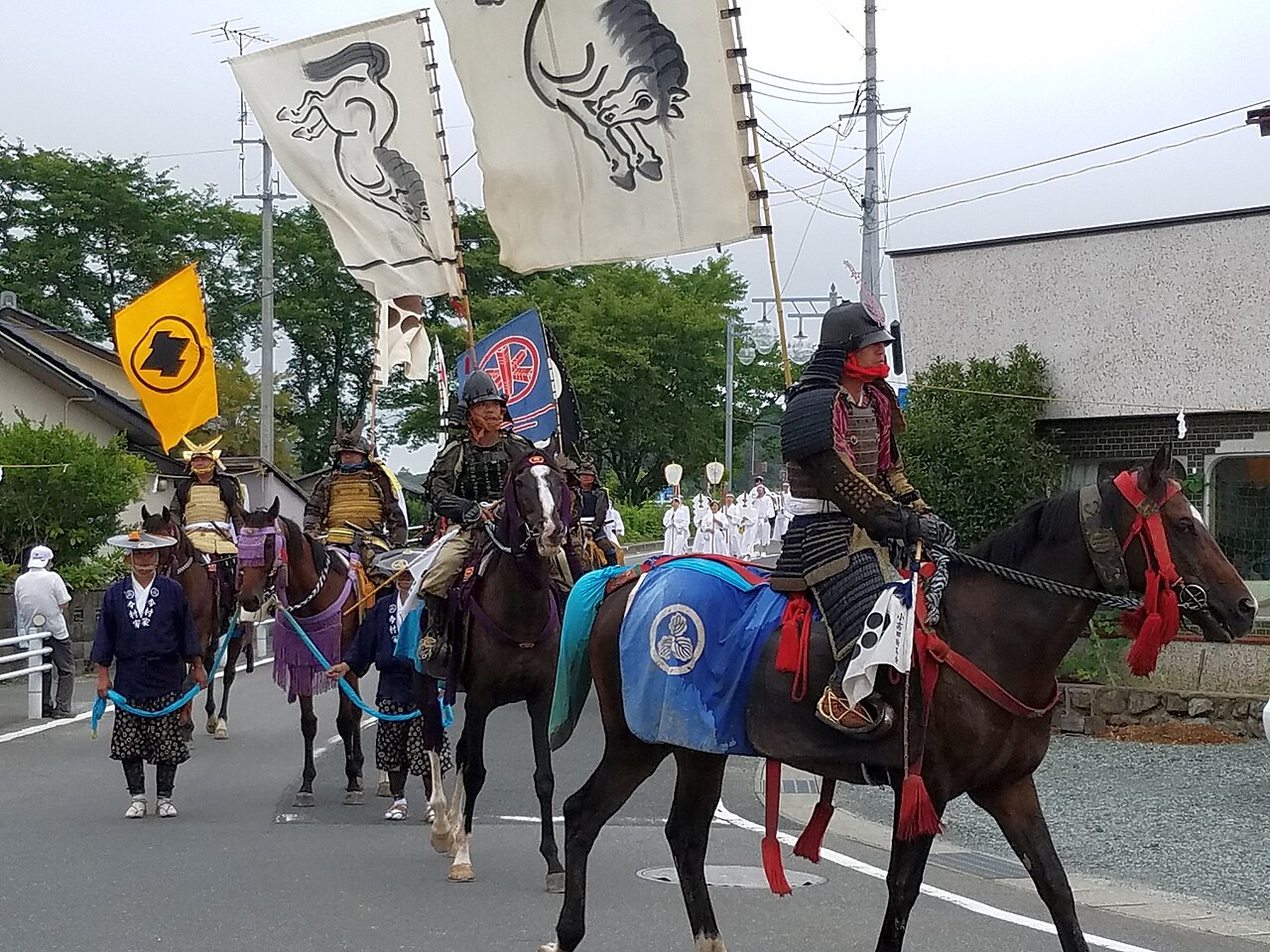
Expect horses, lacquered armor, tall banners snapping in the wind, clouds of dust kicked up by galloping hooves, and the steady, driving beat of drums. Together, these elements are meant to evoke an old military campaign rather than a polished modern show, and honestly, that rougher edge is part of the appeal. Riders wear ancestral armor and helmets, some of them genuine heirlooms, and carry banners marking their family or district. The result feels less like a performance for tourists and more like a community doing what it has always done, with visitors simply invited to watch. And that's what makes it so different from a typical festival: nobody is performing for you so much as continuing something that predates the idea of an audience entirely.
This Year's Gathering, and a Reminder of the Risks
Soma Nomaoi returned in full force this year, drawing an estimated 40,000 visitors to the Soma area over the course of the festival. That kind of turnout says a lot about how much affection this event still commands, both locally and among visitors traveling from further afield. But the same closeness that makes the festival so thrilling to watch also carries real risk. This year, a horse bolted during the proceedings and injured spectators nearby. Incidents like this are described as rare, and Soma Nomaoi has run for generations without this being a defining feature of the event. Still, it is worth being honest about the physics of the situation: you have hundreds of riders, powerful animals moving at speed, and thousands of spectators, all sharing relatively close quarters. If you plan to attend, following the guidance of staff and staying behind marked lines is not a formality. It matters.
Why Soma Nomaoi Still Matters
What I didn't expect, the first time I read up on this festival, was just how central it remains to everyday identity in the Soma area. This is not a tradition kept alive for outsiders. It is maintained, year after year, by families and communities who see it as part of who they are, not a relic pulled out once a year for show. That distinction matters. A festival practiced continuously for centuries because a community wants to, rather than because a tourism board asked it to, has a different texture entirely. You can feel it in the seriousness of the riders and the quiet pride of the people organizing it behind the scenes.
Unpacking the Name
In romaji, Nomaoi breaks down roughly into the ideas of open field, horse, and pursuit or chase, a fitting description for an event built around chasing down horses across open ground. If you are working through Japanese vocabulary, this is a genuinely useful term to learn, because it connects a single word to a real, tangible tradition rather than an abstract dictionary entry. Learning festival vocabulary like this, tied to something you can picture and eventually see for yourself, tends to stick far better than flashcards alone. It is one of my favorite ways to study, honestly, because the culture does half the memorization work for you.
How to Experience Soma Nomaoi for Yourself
This is your chance to see Soma Nomaoi rather than just read about it. The festival is staged annually in the Soma area of Fukushima Prefecture, typically during the height of summer, so checking current dates and viewing areas through official regional tourism channels before you travel is essential, particularly given how conditions and access can shift from year to year. Arrive early if you want a good vantage point, dress for heat and dust, and treat any barriers or staff instructions as non-negotiable rather than optional. If you cannot make the trip in person, following coverage from local Fukushima tourism sources is a solid way to keep up with how the festival evolves and stay informed on safety updates. Either way, Soma Nomaoi rewards patience and attention. There is always something more to notice once the dust settles.
- Location: the Soma area of Fukushima Prefecture
- Origin: samurai-era military horsemanship training
- Highlights: armored riders, banners, drums, and galloping horses
- This year: roughly 40,000 visitors attended, alongside a rare incident involving a bolting horse
- For learners: "Nomaoi" translates loosely as "chasing wild horses" in romaji