Overview
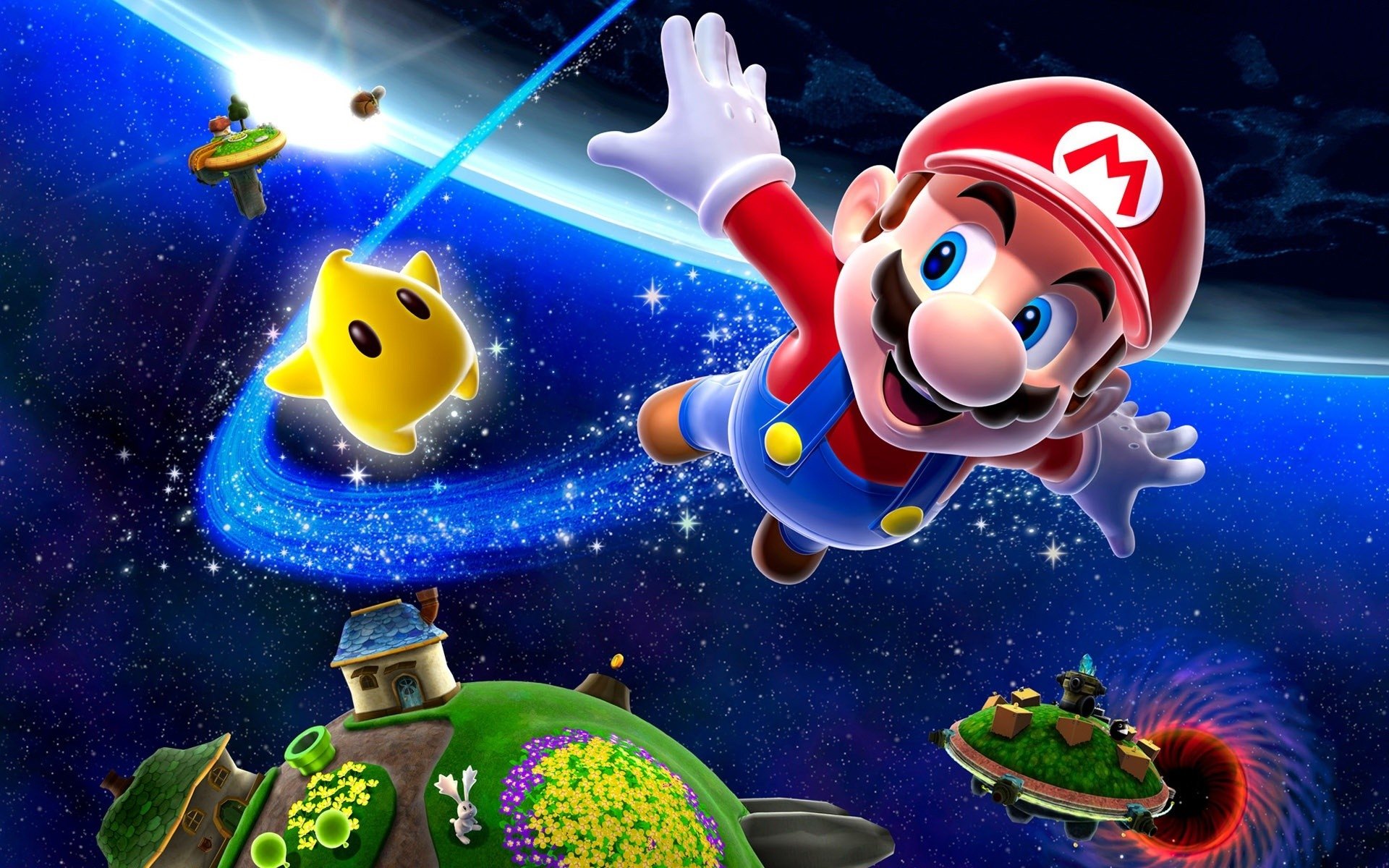
Nintendo media expansion is not a vague branding exercise; it is a practical attempt to make franchises like Mario and Zelda visible in more parts of daily life. Miyamoto has said that games and consoles, by themselves, can only reach a limited number of people. That is the core idea. If a character lives only on a screen, it will always meet a ceiling. If it also appears in a film, in a park, on a bag, or in a shop window, the ceiling moves. That is the logic, and it is a sober one.
The phrase itself sounds corporate, but the outcome is very concrete. In Japan, you can see Nintendo’s worlds through cinema, retail, travel, and leisure in a way that feels almost infrastructural. The company is not abandoning games. It is building a larger surface area around them. Think of it as franchise density, the kind that turns an IP into part of the texture of place.
What Miyamoto is actually saying
In a 2026 comment, Miyamoto said Nintendo can only reach a limited number of people through games or consoles alone, and that the company needs to expand beyond hardware if it wants its franchises to grow. That includes the ordinary reality of people who know Mario, recognize a mushroom power-up, or understand Zelda as a cultural object, but may never buy a console. The argument is simple, almost plainspoken. Reach matters. Reach is not the same thing as selling out. It is a way of keeping a property alive between generations.
This is where the Japanese idea of 顧客 (kokyaku, customer; clientele), meaning the customer audience, becomes useful. Nintendo is not speaking only to existing players. It is trying to widen the circle. And because this is Japan, the move is often framed through media mix, a cross-platform approach in which one property lives across multiple forms: games, films, goods, parks, and more. You do not have to use the jargon to understand the shape of it. The shape is obvious.
For readers following Nintendo media expansion news, the important point is that the company’s strategy is not new, but it has become more visible, more deliberate, and more publicly legible. That matters because franchises with long lives need more than one channel to stay present. They need repetition. They need familiarity. They need, frankly, a lot of little touchpoints.
How Nintendo expands beyond consoles
Nintendo is investing in films, merchandise, and theme parks as part of its broader IP strategy. Each channel does a different job. Film introduces characters to audiences who might never pick up a controller. Merchandise keeps those characters in physical circulation. Theme parks make the world walkable, which is a different and often more durable kind of memory. A good park does not merely show you a property. It stages it in the body. You move through it. You queue, you look, you carry a bag home. That is part of the business model now.
Another useful term here is 予約 (yoyaku, reservation; advance booking), meaning a reservation. In Japan, access to popular entertainment often runs through advance booking, timed entry, or limited-capacity systems, especially for parks and special experiences. That is why practical planning matters so much. If you want to experience Nintendo’s expanded presence in Japan, you often need to think ahead, secure your slot, and accept that popularity is managed rather than improvised. That is just how the machine works.
There is also a retail dimension. Nintendo merchandise is not a side note in Japan; it is one of the clearest ways the company reaches beyond dedicated players. A character on a keychain is not equivalent to a game release, but it keeps the property in circulation. That persistence is the point. It is a form of slow saturation.
The film that changed the scale
The 2023 Super Mario Bros. Movie, produced by Illumination in cooperation with Nintendo, made the logic of expansion impossible to ignore. It earned more than $1.3 billion worldwide, which is the kind of number that changes internal conversations whether anyone says so aloud or not. The film proved that Nintendo characters can carry a theatrical release at enormous scale while staying recognizably Nintendo. That is not a small thing. It gives the company a second engine.
For fans, the film also clarified how Nintendo can translate its properties without flattening them. Mario works because he is already visual, physical, and easy to read at a glance. Zelda is a different case, more atmospheric, more dependent on tone and world-building. But the larger lesson remains: a franchise does not have to stay inside the console ecosystem to remain itself. It can travel. Sometimes it should.
If you are tracking this as Miyamoto: Mit Spielen erreicht Nintendo nur begrenzt Leute, the deeper significance is that Nintendo is not treating film as a novelty. It is treating it as distribution. That is a quiet but important distinction.
Where to experience Nintendo’s expansion in Japan
If you want a practical view of Nintendo’s broader strategy, Japan is the place to look. The most obvious destination is Super Nintendo World at Universal Studios Japan in Osaka, which opened in 2021. It translates Nintendo design into a physical environment: bright, dense, and engineered for movement. You are not just looking at Mario. You are moving through a version of his world. That difference matters. It is the difference between recognition and inhabitation.
There are also shops, pop-up goods, and themed retail corners that make the franchise visible in everyday city life. Tokyo and Osaka are the most obvious places to start, but the larger point is not geography. It is availability. Nintendo’s properties are increasingly meant to be encountered in passing, in lines, in malls, and on streets where a child can notice a character before they know the game. That is the whole idea, really. Make the franchise normal. Make it ubiquitous, or close enough to it.
For travelers trying to see the strategy in action, this is one of those Japan experiences that rewards attention more than speed. Walk slowly. Look at the goods, the signage, the crowd behavior, the booking systems. The texture of place tells the story better than any press release.
Why this matters for Mario, Zelda, and the rest
Mario is the easiest case because Mario is already universal. Zelda is more delicate, but also more valuable in a different register, because it carries atmosphere and aspiration. Nintendo’s wider IP roster benefits from the same logic: the more places a character can live, the less dependent it is on a single release cycle. That is how a franchise becomes cultural infrastructure rather than just software.
For readers interested in Nintendo media expansion guide material, the main takeaway is practical. If you care about these properties, watch for three things: films, theme parks, and merchandise. Those are the main routes by which Nintendo reaches people beyond console owners. They are also the easiest routes for a visitor in Japan to experience directly. Games remain the foundation. But the walls around the foundation are getting wider.
And yes, this is also why a plain article about business strategy can feel oddly human. It is about how stories enter daily life. How they become objects, places, and shared references. How they move from screen to street. That is the long game. More soon.
Related titles and useful context
If you are following the broader arc of Nintendo’s strategy, it helps to remember that this is part of a longer shift in how Japanese entertainment companies handle IP. One property no longer has to live in one medium. It can be adapted, merchandised, staged, and sold in layers. That is the logic behind much of modern Japanese pop culture, even when the language around it sounds dry. Which it often does. Us dorks just keep reading the footnotes.
In that sense, Nintendo media expansion Japanisch lernen queries usually point to the same practical insight: the terms surrounding this topic are useful because they describe systems you will encounter in Japan, not just headlines. Media mix, yoyaku, and kokyaku all help explain how the company thinks about reach, access, and audience. The vocabulary is part of the map.
- Watch for film releases as an entry point for non-players.
- Use theme parks like Super Nintendo World to experience the brands physically.
- Look for merchandise as the everyday layer of franchise visibility.
- Plan ahead with a yoyaku when visiting popular attractions in Japan.
Frequently Asked Questions
What does Nintendo media expansion mean?
It means Nintendo is extending its franchises beyond games and consoles into films, merchandise, and theme parks to reach a wider audience.
Why does Miyamoto want Nintendo to expand beyond games?
He has said games and consoles alone can reach only a limited number of people, so wider distribution helps the franchises grow.
Where can I experience Nintendo’s expanded presence in Japan?
The clearest place is Super Nintendo World at Universal Studios Japan in Osaka, along with Nintendo-related retail and merchandise experiences in major cities.
Which Nintendo film showed the scale of this strategy?
The 2023 Super Mario Bros. Movie, made with Illumination and Nintendo, earned more than $1.3 billion worldwide.
What practical Japanese terms are useful for this topic?
Terms like media mix, yoyaku, and kokyaku help explain how Nintendo reaches audiences across films, parks, and merchandise.