
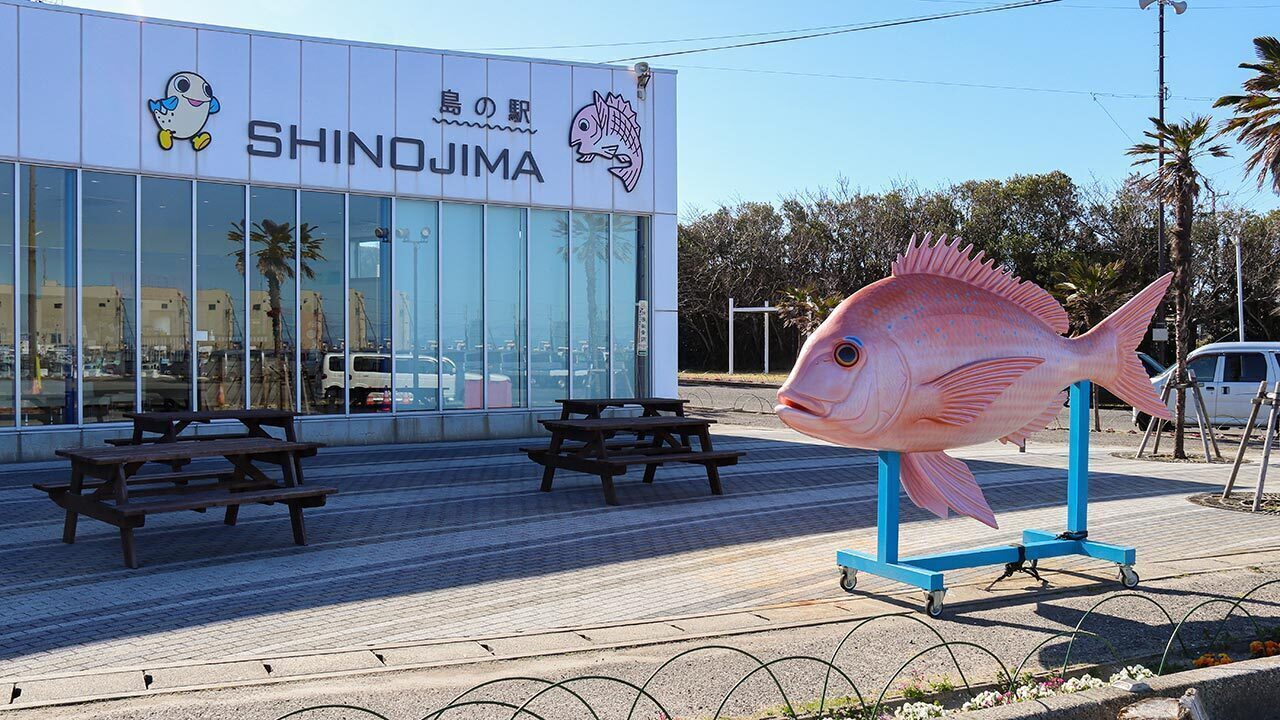
What many overlook is that Shinojima is tied to Japanese mythology and to 鯛 (tai), or sea bream, a fish that shows up in festivals, meals, and lucky symbolism all over Japan. For Japan fans, that combination is catnip, because you get scenery, local history, and a little language-learning bonus too.



Shinojima is one of those places that sounds quiet on the map, then turns out to have layers. If you like travelling in Japan beyond the obvious city stops, this small island off the coast of Aichi Prefecture is exactly the kind of spot that rewards curiosity. The scenery is modest, the ferry ride is short, and the island’s stories run deeper than you’d expect.
Basically, this isn’t a theme-park version of Japan. It’s a lived-in island with fishing heritage, shrine culture, and a name that locals and visitors alike connect with gods, sea, and tai. Wild, isn’t it?
Shinojima and the mythic side of Japan
Unlike what we're used to in big-city travel, Shinojima doesn’t sell itself with neon or major attractions. Its appeal comes from atmosphere, and from the way islands in Japan often sit close to folklore. Japanese mythology is full of island imagery, from the creation stories of Izanagi and Izanami to the idea that land itself can be born from the sea. No wonder, because islands have always felt like borderlands between the human world and the divine.
What many overlook is that this doesn’t mean every island has a single fixed legend attached to it. Rather, island life in Japan often blends 神道 (Shinto) worship, local guardian shrines, seafaring tradition, and stories handed down through generations. On Shinojima, that feeling matters more than a single headline myth. You come for the place, then you notice how naturally the spiritual and the practical sit side by side.
For Japanese learners, this is a great example: words like 島 (shima, island) for island, 神社 (jinja, Shinto shrine) for shrine, and 海 (umi, sea) for sea come up constantly in travel writing and local signage. They’re simple terms, but they carry a lot of cultural weight. My tip is: if you’re studying Japanese, reading about small islands like this is a good way to connect vocabulary with real geography.
Why sea bream matters here
Picture this: a place where a fish isn’t just food, but a symbol of good fortune. That’s the world of tai, the Japanese sea bream, and Shinojima leans into that identity. Across Japan, tai is associated with celebration, success, and auspicious occasions, which is why it shows up at weddings, New Year gatherings, and special meals. On an island economy, that symbolism and the actual fishing culture reinforce each other.
Here’s the catch: sea bream isn’t only about a pretty fish on a plate. It’s about local pride, seasonal work, and a way of life built around the sea. That makes Shinojima more interesting than a simple “pretty island” stop. If you’re lucky, you’ll notice how local food, harbourside views, and shrine customs all point to the same thing, a community shaped by water.



A great example is the word めでたい (medetai, auspicious; joyful), meaning auspicious or joyous, which is often associated with tai because of the sound and cultural association. That kind of language play shows up all over Japanese life, from shop signs to festive menus. For learners, it’s one of those little connections that make vocabulary stick. See what I mean?
What a visit to Shinojima feels like
Trust me on this one: the best part of an island trip like Shinojima is the pace. You don’t need a packed schedule to enjoy it. A ferry crossing, a walk through the settlement, a shrine visit, and a meal built around seafood can be enough for a memorable day. On the flip side, if you expect resort-style activities, you’ll miss the point completely.
I still remember exactly how good slow travel in Japan can feel when the destination is small enough to breathe. Shinojima fits that mood. The island is connected to the mainland, so it’s reachable without the commitment of a remote-archipelago expedition, but it still gives you that satisfying break from urban rhythm.
What I especially like is that places like this make Japan feel bigger, not smaller. They remind you that the country isn’t just Tokyo, Osaka, and Kyoto. It’s also fishing islands, shrine towns, and local food cultures that don’t need to shout to be memorable. Not bad, right?
Why Japan lovers should keep Shinojima on the radar
For Japan enthusiasts, Shinojima works on three levels at once. First, it’s a travel destination with a distinct coastal identity. Second, it connects neatly to Japanese mythology and shrine culture. Third, it gives language learners natural vocabulary in context, from shima and jinja to tai and medetai.
Here's the catch: it’s not a place with blockbuster tourism stats or famous landmark density. That’s actually part of the charm. If you’re building a Japan itinerary that values atmosphere, local food, and a sense of place, Shinojima belongs on the shortlist. My verdict: it’s the kind of island that stays with you because it feels rooted, not staged.
If you want to keep following Japan travel stories like this one, read more Japan news on jpnerd.com.


