
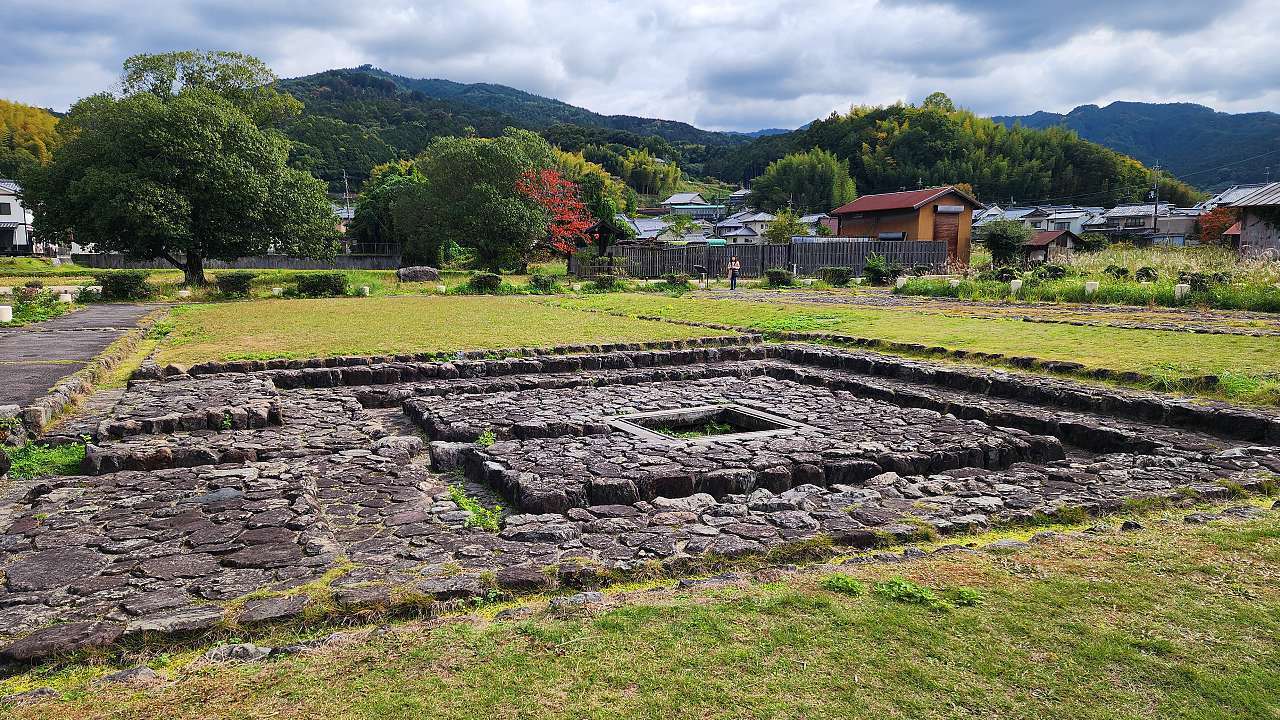
The newly listed area centres on the remains of Fujiwara-kyo, Japan’s first large-scale grid-planned capital, along with nearby palaces, temples, tombs, and sacred sites. If you like history trips that also feel like a real journey through landscape and memory, this one’s a standout.



Guess what? Japan’s newest World Heritage Site isn’t a single temple or a famous castle, but a whole historic landscape tied to the country’s early capital system. The UNESCO listing shines a light on Fujiwara-kyo and related sites in Nara Prefecture, a place that shows how Japan began building a central state, a court culture, and a capital city on a grand scale.
For Japan fans, that means this isn’t just a box to tick on a sightseeing map. It’s a travel story about the birth of imperial architecture, Buddhism’s expanding role, and the way Japanese rulers borrowed ideas from China and Korea while still creating something distinctly Japanese. Sounds good, right?
What UNESCO just recognised in Japan
Here’s the deal: the new World Heritage designation centres on the remains of Fujiwara-kyo, which served as Japan’s capital from 694 to 710. That may sound brief, but the city mattered enormously. It was the first capital in Japan laid out on a large-scale grid, a clear sign that the court was trying to project order, authority, and planning on an unprecedented level.
UNESCO’s designation also includes surrounding cultural remains such as palace ruins, Buddhist temples, monumental tombs, and sacred places connected with the old capital region. Together, they paint a picture of a political and religious centre that was far bigger than one set of ruins. By the way, this is the kind of site where the landscape itself does a lot of the storytelling.
What I especially like is that the listing doesn't freeze history in one neat monument. Instead, it connects multiple points across the region, so you can trace how power, ritual, and everyday life were all linked. Quite striking, isn't it?
Why Fujiwara-kyo matters for Japan history
I still remember how often early Japanese capitals get reduced to footnotes in travel guides. Fujiwara-kyo deserves better. It came after the shift towards a more centralised 律令 (ritsuryo, legal code system) state, when the court was building a government system that looked outward to continental models while trying to unify the archipelago.
Basically, this was one of the key moments when Japan was becoming Japan in the political sense, not just the cultural one. The city plan reflected imported ideas of order, but the daily reality would have been very local, very Japanese, and deeply tied to court ritual, seasonal observances, and Buddhist practice. If you’re learning Japanese history vocabulary, terms like 天皇 (tenno, emperor) for emperor, 都 (miyako, capital city) for capital, and 神社 (jinja, Shinto shrine) for shrine will keep coming up around this period.



That reminds me: early capitals are especially useful if you want to understand why later places like Nara and Kyoto became such powerful symbols. Fujiwara-kyo was short-lived, but it helped define what a capital should look like, and that influence never really went away. But that's not all.
A travel stop in Nara Prefecture worth planning for
Picture this: instead of one crowded landmark, you build a day around ruins, museum stops, temple grounds, and quiet roads through the old capital region. That’s the appeal here. Nara Prefecture already has strong travel appeal thanks to Nara Park, Todai-ji, and Kashihara, and this new World Heritage recognition gives visitors another reason to spend more time in the area.
My tip: don’t treat it as a rushed half-day add-on. The best way to enjoy this kind of heritage site is slowly, with enough time to appreciate the scale of the ancient capital and the geography around it. If you’re travelling by train, it also fits nicely into a wider Kansai trip, especially if you’re already visiting Kyoto, Osaka, or the broader Nara basin.
For Japan enthusiasts, this is a lovely reminder that some of the country’s richest places aren’t the loudest ones. The atmosphere here is quieter, more reflective, and often more rewarding. On the flip side, you won’t get the instant visual drama of a famous castle keep or neon cityscape, but you will get a deeper sense of historical place. Pretty brilliant.
How to read the site like a Japan learner
While we're at it, this is a great topic for language learners because old capital history is full of useful travel and culture vocabulary. If you hear isshiki, 祭事 (saiji, ceremonies; rituals), or 文化 (bunka, culture) in guides or museum materials, you’ll start spotting patterns fast. You’ll also see how place names in Nara carry layers of history that aren't obvious at first glance.
By the way, if you enjoy combining travel with language study, try reading a short museum panel in Japanese, then checking the same terms in English. That small habit makes a big difference, especially with historical sites where the same words keep appearing across signs, brochures, and guidebooks. This is my absolute hidden gem!
Did you know that some of the most memorable heritage trips in Japan are the ones where nothing feels over-restored? That’s true here. The value lies in imagining the city that once stood there, not just photographing what survives today. Wait, there's more.
Frequently Asked Questions
Where is Japan’s newest World Heritage Site?
It is in Nara Prefecture, centred on the remains of Fujiwara-kyo and related historic sites in the surrounding area.
Why is Fujiwara-kyo important?
It was Japan’s first capital planned on a large grid, and it helped shape the country’s early political and cultural system.
Is it worth visiting for travellers?
Yes, especially if you enjoy history, quieter heritage sites, and a slower kind of travel experience in the Kansai region.


