Overview
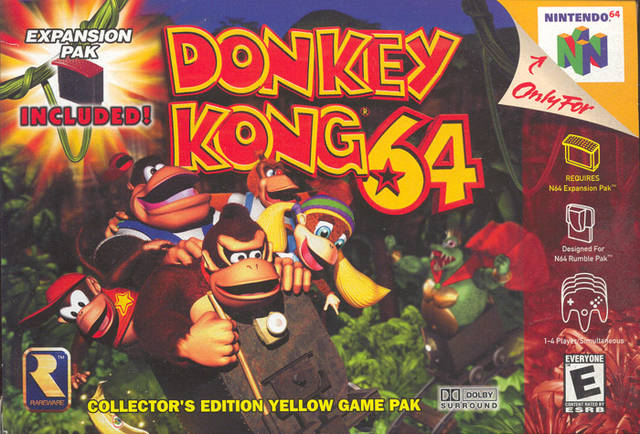
Here's something worth sitting with for a second: Donkey Kong 64 is a twenty-seven-year-old game, and its return to circulation in mid-2026 tells you more about Nintendo's archival strategy than any press release ever could. Nintendo Singapore confirmed that Rare's 1999 Nintendo 64 epic joined the Nintendo 64 – Nintendo Classics lineup on Nintendo Switch Online + Expansion Pack on June 3–4, 2026, folding one of the platform's most notorious collect-a-thons into a library that already reads like a highlight reel of the N64 era. If you've never played it, or if you played it once as a kid and remember mostly the frustration, this is the rundown of what it actually is, why it still matters, and where you can go play it today.
How Donkey Kong 64 Reached Switch Online
The mechanics of the announcement are simple enough. Nintendo Singapore put the news out, the Nintendo 64 – Nintendo Classics library expanded, and subscribers to the Expansion Pack tier got direct access without a separate purchase. That's the appeal of the whole NSO+EP model in theory: pay the subscription, get the back catalog, skip the secondhand hunt for a cartridge that's inflated in price over the last decade. Nintendo Switch Online + Expansion Pack itself launched in 2021, in Japan and internationally, and the N64 tier has been filling in gaps ever since. Donkey Kong 64 was one of the more conspicuous absences — a game this ambitious, this expensive to produce in its day, sitting out while smaller titles got added first. Now it's in, no "coming soon" qualifier attached. It's live.
Five Kongs, One Island, and an Absurd Number of Collectibles
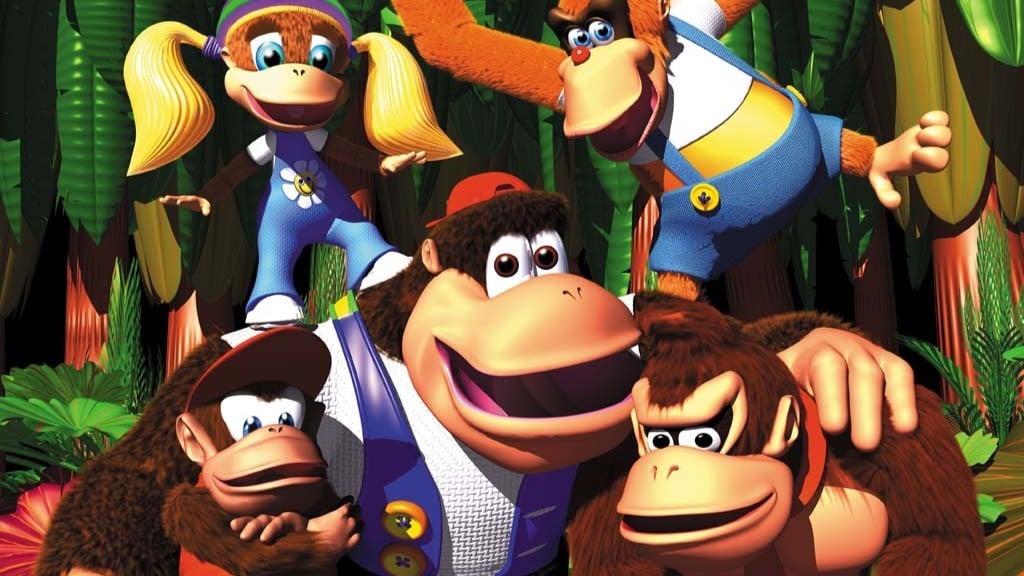
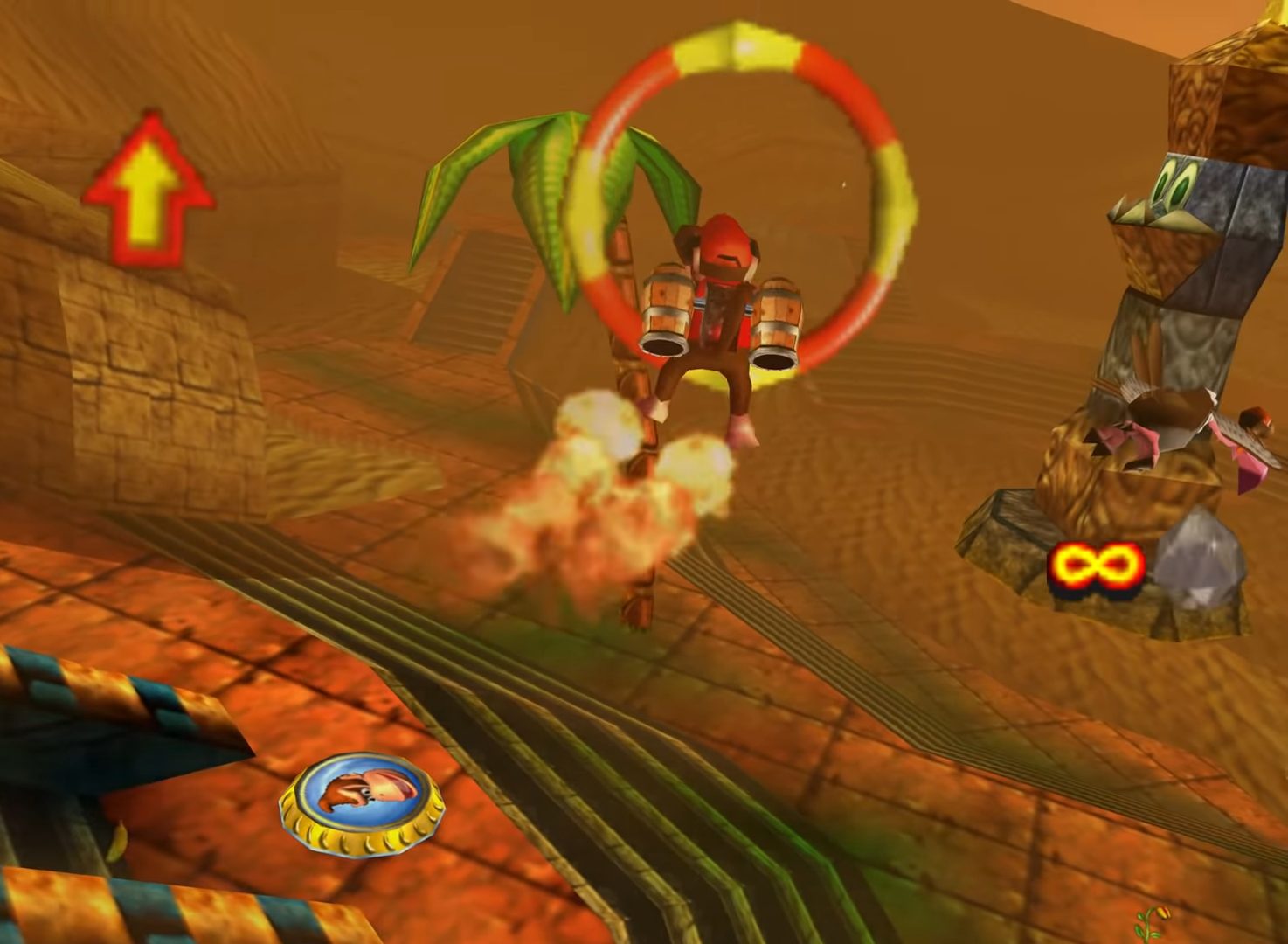
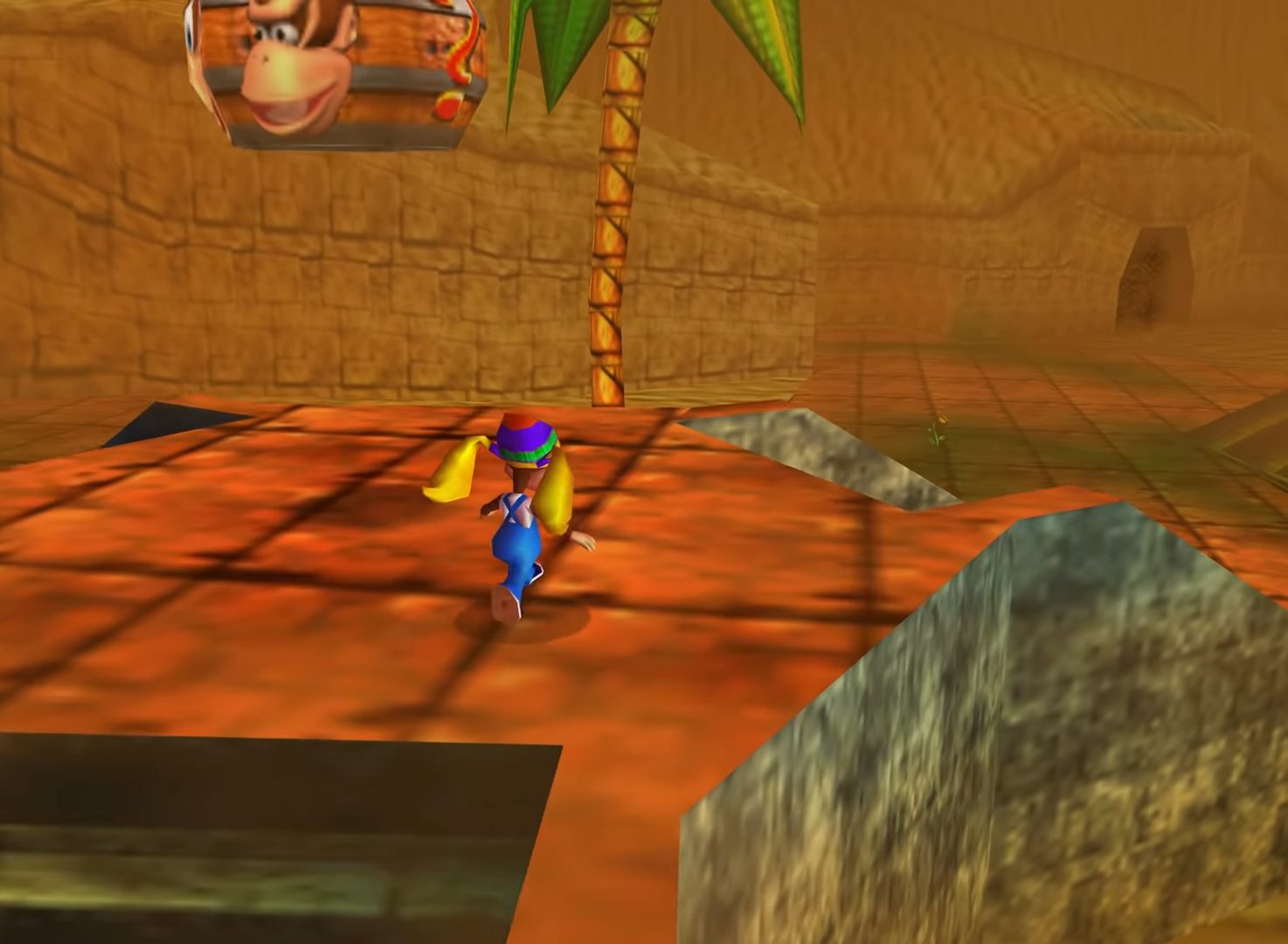
In practice, Donkey Kong 64 is a five-character roster game wearing a single-character franchise's name. You control Donkey Kong, Diddy Kong, Lanky Kong, Tiny Kong, and Chunky Kong, each with a distinct moveset and — this is the part that either hooked you or broke you — each locked to their own color-coded golden bananas. The structure is jungle-themed hub-and-spoke: sprawling levels, branching routes, an inventory that expands as you go, and a completion checklist long enough that "collect-a-thon" undersells it. This was Rare applying to the 3D collectible platformer the same instinct it applied elsewhere in its catalog: take a format and inflate it until it strains at the seams. Whether that inflation reads as ambition or padding depends on your patience for backtracking, and I'll be honest with you — it's a fair fight either way.
Why Donkey Kong 64 Still Matters
Here's where it gets interesting. Donkey Kong 64 isn't just a nostalgia object; it's a document of a specific moment when Rare was, by most measures, Nintendo's most important development partner on the N64. This was a studio operating at the edge of what the hardware could realistically render, and the game is one of the clearest examples of that ambition on the console — for better and occasionally for worse, given how demanding it was on the system at launch. Decades on, what stands out isn't just the scale, it's how confidently the game commits to its own excess. You don't build a five-character roster with individually gated collectibles by accident. That's a studio testing exactly how far a genre can stretch before it stops being fun, and the answer they landed on is still argued over in comment sections to this day.
Rare's N64 Era and the Titles Standing Next to It
Donkey Kong 64 doesn't exist in isolation, and neither does Rare's relationship with Nintendo — a relationship that, worth remembering, ended with the studio moving to Microsoft, which is why any conversation about "Nintendo's Rare years" carries a faint note of eulogy. If Donkey Kong 64 is your entry point back into that catalog, look sideways at Banjo-Kazooie from 1998, which arguably ran the collect-a-thon formula with more discipline, and Perfect Dark from 2000, which took Rare's technical ambition in a considerably more violent direction. Together, these titles summarize what made Rare's N64 output distinct: technically audacious, mechanically dense, and never particularly interested in being modest about either quality.
Where to Play Donkey Kong 64 Today
So, practically speaking: where do you actually play this thing? Right now, Donkey Kong 64 lives on the Nintendo 64 – Nintendo Classics library within Nintendo Switch Online + Expansion Pack. A couple of things follow from that. First, you need the Expansion Pack subscription tier specifically — the base Nintendo Switch Online plan doesn't include the N64 library, so check what you're actually paying for before hunting through your software list. Second, there's no separate purchase once you're subscribed; access is included, the same way the rest of the N64 Classics catalog works. If you're chasing a physical N64 cartridge instead, that's still a legitimate route for collectors, but expect secondary-market prices that reflect the game's reputation as one of the platform's more ambitious releases rather than its original retail price.
A Jungle Vocabulary Lesson: Learning Japanese Through Donkey Kong
One more thing worth flagging, because this is jpnerd and I'd be doing you a disservice if I skipped it: Donkey Kong 64's simple, repetitive theming makes it a genuinely decent low-stakes way to pick up vocabulary if you're learning Japanese. The core nouns repeat constantly and they're not complicated — 島 (shima, island) for island, ジャングル (janguru, jungle) for jungle (a loanword, easy to spot once you know the pattern), 木 (ki, tree) for tree, バナナ (banana, banana) staying banana because of course it does, and 猿 (saru, monkey) for monkey, which sits conceptually next to kongu, the rendering of "Kong" itself. None of that requires fluency to notice; it requires playing a game whose English text you already know and cross-referencing. If you track down Japanese-language materials or streams covering the title, the character names and collectible categories are a low-friction way to start recognizing vocabulary patterns in context, which, frankly, beats a flashcard deck for retention. That's not a small thing for a hub like this one — it's the difference between studying Japanese and actually using it.
Which is why a twenty-seven-year-old collect-a-thon showing up on a subscription service in 2026 is worth more than a nostalgia headline — and now you know exactly why that is.