
Overview
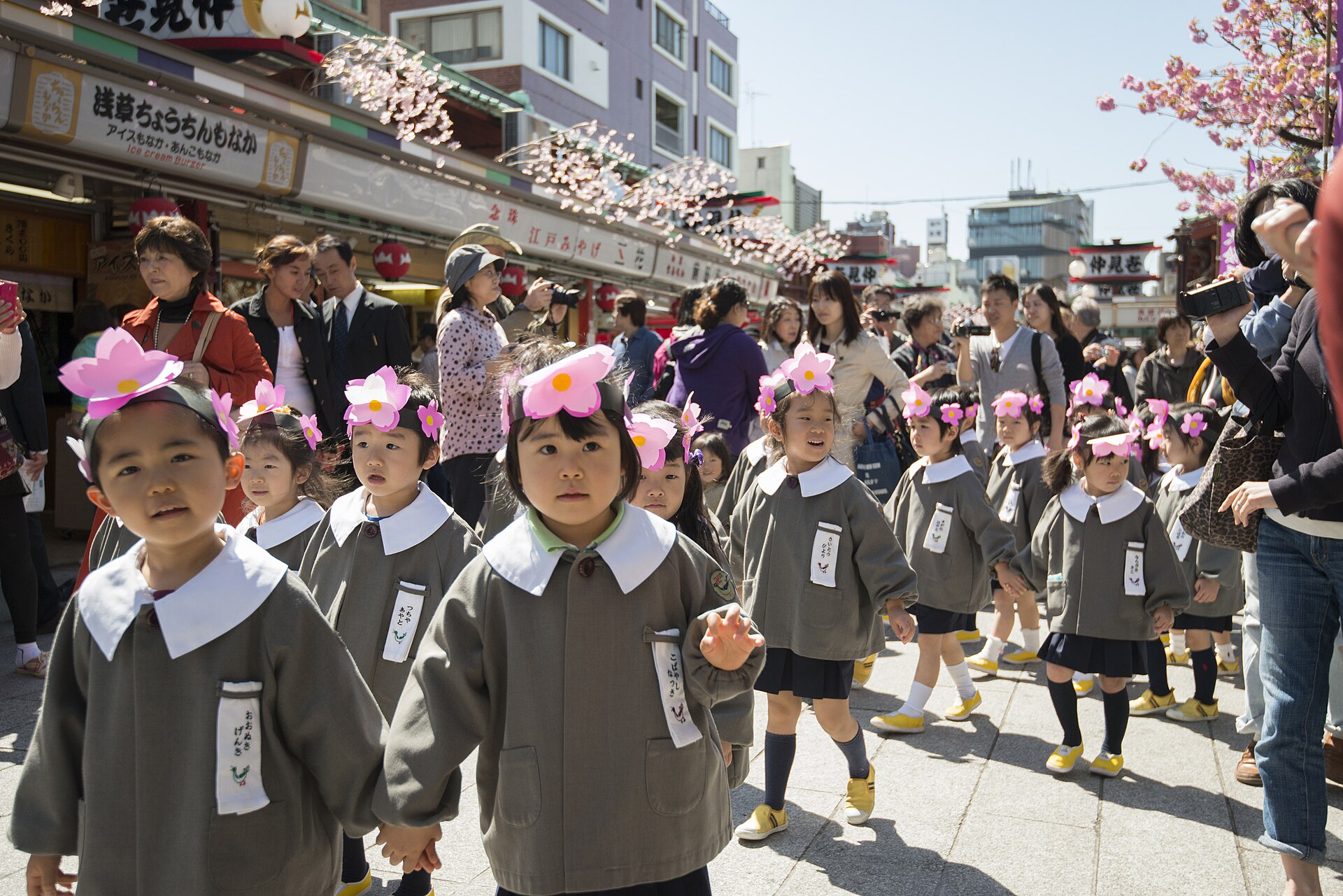
If you've spent any time exploring Japanese festivals, you've probably run into 花見 (Hanami, flower viewing), Tanabata, and Obon long before you ever heard of 花 (Hana, flower) 祭り (matsuri, festival). That's a shame, because Hana Matsuri is quietly one of the oldest festivals in the country, celebrated every April 8th to mark the birthday of Siddhartha Gautama, the historical Buddha. Its roots reach back to the 7th century, arriving in Japan alongside Buddhism itself and settling into local practice over more than a thousand years. I still find that timeline hard to wrap my head around: a ceremony this specific, this tender, performed around the same week every spring since long before most of the temples around it even existed.
The festival's formal religious name is 仏生会 (Bussho-e, Buddha's birthday ceremony), meaning roughly "Buddha's Birthday Ceremony." Hana Matsuri, literally "Flower Festival," is the friendlier, more colloquial name that took hold across Japan in the 20th century and is now the one most people actually use. Both names point at the same thing: temples decorated in flowers, and a small statue of the infant Buddha waiting to be bathed.
The Story Behind the Celebration
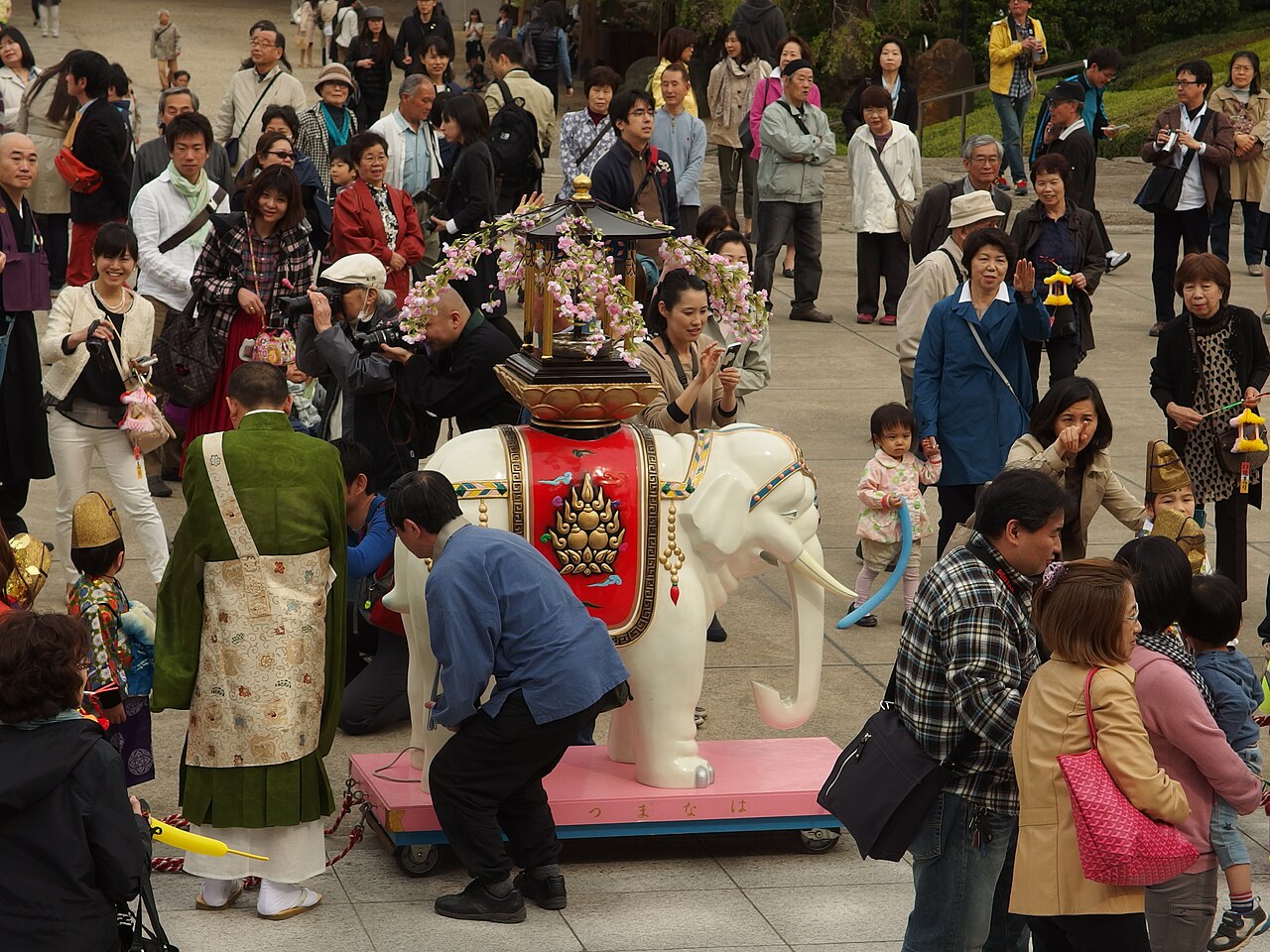
Tradition holds that Buddha was born in the Lumbini garden, under a tree in full bloom, an event traditionally dated to around 563 BC. That image of a birth surrounded by blossoms is exactly why flowers, rather than incense or lanterns, became the defining decoration of this festival. Every 花御堂 (hanamido, flower-decorated pavilion) pavilion you see on April 8th is a small echo of that garden, rebuilt fresh each year.
The Kanbutsu-e Ritual: Bathing the Baby Buddha
The heart of Hana Matsuri is a ritual called 灌仏会 (kanbutsu-e, Buddha-bathing ceremony), the "Buddha-bathing ceremony." A small statue of the baby Buddha is placed inside a hanamido, a pavilion built and layered with flowers for the occasion, and visitors pour a sweet tea called 甘茶 (amacha, sweet hydrangea tea) over the statue using small kettles. Amacha is brewed from Hydrangea serrata, and it carries its own centuries-old history in Japan quite apart from the festival itself. There's something wonderfully simple about the gesture: no elaborate choreography, no spoken ritual you need to memorize. You just tip the kettle, and suddenly you're taking part in something that's been repeated, in some form, for well over a thousand years.
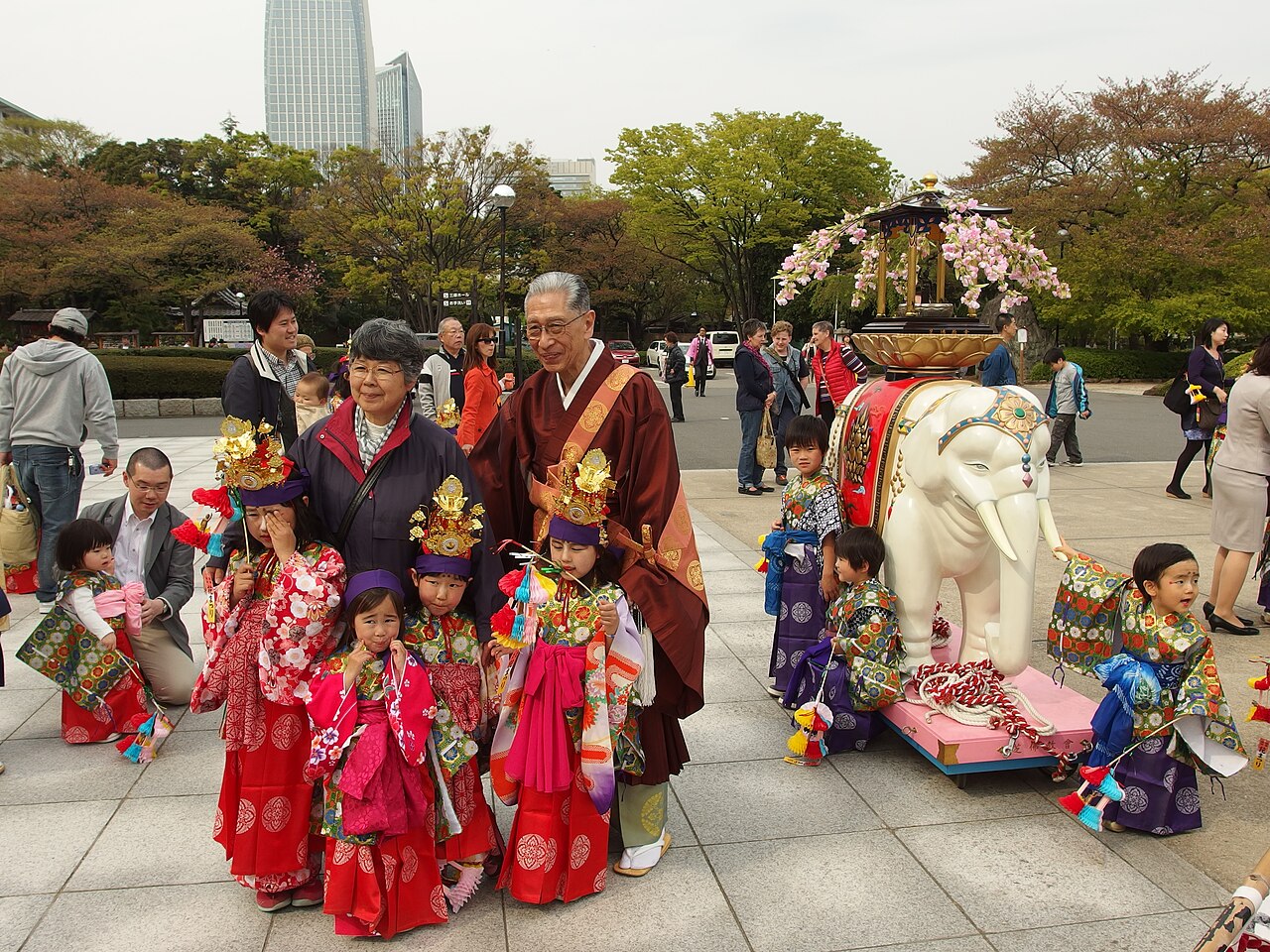
I love that the ceremony asks so little of you and still gives back so much. You don't need to be Buddhist, and you don't need to know the history going in. You just need to show up.
Where to Experience Hana Matsuri
Because Buddhism reached different regions of Japan at different times and through different schools, Hana Matsuri looks a little different depending on where you find it. Kyoto tends to lean into elaborate, artistic flower arrangements around the hanamido, while Tokyo favors larger, community-driven ceremonies that pull in whole neighborhoods.
A few temples are especially well known for their April 8th observances:
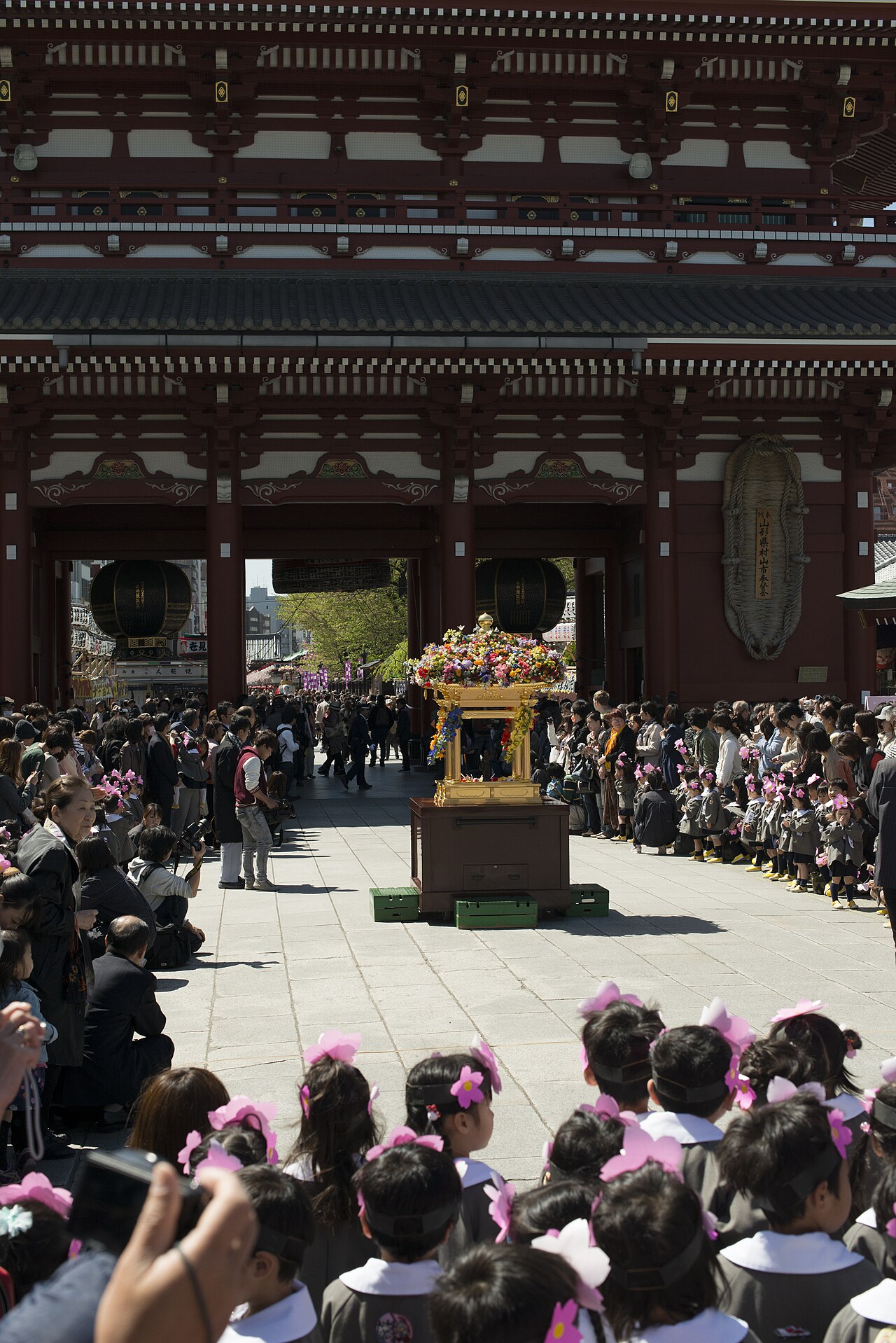
- Zojoji Temple in Tokyo, where colorful altars and a full kanbutsu-e ceremony draw visitors each spring.
- Sensoji Temple in Asakusa, Tokyo's oldest temple, founded in the year 628, where the day brings flowers, incense, and steady crowds moving toward the main hall.
- Todaiji Temple in Nara, one of the country's most historically significant temples, which holds its own kanbutsu-e ceremony every year.
Most temples across the Jodo and Jodo Shinshu schools observe Hana Matsuri, which covers a large share of Buddhist temples nationwide. One notable exception is the Nichiren school, which doesn't mark the day at all. Nichiren temples instead commemorate the birthday of their founder, Nichiren, on February 16th. That detail took me a while to learn, and it's a good reminder that "Japanese Buddhism" isn't one single, uniform tradition. It's a collection of schools, each with its own calendar and its own priorities.
Learning the Language of Hana Matsuri
If you're studying Japanese, Hana Matsuri is a genuinely useful festival to learn vocabulary from, because every key term is short, concrete, and tied to something you can picture. Hana means flower, matsuri means festival, and together they give you the everyday name for the day. Bussho-e is the more formal term you'll find in temple literature and older texts. Kanbutsu-e names the ritual itself, hanamido names the flower pavilion, and amacha names the sweet tea that makes the whole thing memorable. If you want to go a step further, look up the Hana Matsuri kanji for each of these words. Seeing how hana and matsuri are written, and comparing that to how they appear in other festival names, is a small but satisfying way to build recognition you'll carry into every other seasonal event you come across.
How to Get Started
There's no ticket to buy and no reservation to make. If you're in Japan on April 8th, pick a temple near you, ask a local Buddhist community center, or check a temple's own website closer to the date, since exact timing can shift slightly from year to year. Zojoji, Sensoji, and Todaiji are reliable starting points if you want a well-established ceremony with a clear crowd to follow. If you're not in Japan yet, this is a festival worth keeping on your radar for a future spring trip. It won't overwhelm you the way Hanami season sometimes can, and that's precisely its appeal. Find a hanamido, pour the amacha, and you've taken part in a tradition older than almost anything else on the Japanese festival calendar.
