What’s more, you don’t need to chase ghosts across the city. A handful of historic areas, from Asakusa to Ueno and beyond, already carry the atmosphere, the old stories, and the kind of everyday details that make Japan feel layered rather than polished. Stick around for a bit, and let’s trace where those legends still echo.



Tokyo yokai folklore starts in the city’s older layers
Know that feeling when a modern city suddenly feels ancient? Tokyo does that better than people expect. Under the trains, neon, and department stores, there are districts that still hold onto older Edo-period textures, and that’s where 妖怪 (yokai, supernatural monster/spirit) stories feel most at home.
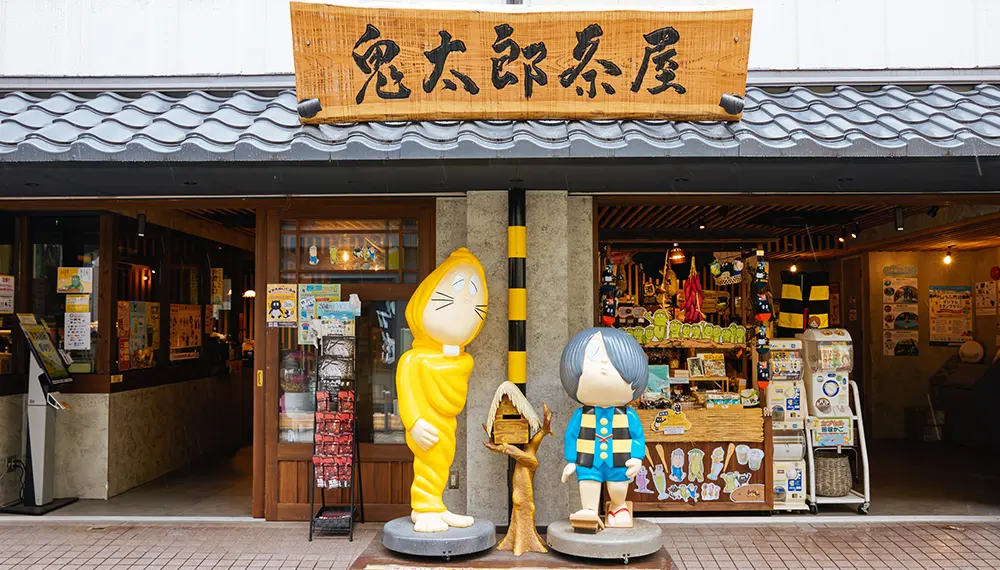
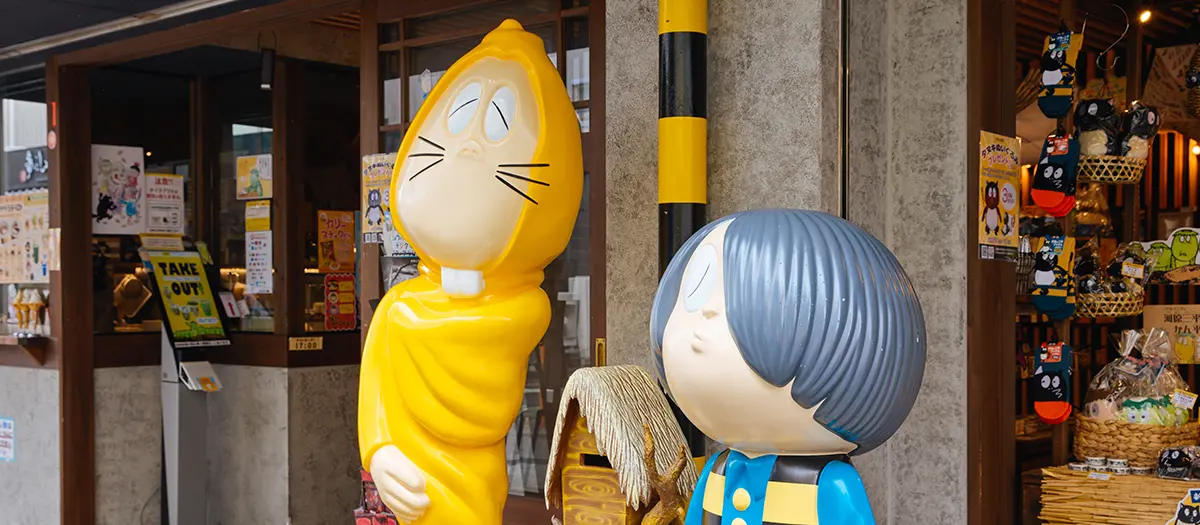
Basically, yokai are part of Japanese folklore: strange beings, spirits, and sometimes troublemakers that sit somewhere between campfire story and cultural memory. 鬼 (Oni, ogre; demon) are one of the best-known examples, usually imagined as horned, powerful figures tied to mountains, caves, and wild places. They’re dramatic, sure, but they’re also part of a much broader storytelling world, one that helps explain fear, nature, and the unknown.
Tokyo’s historic neighbourhoods give those stories a real backdrop. Not a theme-park version. The real thing, where a narrow street, an old gate, or a river crossing can still make you pause for half a second. And honestly, that pause is half the fun.
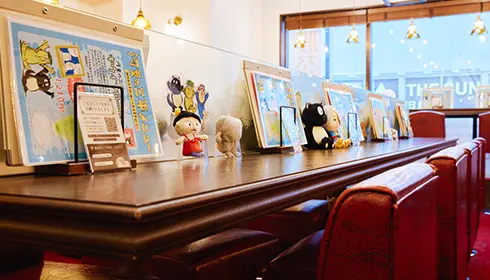
Asakusa and Ueno, where legends meet everyday walking
Fun fact: some of the easiest places to feel Tokyo’s folklore mood are also the easiest places to visit. Asakusa is the obvious one, with Senso-ji and its long history dating back to the 7th century, but the area around it still feels like a place where old stories could’ve been passed from one shopkeeper to another.
That brings us to the streets around Nakamise and the back lanes nearby. If you leave the busiest route and wander a little, you get a better sense of old Edo-town life, with little workshops, snack stalls, and family-run places that seem to keep their own memory. It’s not that a yokai will appear around the corner, of course... but the setting is exactly the kind that folklore loves.
Ueno adds another layer. The park is modern in some ways, but it sits close to historic temple grounds and old travel routes, and the whole area has that slightly haunted-in-a-good-way feeling on a quiet evening. I especially like early mornings there, when the crowds haven’t fully arrived yet. My tip: go before lunch, when the city still feels soft around the edges. Simply brilliant.




Quick detour: why yokai fit Tokyo so well
Here’s the thing: yokai stories aren’t only about fear. They often explain what people couldn’t easily name, whether that was a strange sound at night, a dangerous stretch of road, or a place where the landscape felt a little too alive. In an old capital like Edo, which became Tokyo, that storytelling stuck around because the city itself changed so fast while keeping traces of the past underneath.
On the flip side, modern Tokyo is also the perfect stage for yokai because it already feels layered. A temple next to a train line. A narrow alley beside a glass tower. A shrine tucked between apartment blocks. Classic Japan, isn’t it? That mix makes the folklore feel less like fantasy and more like a shadow of real urban life.
And for Japanese learners, this is a lovely place to collect words that actually stick. Try using 幽霊 (yurei) for ghost, oni for ogre-like demon, and yobunashi for a night watchman’s cry in old stories. You don’t need to memorise them all at once. Just notice them in context, ask questions, meet places, try things, gain experiences, you know, live a little. That’s usually how language settles in.
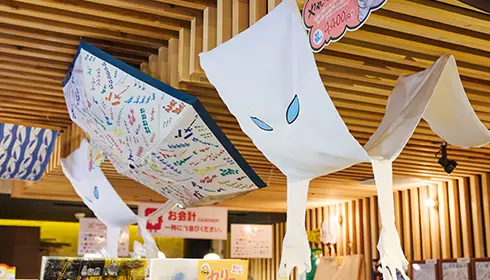
Historic Tokyo trips where the atmosphere does the talking
Before I forget: a good yokai-themed Tokyo outing doesn’t have to be a hunt for specific landmarks. It can be a route. Start in Asakusa, drift towards Ueno, then keep your eyes open for old temples, graveyards, small museums, and neighbourhood shrines that aren’t trying too hard to impress anyone. Those are often the places where Tokyo feels most honest.
Here’s the catch: the best folklore atmosphere often comes from ordinary things. Stone lanterns worn smooth by time. A wooden plaque at a shrine. A side street that looks like it hasn’t changed much in decades. If you’re the kind of traveller who likes hidden spots and lesser-known corners, this is a very satisfying way to spend a day, especially if you’re already drawn to the older side of Japan.
And yes, Tokyo has plenty of polished, headline-grabbing sights. But beyond that, the city’s hidden gems are often the ones that feel most memorable. Not because they’re loud, but because they leave room for your imagination to do a little work. That’s the good stuff. Convinced yet?
In pictures
Frequently Asked Questions
Can you actually visit places tied to yokai folklore in Tokyo?
Yes, but usually as neighbourhoods, temples, and historic streets rather than a single dedicated site. Asakusa and Ueno are especially good starting points.
Do you need to know Japanese to enjoy these places?
No, but a few basic words like oni and yurei make the stories easier to follow and more memorable when you read signs or hear local context.
Is this more about history or ghosts?
Mostly history. The folklore is part of how people explained and remembered the city, which is exactly what makes it interesting.