
Overview
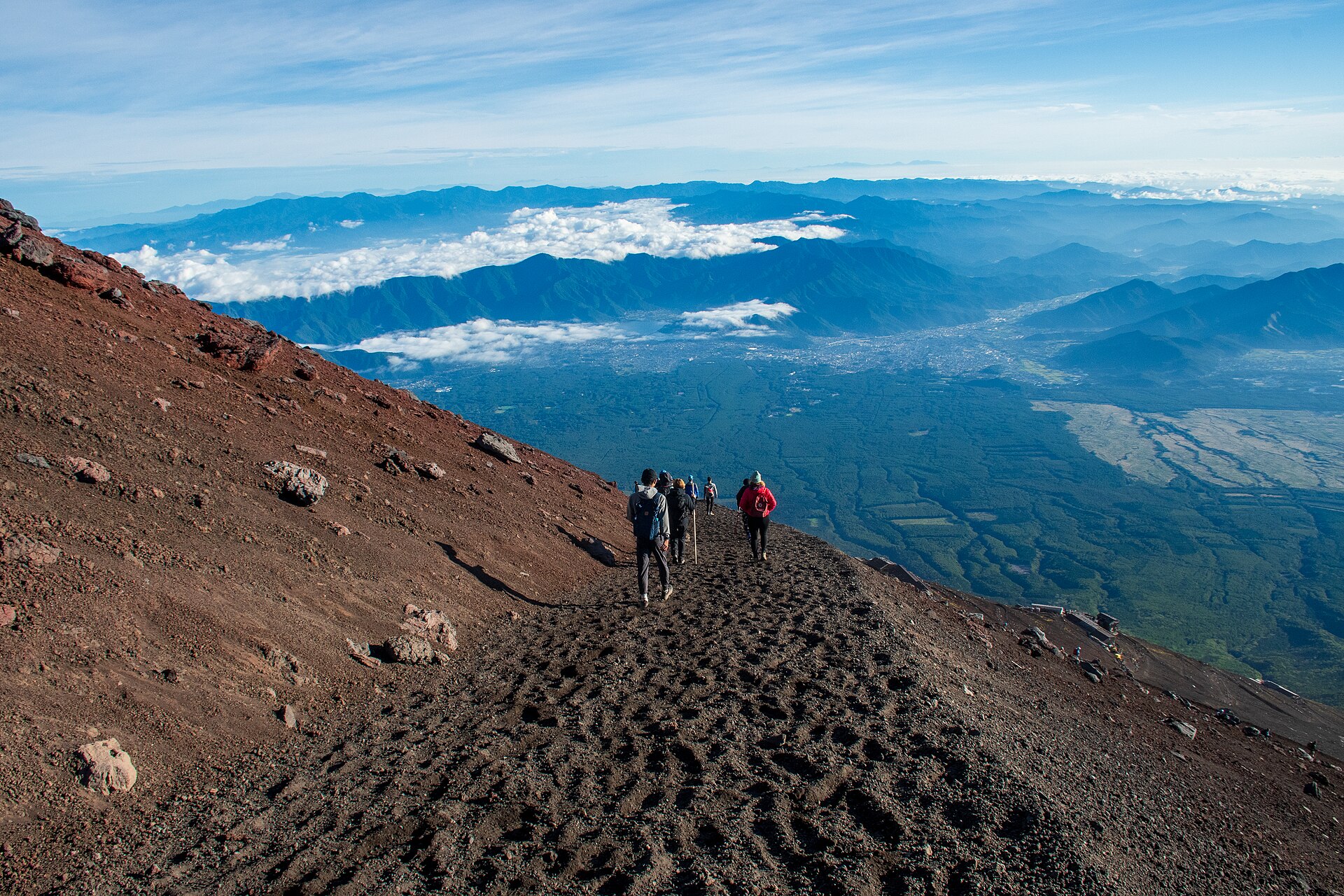
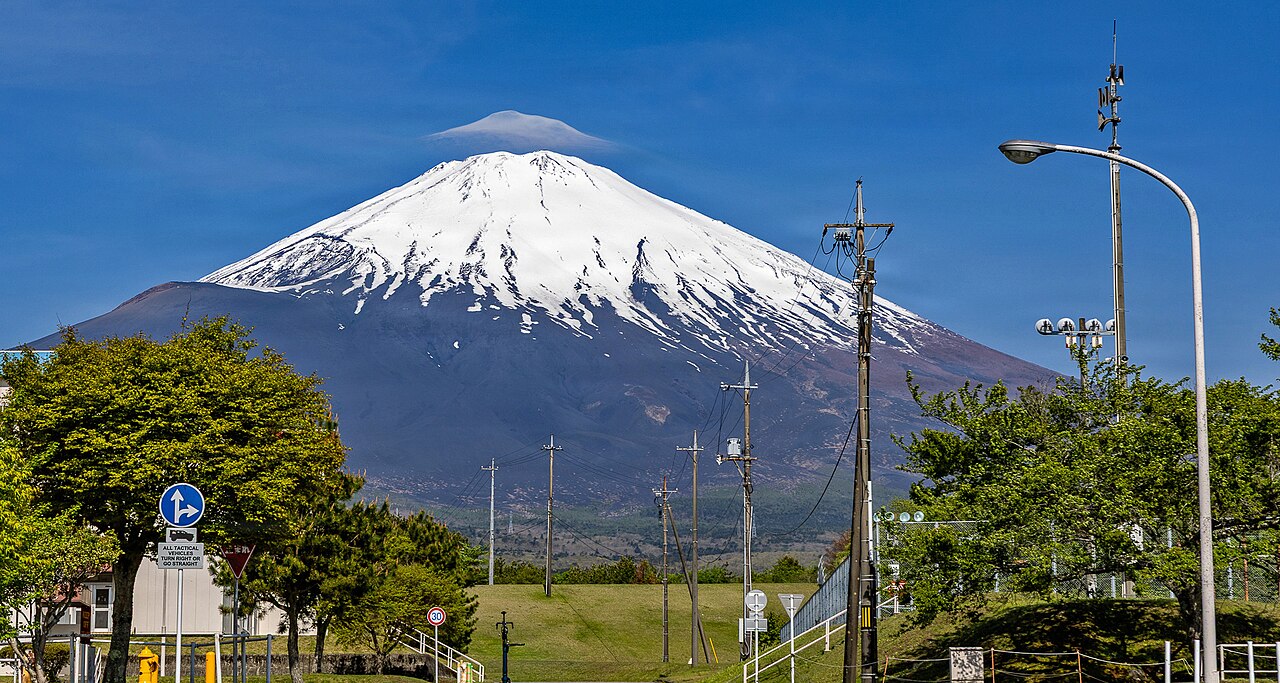
Mount Fuji — Fujisan, if you want the name the mountain actually goes by — sits on the border of Shizuoka and Yamanashi prefectures at 3,776 meters, the highest point in the country and about the most photographed cone of rock and ash on the planet, probably. Hundreds of thousands of people climb it every year, and hundreds of thousands more just look at it from a train window, which is its own kind of pilgrimage. What gets less airtime is the ledger on the other side of the mountain's good looks: the accidents, the rescues, the deaths. That ledger got longer in 2025, and it's worth understanding before you lace up.
The record year, in numbers
Nationwide — not just on Fuji, across every range in Japan — the National Police Agency logged 3,623 people involved in mountaineering accidents in 2025. That's up 226 from the year before, and it's the highest count since records began in 1961. Sit with that for a second: over sixty years of data, and this was the worst of it. Of those 3,623, 246 were foreign visitors, itself a record, and 332 people died or went missing. The figures were reported by Jiji Press, Japan Today, and Nippon.com, and they cover all of Japan's mountains, though Fuji, as the tallest and most heavily trafficked, carries an outsized share of both the foot traffic and, it seems fair to guess, the incidents.
What happened on Fuji in April
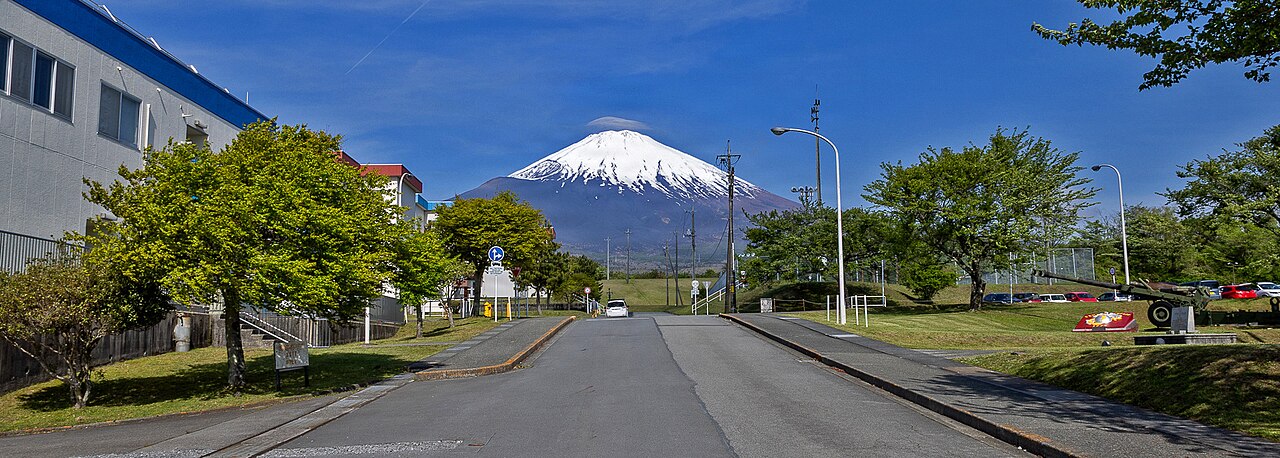
On April 6, a 33-year-old man from Aichi Prefecture fell while descending the mountain and went missing. He was climbing outside the official season — July to early September is the window when trails are maintained, huts are staffed, and the mountain is, relatively speaking, forgiving. Outside that window the trails ice over and storms build fast, and an April descent is a different proposition entirely from an August one. He was found on April 9 near the Hoei First Crater, in cardiac arrest, and confirmed dead on April 21.
A 31-year-old Polish climber fell alongside him. He wasn't reported missing — he was airlifted out by helicopter that same day with leg injuries — and it was his account of watching a companion fall that sent search teams out looking for the Japanese climber in the first place. Two men, one mountain, one moment, two entirely different outcomes. That's the arithmetic Fuji deals in.
Rescues, deaths, and the question of who pays
A report from Asiae, cited widely since, put a more recent tally at 79 climbers rescued on the mountain, 19 of whom later died. Numbers like that don't stay quiet for long, and by June 2026 the conversation in Yamanashi Prefecture had turned to money: specifically, whether climbers who need a helicopter pulled out of a storm should be the ones footing the bill. The prefecture is weighing fees for helicopter rescue, partly to offset the real cost of running the operation — fire department crews, police rescue teams, and local mountain rescue units, weather permitting, which on Fuji it often isn't — and partly, more bluntly, to make people think twice before treating a 3,776-meter volcano as a casual outing.
One case that circulated widely made that argument for them: a 27-year-old Chinese exchange student was rescued twice on Fuji within the same week — first when he got stranded near the summit during the closed off-season, and again days later when he went back up for a cellphone he'd left behind. Twice, one week, one phone. I don't say that to mock the guy; I say it because it's the cleanest illustration going of a mountain that looks approachable and isn't, not really, not outside the season and not without real respect for what it can do to a body in bad weather.
Reading the mountain before you go
None of this is meant to talk you out of Fuji. It's meant to get you thinking about it the way you'd think about any big lumpy ascent: as a place where conditions, not enthusiasm, decide the outcome. A few things worth carrying with you, literally and otherwise:
- Climb within the official season if you possibly can — July to early September — when huts are staffed and trails are patrolled.
- Check weather at altitude separately from weather at the base; Fuji generates its own storms, fast.
- Carry layers built for temperatures well below whatever you're feeling at the trailhead, in any season.
- Register your route and expected return with someone who'll notice if you're late, even informally.
- Don't go back up for anything you left behind. Not a phone, not a camera. Let it go.
Where to experience Mount Fuji in Japan
You don't need to summit to get something real out of Fuji, and honestly, for a lot of travelers, you shouldn't. The Fuji Five Lakes area — Kawaguchiko especially — gives you the mountain in full view without the elevation gain, and towns like Fujiyoshida sit right at its base with shrine paths and old pilgrim lodgings that predate the current safety debate by a few centuries. If you do want to climb, go through one of the four official trails — Yoshida, Subashiri, Gotemba, Fujinomiya — during the season, with a guide if it's your first time at that altitude. The texture of the place changes completely depending on when you show up: a July dawn on the Yoshida trail, shoulder to shoulder with a few thousand other people watching the sun come up, is a wholly different mountain from the icy, empty, indifferent one that killed a 33-year-old man in April.
The vocabulary worth learning
If you're studying Japanese alongside all this, Fuji-related news is a decent, slightly morbid vocabulary builder: 登山 (tozan, mountaineering, mountain climbing) (mountaineering), 遭難 (sounan, accident/distress, getting into trouble (e.g. in the mountains)) (accident or distress), 救助 (kyuujo, rescue) (rescue), 天候 (tenkou, weather) (weather), and 季節外 (kisetsugai, out of season, off-season) (out of season) turn up constantly in reporting on this subject, and knowing them will get you through a Yamanashi Prefecture press release faster than a dictionary will. It's also useful groundwork for reading trailhead signage, which — this being Japan — is often more informative than whatever your phone is telling you at that altitude.


