
What Makes the Sanno Matsuri One of Edo's Great Three
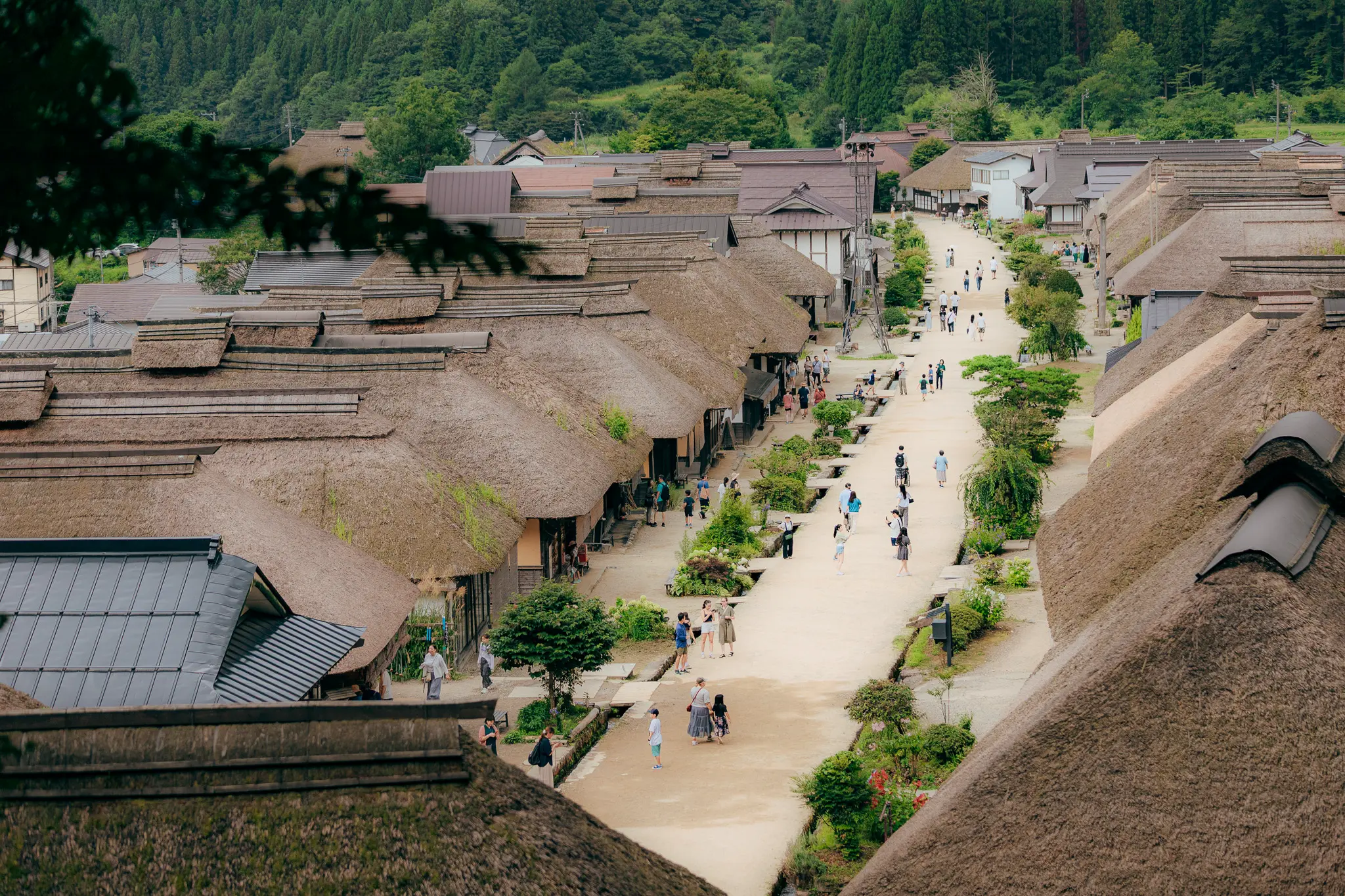
If you've spent any time following Tokyo's festival calendar, you've probably heard the phrase "Edo's three great festivals" thrown around, and the Sanno 祭り (Matsuri, festival) is always on that short list. It's hosted by the Hie Shrine, tucked into the Akasaka area of Chiyoda ward, and it traces its lineage back to the Edo period, when it was one of the few festivals granted permission to process through the grounds of Edo Castle. That history still shapes how the festival feels today. Less like a neighborhood block party, more like a moving piece of the city's own memory.
I still find that distinction useful whenever I explain the festival to friends visiting Japan for the first time. Plenty of Tokyo matsuri are loud, local, and joyfully chaotic. The Sanno Matsuri carries itself a little differently, formal in its choreography, but no less alive for it.
The Two-Year Rhythm: Honsai and Kagematsuri
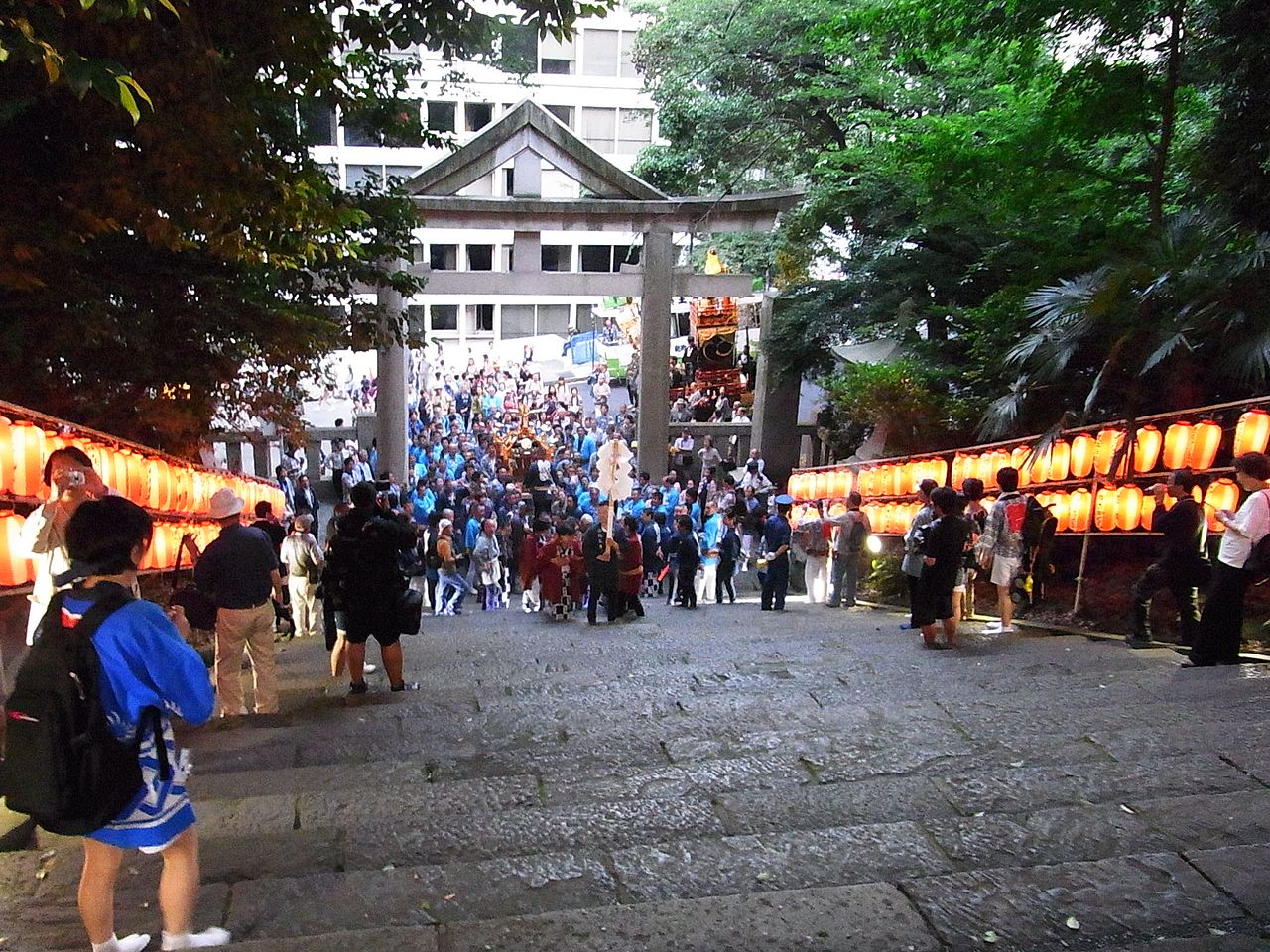
Here's the detail that trips people up the most, and honestly, it tripped me up too the first time I tried to plan around it. The Sanno Matsuri doesn't run its full procession every single year. The shrine alternates between a 本祭 (Honsai, main/full festival), the complete festival with its grand 神幸祭 (Shinkosai, divine procession festival) procession, and a scaled-down 陰祭り (Kagematsuri, scaled-down/off-year festival) in between. Honsai years land on the even numbers, so 2026 and 2028, while odd years get the quieter Kagematsuri instead.
Which means if you're the type who plans a Japan trip years in advance around one event, this is the calendar quirk to circle first. Show up in an odd year expecting the full parade, and you'll find something smaller and gentler instead. Not lesser, just different in scale.
Inside the 2026 Shinkosai Procession
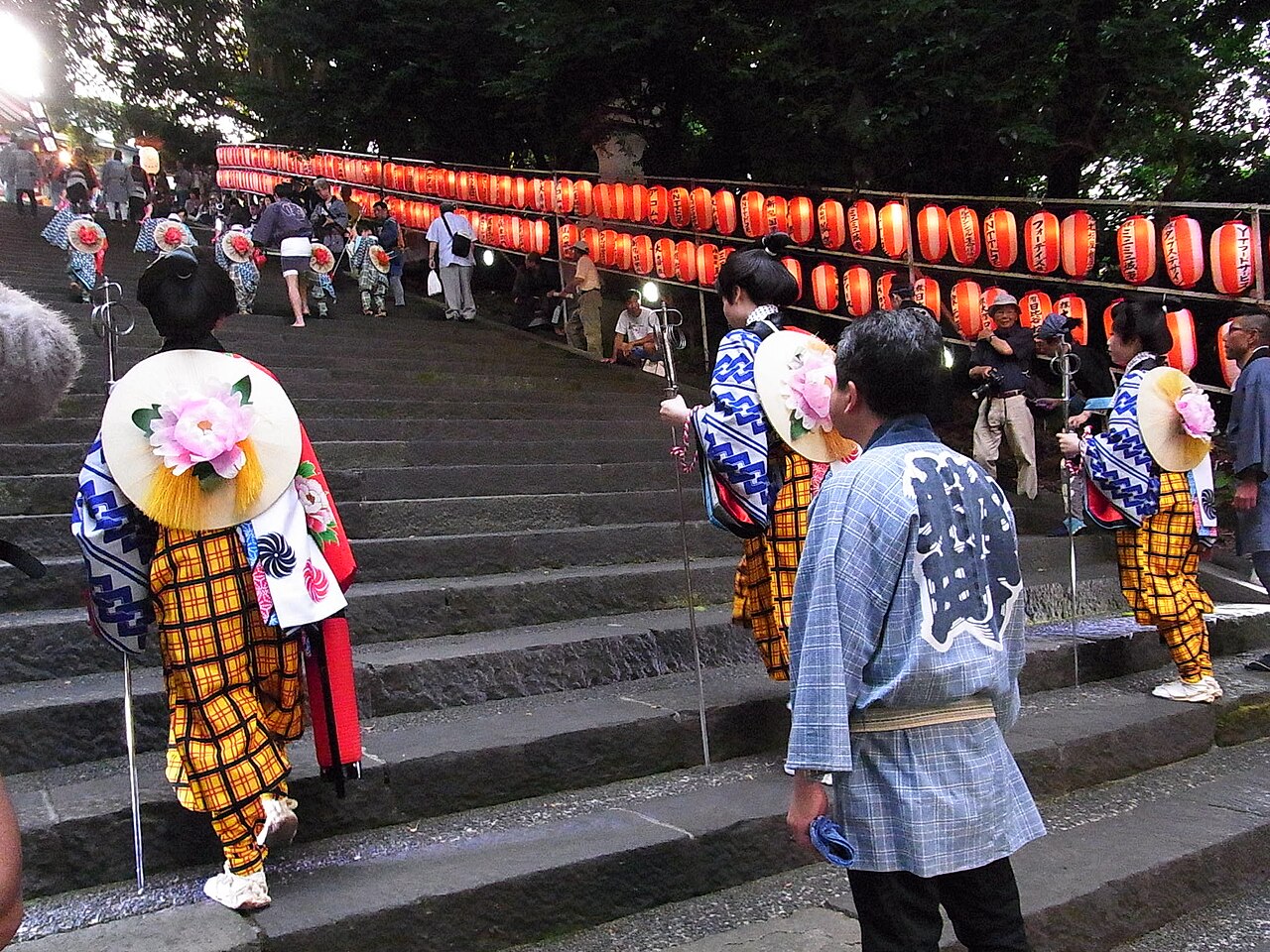
For 2026, the Honsai year, the headline is the Shinkosai procession itself: a roughly 23-kilometer route winding through several of central Tokyo's core districts, carrying portable shrines and around 500 participants dressed in costume styled after the Heian period. That's the detail that stops people in their tracks when they first see photos. Courtly robes, ceremonial headwear, an entire procession that looks like it stepped out of a scroll painting, moving past office towers and train stations.
Now, about the exact date: you'll see June 11 quoted in plenty of festival roundups and travel calendars this year, and I understand why, that date has circulated widely. But the Hie Shrine's own announcement places the main Shinkosai procession on June 12, 2026, a Friday. When planning around something this specific, I'd lean on the shrine's own page over a secondhand calendar every time. Both dates are out there, so confirm directly with the shrine before you build a trip around it.
A Viral Catalog and Other Unconfirmed Buzz
Sometime around mid-June, a comic-style festival catalog attributed to the Hie Shrine reportedly made the rounds on X, drawing attention for illustrations that looked more like editorial art than a typical festival flyer. I'll flag this one clearly: it's unconfirmed, circulating without a clearly verifiable source, so treat it as festival buzz rather than settled fact until the shrine or a reliable outlet confirms it directly. Still, it says something about how much visual interest this festival generates, official or not.
Pairing It With Tsukiji Shishi Matsuri
One thing I appreciate about early June in Tokyo is how the festival calendar clusters. During the week of June 8 through 14, the Sanno Matsuri sits alongside the Tsukiji Shishi Matsuri, the lion-dance festival over in Tsukiji, and both are central enough that you can realistically catch pieces of each without a punishing commute between them. If you're building an itinerary, this is a natural pairing: the stately procession of the Sanno Matsuri on one side, the more percussive, performative energy of a 獅子舞 (shishi mai, lion dance) lion dance on the other.
Finding Your Spot Along the Route
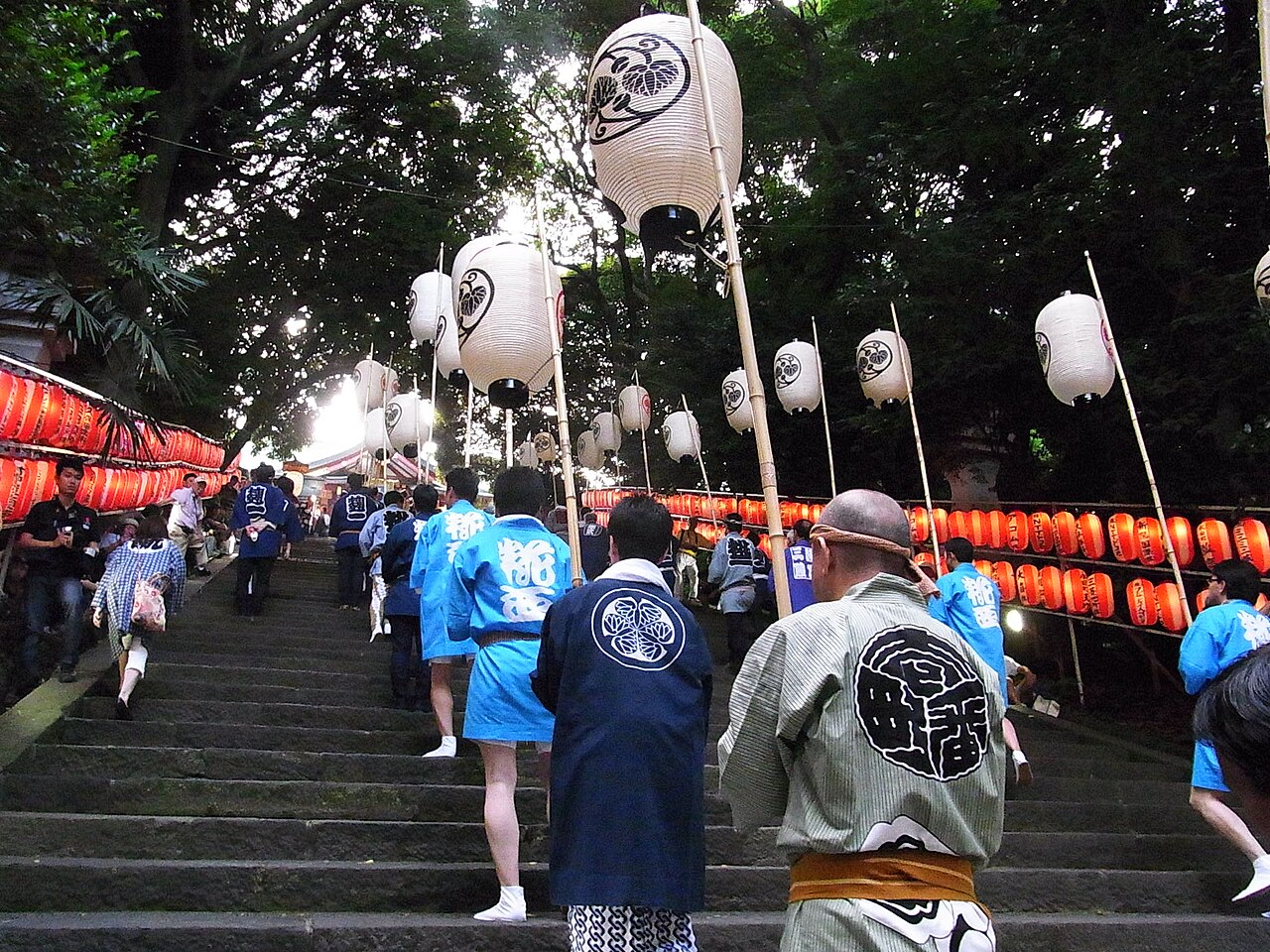
I've noticed this question popping up in travel forums too, including a Reddit thread in r/TokyoTravel asking exactly where to stand for the best view of the parade. Worth flagging as crowd-sourced opinion rather than official guidance, since a 23-kilometer route gives you a lot of options and no single "best" spot has been confirmed by the shrine itself. My honest advice: pick a stretch near the Hie Shrine for the ceremonial send-off energy, or find a quieter side street further along the route if you'd rather watch without fighting a crowd. Either way, arrive early. Processions like this move at their own unhurried pace, and that's part of the charm.
How to Get Started With the Sanno Matsuri
If this is your first time hearing about it, start with the basics: Sanno Matsuri, Hie Shrine, Shinkosai, Honsai, Kagematsuri. Learning these words in romaji is genuinely useful groundwork, both for reading Japanese festival announcements and for following along if you're studying the language more seriously. I'd also recommend checking the Hie Shrine's own website close to the date for the confirmed schedule, since details like exact start times and route maps tend to firm up as the festival approaches.
- Confirm the current year's procession date directly on the Hie Shrine's website before finalizing travel plans
- Remember the two-year rhythm: full Honsai processions land on even years, quieter Kagematsuri on odd years
- Consider pairing your visit with the Tsukiji Shishi Matsuri the same week
- Pick a viewing spot near the shrine for atmosphere, or further along the 23-kilometer route for smaller crowds
- Learn key romaji terms like Shinkosai and Honsai as a starting point if you're also studying Japanese
And if you can, go see it in person at least once. Photographs capture the costumes. They don't quite capture the sound of a procession this size moving through a city this dense.
