
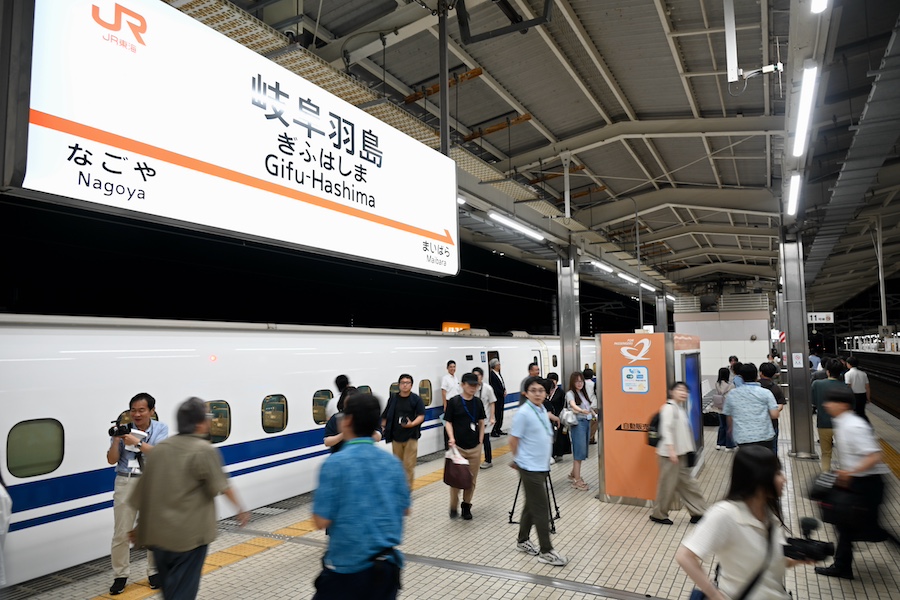
The name itself, 東海道ルミエールエクスプレス, already sounds like something half elegant, half experimental. And the route detail matters too, because this wasn't just a gimmick train, it was a Tokyo-to-Osaka night run with a very specific stop at Gifu-Hashima Station.
The Tokaido Lumiere Express Was a Real First
What exactly made the Tokaido Lumiere Express such a big deal? Simple. JR Central ran the first-ever overnight 新幹線 (Shinkansen, bullet train; high-speed rail) on the Tokaido line, and that alone puts it into Japanese rail history. The service was called 東海道ルミエールエクスプレス, and it turned the country's most famous high-speed corridor into something it has never been before: a late-night long-distance ride that crossed the hours when Shinkansen usually sleep in the depot.
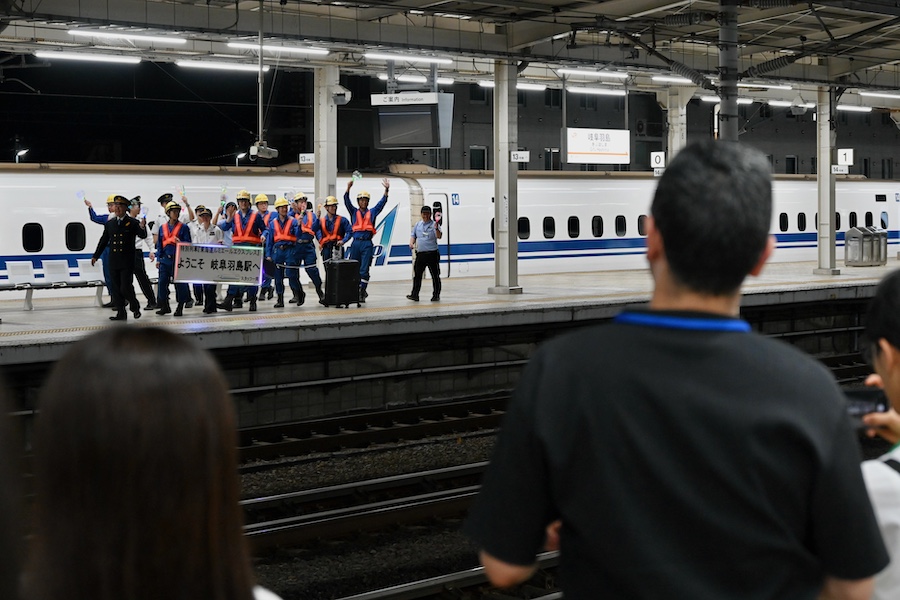
Here's the thing: this wasn't a regular timetable change. It was a special one-night operation on 8 August 2026, with the train leaving Tokyo Station at night and reaching Shin-Osaka the next morning. That one-night-only detail is what makes rail fans go absolutely feral. Classic Japan, isn't it?
JR Central said the idea was tied to changing travel demand, especially busy seasons and overnight travel needs between the Tokyo metropolitan area, the Chukyo area around Nagoya, and Kansai. On paper, that sounds practical. In practice, it also sounds like the kind of test run that can generate a lot of buzz, a lot of photos, and a lot of commuter daydreams. Convinced yet?
Before I forget: if you like learning Japanese through real-world news, this is a great story to pin in your memory. Words like tokko, 朝方 (asagata, early morning), and shinkansen are already familiar, but the real lesson is how Japanese transport news often blends efficiency with spectacle. One train, one night, one route, and suddenly everyone's talking about rail policy and travel culture at the same time. Not bad, right?
Why One Night Only Matters So Much
Why does a single-night run create such a stir? Because Japanese rail culture treats timing as seriously as the train itself. A one-off service is never just a departure and arrival, it's an event. People track it, photograph it, post about it, and then remember it for years, especially when it involves a train as iconic as the Tokaido Shinkansen.
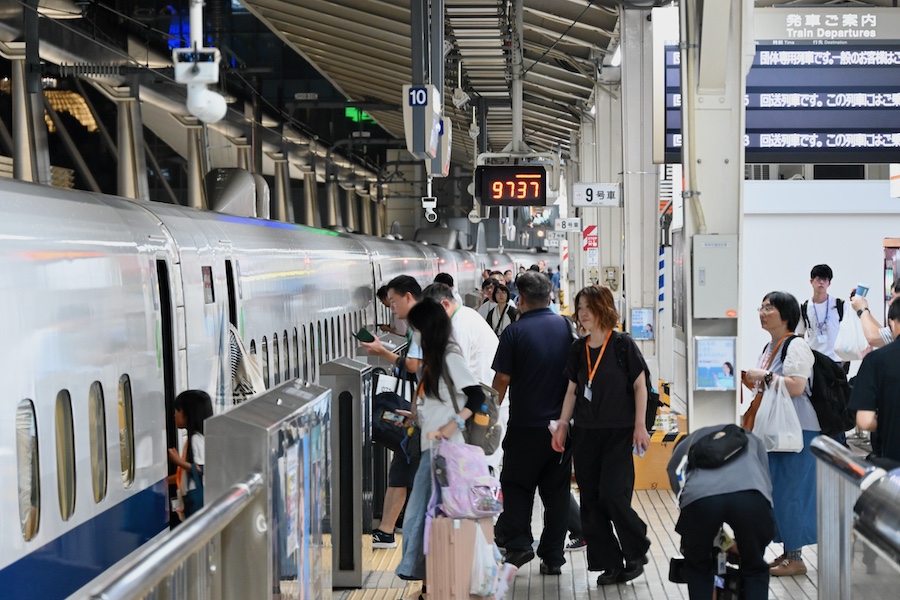
Take the schedule, for instance. The train departed Tokyo late at night, with stops including Shinagawa and Shin-Yokohama before heading west. That kind of timing opens the door to a very different travel style. Instead of paying for a hotel and wasting the evening, you board, rest, and wake up far closer to your destination. For Japan fans, that's the sort of travel hack that feels both practical and slightly romantic. Simply brilliant.
To be fair, this wasn't marketed as a full sleeper train in the classic sense. You aren't getting the old-school futon-on-rails vibe of a kaichosha or the nostalgic charm of the blue-train era. Still, the idea of a high-speed overnight run is a strong reminder that Japanese railways keep finding new ways to reuse familiar infrastructure. The Tokaido line usually stands for speed and punctuality, so seeing it work at night gives the whole thing a fresh layer of cool.
My tip: if you are studying Japanese, pay attention to how transport headlines use compounds. Tokaido, overnight, express, service, station names, and company names are often packed into neat chunks. That makes rail news excellent reading practice. You get vocabulary, geography, and cultural context in one go. Sounds good, right?
Gifu-Hashima Station and the Route Detail Nerds Loved
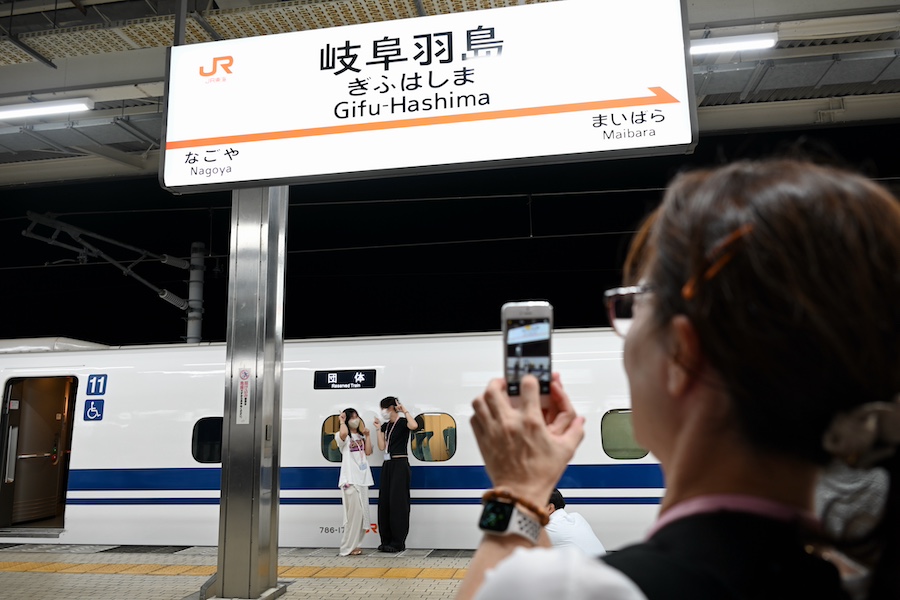
Know that feeling when a tiny route detail makes the whole story better? That is exactly what happened with Gifu-Hashima Station. It isn't the headline stop most casual travellers would name first, but for rail nerds it matters a lot, because route specifics tell you what kind of operation this really was. A special Shinkansen run with a named stop in Gifu Prefecture gives the whole thing a very real-world feel.
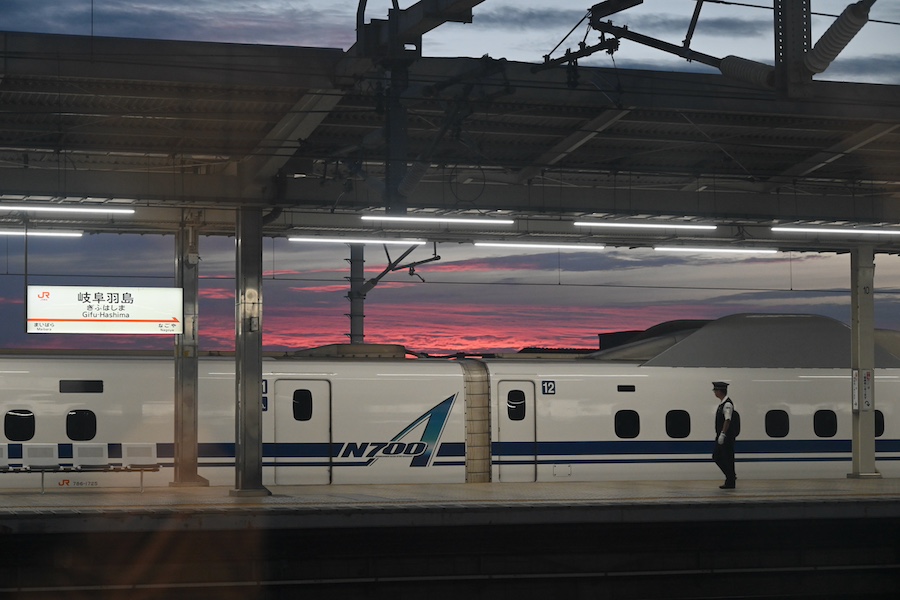



Gifu-Hashima sits on the Tokaido Shinkansen line in a region that connects neatly with the broader Chukyo transport network. That location makes it a smart choice for a special service, because it bridges the Tokyo side and the Kansai side while still feeling a little off the usual tourist radar. If you are the kind of person who checks station lists on maps, this is your moment.
Here's the kicker: the line between Tokyo and Shin-Osaka is already one of Japan's most famous travel corridors. But by inserting a night run and highlighting a specific middle stop, JR Central made the geography part of the story. It's not just about getting from A to B. It's about how the train moves through the country after dark, and how that movement changes the whole mood of the trip. On the flip side, it also shows how much public attention one carefully chosen station can attract.
For learners of Japanese, station names are a great place to build listening and reading confidence. Tokyo, Shinagawa, Shin-Yokohama, Gifu-Hashima, Shin-Osaka, these are concrete names, not abstract vocabulary. When you can follow a route like this in romaji, you start to feel the shape of Japan's rail map in your head. That matters more than memorising isolated words. Convinced yet?
What This Means for Japan Fans and Learners
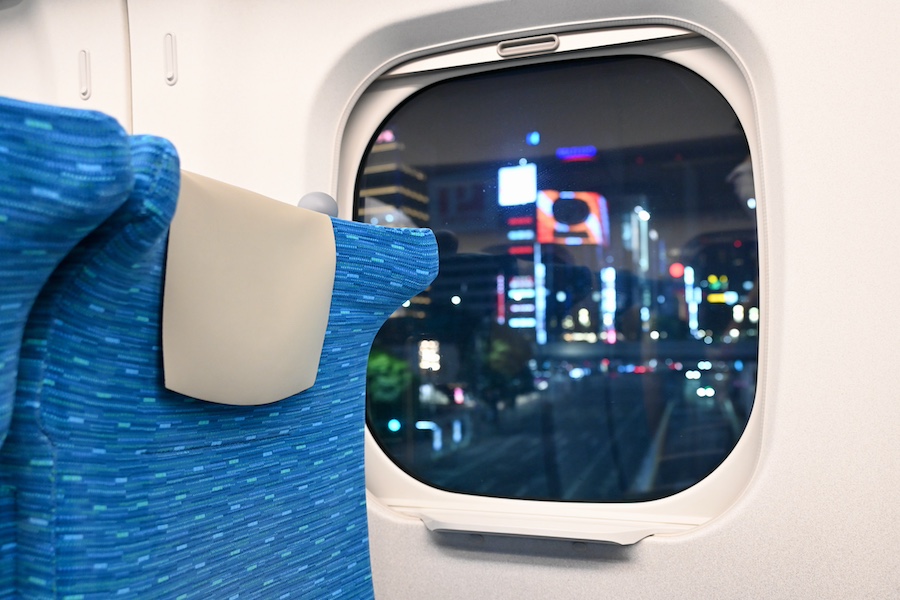
Picture this: you're in Tokyo at night, you board a Shinkansen, and instead of thinking about the last train home, you're thinking about waking up in Kansai. That is a very different Japan travel fantasy, and the Tokaido Lumiere Express tapped straight into it. For rail fans, it was a rare chance to see the Tokaido Shinkansen behave like a night train. For language learners, it was a neat reminder that real Japanese news can be exciting, concrete, and useful for study.
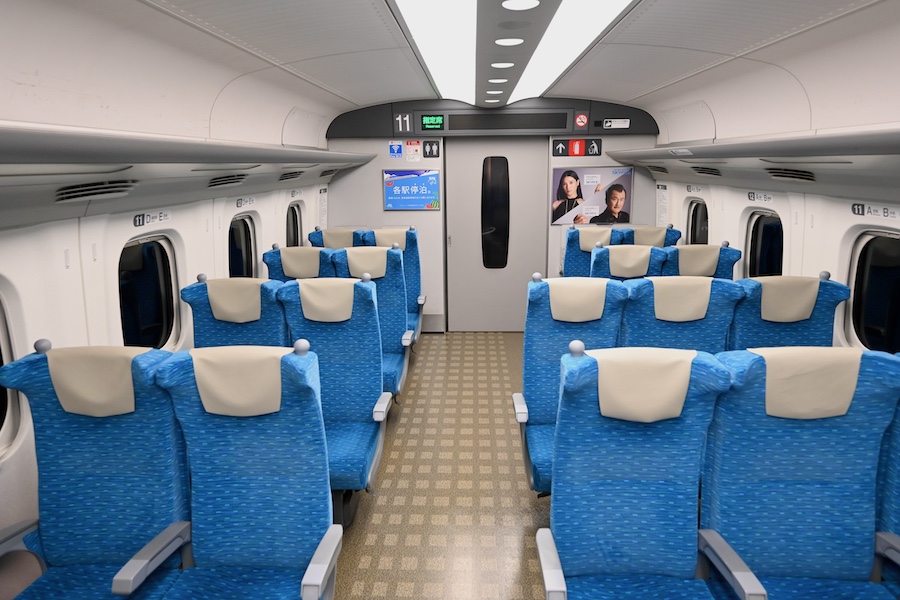
What I especially like is how this story sits at the intersection of efficiency and theatre. Japanese railways are famous for precision, but they also know how to stage a moment. One-night-only operations create memory, not just transport. And when a service gets a name as polished as Lumiere Express, you can feel the branding work hard to make the idea of overnight high-speed travel sound elegant rather than odd. Classic Japan, isn't it?
There is also a bigger travel lesson here. Hotel prices, event travel, and peak-season congestion all push people to look for alternatives. JR Central's experiment suggests that overnight Shinkansen services could have a future, even if this first one was a limited test. Will every route become an all-night ride? Probably not. But the fact that Japan tried it on its most famous line tells you the idea is no longer fantasy.
Before I forget: if you want more Japan news and train stories like this, keep an eye on jpnerd.com. And if you're building your Japanese reading habit, stories like this are perfect because they mix place names, policy, and plain old rail excitement. That's the sweet spot for learners. But that's not all.
In pictures
Frequently Asked Questions
What was the Tokaido Lumiere Express?
It was the first overnight Shinkansen service on the Tokaido line, operated by JR Central as a special one-night event.
When did it run?
It ran on 8 August 2026, with a night departure from Tokyo and arrival in Osaka the following morning.
Why did rail fans care so much?
Because it was a one-time overnight Shinkansen on Japan's most famous high-speed route, with specific stops that made the service feel historic.


