
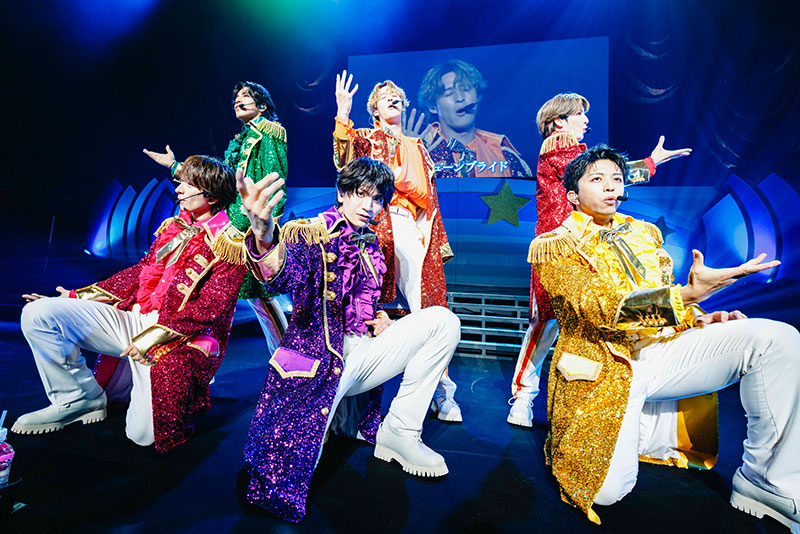
The timing matters too, because this is the group’s 2nd concert tour, and the Aichi stop at Niterra Nippon Tokushu Toryo Civic Hall gave the song real live momentum. If you like Japanese pop history with a modern idol-style twist, this is a fun track to watch.
MATSURI and Koi no Chuo Line are a neat reminder that Japanese pop still loves a strong hook, a place name, and a bit of 昭和 (Showa, Shōwa era)-era sentiment. The song was originally expected to be a different single, but once Yasushi Akimoto heard this demo, he changed course. That kind of switch doesn’t happen every day, and it tells you a lot about how instantly catchy the track must be.
For Japanese learners, this is also a pretty good listening exercise. The station names, the rhythm, the repeated phrasing, all of it makes the lyrics easy to latch onto. My tip: if you’re studying ローマ字 (romaji, romanized Japanese; Roman letters) vocabulary or train-related Japanese, this song gives you a playful way to remember real place names, and yes, that’s more useful than it sounds.
Here’s the catch: the song isn’t just cute or nostalgic. It’s positioned as a real centrepiece for MATSURI’s current live run, and that gives it extra weight. When an idol-like group uses a track this strongly in concert, the audience doesn’t just hear the melody, they learn it through repetition, reaction, and atmosphere. Sounds simple, but it works.
Yasushi Akimoto and the surprise behind Koi no Chuo Line
Plot twist: the song that ended up leading the release plan was not the one originally expected. According to reports from Oricon and avexnet, Akimoto had planned to use Rai Rai Rai as the main track. Then he heard Koi no Chuo Line, with lyrics by Hideki Naruse, and the melody plus concept grabbed him immediately.
The reason is simple: the song sticks. Akimoto reportedly said that the string of station names, from Mitaka and Musashi-Sakai to Higashi-Koganei, Musashi-Koganei, and Kokubunji, hit him so hard that he knew right away it should be the title track. That’s classic Japan, isn’t it? A pop song can be part memory lane, part geography quiz, part crowd chant.
While we're at it, this also shows how much weight Akimoto still carries in Japanese pop production. He’s produced countless acts, and his instinct for a song that can work both on a recording and in a live hall is still sharp. What I especially like: he didn’t just pick the safer or most obvious option. He chose the track with the strongest earworm factor, and that’s usually the smarter move for stage impact. Personally, I think that’s the kind of decision that keeps a group from sounding generic.
A train-line chorus that does the heavy lifting
Fun fact: songs built around station names are almost always memorable, because the listener starts expecting the next stop. In Koi no Chuo Line, that structure creates motion, and motion creates anticipation. You’re not just hearing about romance, you’re moving through Tokyo-area geography as the relationship unfolds.
For Japanese language learners, that means you can pick up place names naturally. You also get a feel for how Japanese pop likes to compress mood into repeated location words, which is a very real lyrical style in 演歌 (enka, enka; traditional Japanese ballad genre) and Showa-inspired songs. Personally... that blend of old-fashioned tone and modern group performance is exactly why the track stands out.
MATSURI’s 2nd concert tour and the Aichi stop
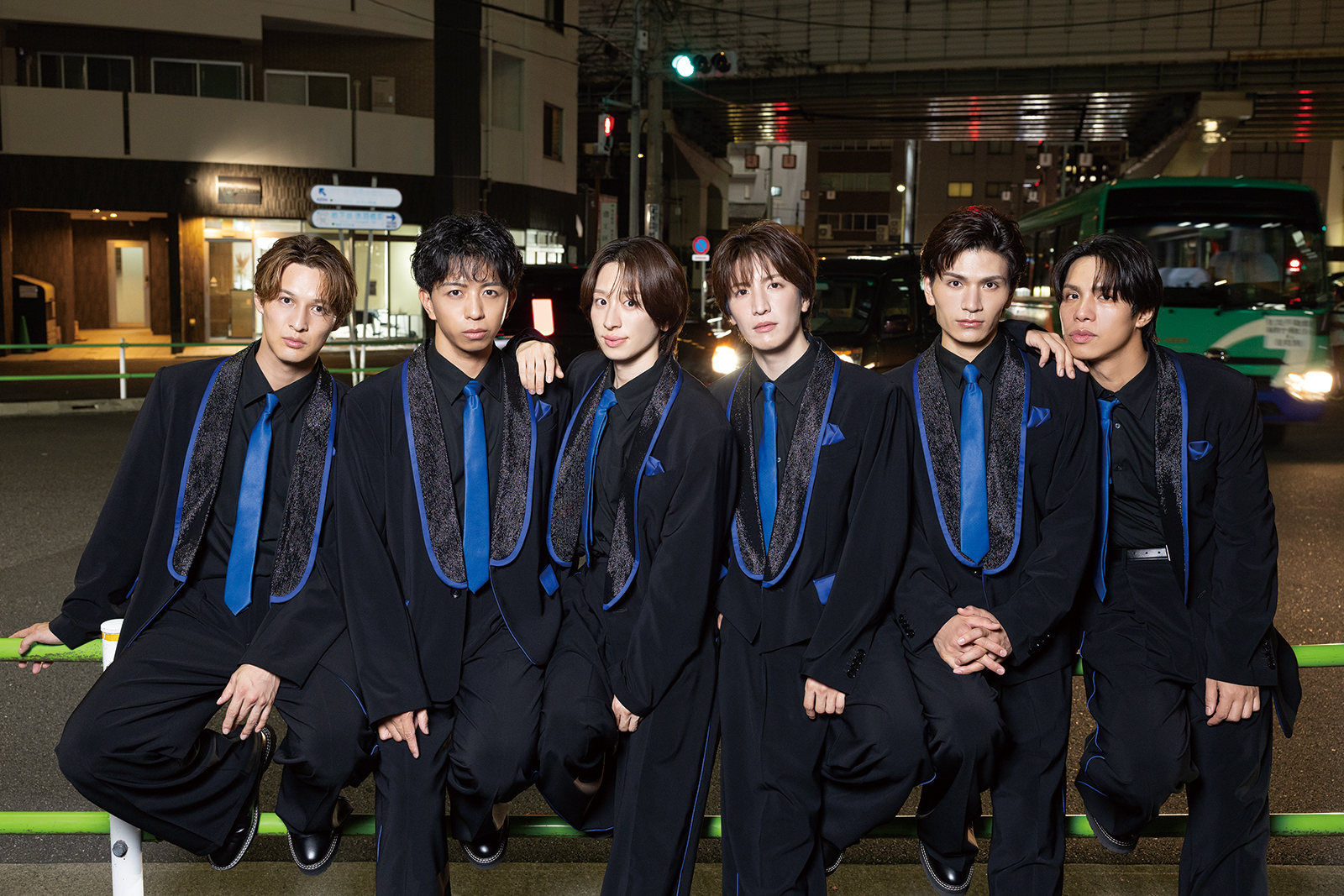
MATSURI opened its 2nd concert tour, Uta u kado ni wa fuku kitaru, with the new title track in focus. The group is made up of Watanabe Shin, Hashizume Kenji, Onodera Tsubasa, Matsuoka Takuya, Suzuki Wataru, and Yanagida Yuki, and the lineup gives the act a strong vocal-group feel rather than a standard idol format. That matters live, because these songs need voices that can carry both the melody and the old-school emotional punch.

The tour also includes an Aichi stop at Niterra Nippon Tokushu Toryo Civic Hall. That venue name is long, sure, but it’s a very solid place for a song like this, because halls with a serious acoustic set-up let group vocals ring out cleanly. Oh, almost forgot: Aichi audiences tend to be lively, and a track with a chorus built around place names usually gets extra energy when the crowd realises they can sing along almost immediately.
Here’s the kicker: MATSURI isn’t just treating the song as a single release. It’s being framed as something that can anchor the whole tour. That’s a big deal for a newer act, because a tour anthem gives fans something to latch onto fast, especially when the material has a strong retro flavour. For example: when the chorus lands, you can almost hear the room deciding together that this is the song they’ll remember from the night.
Why the live setting matters so much
A studio version can sell the mood, but a concert makes the hook stick. In a hall setting, a Showa-style tune works like glue, because the arrangement, the pauses, and the audience response all reinforce the same feeling. If you’re learning Japanese, this is a great reminder that music isn’t just about vocabulary, it’s about timing, cadence, and how words land in the ear.
Quick detour: if you’ve ever watched old enka performances, you already know this kind of emotional build. MATSURI is borrowing that sense of drama, then wrapping it in a newer group image. It’s a smart bridge, and I’d say it gives the act a clearer identity than many younger projects manage. My verdict: that’s why Koi no Chuo Line feels bigger than a routine single.
Why Koi no Chuo Line works for Japan fans and learners
Know that feeling when a song teaches you a place name before a textbook does? This is one of those tracks. The title alone, Koi no Chuo Line, is easy to remember, and the repeated station references give learners a natural anchor for vocabulary tied to transport, direction, and urban culture.
There’s also a cultural layer here. The Showa-pop mood taps into nostalgia, but not in a dusty way. It feels polished, performable, and very aware of how Japanese audiences enjoy a good throwback when it’s done with confidence. Insider tip: if you want to understand why this song is landing, listen for the balance between sentimental phrasing and clean group delivery.
In that sense, MATSURI’s current run is more than a tour promo. It’s a case study in how a well-chosen song can define a group’s live identity, especially when a producer like Akimoto spots the hook early and trusts it. But that’s not all. For fans of Japan, it’s also just plain fun to hear a modern act turn train-line names into a chorus you can’t shake off.
Sources
Frequently Asked Questions
Who produced MATSURI's new song?
Yasushi Akimoto produced the group and reportedly helped decide that this track should lead the release.
Where is MATSURI performing the song on tour?
One stop highlighted in the reports is Aichi, at Niterra Nippon Tokushu Toryo Civic Hall.
Why is the song getting attention?
Because it mixes a strong chorus, train-station names, and a nostalgic Showa-style mood that works very well live.


