What is Kakigori? Japanese shaved ice basics
Ever wondered why kakigori feels different from the shaved ice you know back home? Historically, かき氷 can be traced to the Heian period (794–1185) when aristocrats enjoyed iced desserts flavored with fruit juices, and today it ranges from festival-style syrup cups to elaborate café creations that cost 1,000–1,500 yen.
Flavors and Toppings ( traditional to trendy
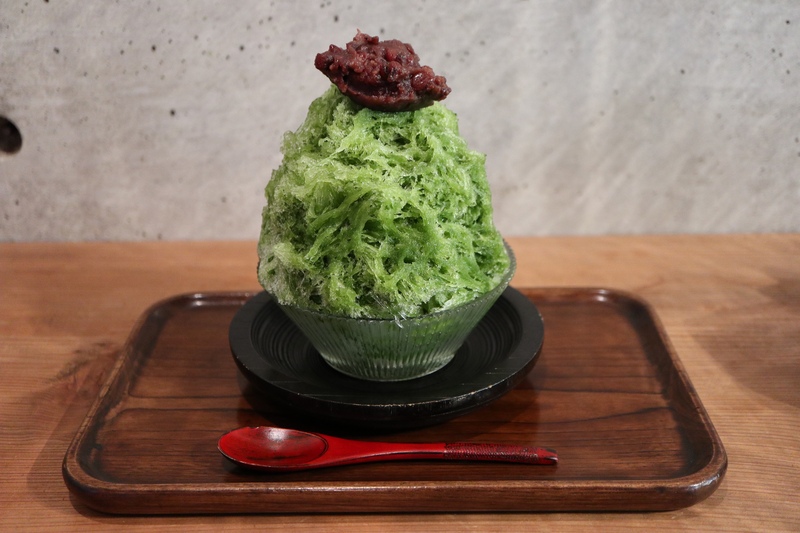
I remember my first kakigori in Asakusa, a peach syrup shaved-ice cup sold at a summer with (sweet red bean), ichigo (strawberry) syrup, and simple lemon or melon. No exaggeration, a good matcha kakigori balances bitterness and syrup so well it tastes like a cold tea ceremony.

Classic toppings you should try
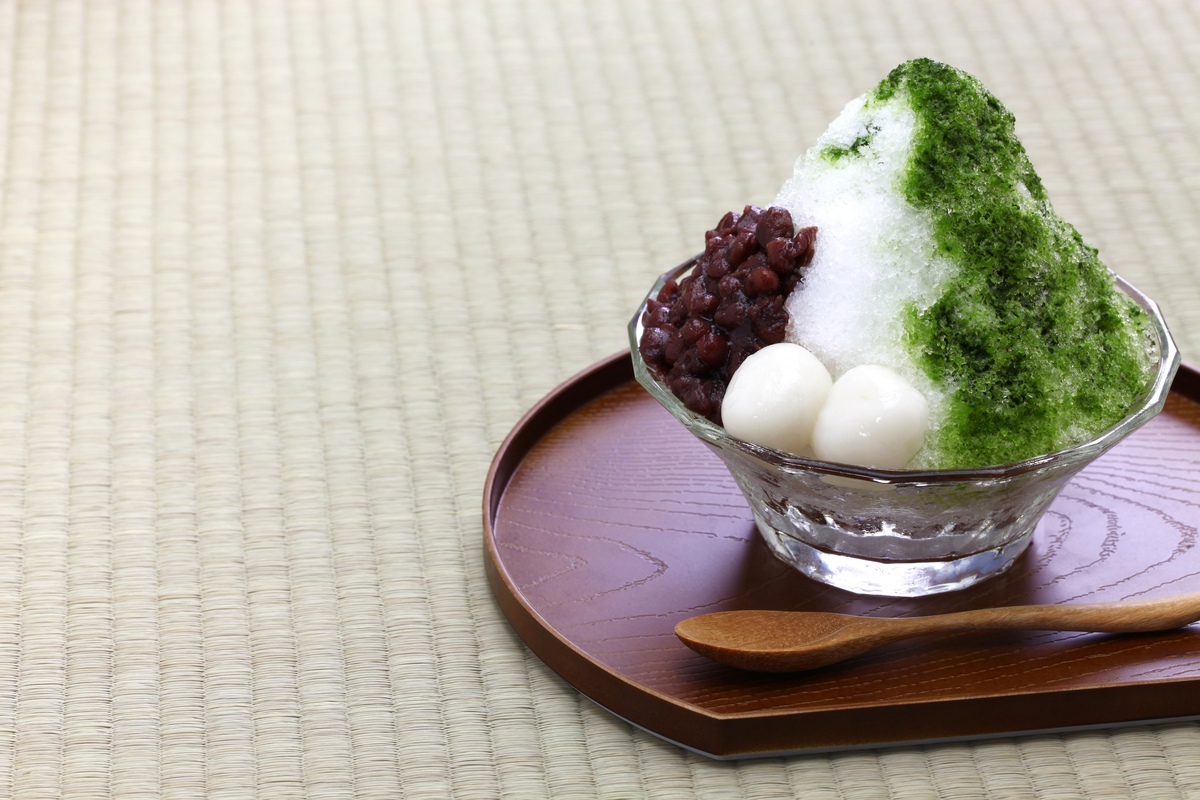
Here's the thing: condensed milk and anko are the backbone toppings. (black sugar syrup) offers a rich, molasses note. Personally, I love matcha + anko + condensed milk combo, it’s classic Japan, isn't it? My verdict: try it at least once in Kyoto.
Modern twists and seasonal flavors
Guess what? Cafés in Harajuku and Nakameguro now serve kakigori topped with yuzu gel, mango puree, hojicha syrup, and even espresso shots. On the flip side: festival kakigori tends to be cheaper, usually 300–700 yen, but texture and ingredients are basic. Pro tip: if you want the fluffy, snow-like ice, look for shops advertising 'finely shaved' or 'fluffy ice' on their menu.
Oh, almost forgot: toppings like mochi, fresh fruit, and ice cream will push the price up, but they turn a street snack into a dessert experience. My tip: split a premium kakigori between two people, they're often huge and very Instagram-friendly.



How to order kakigori: Bestelltipps and Japanese phrases
When I first ordered kakigori in a tiny Tokyo café, the menu had no English and the staff were patient, so speaking a few words helped a lot. Seriously though: learning two phrases will change the game, try saying 'XX wo onegaishimasu' to point at a menu item, and 'mitsu extra' if you want more syrup.
Useful phrases and vocabulary
Guess what? A tiny vocabulary boost makes you look confident. Say 'kakigori, kudasai' for 'kakigori, please', or ask 'mitsu wa fukamarimasu ka?' to confirm extra syrup. What most people don't know: many cafés accept orders by showing a photo on your phone, which is handy when kanji menus stump you.
Ordering strategy at festivals and cafés
Fun fact: festival stalls (yatai) serve quick and cheap kakigori, cafes take longer and charge more for layered sauces and handmade syrups. On the flip side: café kakigori often uses ice shaved by specialty machines for that melt-in-your-mouth texture. My tip: ask for 'less sugar' or 'more condensed milk' to tweak sweetness, many places are happy to adjust.
Where to find the best kakigori
What most people don't know: Tokyo neighborhoods like Asakusa and Kichijoji, and Kyoto's Gion area, are reliable spots for both traditional yatai and modern kakigori boutiques. No exaggeration: summer festivals such as Gion Matsuri in Kyoto feature dozens of stalls selling kakigori through July. Personally, I prefer small café shops for textures and creative toppings, while stalls win for atmosphere and price.
In pictures
Frequently Asked Questions
What is kakigori?
Short answer: Japanese shaved ice dessert topped with flavored syrups and often extras like condensed milk or sweet red bean.
How much does kakigori cost?
Short answer: Festival kakigori is usually 300–700 yen, café-style kakigori often costs 800–1,500 yen.