
The tricky part is choosing the right one. Toyoko Inn, Dormy Inn, and the other big business-hotel chains all aim at the same traveller, but the experience can feel very different once you care about breakfast, room size, baths, or how far you’ll walk with a suitcase.
Know that feeling when you arrive in Japan after a long flight, and all you want is a clean bed, a strong shower, and a hotel that’s easy to find from the station? That’s where Japan business hotels shine. They’re not trying to be glamorous. They’re trying to be efficient, and that’s exactly why so many Japan fans end up loving them.
The first time I went to Japan, I expected tiny rooms and zero personality. What I found was much more practical than that. A good business hotel can give you free breakfast, fast check-in, laundry machines, vending machines, and a location that lets you catch the first train without stress. My tip: if your trip includes a lot of movement, business hotels often beat bigger hotels on pure convenience. Wait, there’s more.
Toyoko Inn: the classic budget choice
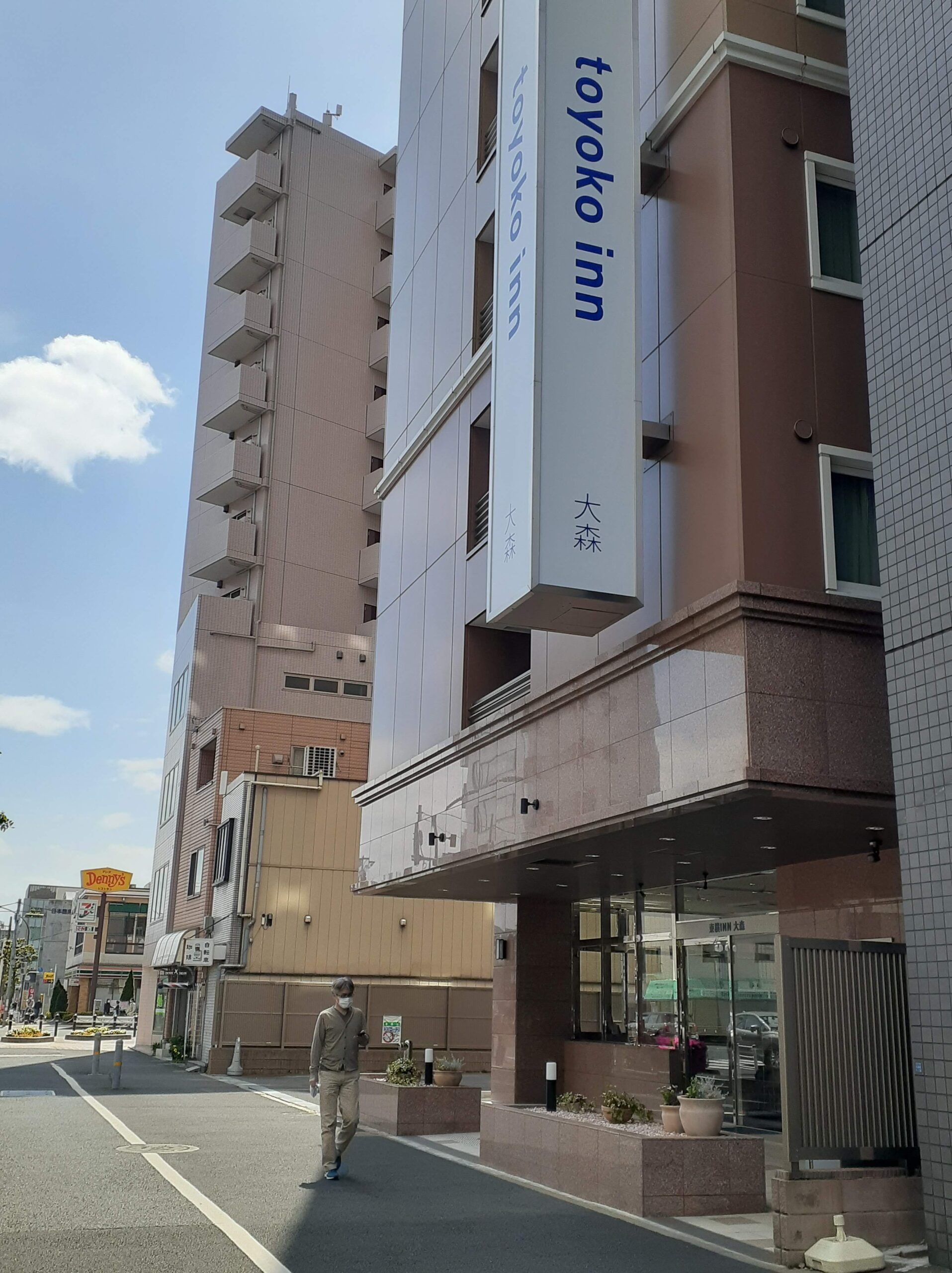
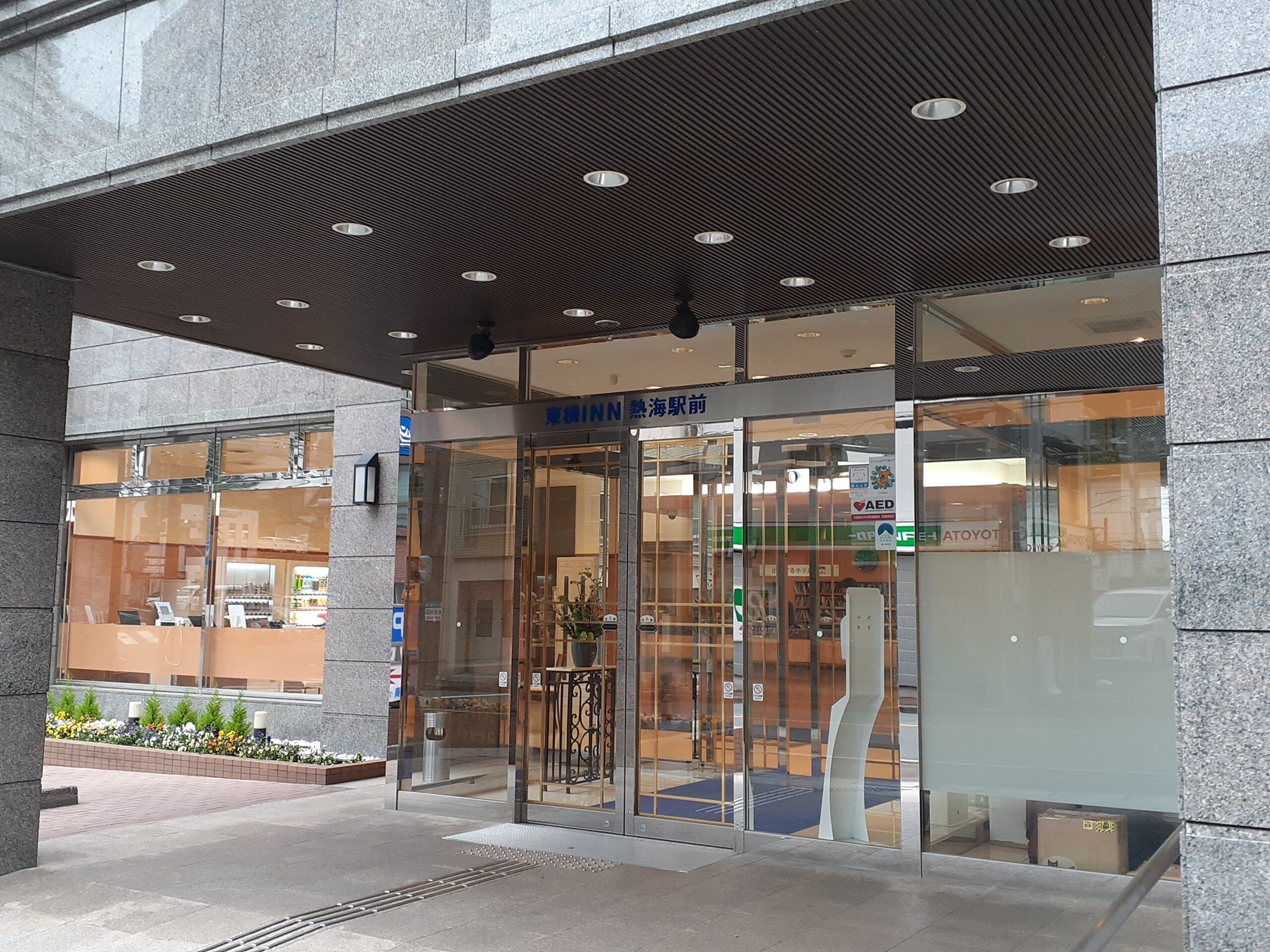
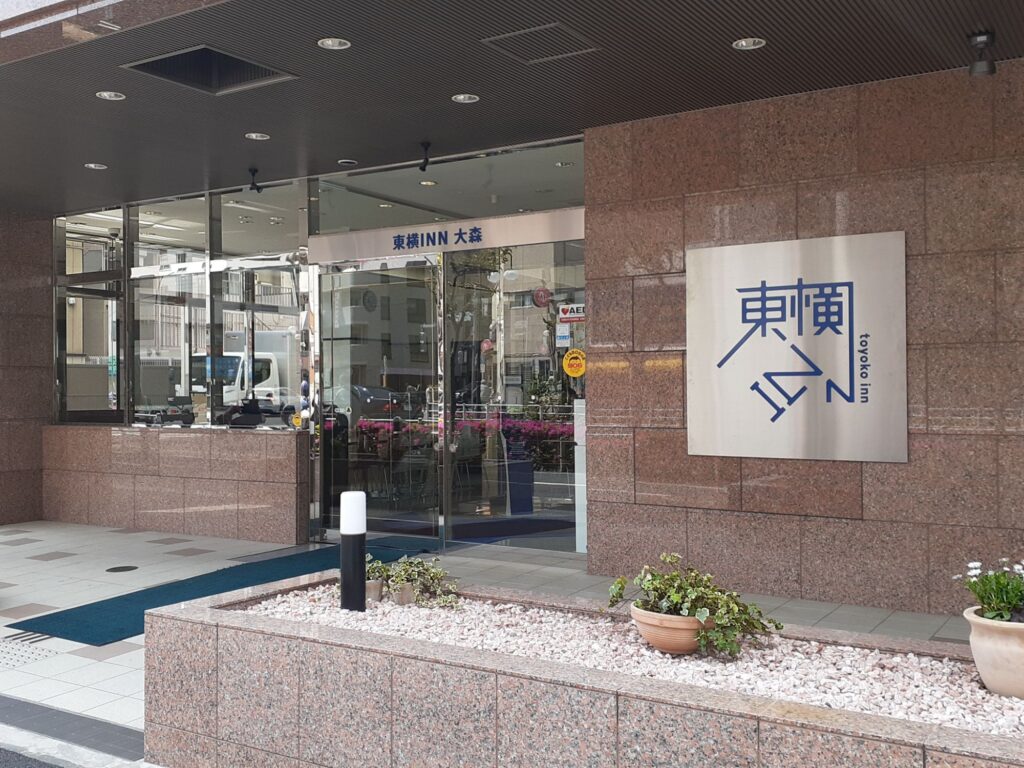
Toyoko Inn is probably the name most travellers learn first. It’s one of the largest business-hotel chains in Japan, with hundreds of properties across the country, often placed near major stations, airport access points, or business districts. The brand is known for consistency. You usually know what you’re getting before you even open the door.
Rooms are compact, but that’s part of the deal. Expect a work desk, a small bathroom, a kettle, a fridge, and Wi-Fi. Many locations include a simple breakfast, usually free, and that matters more than people think when you’re trying to leave by 8 a.m. The breakfast isn’t fancy, but rice, soup, bread, eggs, and coffee can be enough to start the day without hunting for a cafe.
Why Toyoko Inn works so well
If you want the lowest stress-per-yen ratio, Toyoko Inn is hard to beat. It’s especially useful in smaller cities where hotel choices can be thin, and the chain’s layout is so standard that even tired travellers can settle in fast. On the flip side, it won’t feel warm or luxurious. You’re paying for stability, not style. My verdict: practical, reliable, and very Japan. See what I mean?
Dormy Inn: the chain that feels like a treat
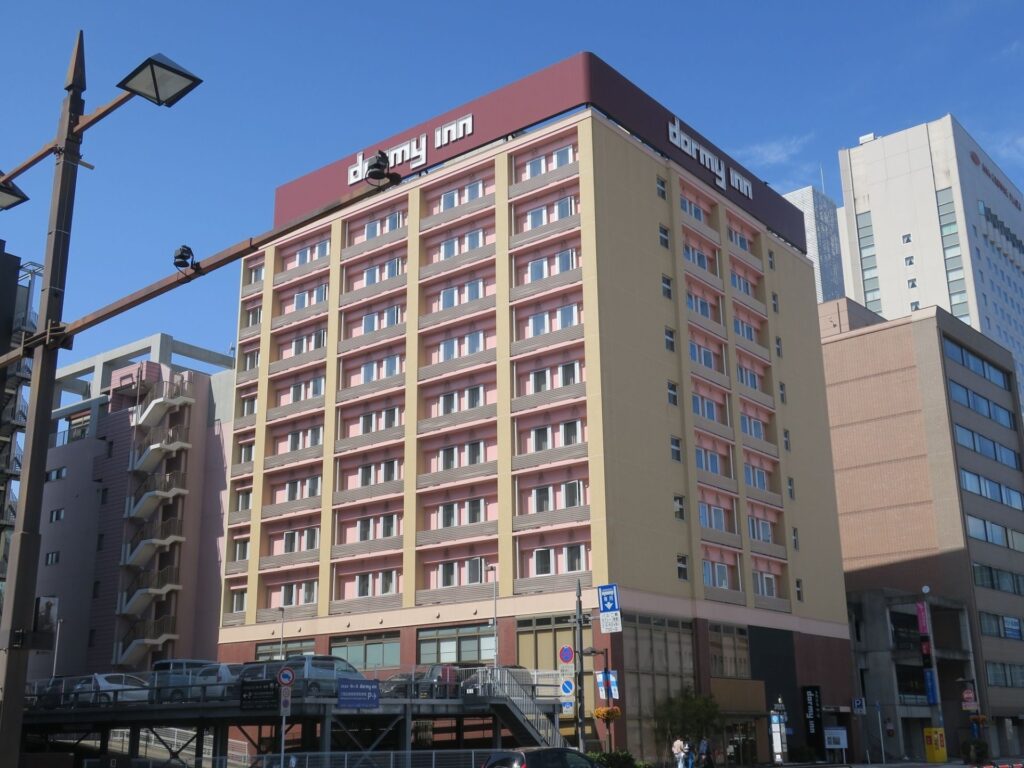
While we’re at it, Dormy Inn takes the business-hotel idea and adds a few things that make a big difference. The most famous one is the public bath, or onsen-style bath, which many locations offer either on-site or in a partner facility. After a long day of walking through Tokyo, Kyoto, or Sapporo, that bath can feel simply brilliant.
Dormy Inn also tends to be stronger on breakfast and small comforts. Some branches serve local dishes, and a few even offer late-night ramen as a free service. That sounds minor until you’ve been out all evening and don’t want a heavy dinner. Their rooms are still compact, but the overall atmosphere feels a touch more relaxed than Toyoko Inn.
Best for travellers who want comfort without splurging
What I especially like is that Dormy Inn often gives you a sense of staying somewhere more thoughtful, even though it’s still a business hotel. You’ll usually see better bath facilities, a bit more character, and a stronger “I can stay here for several nights” feeling. If you’re visiting on a budget but still want a reward at the end of the day, Dormy Inn is a smart middle ground. Not bad, right?



Let’s be honest: this is the chain I’d choose when I know I’ll be walking all day and need a proper reset at night. That little extra comfort can change the whole mood of the trip. See what I mean?
Other business-hotel chains worth knowing
Quick detour: Japan’s business-hotel market is bigger than just those two names. APA Hotel is everywhere, and its network is huge, especially in major cities. It often wins on location, though room size can be very tight. Route Inn is another dependable chain, often popular outside the biggest tourist centres, and many properties include a public bath too.
Super Hotel is worth a look if you like a more eco-minded setup and a decent breakfast. Richmond Hotel, Mitsui Garden Hotel, and Daiwa Roynet Hotel sit a bit higher in the comfort range, though prices can climb quickly in popular areas. In Tokyo, Kyoto, and Osaka, rates can swing a lot by season, but business hotels still often sit in the safer budget zone compared with full-service hotels.
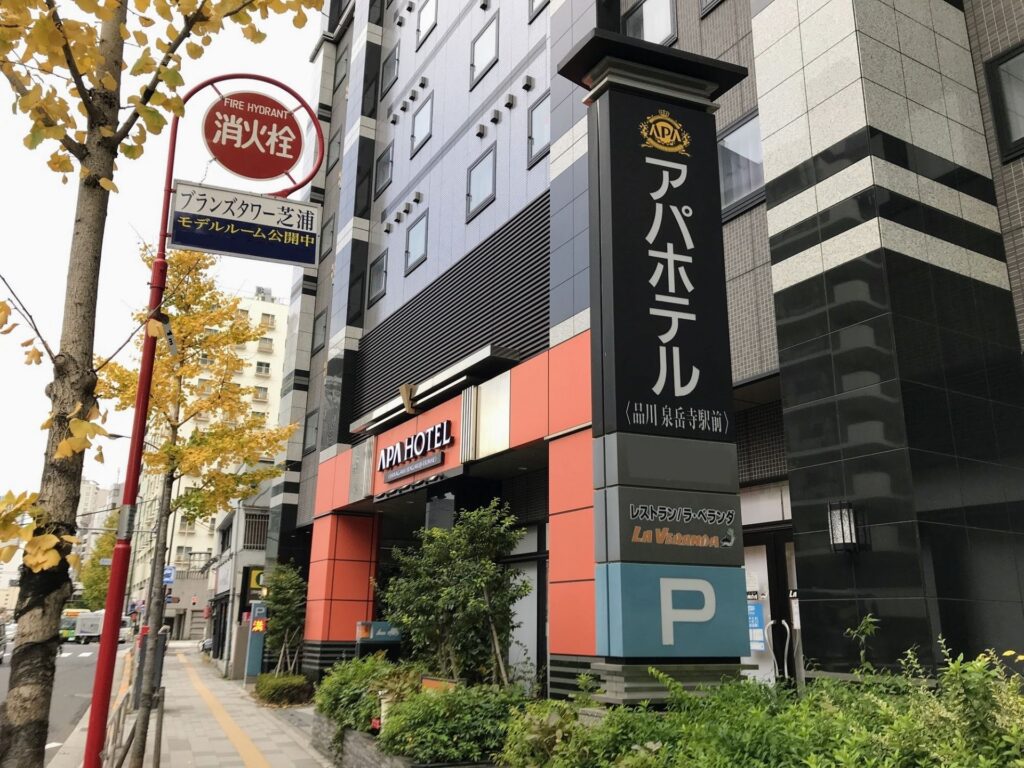
That reminds me: location matters more than brand in many cases. A cheap hotel 20 minutes from the station can feel expensive if you’re dragging luggage after dark. A slightly pricier room next to the platform can save your whole day. No joke: in Japan, walking distance is a real travel currency. My verdict: always check the exit number, not just the station name. Wait, there’s more.
How to choose the right business hotel in Japan
Start with your trip style. If you’re moving city to city, Toyoko Inn is the safe, standard pick. If you want a bath, better breakfast, and a bit more comfort, Dormy Inn makes more sense. If you care most about being right by the station, APA Hotel and similar chains may win even if the room feels tighter.
It’s early morning in Kyoto. You’ve got a train, a shrine visit, and probably too much to pack into one day. That’s exactly when business-hotel efficiency becomes a blessing. A hotel with good laundry, a quiet room, and a breakfast room that opens early can make your whole schedule smoother. In Japanese, you might hear words like ホテル (hoteru, hotel), バケツ (baketsu) for a bucket-style bath in older places, or 頼み (tanomi, reliance; something you can count on), meaning “reliable” or “something you can count on”, and that’s really the spirit of these hotels.
My tip: check three things before booking, station access, breakfast hours, and whether the room has a bath or public bathing area. If you’re travelling in winter, or after a long day of temple-hopping, the bath can matter more than the size of the TV. If you’re travelling for food, a better breakfast may beat a fancy lobby. But let's stick with the basics for now. See what I mean?
Frequently Asked Questions
Are business hotels in Japan good for tourists?
Yes. They are often the most practical option for travellers who want a clean room, easy station access, and predictable service.
Is Dormy Inn better than Toyoko Inn?
It depends on your priorities. Dormy Inn usually offers more comfort, while Toyoko Inn is often the better budget choice.
Should I book a business hotel near the station?
Usually yes. In Japan, a hotel close to the station can save time, energy, and taxi money, especially if you have luggage.


