Here’s the deal: winter in Hokkaido isn’t just about ski slopes and big snow festivals, it’s also prime time for zoo visits, red pandas, seals, and all kinds of animal encounters that feel made for the season. For Japan fans and language learners, it’s also a neat way to pick up everyday words like 凍える (kogoeru, to freeze stiff; be numbed by cold), 雪 (yuki, snow), and 動物 (doubutsu, animal) while seeing how locals enjoy the cold months.



Why Hokkaido winter travel is perfect for animal lovers
Picture this: you step out into crisp air, snow is piling up around the station, and your next stop isn’t a museum or a shopping street, but a zoo full of creatures that seem to love the cold more than you do. That’s Hokkaido in winter, and it works brilliantly.
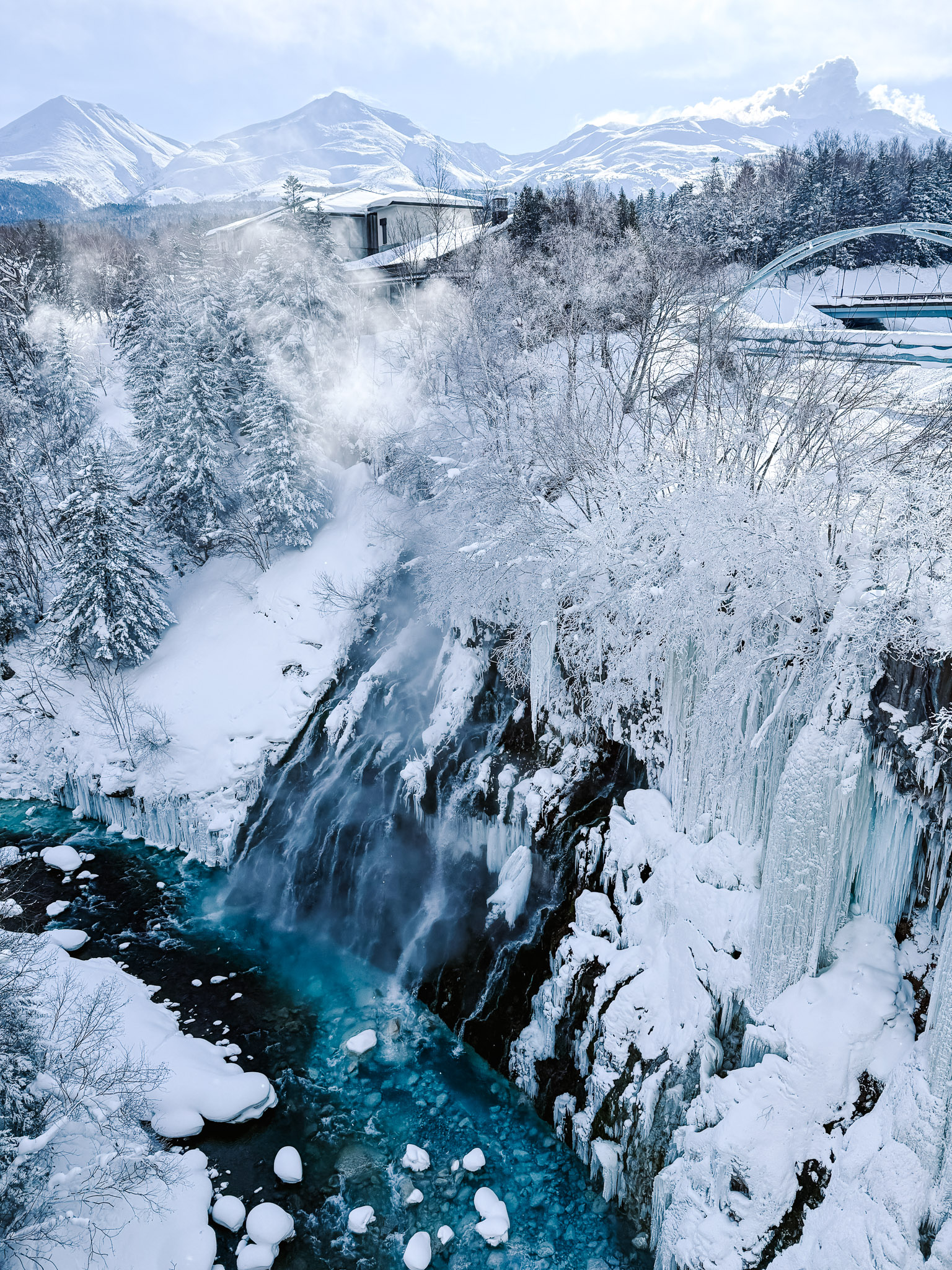
What many overlook is that the region’s colder months aren’t a travel obstacle, they’re part of the appeal. Hokkaido has a long winter season, often from December through March, with deep powder snow, clear skies, and plenty of seasonal events. In places like Asahikawa and Kushiro, the temperature can stay well below freezing, which means you get the full snow-country atmosphere, not just a dusting. No exaggeration, that changes the whole mood of the trip.
The animal angle is what makes this route so memorable. Hokkaido’s zoos and marine parks are especially strong in winter because many species are active in the cold, and the scenery around them turns into a postcard. Red pandas, seals, polar bears, and penguins become even more fun to watch when the paths are lined with snow. If you’re learning Japanese, this is a good chance to notice words you’ll actually hear on signs, like 動物園 (doubutsu-en) for zoo, 鳥 (tori) for bird, and 白熊 (shirokuma) for polar bear. Simple words, easy to remember, and suddenly tied to a real place.
Take Asahiyama Zoo in Asahikawa, for instance. It opened in 1967 and became famous for its “behavioral exhibits”, where animals are shown in ways that let visitors see how they move, swim, and hunt. The winter penguin parade is the star attraction, and it isn’t just cute, it’s practical too. Penguins need exercise, so staff lead them on a snow walk through the grounds. See what I mean?

Asahikawa and the winter zoo route
Ever wondered why people go all the way to Asahikawa in the cold? The answer is simple, the zoo is only part of the story. The city sits in central Hokkaido, and in winter it becomes a base for snowy sightseeing, hot bowls of ラーメン (ramen, ramen noodles), and one of the most charming animal days in Japan.
Asahiyama Zoo is the obvious headline act, but don’t rush out too fast. The penguins are wonderful, of course, yet the seals and polar bears are just as good when the snow starts falling harder. The transparent tubes and viewing windows are designed so that animals move above and around you, which makes the whole visit feel more interactive than a standard zoo layout. What I especially like is that it still feels local, not over-polished. Simply brilliant.
Red pandas, snow, and a warm treat after the blizzard
After exploring the rest of the zoo, many visitors head back into central Asahikawa for something sweet. One travel report from Characross the World mentions stopping for an ice cream parfait after a blizzard, and honestly, that makes perfect sense. Hokkaido dairy is famous for a reason, and a parfait after a freezing zoo visit feels like the kind of contrast travel memories are made of.
The red pandas are another winter favourite, and they deserve the hype. Their fluffy tails and calm movements make them crowd-pleasers in any season, but in snow they look even more photogenic. If you’re learning Japanese, try remembering how people often call them re-ppan-da? Not quite. The correct romanised form is 紅花 (benibana, safflower)? No, that’s the wrong flower. The standard word you’ll see is reppanda, written in katakana, and that little language moment is a good reminder to trust the signs and not guess too quickly. Personally, that sort of on-the-spot learning is half the fun.




Other Hokkaido animal spots worth adding to your trip
Plot twist: Hokkaido winter travel doesn’t stop at one zoo. The island is large, and each area offers a slightly different animal experience, from marine life to bird watching and wildlife in national parks. If you have the time, building a short route around a few stops can make the trip feel much richer.
Kushiro is famous for the red-crowned crane, or tancho, one of Japan’s most elegant birds. Winter is the best season to see them because they gather in snowy fields and wetlands, especially around the Kushiro area. Watching tancho under a pale winter sky feels almost unreal, and it connects nicely with Japan’s long cultural love of cranes as symbols of longevity and good fortune. For travellers who like photography, this is a dream stop.
In Abashiri and the north-eastern coast, drift ice season adds another layer. The sea ice itself is the draw, but it also supports marine life and winter wildlife viewing. In Otaru, the aquarium is a strong option if you want a warmer indoor stop without losing the animal theme. The penguin parade there is another crowd favourite, and the old port town setting makes it easy to combine with a harbour walk and a seafood lunch. Sounds good, right?
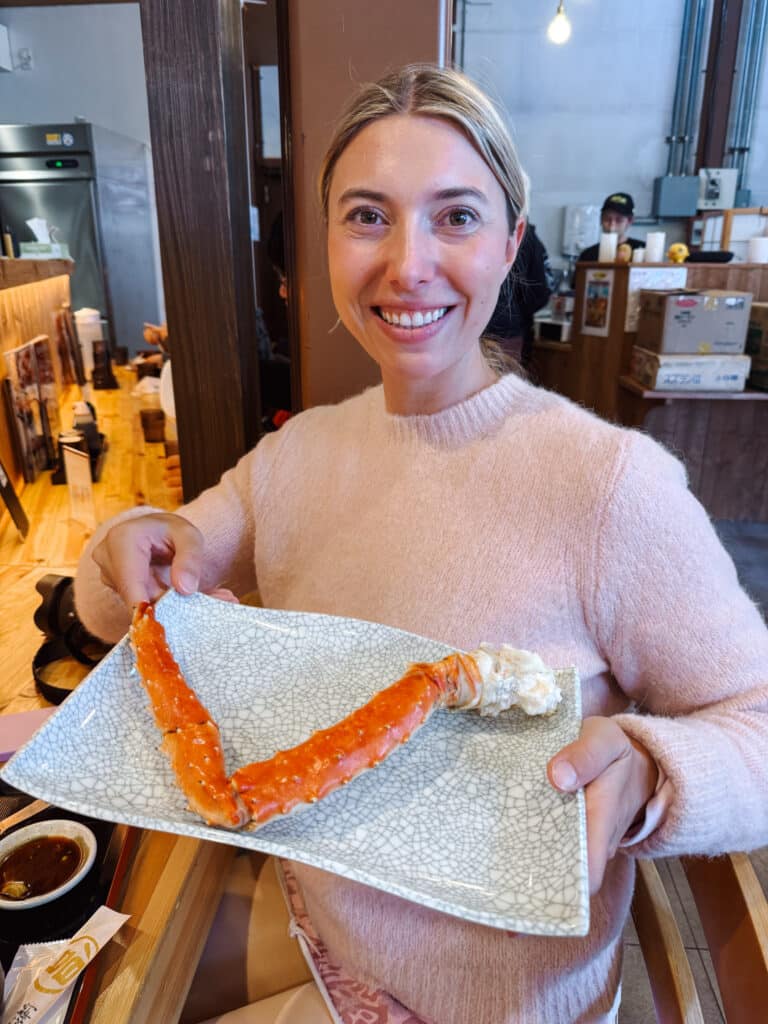
What many overlook is that Hokkaido’s animal experiences work best when paired with the island’s food culture. The official Visit Hokkaido feature points readers towards winter activities across the region, and that matters because a good day out often ends with ramen, soup curry, or a local dessert. Winter is also the season for salmon roe, potatoes, and rich dairy products, and those flavours match the climate perfectly. My tip: don’t plan this as a rushed checklist. Build in time for a long lunch, a cafe stop, or an onsen bath. You’ll enjoy the animals more when your fingers have thawed out.
How to plan a Hokkaido winter trip without freezing your schedule
Did you know that Hokkaido can feel surprisingly easy to travel once you accept the weather? Trains and buses still run, cities are well prepared for snow, and the real challenge is usually choosing what to leave out. That’s a nice problem to have.
A practical winter plan is to base yourself in Sapporo or Asahikawa, then add one or two day trips. Sapporo gives you good rail connections, restaurants, and winter festivals, while Asahikawa puts you closer to the zoo. If you have five to seven days, that already gives you enough time for a proper snow trip, a couple of animal stops, and some hot spring downtime. The best part is that you don’t need to see every animal attraction in one go. Pick the ones that suit your route, and let the rest wait for next time.
Before I forget, winter clothing matters more than people expect. Wear waterproof boots with grip, thick socks, gloves, and layers you can remove indoors. Hokkaido buildings are warm, often very warm, so you’ll be moving between two extremes all day. That contrast is normal here. It’s also why a hot drink from a vending machine can feel like pure luxury. If you know a little Japanese, words like samui for cold, atatakai for warm, and yuki for snow are worth practising before the trip. They’re simple, useful, and you’ll hear them constantly. Not bad, right?
For Japan fans, this kind of trip is extra rewarding because it shows a side of the country that’s often missed. Hokkaido isn’t just a summer nature destination, and it’s not only about skiing either. It’s a winter landscape where animals, food, and local life all fit together naturally. That’s what makes it stick in your memory, long after the snow has melted. more Japan news on jpnerd.com
In pictures

Frequently Asked Questions
When is the best time to visit Hokkaido in winter?
December to March is the main winter season, with the snowiest conditions usually falling in January and February.
Which animal spot is the most famous in Hokkaido?
Asahiyama Zoo in Asahikawa is the best-known choice, especially for its winter penguin parade.
Can I combine animal sightseeing with food and hot springs?
Yes. That is one of the best ways to enjoy Hokkaido, and it makes the trip feel much more balanced.