

What many overlook: Japan is easiest to enjoy when you build the route first, then book trains, hotels, and tickets around that route. If you also want to learn Japanese, even a small word list, like 駅 (eki, station), 電話 (denwa, telephone), and yoroshiku, makes the trip feel warmer and smoother.



Planning a Japan trip step by step is easier than it looks. Start with a realistic date range, set a daily budget, and decide whether you want a fast city trip or a slower route with one or two regional stops. For most first-time visitors, 10 to 14 days works best, and a simple route like Tokyo, Kyoto, Osaka, plus one side trip, keeps logistics manageable. If you’re aiming for cherry blossom season or autumn leaves, book earlier than usual, because hotels and trains fill fast. That’s why a clear plan beats a vague dream itinerary every time.
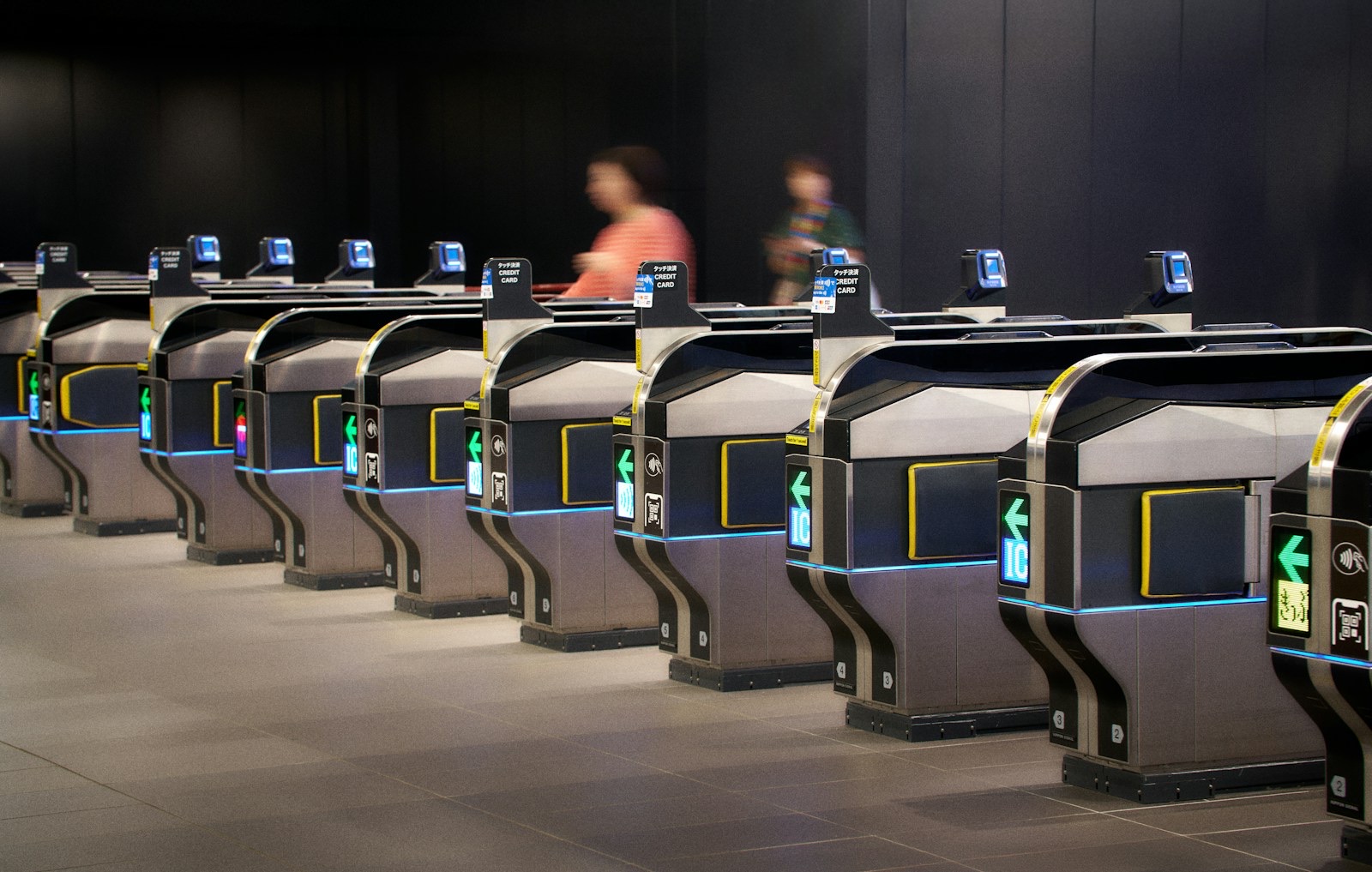
Here’s the kicker: the most useful Japan trip plan isn’t the prettiest one, it’s the one that matches your pace. I’d rather stay three nights in one place and actually enjoy the neighbourhoods than spend half the holiday on platforms and bullet trains. What I especially like about Japan is that even a basic itinerary can feel rich, because every district has its own food, shrine, station, and evening rhythm. Classic Japan, isn’t it?
1) Choose the right travel window for your Japan trip
Start with season, because season shapes everything else. Spring cherry blossom usually peaks in Tokyo around late March to early April, while Kyoto can run slightly later. Autumn colours often land from mid-November to early December in the main Honshu tourist cities. Summer is hot and humid, and average August highs in Tokyo are often around 31 C, which means you’ll want lighter days and more indoor breaks. Winter is dry, colder in the north, and ideal if you want clearer skies and fewer crowds in some regions.
By the way, Japan has four very distinct travel moods. If you want festivals and energy, summer works. If you want photogenic parks and soft weather, spring and autumn are the strongest bets. If you want to save money, January and February can be surprisingly good outside ski areas and New Year week. Seriously though: book around school holidays and major events carefully, because prices jump.
Best seasons at a glance
Spring for 桜 (sakura, cherry blossom), autumn for momiji, winter for crisp city walks, and summer for 祭り (matsuri, festival). If you can only pick one, I’d choose autumn for first-timers, because the weather is friendlier and the days feel less crowded than peak blossom season. My tip: check both flights and hotel rates before deciding, not just pretty photos on social media. But that’s not all.
2) Build a route that makes sense, not one that looks impressive
Plot twist: the best Japan itinerary is usually the simplest. A classic first trip is Tokyo for 3 nights, Kyoto for 3 nights, Osaka for 2 nights, then one extra destination such as Hakone, Nara, Kanazawa, or Hiroshima. This gives you city energy, history, food, and at least one slower stop. If you have 7 days, stay in one region. If you have 14 days, you can add either Hokkaido, Kyushu, or Shikoku without turning the trip into a sprint.
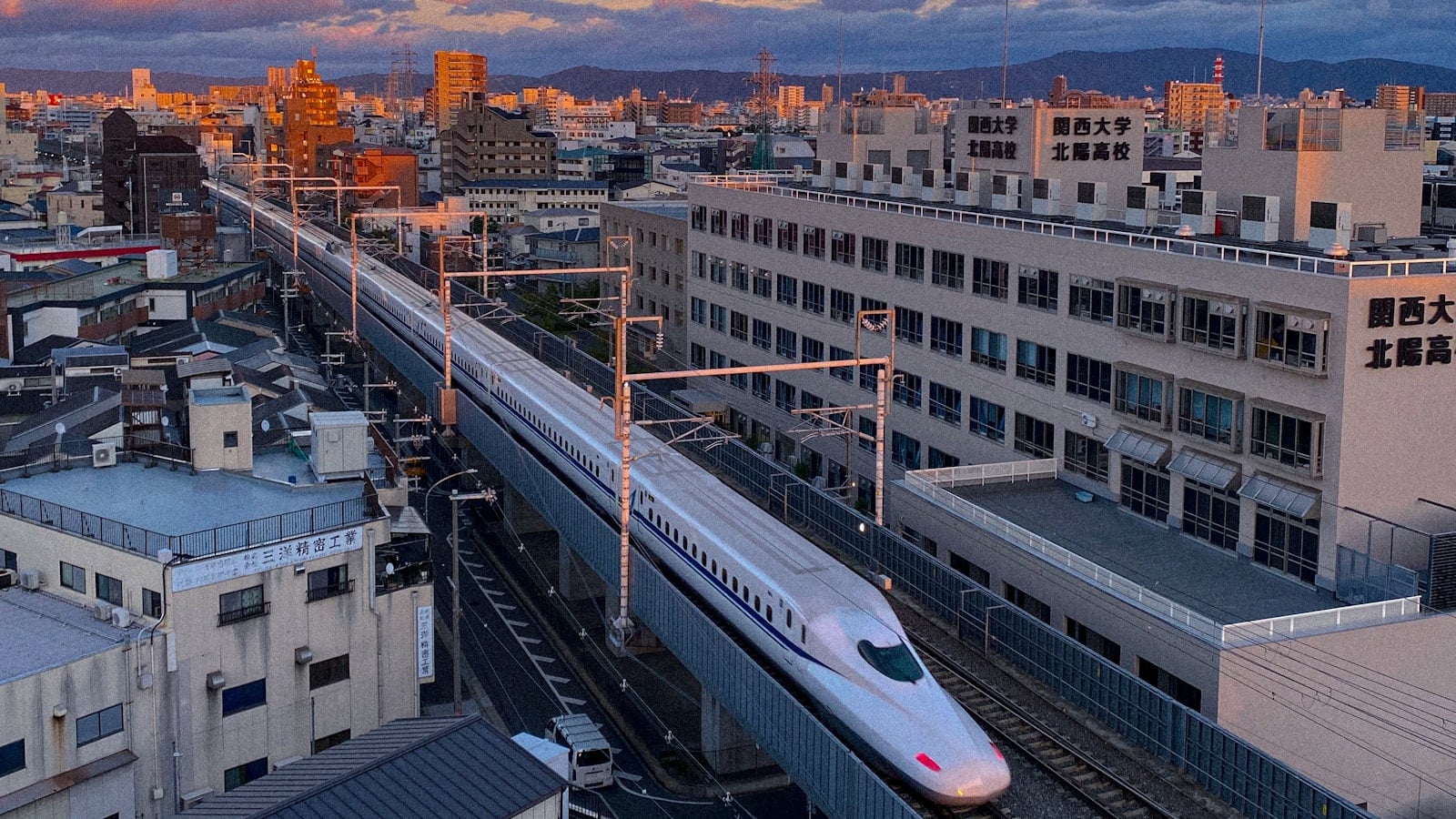
That reminds me: rail planning gets much easier once you group your cities by geography. Tokyo to Kyoto is about 2 hours and 10 minutes on the Nozomi 新幹線 (shinkansen, bullet train), and Tokyo to Osaka is roughly 2 hours and 30 minutes. Kyoto and Osaka are close enough for day trips, while Nara is only about 45 minutes from Kyoto by train. If you’re interested in a more regional route, Shikoku is a lovely choice, and the JR All Shikoku Rail Pass Guide is a useful starting point for train-based travel there.



Recommended route patterns
For 7 days: Tokyo and Kyoto, with one day trip. For 10 days: Tokyo, Kyoto, Osaka. For 14 days: add Kanazawa, Hiroshima, or a nature stop like Hakone. Let’s be honest: too many bases mean too much packing. Keep it tight, and you’ll actually enjoy the trip. Convinced yet?
3) Book transport, hotels, and key tickets in the right order
Here’s the order I recommend. First, book flights. Second, lock in the hotels for your first and last nights, plus any peak-season stays. Third, decide whether a rail pass makes sense. Fourth, reserve specific activities, like teamLab, Ghibli Museum, or popular observation decks. In Japan, the best rooms in central areas and the best timed-entry tickets can disappear long before departure.
For transport, don’t assume a national rail pass will save money. Since the 2023 price increase, the JR Pass only pays off for certain long-distance routes, while shorter trips are often cheaper with individual shinkansen tickets or regional passes. For example, the old seven-day ordinary JR Pass rose to 50,000 yen in 2023, so the maths now needs a closer look. What many overlook: if your trip is Tokyo-Kyoto-Osaka only, point-to-point tickets often win.
Accommodation is where many first-timers overspend without noticing. Business hotels near major stations are often the best value, while a ryokan night gives you the traditional experience, usually with 布団 (futon, Japanese bedding / mattress set) bedding and a multi-course kaiseki dinner. In Tokyo, look near Shinjuku, Ueno, or Tokyo Station for easy transport. In Kyoto, central areas near Kyoto Station or the Karasuma line make life easier than staying too far out. My tip: one special ryokan night is often better than trying to do every night in luxury mode.
4) Prepare the practical details before you leave
Seriously though: the unglamorous prep saves the most stress. Check your passport validity, travel insurance, mobile data, and payment methods. Japan is much more card-friendly than it used to be, but cash still matters in smaller restaurants, temples, local buses, and some countryside shops. Bring a backup credit card and a small amount of yen in cash, especially if you’re heading beyond the biggest cities.
For entry procedures, review the current requirements before departure and register in advance if needed. Also keep your hotel addresses in both English and romaji, because taxi drivers and station staff may need them. If you’re learning Japanese, this is a great place to use practical words: sumimasen for getting attention, eki for station, バス (basu) for bus, and 水 (mizu) for water. Little words, big payoff.
That’s why I always suggest making a simple travel folder on your phone with flights, hotel confirmations, train reservations, and screenshots of your most important addresses. Add a paper copy too, just in case your battery dies. By the way, if you want to keep up with Japan travel changes and seasonal news, check more Japan news on jpnerd.com. But that’s not all.
Frequently Asked Questions
How long should a first Japan trip be?
Ten to fourteen days is ideal for a first trip. It gives you enough time for Tokyo, Kyoto, Osaka, and one extra stop without rushing.
Is the Japan Rail Pass still worth it?
Sometimes, but not always. It usually makes sense only if you take several long-distance shinkansen rides. Always compare the pass price with individual tickets first.
Do I need to speak Japanese to travel in Japan?
No, but learning a few basic words helps a lot. Simple phrases like hello, thank you, station, and excuse me make everyday travel smoother and friendlier.


