
JR Kyushu has rolled out a new unlimited ride ticket with an exchange deal, and if you travel Japan by train, this is the kind of update worth noticing. It’s not flashy, but it does make rail travel across Kyushu a little easier to plan.
Here’s the deal: the new ticket is built for people who want broad, flexible access to JR Kyushu’s network, including 新幹線 (Shinkansen, bullet train) and Limited Express services. That means you’re not just getting slow local lines; you can also cover faster intercity hops, which is a big deal when you’re trying to fit Fukuoka, Kumamoto, Nagasaki, and Kagoshima into one trip. For Japan fans, that also means more chances to spot the word shinkansen on signs, hear conductors call out limited express routes, and practise a bit of travel Japanese while you ride. My tip: if you’re learning Japanese, train travel is one of the best real-life classrooms, because station names, platform numbers, and reservation notices show up again and again. But that’s not all.
What JR Kyushu is actually offering
JR Kyushu is the rail operator covering Kyushu, Japan’s southern main island. Its network includes major routes in Fukuoka, Saga, Nagasaki, Oita, Kumamoto, Miyazaki, and Kagoshima, so a regional pass can save a lot of hassle if you’re not staying in one place.
The new unlimited ride ticket follows the familiar logic of Japanese rail passes: pay once, then use the eligible trains as much as you want during the valid period. The important part is the exchange deal. Like many Japan passes sold through overseas agents, you may receive a voucher or exchange order first, then swap it for the actual ticket after arriving in Japan. The reason is simple: JR companies often separate the purchase process from the final issuance process, especially for foreign visitor products. If you’ve ever bought a pass through Klook or read a Trip.com JR Kyushu pass guide, this setup will feel familiar. The printed exchange document is usually the part that matters at the counter, not just the email confirmation. Wait, there’s more.
Which trains are covered
The biggest draw here is the rail coverage. JR Kyushu’s pass products commonly include local trains, Limited Express services, and selected Shinkansen sections, depending on the ticket type. That matters because Kyushu isn’t the sort of place where you want to waste hours on slow transfers if you’re trying to see a lot in one trip.
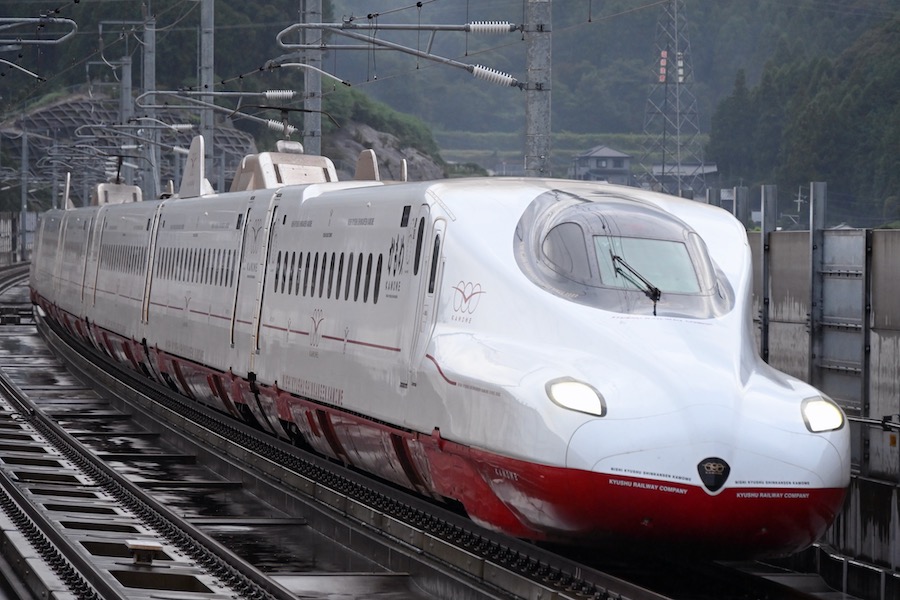
For example, the Kyushu Shinkansen between Hakata and Kagoshima-chuo is the classic fast connection, while the Nishi Kyushu Shinkansen links Takeo-onsen and Nagasaki. On the Limited Express side, JR Kyushu is especially known for scenic and themed services, the kind rail fans book early because seats can disappear fast. By the way, if you’ve never planned a Japanese train route in advance, this is a good time to start. A phrase like 電車予約 (densha yoyaku), meaning train reservation, becomes very handy once you begin mixing Shinkansen and Limited Express legs in one itinerary. Sounds weird, but it’s true.
Why this ticket matters for Kyushu travel
Picture this: you land in Fukuoka, spend a night in Beppu for hot springs, head down to Kumamoto for the castle, then finish in Kagoshima with volcano views. Without a pass, that can turn into a stack of separate tickets, timetable checks, and price comparisons. With an unlimited ticket, the mental load drops a lot.



That’s why this update is useful even if it doesn’t feel like breaking news. Kyushu is one of the best parts of Japan for rail travel because the distances are manageable, but still long enough that faster trains really matter. If you’re a Japan learner, it’s also a great place to hear regional accents, see local station signage, and pick up practical vocabulary like 切符 (kippu) for ticket, kaidori for transfer, and designated seat notices, which pop up everywhere. Highly recommended: keep a small note in your phone with the route names you want, written in romaji and kanji if you can read them. It makes buying and checking tickets much less stressful. See what I mean?
Exchange rules and travel planning
Here’s the catch: exchange-based passes only help if you know what document to bring and where to redeem it. This is where many first-time visitors trip up. A booking email alone usually won’t work at the counter, so you need the proper exchange order or voucher issued by the seller.
That point shows up again and again in pass guides, including the ones from Klook’s Sanyo-Sanin Northern Kyushu pass page, which reminds travellers that the confirmation email and platform voucher are not the same as the original paper exchange order. My tip: always check whether your pass must be exchanged in person, whether the exchange window has a deadline, and whether reserved seats are included or need separate booking. On the flip side, if you like spontaneous trips, an unlimited pass can still be worth it, but only if you’re comfortable checking timetables and seat availability on the go. The first time I went to Japan, I underestimated how often popular trains sell out during peak seasons like 桜 (sakura, cherry blossoms) and 紅葉 (momiji, autumn leaves). I won’t make that mistake again.
Who should consider JR Kyushu’s unlimited ride ticket
If you’re staying in one city for a week, this probably isn’t the most exciting purchase. If you’re moving between several cities, though, it becomes a lot more attractive. That’s especially true for people who want a mix of sightseeing trains, hot spring towns, and city stops, rather than just one base.
Japan fans who care about train culture may also enjoy the experience for its own sake. JR Kyushu has a strong reputation for scenic rail services and well-designed stations, and that makes even an ordinary transfer feel a bit more memorable. Imagine a narrow alley in Tokyo, then switch that feeling to a breezy Kyushu platform at sunset, with a Limited Express waiting under the signboard. That shift is part of the fun. Oh, almost forgot: if you’re learning Japanese, train announcements are one of the easiest places to train your ear, because names, numbers, and standard phrases repeat constantly. After a few rides, words like 次の駅 (tsugi no eki, next station) and 始発 (shihatsu, first departure) start to feel less intimidating. But that’s not all.
For readers planning a broader Japan route, it’s also worth comparing this pass with other regional deals, such as the JR All Shikoku Rail Pass or the JR Sanyo-Sanin Northern Kyushu area pass. Regional passes can be much better value than a nationwide option if your trip stays inside one area. JR Kyushu’s update fits that pattern neatly: practical, specific, and aimed at people who already know they’ll be riding a lot. And if you want more Japan travel updates like this one, check out more Japan news on jpnerd.com.
Frequently Asked Questions
What is JR Kyushu?
JR Kyushu is the railway company that operates train services across Kyushu, Japan’s southern main island.
Does the ticket cover fast trains?
Yes, the update is useful because it can include Shinkansen and Limited Express services, depending on the ticket conditions.
Is an exchange order the same as the ticket?
No, an exchange order or voucher usually has to be swapped for the actual pass in Japan.


