That might sound like a simple transport story, but it’s also a lesson in how rail policy, engineering, and culture can shape a country’s travel habits. If you love Japan, or you’re learning Japanese, this is one of those moments where a real-world system tells you a lot about how Japan thinks about precision and public service.
Why HS2 Is Looking at the Shinkansen
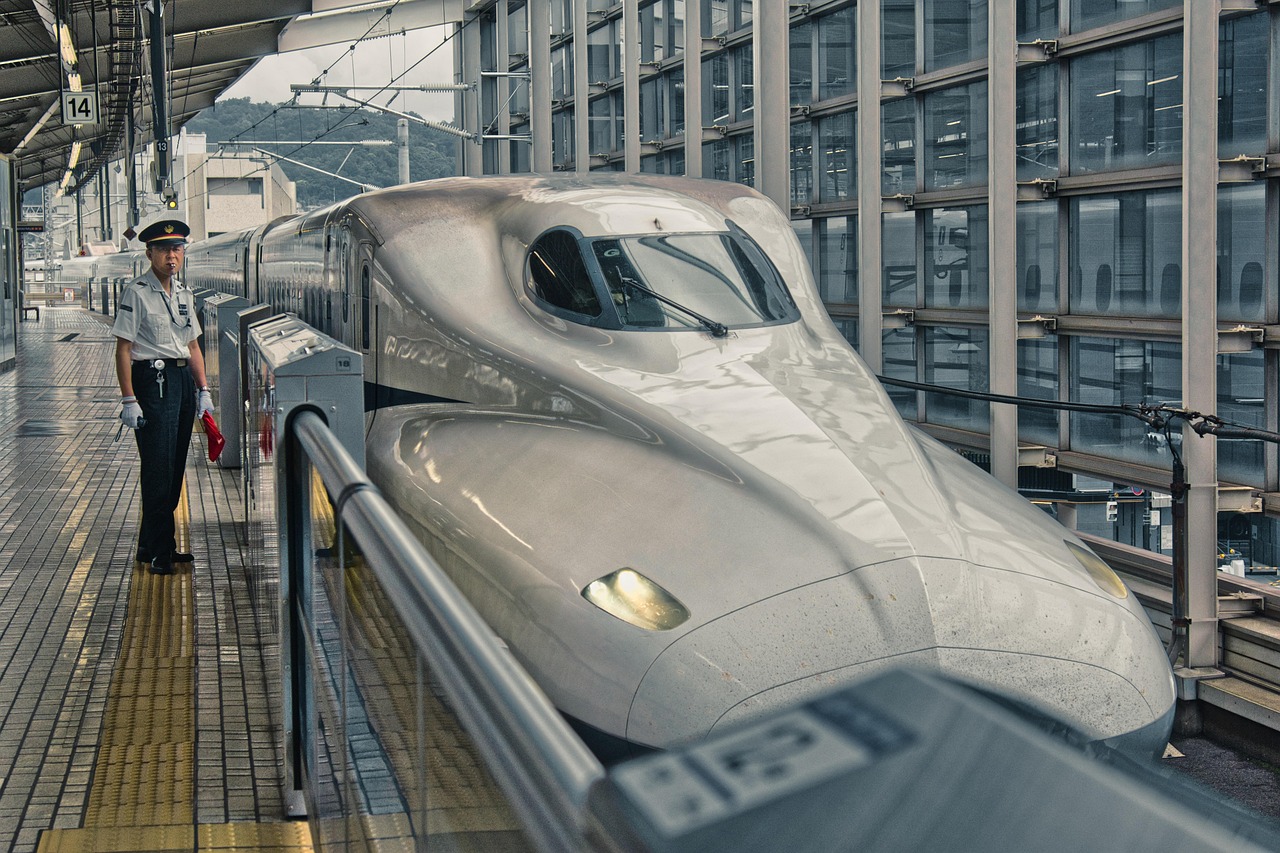
Guess what? Britain’s HS2 project is once again being measured against Japan’s 新幹線 (Shinkansen, bullet train; high-speed rail), and the comparison isn’t flattering for the UK. Transport Secretary Alexander has been said to draw inspiration from Japan’s bullet trains, which makes sense, because the Shinkansen has spent decades proving that high-speed rail can be fast, clean, and reliably dependable.
For Japan fans, the Shinkansen is more than just transport. It’s the zenshin of modern rail, a system that connects Tokyo, Kyoto, Osaka, and many regional cities with clockwork timing. On the Tokaido Shinkansen, which began service in 1964, delays are usually measured in seconds, not minutes. That kind of reliability is exactly what policymakers in London keep hoping to copy.
What many people overlook is that the Shinkansen was never only about speed. It was designed around separation from slower rail, dedicated tracks, and tight operational discipline. That mix is why it still feels smooth even at 285 km/h on many services, and why passengers can board at Tokyo Station, settle in with 駅弁 (Ekiben, station bento; boxed meal sold at stations), and arrive in Shin-Osaka without any airport-style chaos. And there’s more to it than that.
Alexander’s interest in the Japanese model matters because HS2 has become a symbol of how hard it is to build major rail infrastructure in Britain. The line was meant to connect London, Birmingham, and eventually farther north, but costs, redesigns, and political pressure have slowed it down. So when ministers look east towards Japan, they’re not just admiring shiny trains, they’re searching for a system that seems to deliver big rail projects with fewer headaches.
Compared with back home, Japan’s rail culture also feels more unified. Public and private operators, city metros, and shinkansen services are all part of a larger travel network that encourages people to choose rail without much fuss. In Britain, by contrast, rail upgrades often get tangled up in regional debates, planning disputes, and budget fights. From my experience, that gap matters just as much as the engineering itself.
HS2 and the Shinkansen: Cost, Speed, and Engineering
To be fair, building in Japan isn’t easy either. Earthquakes, mountains, dense cities, and strict safety requirements make rail construction tough. Yet new analysis cited by Energy Live News, based on work from the Institute of Economic Affairs, suggests HS2 Phase 1 has cost around £470 million per route-kilometre, while Shinkansen extensions through similarly difficult terrain have often come in around £50 million to £100 million per kilometre.
That spread is hard to ignore. Even allowing for different land prices, labour systems, and design standards, the British figures point to a project that has become far more expensive than many observers expected. On the flip side, Japan’s rail system has decades of standardisation behind it, and that helps keep costs under control. In rail terms, repetition can be a strength, not a weakness. Sounds weird, but it’s true.
A great example: the Shinkansen network has expanded in stages since the 1960s, with lines such as the Joetsu, Tohoku, Hokuriku, and Kyushu Shinkansen showing how a national system can grow without reinventing the wheel every time. The engineering is advanced, yes, but it’s also disciplined. That is one reason the trainsets look sleek but not overdesigned, and why Japanese rail firms tend to focus on maintenance as much as headline speed.
HS2, meanwhile, has had to justify itself not just as a transport upgrade, but as a national investment that should rebalance the economy. That’s a much bigger political ask. When costs climb, the public stops thinking about journey times and starts thinking about value for money. Before I forget, this is where Japan’s example becomes especially useful, because the Shinkansen offers a working case study, not just a nice photo opportunity.
Why the Japanese Model Works in Practice
I still remember exactly how it feels to step onto a Shinkansen platform in Japan. The staff line up, the timetable is clear, the boarding process is calm, and even the vending machines seem to know what the system is supposed to do. That consistency is part of the appeal, and it isn’t accidental. Japanese rail culture treats punctuality and cleanliness as part of the service, not as extras.
For Japanese learners, rail travel is also a great vocabulary playground. Words like 電車 (densha, train; electric train), shinkansen, 切符 (kippu, ticket), and 運転手 (untenshu, driver; train operator) show up everywhere, and they’re easy to remember because you encounter them in real life. My tip: if you ever ride the Shinkansen, pay attention to station announcements and ticket signs, then match the sounds to the words you already know. It makes the language feel less abstract, and much more alive.
One more thing. The Shinkansen isn’t only for Tokyo-Osaka business travellers. It also supports tourism, regional movement, and even food culture, because ekiben and station shopping are part of the experience. That wider ecosystem is something HS2 supporters often talk about too, but Japan has already spent decades proving the point. Convinced yet?
HS2, Hitachi, and What Britain Can Learn
Unlike what we’re used to, the HS2 story isn’t just about track and trains, it’s also about suppliers and long-term industrial planning. Hitachi, the Japanese manufacturer known in Britain for passenger trains and engineering systems, has long been part of the conversation around modern rail stock. That matters because Japan isn’t only exporting rolling stock, it’s exporting a way of thinking about reliability, maintenance, and lifecycle cost.
Hitachi’s rail experience includes high-speed heritage through Japan’s wider rail industry, even when a specific train model is built for other markets. That gives Britain a practical point of contact with Japanese engineering rather than just a distant reference to the Shinkansen. A project like HS2 needs this kind of industrial depth, because trains are only one part of the puzzle. Signalling, depot planning, maintenance strategy, and staffing all shape the final result.
What many transport debates miss is that the Shinkansen works because the whole system is designed around the train, not because the train is magical. Platforms, timetables, infrastructure, and station management all pull in the same direction. If HS2 wants to copy Japan properly, it has to copy the boring parts too, the standards, the discipline, and the long-term view. That’s the real lesson, and it’s a good one for anyone interested in Japan beyond the usual travel snaps.
For Japan enthusiasts, this is one of those stories that links rail policy to everyday culture. The bullet train is a national icon, but it’s also a reminder that Japan often succeeds by making complex systems feel simple to use. My tip: if you’re learning Japanese, follow news like this and watch how words such as お客様 (okyakusama, customer; honored guest), 改正 (kaisei, revision; amendment), and gensoku appear in context. You’ll learn more than vocabulary, you’ll learn how Japan talks about efficiency and public trust. Not bad, right?
Frequently Asked Questions
Why is HS2 being compared with the Shinkansen?
Because Japan’s bullet train network is seen as a benchmark for speed, reliability, and controlled construction costs.
Is the Shinkansen really cheaper to build than HS2?
Recent analysis suggests Japan’s high-speed rail can cost far less per kilometre, although the countries face different terrain, labour, and planning conditions.
What can Japanese learners take from this story?
It is a good chance to connect real rail travel with useful vocabulary, especially words linked to trains, tickets, stations, and punctuality.