
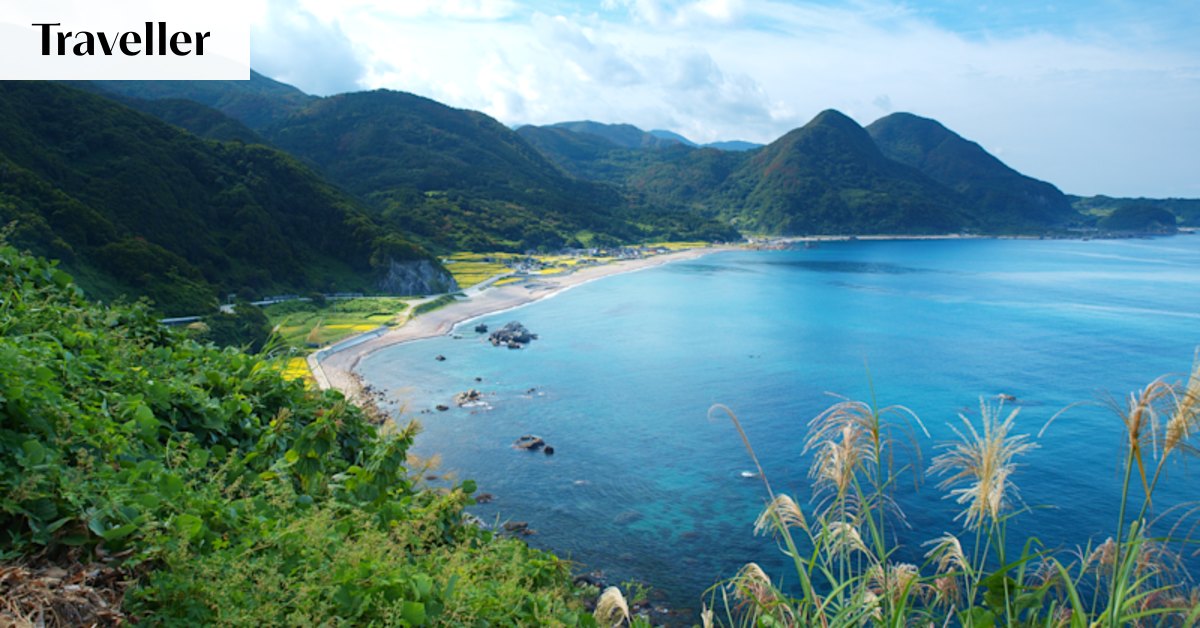
What I especially like is the contrast: a smooth high-speed rail ride, then a short sea crossing, then suddenly you’re on an island with a very different pace. For Japan fans and language learners, it’s the kind of trip that feels both practical and a little adventurous.



A Golden Island in Japan That Feels Far Away, Yet Isn't
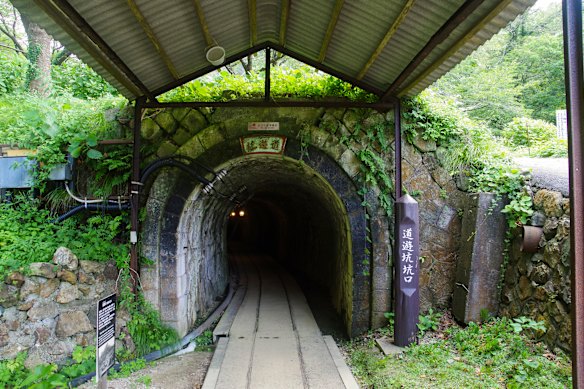
What most people don't know is that some of Japan’s best escapes are surprisingly easy to reach. One good example is Sado Island in Niigata Prefecture, often described as a golden island because of its long history of gold mining and the rich cultural stories tied to that past.
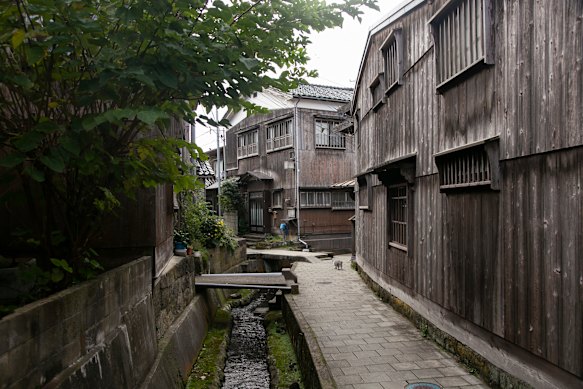
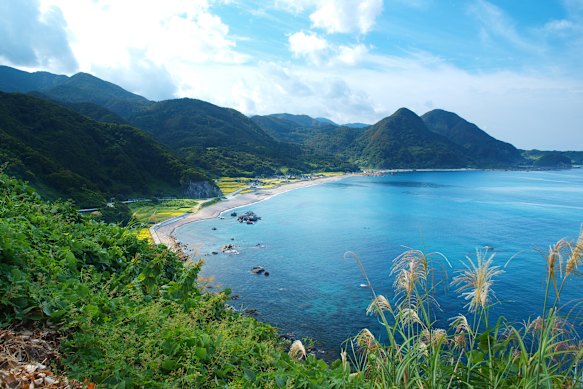
The island sits off Japan’s Sea of Japan coast, so it never feels like the same kind of quick day trip you’d make in Kyoto or Osaka. And that’s the charm. You get remoteness, open views, and quieter roads, but you don’t need a complicated flight connection or an exhausting overnight transfer to get there.
That reminds me: when people say a place is "off the beaten path", they often mean "hard to reach". Sado flips that idea. It’s off the tourist main line, yet the route is straightforward enough that even first-time visitors can handle it without stress. Convinced yet?
How to Get There from Tokyo by Shinkansen and Ferry
Trust me on this one: the route is part of the fun. Start at Tokyo Station and take the Joetsu 新幹線 (Shinkansen, high-speed bullet train) to Niigata, which usually takes around two hours, depending on the service. It’s a smooth ride, and if you’re learning Japanese, this is a great moment to notice station words like 乗車口 (joshakuchi, boarding area) for boarding area, or 乗り場 (noriba, platform; boarding point) for platform.
From Niigata Station, head to the port area and board the ferry bound for Sado. The sea crossing takes about an hour on the faster service, and the slower option is longer, so check the timetable before you go. A great example: the trip is easy enough to plan around a normal weekend, yet it still feels like you’re leaving the city behind.
Here’s the kicker: this route works because it stacks simple transport modes. Shinkansen first, ferry second. No rental car is required if you’re mainly visiting the main sights and staying near the bus network. See what I mean?
Practical transport tips
If you want to keep things simple, reserve your Shinkansen seats in advance, especially during Golden Week, お盆 (Obon, Buddhist holiday for ancestral spirits), and New Year. Niigata is a major rail hub, so connections are regular, but ferry schedules can vary more than train schedules. Insider tip: always check the return trip before you leave the mainland, because island timing can be stricter than it looks on paper.
My tip: if you’re using a JR Pass or a regional rail pass, compare the route carefully. Not every long-distance rail journey in Japan makes a pass worthwhile, but Tokyo to Niigata is the kind of stretch where the numbers can matter. Wait, there’s more.
Why Sado Island Stands Out for Japan Fans
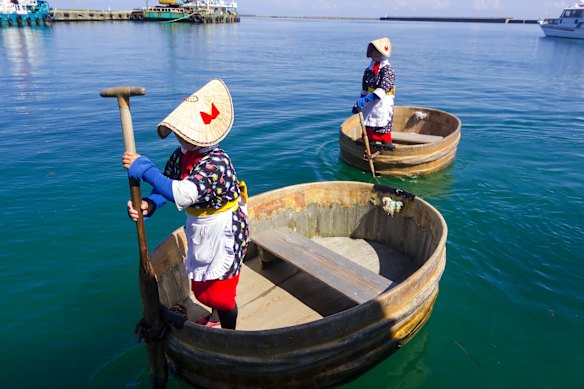
No exaggeration: Sado has layers. Its gold-mining heritage is the headline for many visitors, but the island also has coastal scenery, small fishing communities, temples, and traditional arts. The kodo 太鼓 (taiko, drum) group has helped put Sado on the cultural map, and that rhythm gives the island a very different identity from Japan’s bigger urban destinations.




For learners of Japanese, this is where travel becomes language practice. You’ll hear local terms that don’t show up in textbook dialogues, and you’ll notice how regional travel has its own vocabulary. Words like 船 (fune, boat; ferry) for ferry, 島 (shima, island) for island, and onsen for hot spring suddenly become useful in real life, not just in lesson notes.
And it gets better: because the island sees fewer tourists than places like Tokyo, Kyoto, or even Hakone, everyday exchanges can feel calmer. A simple arigato at a ticket window, or onegaishimasu when asking for help, goes a long way. You don’t need perfect Japanese, just a little confidence. Not bad, right?
What to expect once you arrive
The first time I went to Japan, I learned that slower places often leave the strongest memories. That applies here too. On Sado, you can spend time near the coast, sample local seafood, and explore a landscape that feels spacious instead of packed with must-see crowds.
Speaking of which... if you enjoy travel that still feels like a discovery, this island is a strong choice. It rewards curiosity more than checklist tourism, and that makes it a great fit for people who want Japan beyond the standard big-city route. Highly recommended: keep a camera ready for the ferry approach alone.
Why This Route Works So Well for a Short Japan Escape
Here’s the catch: many hidden places in Japan sound remote, but the access can be awkward. Sado is different because the Tokyo-to-Niigata Shinkansen link removes most of the friction. You aren’t piecing together buses across three prefectures or waiting for a once-a-day local train.
For visitors who like a clean, logical plan, that matters. Tokyo in the morning, Niigata by midday, sea crossing after that, and an island evening that feels much slower than the capital. If you’re building a Japan itinerary around rail travel, this route is a neat reminder that the Shinkansen isn’t only for famous cities. It can also be your gateway to quieter corners of the country.
And if you’re studying Japanese, travel like this helps vocabulary stick. A place name, a ferry ticket, a station announcement, a restaurant menu, all of it connects better when you’ve actually used the words on the ground. That’s the real advantage, and it’s hard to beat. See what I mean?
In pictures
Frequently Asked Questions
How do I get to the island from Tokyo?
Take the Shinkansen from Tokyo to Niigata, then continue by ferry from Niigata Port. The ferry ride is about an hour on the faster service.
Is this trip difficult to plan?
No, the route is simple. The main thing is to check train and ferry schedules in advance, especially during busy holiday periods.
Why is this island worth visiting?
It offers a quieter side of Japan, with coastal scenery, local culture, and a strong historical identity, while still being easy to reach.


