
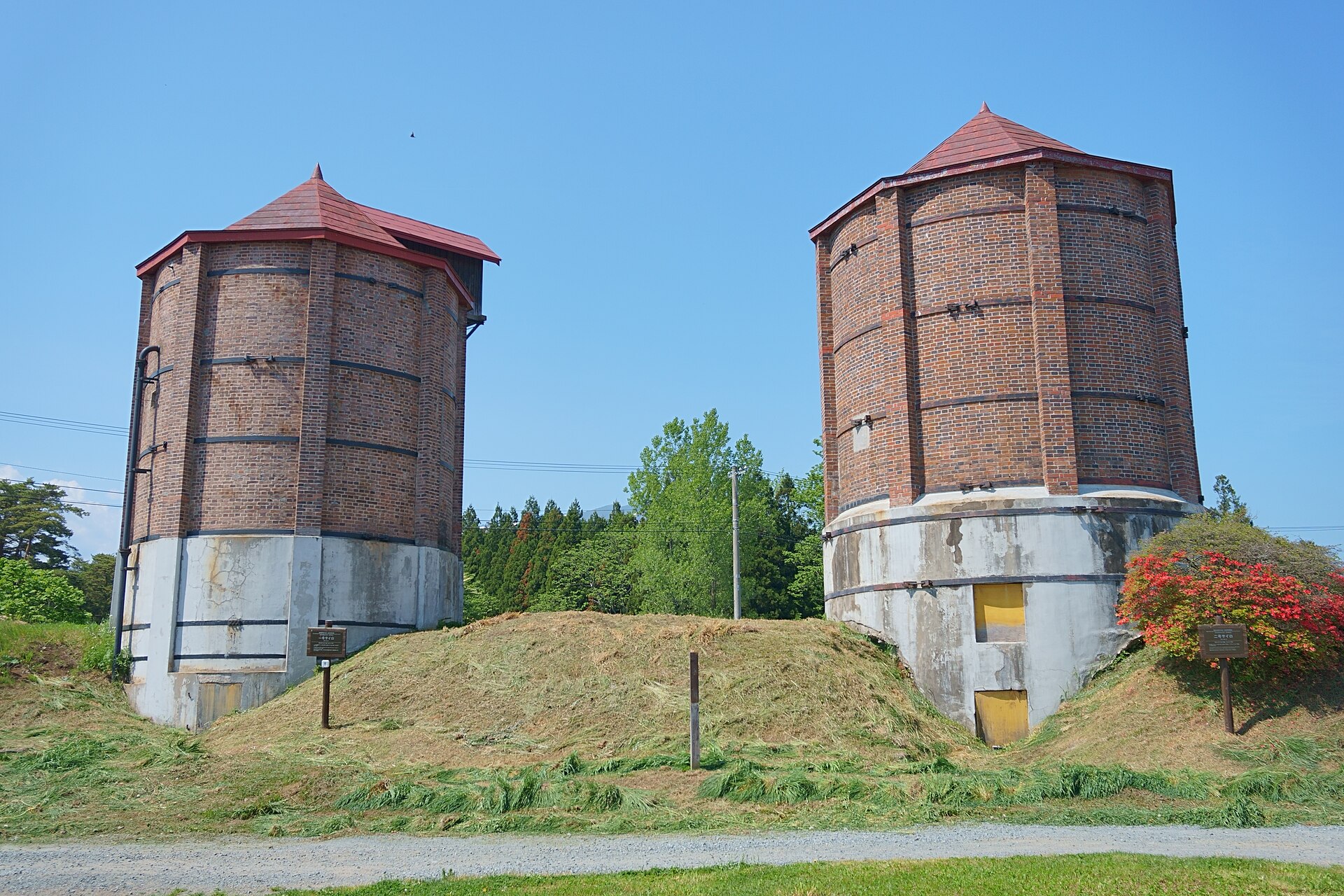
Overview
Azuma Farm Koiwai is a new luxury farm hotel and ファームステイ (farmstay, a stay on a working farm) in Iwate Prefecture, created by Adrian Zecha, the founder of Aman. The setting matters here. The property sits on the historic grounds of Koiwai Farm, which was founded in 1891 and is widely described as one of Japan’s oldest and best-known private farms. That gives the place a seriousness that goes beyond the usual country-house branding. This is not countryside as decoration. It is countryside with a history, a working edge, and a very deliberate sense of calm.
The appeal is simple enough to state and harder to build: genuine agricultural experiences paired with hotel-level service. That combination is what makes Azuma Farm Koiwai interesting. You come for the texture of place, the open space, the farm-produced ingredients, and the feeling of being in Iwate, a prefecture that is both Japan’s second-largest by area and one of its least densely populated. In other words, there is room to breathe. And room matters.
What Azuma Farm Koiwai actually is
At its core, Azuma Farm Koiwai is a luxury rural stay built around the farm landscape rather than around a city escape fantasy. The experience is shaped by the land and by the idea of おもてなし (omotenashi, wholehearted, attentive hospitality), the deeply attentive Japanese style of hospitality that makes service feel careful without becoming fussy. That balance is the whole trick. For a property like this, the promise is not just comfort; it is a more exacting kind of comfort, one that leaves space for silence, weather, and daily rhythm.
The farmstay format also matters because it changes the pace of the visit. A 旅館 (ryokan, traditional Japanese inn), a traditional Japanese inn, often centers on bathing, meals, and a measured flow of time. Azuma Farm Koiwai is different, but it belongs to the same family of place-based hospitality: the experience is meant to be felt in the body. You notice the distance between buildings, the air, the light, the sound of the grounds. That is the point. If you are the kind of person who likes watching a place reveal itself one kilometer at a time, this one speaks your language.
The setting: Koiwai Farm and the Iwate landscape
Koiwai Farm gives the hotel its frame. Founded in 1891, it is a long-established agricultural site with a reputation that reaches well beyond the prefecture. The farm is known for fresh products sold directly from the farm, which ties the stay to real production rather than a themed version of rural life. That direct-from-the-source approach is not a small detail. It is the difference between a pastoral image and an actual working landscape.
Iwate itself is part of the draw. It is large, sparsely populated, and spacious in a way that a lot of Japan is not. For visitors, that translates into a different kind of travel experience: more distance, more quiet, fewer interruptions. The terrain supports a slower pace, and the hotel builds on that. This is the sort of place where the lumpy, practical reality of rural Japan is the charm. Not polished away. Not flattened into a postcard. Left intact enough to feel real.
Why the project matters
Adrian Zecha is a significant figure in luxury hospitality, and that pedigree gives the project a particular weight. But the important thing is not celebrity for its own sake. It is the shift in what luxury can mean in Japan. Here, luxury is not just design, spa menus, or remote exclusivity. It is access to land, to agricultural life, and to a carefully managed stillness. That is a different proposition, and one that feels especially timely in a country where urban intensity often dominates the travel conversation.
For readers who follow Japan travel closely, the property also sits at the intersection of several recurring interests: high-end rural stays, heritage farming, and destination design that tries to respect its setting. If you are looking into related reporting, the broader context is useful. This luxus farmstay in Iwate story captures how unusual the concept is in the Japanese travel landscape.
What visitors can expect on site
The confirmed idea behind the stay is a blend of agricultural experience and luxury hotel service. That suggests a visit shaped by food, landscape, and attentive comfort rather than by spectacle. The farm itself offers fresh products directly from the property, so the connection to local production is part of the stay, not an afterthought. Expect a quiet environment, nature-forward surroundings, and the sense that time has been arranged rather than merely filled.
- Historic farm setting on the grounds of Koiwai Farm
- Luxury hospitality with farmstay character
- Access to fresh farm products
- Quiet, nature-focused surroundings
- A location tied to one of Japan’s most established private farms
If you are mapping the stay against other kinds of Japanese accommodation, think less resort and more cultivated retreat. There is a difference. One is about entertaining you; the other is about letting the place do the work.
How it compares with other Japan stays
Azuma Farm Koiwai belongs in the same conversation as upscale countryside inns, destination farms, and the newer generation of experiential hotels that use local production as part of the guest experience. It is not the same as a city hotel, and it is not trying to be. It is closer in spirit to stays that make food, land, and architecture feel inseparable. For travelers who enjoy regions rather than just landmarks, that matters.



There is also a learning angle here, which I suspect is why some readers keep searching for phrases like azuma farm koiwai kanji or azuma farm koiwai japanisch lernen. The useful habit is not memorizing a name in isolation, but noticing the vocabulary that surrounds it: farmstay, omotenashi, ryokan, yoyaku, and the broader language of rural hospitality. That is how place names become legible. The words carry the texture.
Where to experience it in Japan
Azuma Farm Koiwai is in Iwate Prefecture, on the grounds of Koiwai Farm. That means the place is best experienced as part of a northern Honshu itinerary, especially if you want a Japan that feels spacious rather than compressed. Iwate rewards slower travel. Consider the journey itself part of the point, because the transition from dense urban corridors to this kind of open landscape changes how you read the stay.
For practical planning, use the property as an anchor for a wider visit to the region rather than as a standalone checkbox. The experience is strongest when you let the prefecture do what it does best: give you distance, air, and a sense of scale. More soon.
Related destinations and reading
If this sort of high-end rural hospitality interests you, look at other Japanese stays that lean on land, food, and heritage rather than on pure novelty. Koiwai Farm itself is the key reference point here, and Iwate Prefecture provides the wider frame. Those two facts do most of the work. The rest is atmosphere, and atmosphere, when done properly, is never just atmosphere.
Frequently Asked Questions
When did Azuma Farm Koiwai open?
Azuma Farm Koiwai opened on April 23, 2026.
Where is Azuma Farm Koiwai located?
It is located in Iwate Prefecture, on the historic grounds of Koiwai Farm.
Who created Azuma Farm Koiwai?
The project was created by Adrian Zecha, the founder of Aman.
What makes Koiwai Farm important?
Koiwai Farm was founded in 1891 and is described as one of Japan’s oldest and best-known private farms.
What kind of experience does Azuma Farm Koiwai offer?
It combines genuine agricultural experiences with luxury hotel-level service in a quiet, nature-focused setting.
Sources
- Eurownews travel report on Azuma Farm Koiwai — https://euronews.com/travel/2026/03/20/new-luxury-farm-resort-from-the-founder-of-aman-set-to-open-in-japan-next-month
- JP Nerd: Luxus-Farmstay in Iwate — https://jpnerd.com/de/japan-news-de/654-luxus-farmstay-iwate-azuma-farm-koiwai-aman-gruender


