
Overview
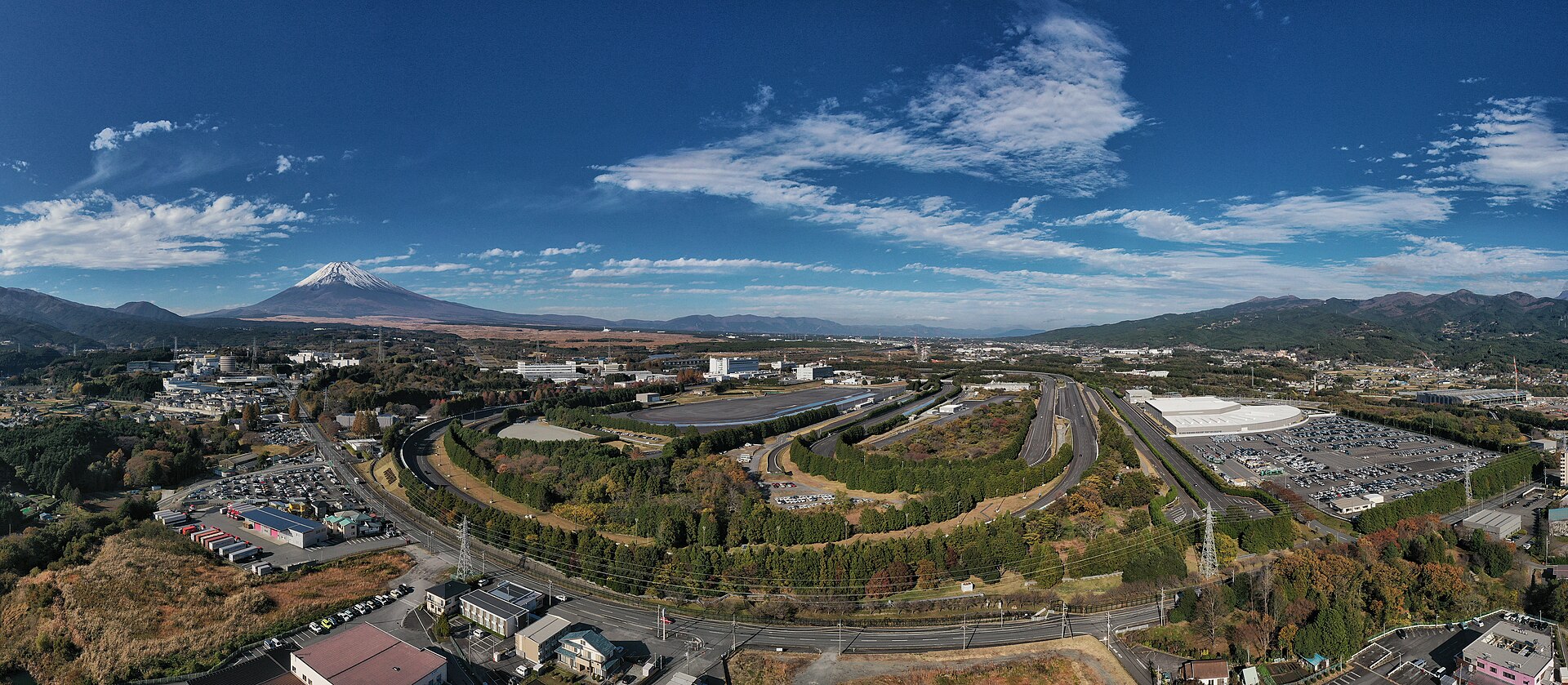
I'll admit, when I first heard "Toyota is building a city," my brain went straight to some glossy concept render that would quietly disappear in a few years. But Woven City isn't that. It's a genuine, physical place going up in Susono, Shizuoka Prefecture, right at the foot of Mount Fuji, on the old site of Toyota's Higashi-Fuji plant — a factory that used to make Corollas and Century sedans now being repurposed into something that looks a lot more like a small, quiet neighborhood than an automaker's showroom. Toyota first announced the idea at CES in January 2020, with then-CEO Akio Toyoda himself unveiling it, and the ambition behind it has stayed remarkably consistent since: build a real town, put real households in it, and use everyday life there as an ongoing testbed for the technology that might define how we all get around a decade or two from now.
Where Woven City Sits, and Why That Location Matters
Susono is roughly 60 miles — about 100 km — southwest of Tokyo, close enough to the capital that engineers and researchers can commute, but far enough out that it sits in genuinely different weather and terrain than the city. That's not a small detail. Woven by Toyota, the Toyota subsidiary running the project's research side (it was renamed from Woven Planet Holdings in April 2023), has been explicit that testing autonomous systems against Fuji-area conditions — fog, snow, steep approaches, the kind of edge cases a simulator back in an office park will never quite reproduce — is part of the point. It's a lesser-known corner of Shizuoka for most travelers, who tend to blow past it on the way to the mountain itself, but it's quietly become one of the more interesting addresses in Japanese mobility research.
A City Designed Around Three Kinds of Streets
The whole layout was designed by Bjarke Ingels Group, the Danish architecture firm known for buildings that solve a problem rather than just look nice, and it covers around 175 acres. What I find genuinely clever about the plan is the street network: rather than one shared road for everything, Woven City is woven (there's the name) around three interlaced street types — one purely for pedestrians, one for slow, low-speed personal mobility devices, and one for faster autonomous vehicles. Segregating them like that is meant to cut down on the conflict points between people, robots, and cars, and it's backed by a dense layer of sensors, continuous mapping, and local sensor fusion designed to keep every vehicle's behavior predictable rather than reactive. It's a subtle bit of urban design, honestly — the kind of thing you might not notice as a resident walking to get groceries, which is sort of the idea.
Living There Means Being Part of the Experiment
Here's the part that still gets me: the people living in Woven City aren't just watching the technology, they're the data. The first phase is planned to house around 360 residents, starting with roughly 100 people at launch — mostly Toyota and Woven by Toyota employees and their families — before later opening up to outside inventors and partner companies. The often-cited figure of about 2,000 residents refers to the city's full long-term vision across all its phases, not this opening stage. Either way, everyone there effectively becomes a real-world beta tester: for home robots, for AI systems quietly running in the background of daily life, for autonomous pods and shuttles moving at different speeds through the neighborhood. Researchers are collecting labelled, real-world data on things like last-mile deliveries, how a fleet of autonomous units gets orchestrated across a whole street network, and — this one feels very true to life in Japan — how those vehicles actually interact with cyclists.



More Than Cars: A Whole Ecosystem
And what's more, Woven City was never really meant to be a car showcase dressed up as a town. Toyota has framed the entire project as evidence of its shift from being "just" an automaker into a mobility and technology company, and the design reflects that: it treats getting people and goods around — from the sidewalk all the way to the front door — as one connected ecosystem, rather than a story that starts and ends with the vehicle itself. Small personal mobility devices, connected transport, robotics in the home, AI quietly managing energy and logistics — it's all meant to work together. There's also a deliberate insistence that this isn't a sterile tech lab wearing a residential mask. The design is meant to work for children and for older residents just as much as it does for engineers, which, if you've spent any time around Japan's aging population conversations, feels like a genuinely thoughtful choice rather than a footnote.
Where You Can Actually Experience Woven City in Japan
Now, the honest part: Woven City is a living, working neighborhood for its residents and research partners, not a tourist attraction with a ticket booth, so don't plan a visit the way you would a museum. What you can do is get close to the story. Susono sits along routes travelers already use heading toward Mount Fuji's Fifth Station or the Hakone area, and the wider Shizuoka side of Fuji has its own quieter, off-the-beaten-path charm — 温泉 (onsen, hot spring) towns, tea fields, views of the mountain without the crowds you'll find on the Yamanashi side. If you want the Toyota angle specifically, the company's heritage facilities elsewhere — places like the Toyota Automobile Museum in Aichi or Toyota's Mega Web exhibits — let you trace the throughline from Toyota's manufacturing past to where Woven City is trying to take it next. Keep an eye on Toyota's own announcements too, since public-facing tours or open days do occasionally get discussed as the city matures past its first phase. For now, Woven City is best experienced the way I've come to experience a lot of Japan's most interesting hidden projects: from just outside, piecing together the story, and trusting that the door opens a little wider with time.


