Overview
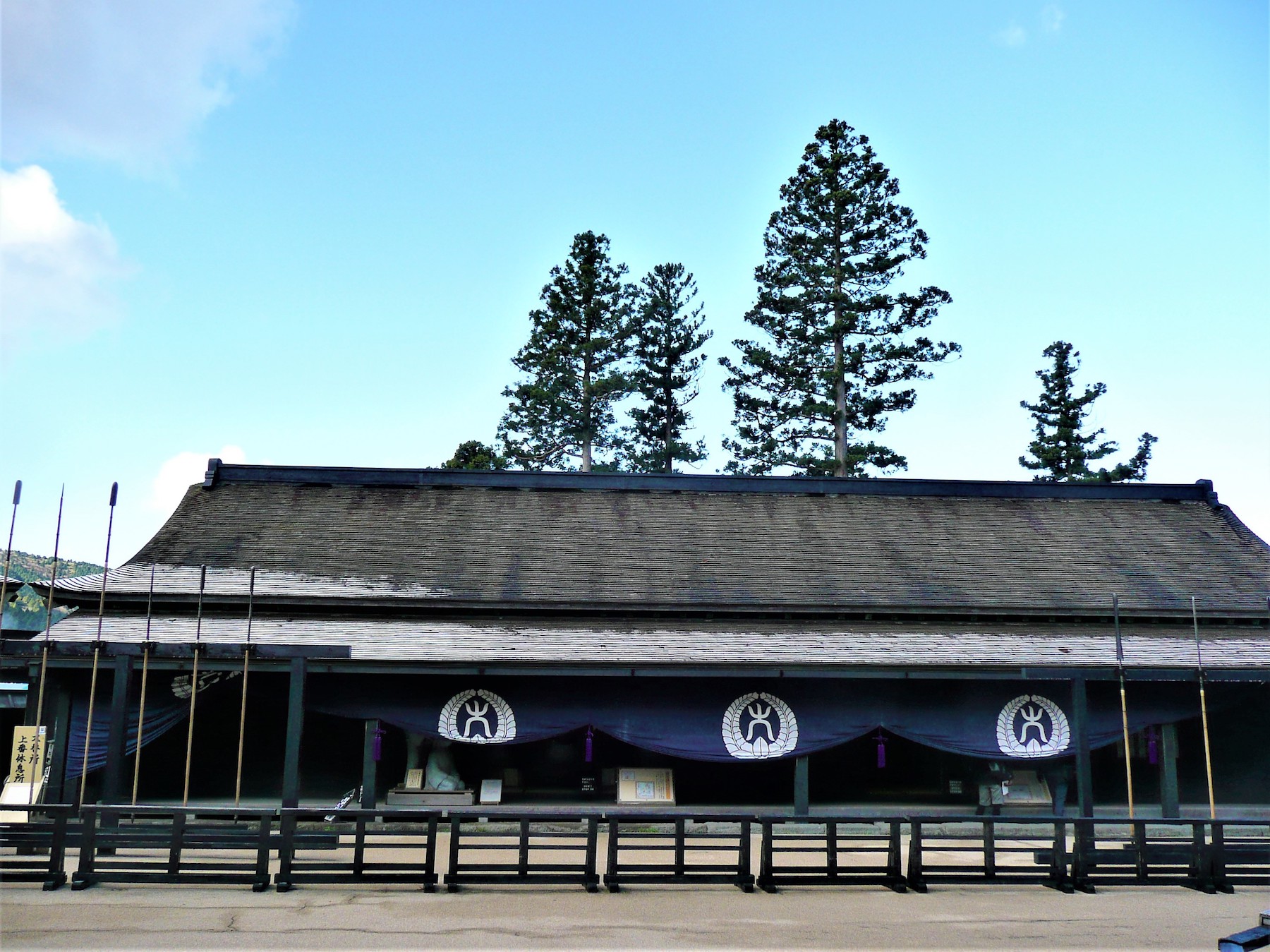
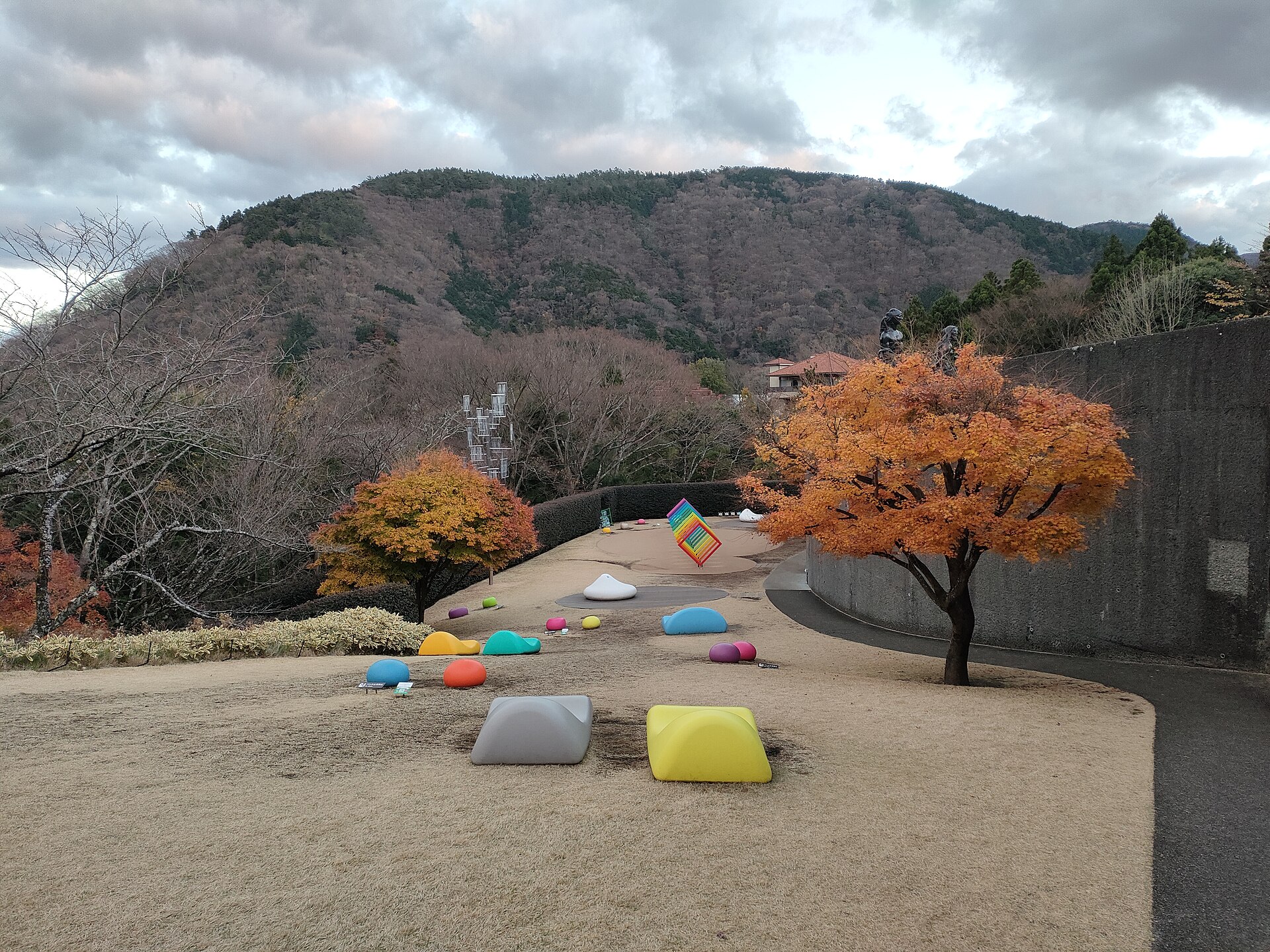
Hakone Chokoku no Mori 美術館 (bijutsukan, art museum), also known in English as the Hakone Open-Air Museum, is one of those places that makes you slow down without really trying. Founded in 1969, it was built around a simple but lovely idea: instead of putting modern sculpture behind walls, let it live in the hills, grass, and changing weather of Hakone. The result is a museum where the setting is not just background, it is part of the work.
The grounds cover about seven hectares, or roughly 70,000 square meters, and hold around 120 sculptures spread across the outdoor space. On a clear day, you may even catch Mount Fuji in the distance, which adds another layer to the experience without turning it into something overly polished. It feels a little off the beaten path, in the best way, and very much in step with Hakone’s volcanic landscape and 温泉 (onsen, hot spring; hot-spring bath) mood. If you are planning a wider Hakone day, this is a very natural companion to a Hakone Chokoku no Mori 2026 guide for museum, ropeway, and Mount Fuji views.
Why this museum feels different
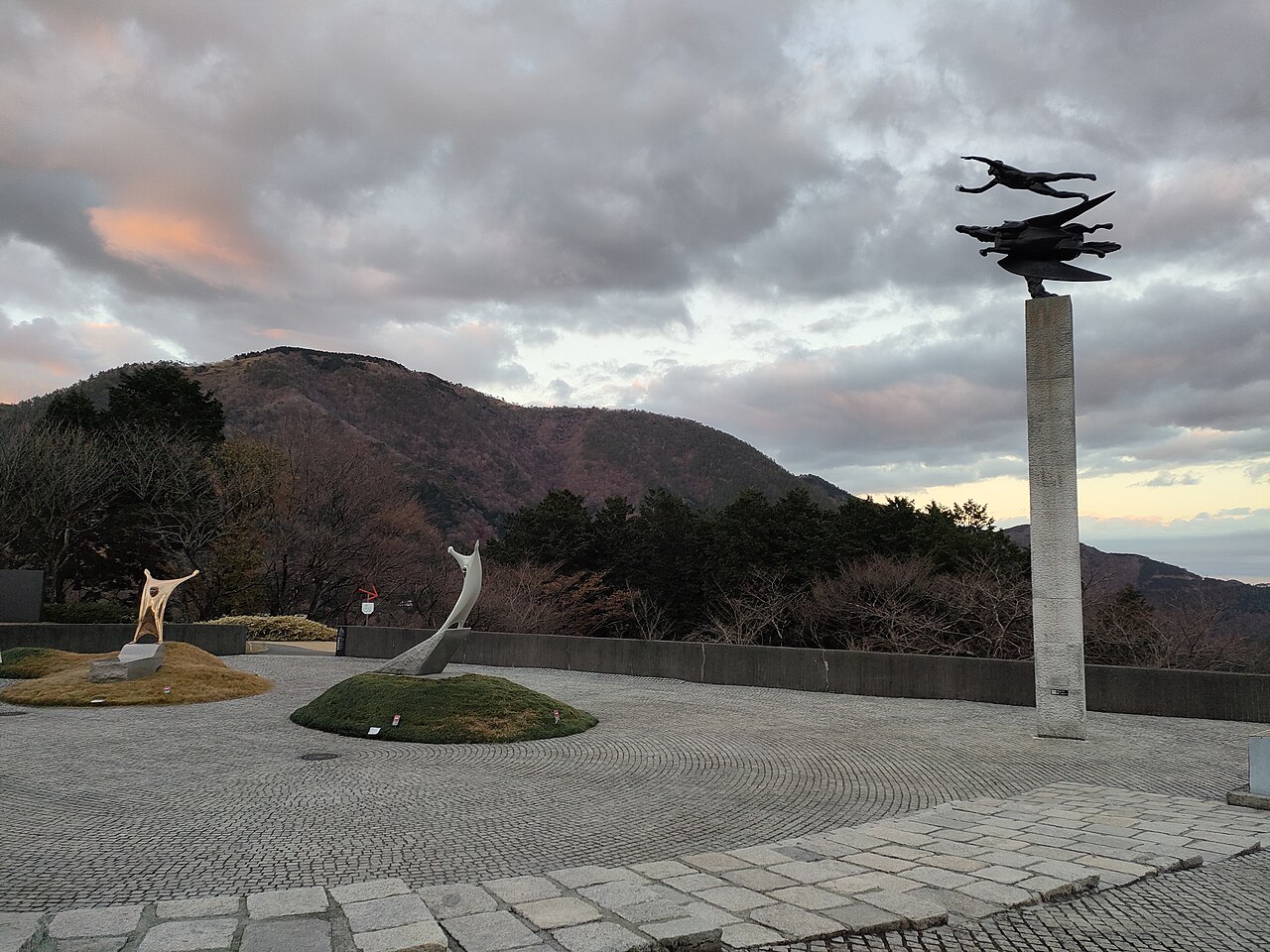
The museum’s big idea is the marriage of art and nature. That sounds simple, but it really matters here. The sculptures are not lined up like static objects in a sterile room. They are placed to interact with slopes, trees, open air, light, and the shifting feel of the season. In Japanese, this kind of thoughtful fit is often described through 間 (ma, space; pause; interval), the sense of space and pause, and 幽玄 (yugen, subtle, profound beauty; mysterious depth), a quiet depth that you feel more than explain. Those ideas are not labels on the wall, but they help describe why walking here feels so distinct.
Because the museum is built into the land, the experience changes constantly. Weather matters. A cloudy afternoon feels different from a bright morning. Grass, hills, and distant views all shift the mood as you move from one piece to the next. And because the museum sits within the Fuji-Hakone-Izu National Park area, the whole visit carries that larger Hakone identity: volcanic terrain, mountain air, and the gentle promise of an onsen afterward. That combination is what makes the museum memorable, not just the artworks alone.
The Picasso Pavilion and its indoor collection
Even though the outdoor grounds are the heart of the museum, the indoor side deserves attention too. The Picasso Pavilion houses an extensive collection associated with Picasso, described as including about 300 works. That collection spans drawings, ceramics, paintings, and sculptures, so it gives a broader view of the artist than a quick glance at a single medium ever could. It also balances the open-air installations nicely, offering a more focused indoor stop when you want a change of pace.
For visitors, this is one of the best reasons to build extra time into the day. You can move from wide, weather-dependent sculpture viewing into a more controlled museum setting without leaving the overall experience behind. It is a good reminder that Hakone Chokoku no Mori Bijutsukan is not only about wandering outside; it is also about seeing how a modern art museum can flex between landscape and gallery space.
How to get there without making it a mission
The museum is easy enough to reach if you are already moving through the Hakone area. Chokoku-no-mori Station is about a two-minute walk away, which makes the arrival pleasantly low-stress. From Gora, you can take the Hakone Tozan Railway to Chokoku-no-mori Station, and that route is part of the charm of visiting Hakone in the first place. The train ride, the hills, the small stations… it all feels very much like the journey is already part of the day out.
If you are coming from Tokyo, the typical route often starts with the Odakyu Romancecar from Shinjuku to Hakone-Yumoto, which takes about 85 minutes, before transferring further into the Hakone area. Once you are moving through Hakone, the pace naturally slows. That is a good thing. It gives the visit the right kind of rhythm, the sort that rewards a little planning and a lot of curiosity.
And if you are building a broader Hakone route, the ropeway is another useful piece of the puzzle. The Hakone Ropeway runs from Sounzan to Togendai over Owakudani and offers panoramic views, including Mount Fuji on clear days. That makes it easy to pair the museum with other classic Hakone stops without turning the day into a race.
What to expect on the grounds
The outdoor collection is the main draw, and it works especially well because the museum never asks you to see sculpture in a single fixed way. A piece that feels playful in bright sun may seem more serious under cloud cover. A larger work may suddenly line up with a slope or patch of grass in a way that changes how you read it. That is part of the fun. You are not just looking at art; you are noticing how art behaves in a place.
If you are interested in a more practical way of thinking about the visit, here are the main things that stand out:



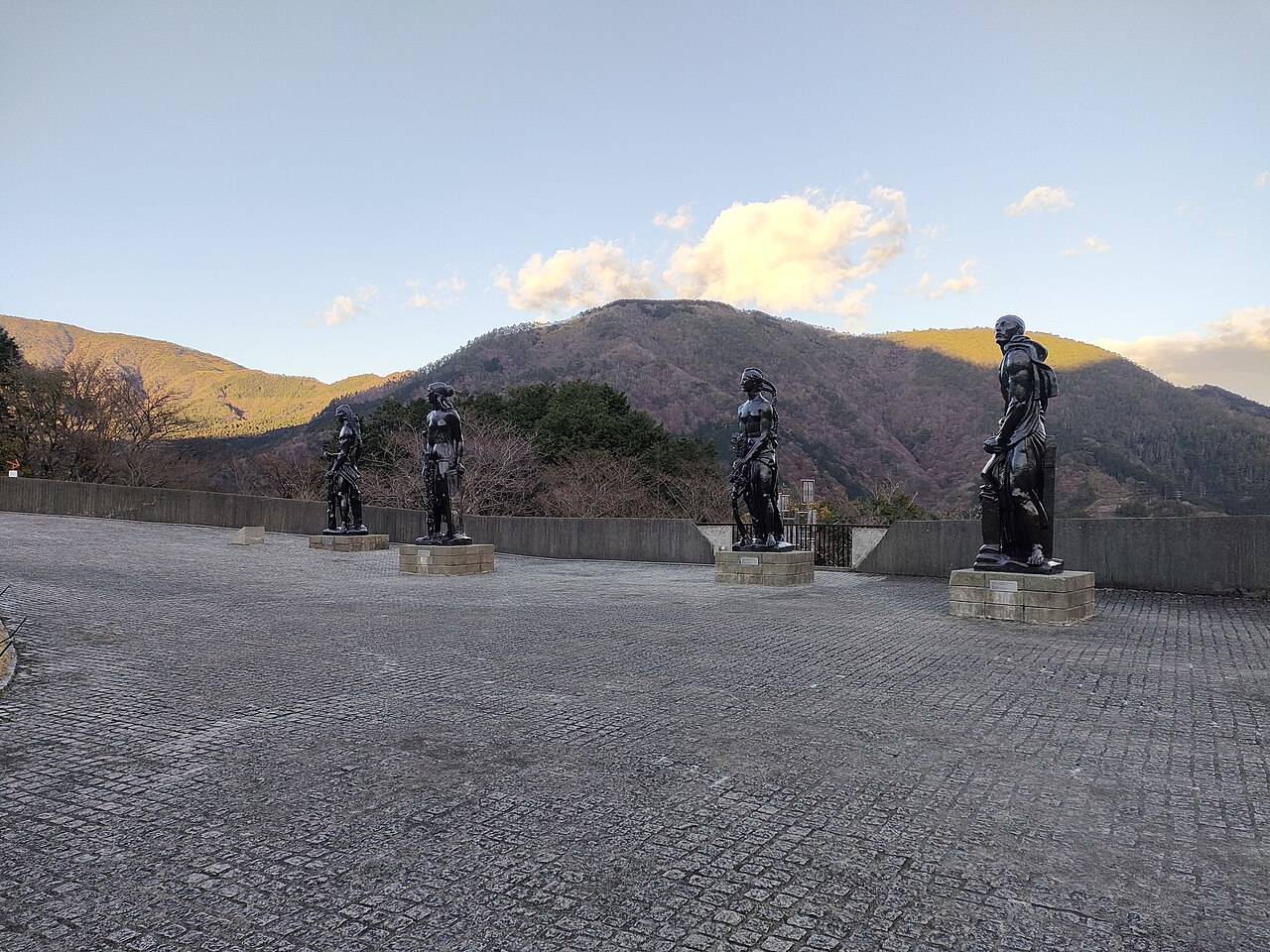
- around 120 outdoor sculptures spread across a large open landscape
- about seven hectares of museum grounds
- an indoor Picasso Pavilion with a substantial multi-medium collection
- views and atmospheres shaped by weather, hills, and the Hakone setting
- a location that works naturally within a Hakone sightseeing day
Why it matters for Japan travelers and Japanese learners
For travelers, this museum is a strong example of how Japan often rewards slow attention. You do not need a deep art background to enjoy it, but you do need a willingness to wander, pause, and notice. That is part of why I think it also appeals to people studying Japanese culture or language. The museum’s name itself is useful in a language-learning sense, because Hakone Chokoku no Mori Bijutsukan kanji is a common search query, and Hakone Chokoku no Mori Bijutsukan japanisch lernen can be a handy phrase for learners looking up place names, museum vocabulary, and art-related terms. A simple word like bijutsukan, meaning museum, is one of those everyday terms that becomes very practical once you start traveling more in Japan.
There is also a nice cultural thread here. The museum reflects a Japanese habit of creating spaces where people move through an experience rather than consume it all at once. That idea shows up in gardens, temple grounds, hot spring towns, and yes, in modern art spaces like this one. It is not flashy. It does not need to be. It just works.
Where to experience it in Japan
If you want to visit Hakone Chokoku no Mori Bijutsukan, base yourself in the Hakone area of Kanagawa Prefecture and plan for a day that includes a little transit and a lot of walking. The museum is easiest to fold into a broader Hakone route that may also include Gora, the Hakone Tozan Railway, or the ropeway corridor toward Owakudani and Togendai. Because it sits in a mountain setting with onsen culture all around it, the museum feels especially rewarding when paired with a slower Hakone itinerary rather than treated as a quick in-and-out stop.
And that is really the hidden charm here. You come for sculpture, but you leave with a stronger sense of Hakone itself… the terrain, the air, the pace, the way art can quietly settle into a landscape. That is not something every museum can do.
For related reading, you can also look at Hakone Open-Air Museum: art, nature, and onsen flair and the broader background on sculptures, mountains, and onsen atmosphere.
Frequently Asked Questions
What is Hakone Chokoku no Mori Bijutsukan?
It is an open-air museum in Hakone, Kanagawa Prefecture, founded in 1969 to place modern sculptures in the landscape rather than only in indoor galleries.
How many sculptures are there?
The museum displays around 120 sculptures across its outdoor grounds, along with an indoor Picasso Pavilion.
How do I get there?
Chokoku-no-mori Station is about a two-minute walk away, and visitors can also reach it by taking the Hakone Tozan Railway from Gora.
Can I see Mount Fuji from the area?
Yes, the museum and the wider Hakone route can offer views of Mount Fuji on clear days, including from the Hakone Ropeway area.
Is there an indoor collection too?
Yes. The Picasso Pavilion contains about 300 works, including drawings, ceramics, paintings, and sculptures.
Sources
- Museum.or.jp entry for Chokoku-no-mori Station access: https://www.museum.or.jp/museum/2814
- Hakone Open-Air Museum official information: https://www.hakone-oam.or.jp/
- Hakone Tozan Railway official route information: https://www.hakone-tozan.co.jp/
- Hakone Ropeway official information: https://www.hakoneropeway.co.jp/