Overview
Tokyo Disney Resort sits in Urayasu, just outside central Tokyo, and it works a little differently from the big-theme-park image many visitors carry in their heads. Yes, there are rides, parades, and the steady sugar rush of おもてなし (omotenashi, Japanese-style hospitality; attentive, considerate service), the carefully staged hospitality that Japan does so well. But there is also timing, transport, booking strategy, and a surprising amount of reading the place as a system. That is part of the texture of place here. If you are planning a first visit, or simply trying to keep up with what changes from year to year, a Tokyo Disney Resort guide needs to cover both the parks themselves and the practical edges around them.



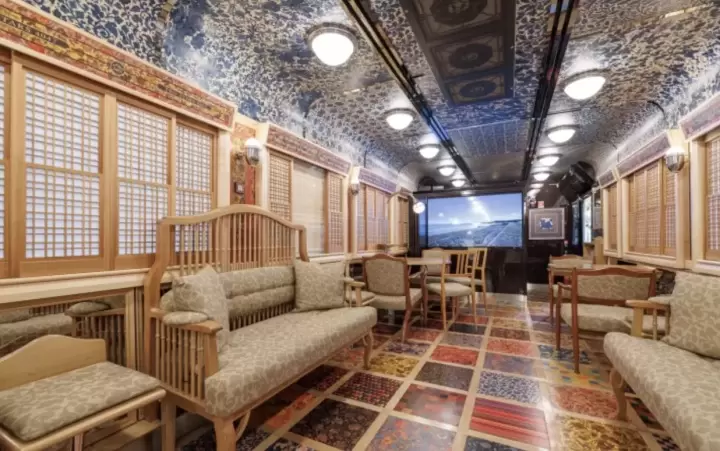
The resort is best understood as two large parks plus the surrounding hotel, shopping, and transport network that makes the whole thing run. Tokyo Disneyland is the classic side, while Tokyo DisneySea has the more adult-leaning, atmospheric layout. Tokyo DisneySea will celebrate its 25th anniversary in 2026, which makes it the focal point for recent and upcoming seasonal programming. A few news items matter for visitors because they affect how you get there and how you move inside the resort. JR East launched the Magical Jubilee Shinkansen on 2026-06-10 as part of the anniversary project, and JR Central launched the Sparkling Dreams Shinkansen on 2026-06-19. The Sparkling Dreams Shinkansen runs on the Tokaido Shinkansen between Tokyo and Osaka, so even the journey can become part of the visit. That is very Japan: the transit layer is not an afterthought, it is part of the experience. More on that here: Tokyo DisneySea Turns 25 with Magical Jubilee Shinkansen.
What the resort covers, and why it matters
For practical purposes, Tokyo Disney Resort is about planning rather than improvising. The parks are popular enough that a 予約 (yoyaku, reservation; advance booking), meaning a reservation, can shape your day before you even arrive. That matters for tickets, dining, and sometimes for the flow of attractions depending on the current system in use. The resort also changes its guest tools over time. One important example is the end of the free Priority Pass system on 2026-08-31. If you are used to older advice, that date is the sort of thing that quietly breaks an itinerary. These are not small details. They are the difference between a smooth day and a day spent standing in a line wondering where the rest of your daylight went.
For readers who like a broader Tokyo Disney Resort guide, the practical lesson is simple: check the current entry system before you go, then build your day around that. The park experience is shaped by maru-ness in the Japanese sense of managed completeness, though nobody would actually call it that at the gate. You arrive, you queue, you move, you eat, you queue again. It is all very orderly, and that order is part of the appeal. If you want another angle on changing access systems, the ongoing Tokyo Disney Resort news cycle is worth watching, especially around reservations and pass formats. One useful context piece on recent access changes is Tokyo Disney Resort streicht den kostenlosen Priority Pass.
Tokyo DisneySea as the center of the current conversation
Tokyo DisneySea tends to pull the most attention because it is visually distinct, a little moodier, and more obviously a destination rather than just a park. Its 25th anniversary in 2026 gives the resort a strong seasonal anchor, and anniversary programming is often where the most visible special trains, decorations, and tie-ins appear. The Magical Jubilee Shinkansen and the Sparkling Dreams Shinkansen are part of that wider celebratory apparatus, not just novelty railcars. If you are moving between Tokyo and Osaka on the Tokaido Shinkansen, the Sparkling Dreams design means the Disney presence extends far beyond Maihama. That is the sort of detail that makes Japanese leisure culture feel lumpy in the best way: the event is not confined to one place, but leaks into the rail network, the stations, and the journey itself.
For visitors, the important question is not only what is on in the parks, but where it shows up in everyday travel. This is especially true if you are trying to combine the resort with a wider Kansai or Kanto route. The anniversary project gives you a reason to pay attention to trains, station displays, and limited-time branding. It also gives the resort a useful narrative frame: if you are visiting in 2026, you are not just going to a theme park, you are arriving during a documented milestone year. That matters, even if you are the sort of person who pretends it does not. We are all dorks about something.
How to read the resort like a visitor who wants fewer surprises
If this is your first time, minimize load. Wear the lightest shoes possible, and treat the day as a sequence of small decisions rather than one heroic push. There will be queues, and there will be moments where the route between food, rides, and rest feels more important than the headline attractions. This is where a clear plan helps. Check the date of your visit, confirm whether your target attractions or dining choices need a reservation, and remember that the current access system may not resemble older blog posts. The body matters here. So does patience.
It also helps to know a few useful terms if you are doing Tokyo Disney Resort japanisch lernen as a practical exercise. Words like yoyaku, omotenashi, and 期間 (kikan, period of time; span; duration) can recur in transport and booking contexts; at the resort, the more relevant vocabulary is the language of timing, access, and service. Even Tokyo Disney Resort kanji searches can be useful when you are trying to read official notices or station signs, though most English-language planning begins with park maps and current announcements. My advice is not to memorize everything. Learn the bits that touch your actual day. The rest is decorative, and decoration is already in ample supply.



Related places, related articles, and where to experience it in Japan
Tokyo Disney Resort is experienced most directly in Maihama, reached through the wider Tokyo transport network, but its influence spreads into rail culture and travel planning across Japan. If you are looking to experience the resort properly, start with a full day, not a quick stop between errands. Then add transport time, because transport time is not dead time here. It is part of the texture. If you are interested in the commemorative side of the resort’s 25th anniversary, the special trains are worth following as examples of how Japanese tourism campaigns often merge branding and mobility. The result is practical and a little theatrical, which is exactly the point.
For ongoing Tokyo Disney Resort news, keep an eye on access changes, anniversary projects, and the way special rail services connect major cities to the resort’s moment in the calendar. That is where the useful information lives: not in hype, but in the mechanics of getting there and moving through the day. More soon.
- Tokyo DisneySea marks its 25th anniversary in 2026.
- JR East’s Magical Jubilee Shinkansen is part of that anniversary project.
- JR Central’s Sparkling Dreams Shinkansen runs on the Tokaido Shinkansen between Tokyo and Osaka.
- The free Priority Pass system ends on 2026-08-31.
- Plan around reservations, transport timing, and the current entry system.
Frequently Asked Questions
What is Tokyo Disney Resort best known for?
It is best known for Tokyo Disneyland and Tokyo DisneySea, with DisneySea’s 25th anniversary in 2026 drawing extra attention.
Do I need to check the access system before visiting?
Yes. The free Priority Pass system ends on 2026-08-31, so current entry and reservation rules should be checked before you go.
What are the anniversary Shinkansen trains?
JR East launched the Magical Jubilee Shinkansen on 2026-06-10, and JR Central launched the Sparkling Dreams Shinkansen on 2026-06-19.
Where does the Sparkling Dreams Shinkansen run?
It runs on the Tokaido Shinkansen between Tokyo and Osaka.
How should I use this as a Tokyo Disney Resort guide?
Focus on the current news, reservations, transport timing, and the fact that Tokyo DisneySea’s anniversary year changes what visitors may encounter around the resort.