Overview
Burger King Japan is the Japanese arm of the global burger chain, but in practice it has its own little rhythm, menu quirks, and seasonal promotions. For visitors, it is an easy option when you want something familiar, though the Japan version still has enough local flavour in its limited-time items to make it worth a glance rather than a shrug. And, because life enjoys a bit of balance, the chain has also been in the news for a major data breach tied to its official smartphone app, which affected 11.18 million customer records. Not the sort of headline any brand wants, obviously.
There are two things worth knowing straight away. First, Burger King Japan launched King Fusion, a limited-time dessert made by combining soft-serve with mix-ins such as cookies or syrups. Second, the company later confirmed an unauthorized access incident involving a server that handled app data, with the access period reported to have run from October 2 to October 7. If you use chain apps in Japan, that is a useful reminder that convenience and caution are occasionally forced into the same sentence.
For readers who are also browsing with language in mind, Burger King Japan is a handy example of how brand names travel into Japanese everyday life. You may also come across related search terms like Burger King Japan kanji, or even Burger King Japan japanisch lernen, if you are trying to build vocabulary around menus, ordering, and app-based loyalty systems. There is no profound philosophy here, just practical language in a fast-food setting, which is somehow exactly the sort of thing that becomes unexpectedly useful.
The seasonal dessert that drew attention
King Fusion is a limited-time dessert in Burger King Japan’s seasonal lineup, and it is built around soft-serve ice cream mixed with add-ins such as cookies or syrups. That is the core idea, and it is not trying to pretend otherwise. The appeal is in the contrast: cold, creamy soft-serve plus bits of texture and extra sweetness, which gives it more character than the usual one-note cup of dessert. In Japan, limited-time items matter because they create a small sense of occasion, and chains know this very well. A seasonal release is not just a menu item; it is a brief invitation to show up before the thing disappears.
What makes King Fusion notable is not complexity but timing. Burger King Japan uses limited-time desserts as part of a seasonal strategy, and that keeps the menu feeling a little more alive than the standard permanent lineup. You see this across Japanese fast food in general: the permanent menu does the dependable work, while the temporary releases provide the mild excitement, the “go on then, I will try it once” energy. A very respectable business model, frankly.
If you are comparing it with other fast-food dessert campaigns in Japan, the pattern is familiar even when the details differ. Chains rotate flavours, textures, and collaborations to keep customers checking back. That creates a steady stream of small news moments, which is why coverage of Burger King Japan often shifts between menu launches, app announcements, and wider corporate updates. For a related example of the chain’s promotional rhythm, see Burger King Japan Launches King Fusion Soft-Serve.
What Burger King Japan is like as a chain
As a chain, Burger King Japan sits in that useful middle ground between global familiarity and local adaptation. You know what you are getting at a glance, which matters when you are travelling, but the Japanese market still pushes chains to think carefully about value, seasonality, and novelty. The result is a menu culture that feels both practical and slightly mischievous. You go in for a burger, and then someone has added a limited-time dessert, a special sauce, or a deal that exists only for a few weeks because, apparently, nobody in Japan trusts joy to remain too stable.
There are a few terms that help here. Yoyaku means a reservation, although in fast food it is less about tables and more about planned visits and timed purchases when promotions are popular. Shinshiki, meaning seasonal items, is a useful idea for understanding why limited-time menu products keep appearing. And kaishu, a simple “cashier” or checkout register context depending on usage, becomes relevant when you are ordering in person, especially if you are balancing a paper receipt, a tray, and the social anxiety of deciding whether to add fries. Also worth knowing is sumaho apuri, the smartphone app, because Burger King Japan’s app became central to the later data breach. Not glamorous, but very practical.
In broader terms, Burger King Japan is one of those places where the experience is shaped as much by systems as by food. There is the in-store counter, the app ecosystem, the seasonal campaign, and the occasional headline that reminds everyone that digital convenience has a habit of dragging security questions along behind it. That is modern chain dining in a nutshell, really.
The app breach and what it means for customers
In October 2026, Burger King Japan confirmed a data breach affecting 11.18 million customer records. The incident involved unauthorized access to a server tied to the official smartphone app, and the reported access window was between October 2 and October 7. That is a substantial number of records by any standard, and it places the story firmly in the category of serious operational and customer trust issues rather than ordinary technical hiccups. A server exposed through app infrastructure is exactly the sort of thing that makes digital services feel less like background convenience and more like something worth checking twice.
For users, the main point is not melodrama but caution. If you have ever signed up for chain apps in Japan, the usual pattern applies: review your account details, use strong and unique passwords, and treat any unexpected messages with a dose of scepticism. Believe it or not, a lot of people still reuse passwords and then act surprised when the universe becomes mischievous. Burger King Japan’s breach is a good reminder that app-based perks and app-based risk tend to travel together, and that the smallest-looking software endpoint can end up being the entire story.

This kind of incident also changes how people read chain news. A dessert launch feels light and ephemeral; a data breach lands with a duller but heavier thud. Both become part of the public record, and both shape how customers think about the brand. If you are following Burger King Japan news, it is worth tracking both the promotional side and the security side, because modern chains are, inevitably, judged on both.
Where to experience Burger King Japan in Japan
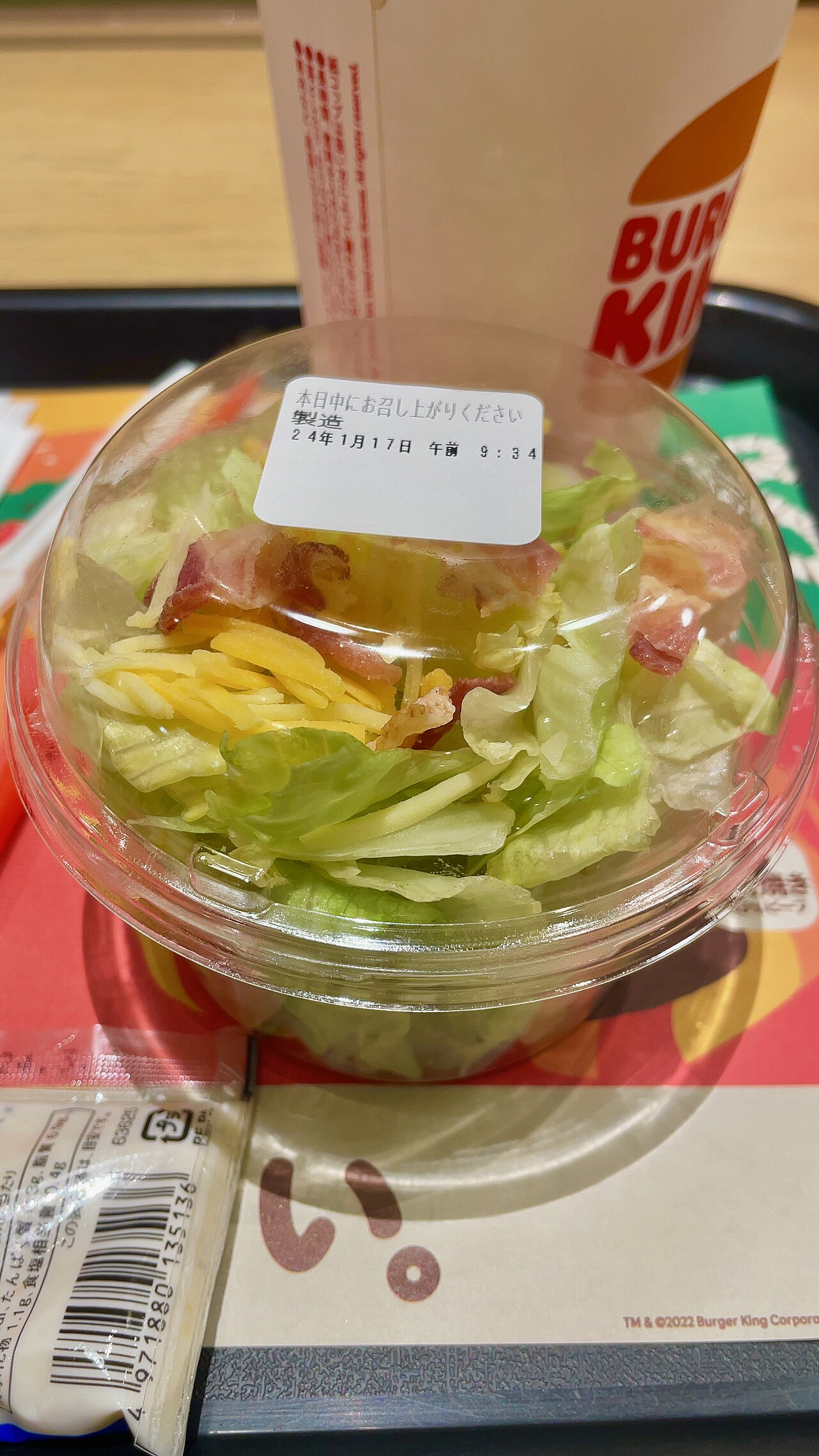
If you want to experience Burger King Japan in person, the simplest answer is to look for its outlets in major cities, transport hubs, and shopping districts across the country. Like most national chains, it is easiest to encounter where foot traffic is high and people want something quick, predictable, and open at sensible hours. Tokyo, Osaka, Yokohama, Nagoya, and other major urban areas are the obvious places to start, though exact locations and opening times vary by store. The point is not to make a pilgrimage. It is to wander past a station, see a familiar logo, and decide that today, for reasons best known to your stomach, a burger is the correct answer.
The in-store experience is the usual fast-casual routine, but Japanese chain restaurants often run with a degree of orderliness that feels reassuring. You queue, you order, you wait, and you collect. Nothing spiritual, no drama, just a system that works. And if a seasonal dessert like King Fusion is available, that is when the chain becomes more interesting than the average pit stop.
- Look for Burger King Japan in busy urban centres and station areas.
- Check the official app or in-store notices for limited-time items such as King Fusion.
- Be cautious with account details if you have used the chain’s smartphone app.
- If you are learning Japanese, menus and app screens can be useful real-world reading practice.
How Burger King Japan fits into Japan’s fast-food landscape
Burger King Japan matters because it shows how imported brands adapt once they are dropped into Japan’s competitive fast-food ecosystem. They rarely remain entirely generic for long. Seasonal products, localised promotions, app-driven loyalty, and limited-time sweets all help a chain feel embedded rather than merely transplanted. The result is something slightly hybrid: recognisable enough for travellers, specific enough for regulars, and sufficiently newsworthy to generate interest beyond simple burgers. That is not bad going for a place where the menu can swing from fries to soft-serve and then, in the next breath, to a serious cybersecurity report.
For readers searching Burger King Japan guide material, the most useful framing is probably this: it is a chain worth knowing because it gives you a reliable meal, a rotating set of seasonal items, and a snapshot of how modern restaurant brands in Japan operate across both food and digital services. Not exactly a grand cultural monument, but then a good chain never pretends to be one. It just keeps serving, and occasionally makes the news for reasons both delicious and alarming. Which, in fairness, is a pretty Japanese kind of contradiction.
Frequently Asked Questions
What is King Fusion at Burger King Japan?
King Fusion is a limited-time dessert in Burger King Japan’s seasonal lineup. It combines soft-serve ice cream with mix-ins such as cookies or syrups.
Was Burger King Japan affected by a data breach?
Yes. Burger King Japan confirmed a breach affecting 11.18 million customer records. The issue involved unauthorized access to a server linked to its official smartphone app.
When did the Burger King Japan app breach happen?
The reported unauthorized access period was between October 2 and October 7. The company later confirmed the breach publicly.
Where can I experience Burger King Japan in Japan?
You can find Burger King Japan in major cities, transport hubs, and shopping districts across Japan. It is easiest to encounter in high-foot-traffic areas.
Sources
- Burger King Japan Launches King Fusion Soft-Serve — https://jpnerd.com/en/japan-news-en/2964-burger-king-japan-launches-king-fusion-soft-serve-en
- Burger King Japan data breach report — https://jpnerd.com/de/japan-news-de/11740-burger-king-japan-meldet-datenabfluss-von-11-18-millionen-de