
Overview
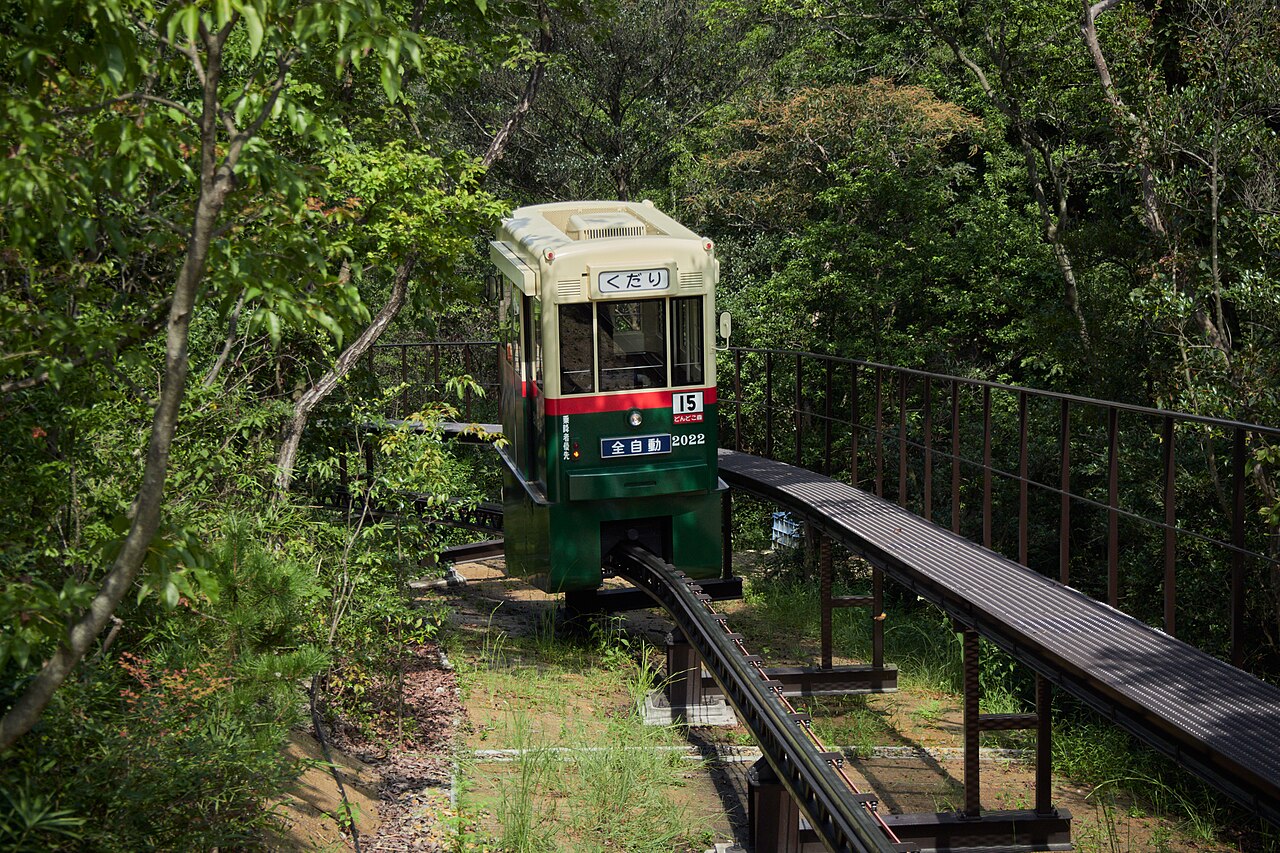
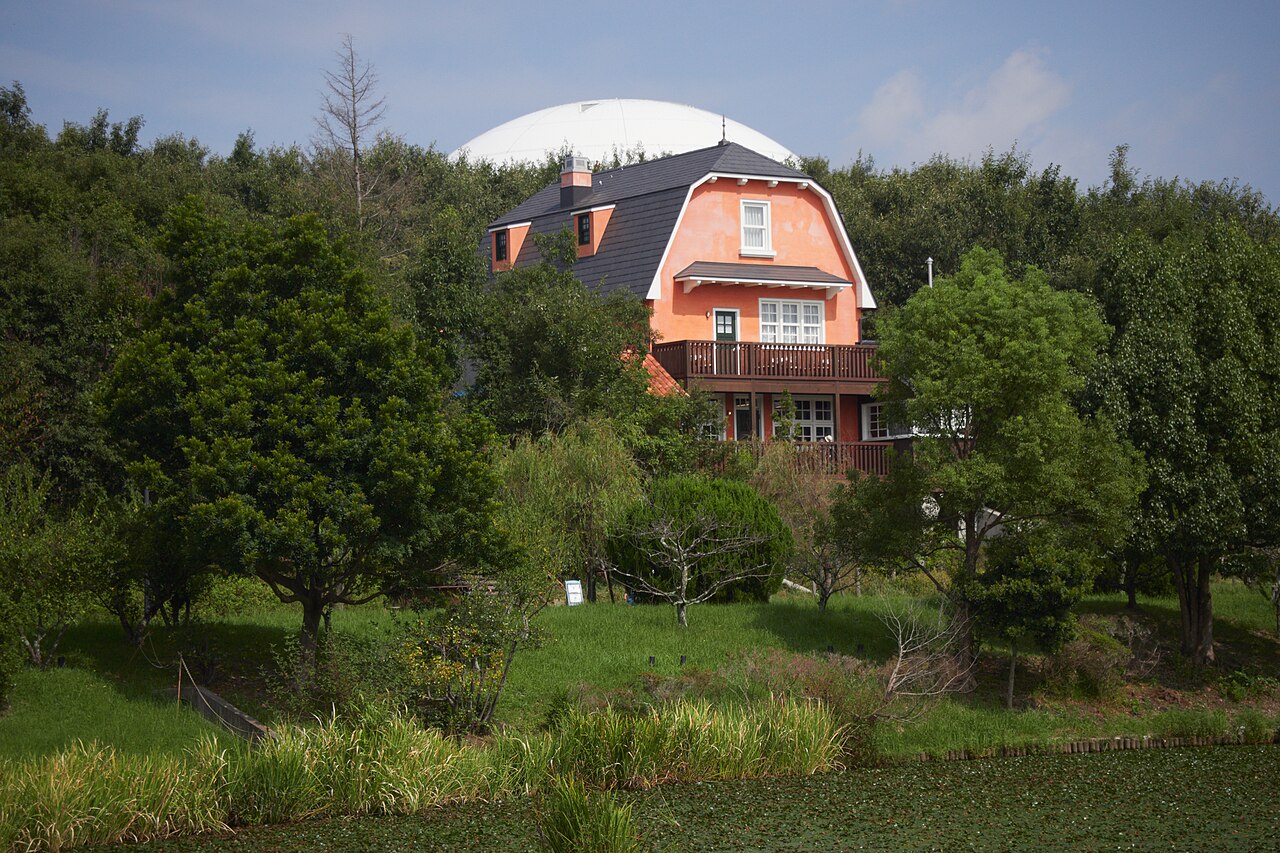
Ghibli Park sits in Nagakute, Aichi, within the Expo 2005 Aichi Commemorative Park area near Nagoya, and it has grown in stages since opening in 2022. That staged opening matters because the park was never meant to arrive as one sealed, all-at-once package; it expanded zone by zone, with Ghibli's Grand Warehouse first, then Hill of Youth, Dondoko Forest, and Valley of Witches in 2023, followed later by Mononoke Village. The result is less a classic amusement park than a linked landscape of spaces, paths, and internal connections. No big coaster logic. No loud sprint from one ride to the next. Just a place to move through carefully.
If you are trying to understand how to approach it, start with the body. The park rewards walking, pacing, and attention. お散歩 (o-sanpo, stroll; casual walk), a stroll or walk, is the right word here, and it explains why the O-Sanpo Day Pass exists at all: one ticket structure for visitors who want to see as much as possible in a single day. That is especially useful if you are not planning to stay overnight near Nagoya, though the ticket rules can vary for children and toddlers, so age-based conditions should be checked in advance. Practical, slightly lumpy, and very Japanese in the way these systems often are.
How the park is laid out
Ghibli Park is built around multiple themed zones rather than a single enclosed amusement complex. That means you do not experience it as a sequence of queued attractions in the conventional sense, but as a route through connected areas that each carry a different mood and scale. This is important for planning, because the park asks for time in kilometers and klicks of walking, not just ticket scanning. The layout suits visitors who are happy to move at human speed and notice the details between spaces, which is usually where the good texture lives anyway.
The park’s structure also helps explain why so many first-time visitors use the O-Sanpo Day Pass. The pass is designed for the walkable logic of the site: enough access to make a day feel complete, without pretending you can absorb everything by rushing. If you are the sort of person who wants a brisk, efficient visit, fair enough. But Ghibli Park is not really built for that instinct.
What changed over time
The opening happened in stages, and that staggered rollout still shapes how people talk about the park. In 2022, Ghibli's Grand Warehouse opened first, setting the tone with a broad indoor experience. In 2023 came Hill of Youth, Dondoko Forest, and Valley of Witches, and Mononoke Village was added later. That sequence matters because it tells you what kind of place this is: a growing cultural site, not a single-day spectacle built around a fixed roster of rides.
For readers following Ghibli Park an einem Tag: O-Sanpo Pass per Shinkansen, the one-day angle is especially useful. The park can absolutely be visited in a compact way, but the logic is still one of walking through a landscape, not checking boxes in a mall-like complex. That distinction sounds minor until your feet start voting.
Indoor spaces and the no-photography rule
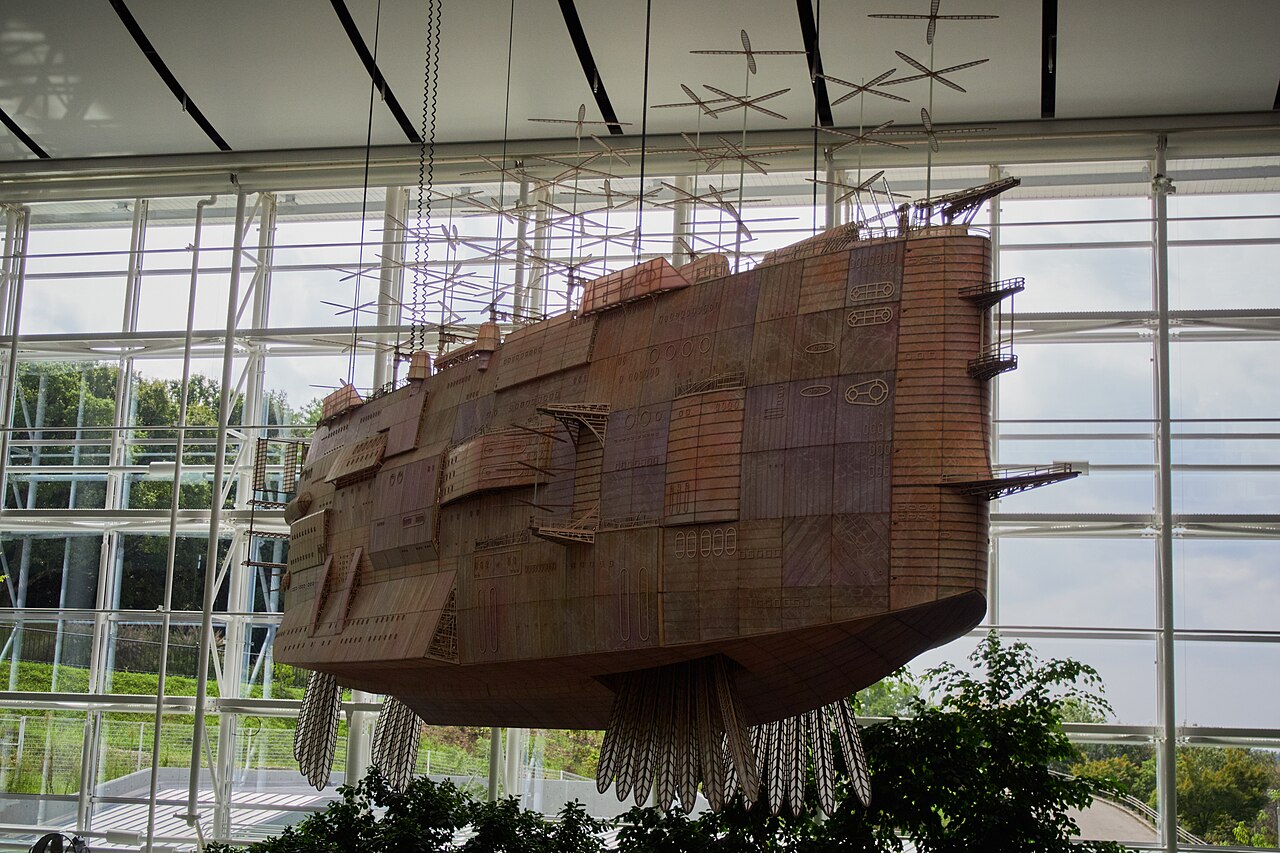
One of the park’s defining rules is simple: indoor exhibition areas are photography-free. Not just a few display cases, not just the most delicate object in the room, but the entire indoor experience spaces. The rule shapes the atmosphere more than you might expect. It reduces the reflex to perform every moment for a camera and asks visitors to notice with their own eyes, which is not exactly radical, but it is increasingly rare. In a place built around visual memory, that matters.
This is also where the park’s curatorial seriousness shows. The no-photos rule is part of how the interiors hold their texture of place; they remain spaces you move through, not backdrops you consume. If you want a deeper look at that policy, Ghibli Park: Warum Innenraeume fotofrei sind covers the logic behind the rule in detail.
Ticketing and the one-day visit question
The Ghibli Park O-Sanpo Day Pass is the main ticket concept to understand if you want to maximize a short visit. The name is transparent in the best way: o-sanpo means a walk or stroll, and the pass fits the park’s own design philosophy. Use it if your plan is to see as much as possible in a day, particularly if you are coming from elsewhere in Japan and not basing yourself near Nagoya. It is the kind of ticket that acknowledges reality instead of trying to fight it.
Check the age logic before you go. The ticket basis can differ for children and toddlers, and those distinctions are worth confirming ahead of time so you are not making assumptions at the gate. That is not glamorous advice, but then neither is standing around while your group argument becomes public theatre. Better to sort it early.
- Best fit: visitors aiming for a concentrated one-day visit
- Works especially well for trips without an overnight stay near Nagoya
- Age rules for children and toddlers should be checked in advance
Why the park matters for Ghibli fans
Ghibli Park matters because it does something more interesting than simply pack characters into a theme park shell. It translates the feeling of Studio Ghibli worlds into walking space, interior atmosphere, and carefully controlled access. For fans, that means the park is not only about seeing familiar imagery; it is about inhabiting a designed rhythm. Slow, then slower. A little wonder, then a pause. More soon.
That also makes it a useful point of entry for broader engagement with the franchise. If you are building a trip around Ghibli-related places in Japan, this is one of the clearest examples of how media property can become a physical environment without losing its particular tone. Not every licensed space achieves that. Most do not, frankly.



Hands-on extras and the autumn Totoro workshop
Beyond the permanent zones, Ghibli Park also supports special activities that deepen the visit. One example is the autumn workshop titled Let’s Make a One-of-a-Kind Totoro Plushie, scheduled at the Chikyu Shimin Koryu Center in the Expo 2005 Aichi Park area. It is presented as a hands-on event, which means participants make their own Totoro plush rather than merely looking at merchandise from behind glass. That distinction sounds small. It is not.
This kind of program fits the park’s broader emphasis on making, looking, and moving through space with care. For readers tracking Totoro-Plüsch-Workshop im Ghibli Park im Herbst, the appeal is obvious: a seasonal event that extends the park’s world into something tactile and personal.
Where to experience it in Japan
You experience Ghibli Park in Nagakute, Aichi, inside the Expo 2005 Aichi Commemorative Park area near Nagoya. That location is part of its identity, not just logistics. It is close enough to a major city to be reachable, but separated enough to feel like its own carefully arranged terrain. If you are planning a Japan trip around culture rather than spectacle, this is a strong stop: structured, walkable, and anchored in a specific place rather than a floating brand image.
My advice is simple. Give it time, use the right pass, and accept that the park’s pace is the point. Wear the lightest shoes possible. Minimize load. Let the walk do its work.
Related titles and what to look for next
If you are mapping out a broader Studio Ghibli itinerary, Ghibli Park sits naturally alongside other Ghibli-related experiences in Japan, especially for visitors interested in how animation worlds become physical space. It is also a useful keyword bridge for readers searching for Ghibli Park guide, Ghibli Park news, Ghibli Park kanji, or Ghibli Park japanisch lernen, because the park is both a destination and a language-learning touchpoint. A place like this gives you practical vocabulary with a purpose: o-sanpo for strolling, 予約 (yoyaku, reservation; booking) for reservation when planning ahead, and other travel words that show up when a site is popular enough to need systems. That is the real classroom, the one with feet.
Frequently Asked Questions
Where is Ghibli Park located?
Ghibli Park is in Nagakute, Aichi, within the Expo 2005 Aichi Commemorative Park area near Nagoya.
Is Ghibli Park a normal amusement park?
No. It is structured as multiple connected zones and walkable areas, not as a classic thrill-ride park.
Can you take photos inside Ghibli Park?
No. The indoor exhibition areas are photography-free, and the rule applies to the full indoor experience spaces.
What is the O-Sanpo Day Pass for?
It is the ticket basis for visitors who want to see as much of the park as possible in one day, especially if they are not staying overnight near Nagoya.
What is the Totoro plushie workshop?
It is a hands-on autumn event titled Let’s Make a One-of-a-Kind Totoro Plushie, held at the Chikyu Shimin Koryu Center in the Expo 2005 Aichi Park area.
Sources
- Ghibli Park official information — https://ghibli-park.jp/
- Expo 2005 Aichi Commemorative Park official site — https://www.aichi-koen.com/
- Ghibli Park: Warum Innenraeume fotofrei sind — https://jpnerd.com/de/japan-news-de/5295-ghibli-park-warum-innenraeume-fotofrei-sind-de
- Ghibli Park an einem Tag: O-Sanpo Pass per Shinkansen — https://jpnerd.com/de/japan-news-de/10238-ghibli-park-an-einem-tag-o-sanpo-pass-per-shinkansen-de
- Totoro-Plüsch-Workshop im Ghibli Park im Herbst — https://jpnerd.com/de/japan-news-de/11462-totoro-pluesch-workshop-im-ghibli-park-im-herbst-de