
Overview
Hakata Station sits in Hakata ward, Fukuoka City, Fukuoka Prefecture, and it works as a central gateway to 九州 (Kyushu, Japan's southern island region). If you are moving across western Japan, this is one of those places that quietly does a huge amount of work in the background, connecting city transit, shopping, and long-distance rail in one very busy place. The station is operated by JR Kyushu, and it has become a key point where everyday travel and cross-country rail journeys meet.
For visitors, the station is not just a place to transfer. It is part of the experience of arriving in Fukuoka itself. The surrounding area is tightly woven with commercial spaces, the station buildings, and transit links, so it feels less like a single platform complex and more like a living travel hub. And what’s more, recent coverage has drawn attention to a matcha vending machine installed here for inbound tourists, a small but very telling detail about how Japanese stations keep mixing convenience with local flavor.
Why this station matters in Japan’s rail network
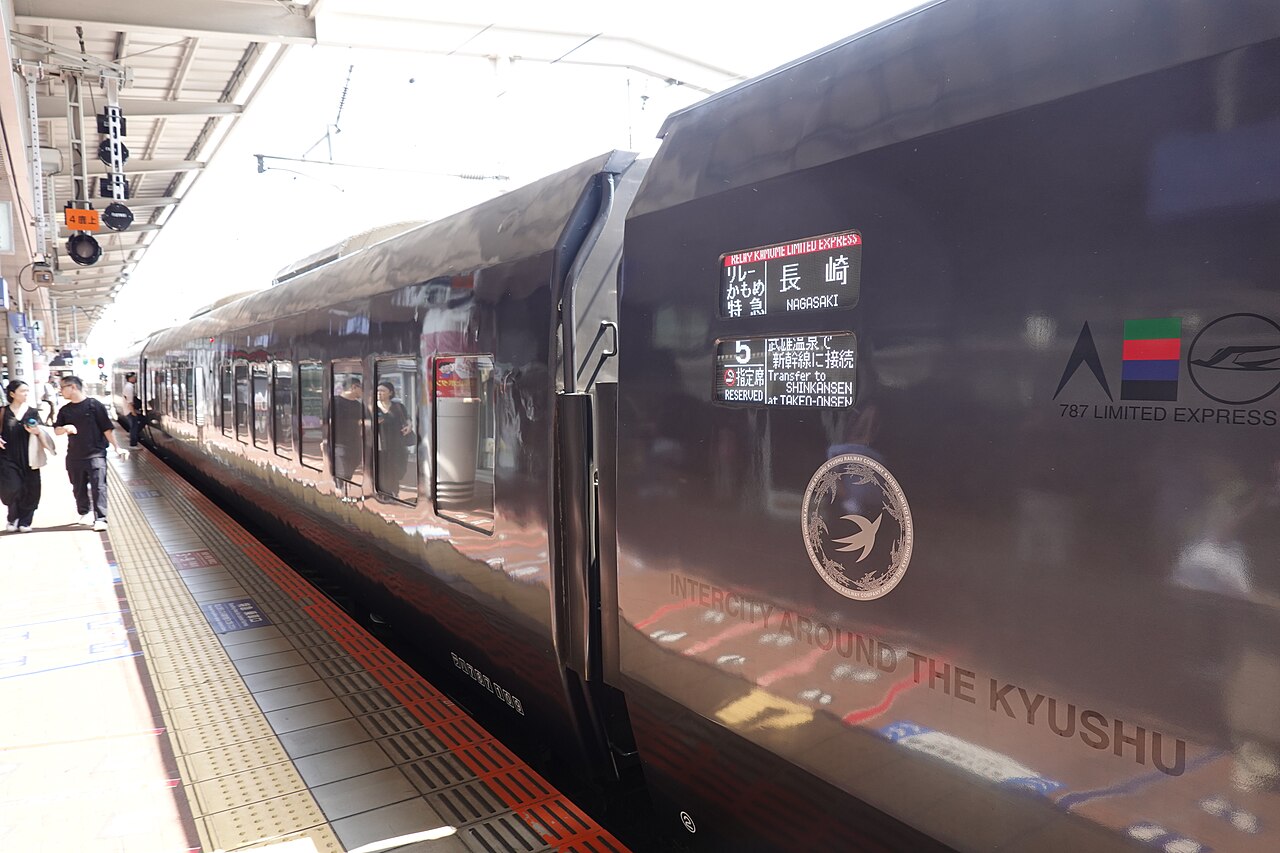
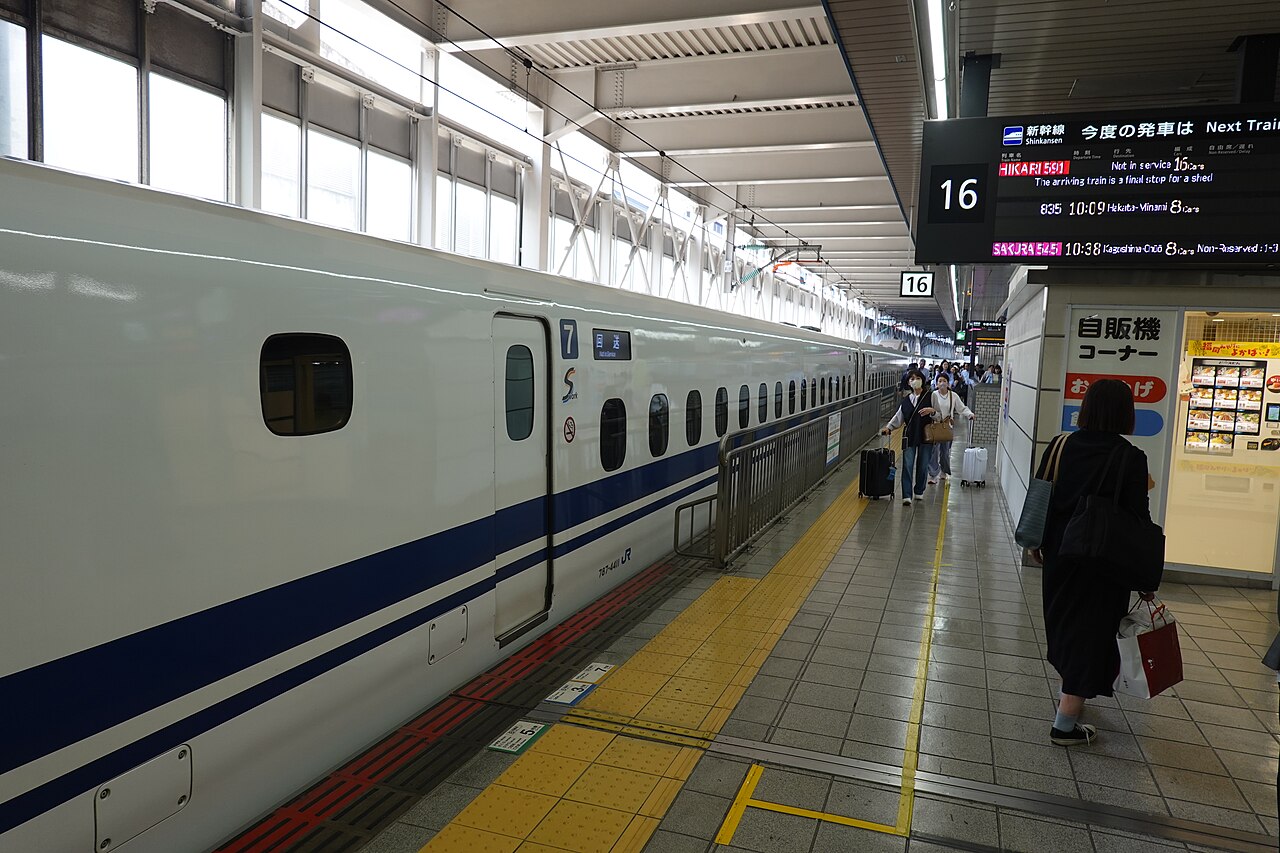
Hakata Station matters because it connects major rail systems that many travelers rely on. The Kyushu 新幹線 (Shinkansen, bullet train) runs through it, linking onward to Kagoshima, while the Sanyo and Tokaido networks connect the station to the broader spine of Japan’s rail travel. Trains to and from Tokyo arrive at or turn back here, which makes the station an important threshold between Kyushu and the rest of the country. In practical terms, that means Hakata is not just local infrastructure; it is one of the places where long-distance routes start feeling very real.
If you are the kind of traveler who enjoys understanding how Japan actually moves, this is a fascinating spot. The station shows how rail travel in Japan often works as a layered system: local lines feeding into intercity networks, shopping and transit built right into the same space, and passengers flowing through in every direction. It is efficient, yes, but also deeply human in the way it gathers all kinds of trips under one roof.
What you find inside and around the station
Hakata Station is closely tied to the surrounding commercial buildings, including Amu Plaza and the Hakata City buildings, both directly attached to the station facilities. That attachment matters more than it sounds like it does. It means you can step off a train, move into shopping or dining spaces, and continue your day without ever really breaking stride. For many visitors, that kind of integrated layout is part of the appeal of station districts in Japan, where a train stop is also a practical urban base.
The station area is also a good example of おもてなし (omotenashi, Japanese-style hospitality), the careful hospitality that shows up not only in service but in design, signage, and small conveniences. A 予約 (yoyaku, reservation), meaning a reservation, may be necessary for some rail journeys or time-sensitive travel plans, but the station itself is built to make movement feel manageable even when the concourse is busy. And if you are looking closely, you may notice how often station spaces in Japan are designed around everyday rhythm rather than spectacle.
Matcha, tourists, and the small details that stand out
One recent note that caught attention was the installation of a matcha vending machine at Hakata Station aimed at inbound tourists. The machine features Ito En’s matcha LOVE product line, which makes the idea feel very specifically Japanese without being intimidating. This is the kind of small travel detail I always find interesting, because it tells you something about who a station serves and how it tries to welcome people from outside Japan in a low-pressure way.
For travelers, that kind of find is part of the fun of station exploration. You come for the train, but you stay aware of the little things: the drinks, the signs, the flow of people, and the way a place quietly adapts to changing travel habits. And yes, that can be a nice moment if you are learning the language too. Searching for Hakata Station kanji or using Hakata Station japanisch lernen as a study phrase might sound niche, but station names are genuinely useful reading practice because they appear everywhere on maps, tickets, and signs.
Related places and useful travel context
If you are building a wider Fukuoka travel route, Hakata Station is one of the easiest starting points for exploring the city and beyond. It ties into city transit, so it works well as a launch point for neighborhoods, business areas, and food stops, while the rail connections make longer hops across Kyushu straightforward. In that sense, it is both a destination and a transit tool, which is exactly why so many travelers end up returning to it more than once.
And if you enjoy following how stations evolve, it is worth thinking of Hakata as part of a broader Japan travel pattern: major hubs are no longer just about platforms. They are shopping centers, meeting points, and little showcases for regional identity. That is also why a Hakata Station guide is useful even for people who are not planning a long rail journey. Understanding the station helps you understand how the city moves.
For more context on recent station-side travel coverage, you might also enjoy reading about the Shinkansen moment in Hakata and the matcha vending machine at Hakata Station, both of which show how this hub keeps appearing in everyday Japan travel stories.
How to experience Hakata Station in Japan
The best way to experience Hakata Station is to use it as a real part of your Fukuoka time, not just a transit pause. Arrive with enough time to notice how the station connects rail, shopping, and city movement. Step into the attached commercial spaces, watch the flow of commuters and travelers, and, if you are interested in Japanese rail culture, pay attention to how clearly the station is organized for both local and long-distance passengers. It is one of those places where efficiency becomes part of the atmosphere.
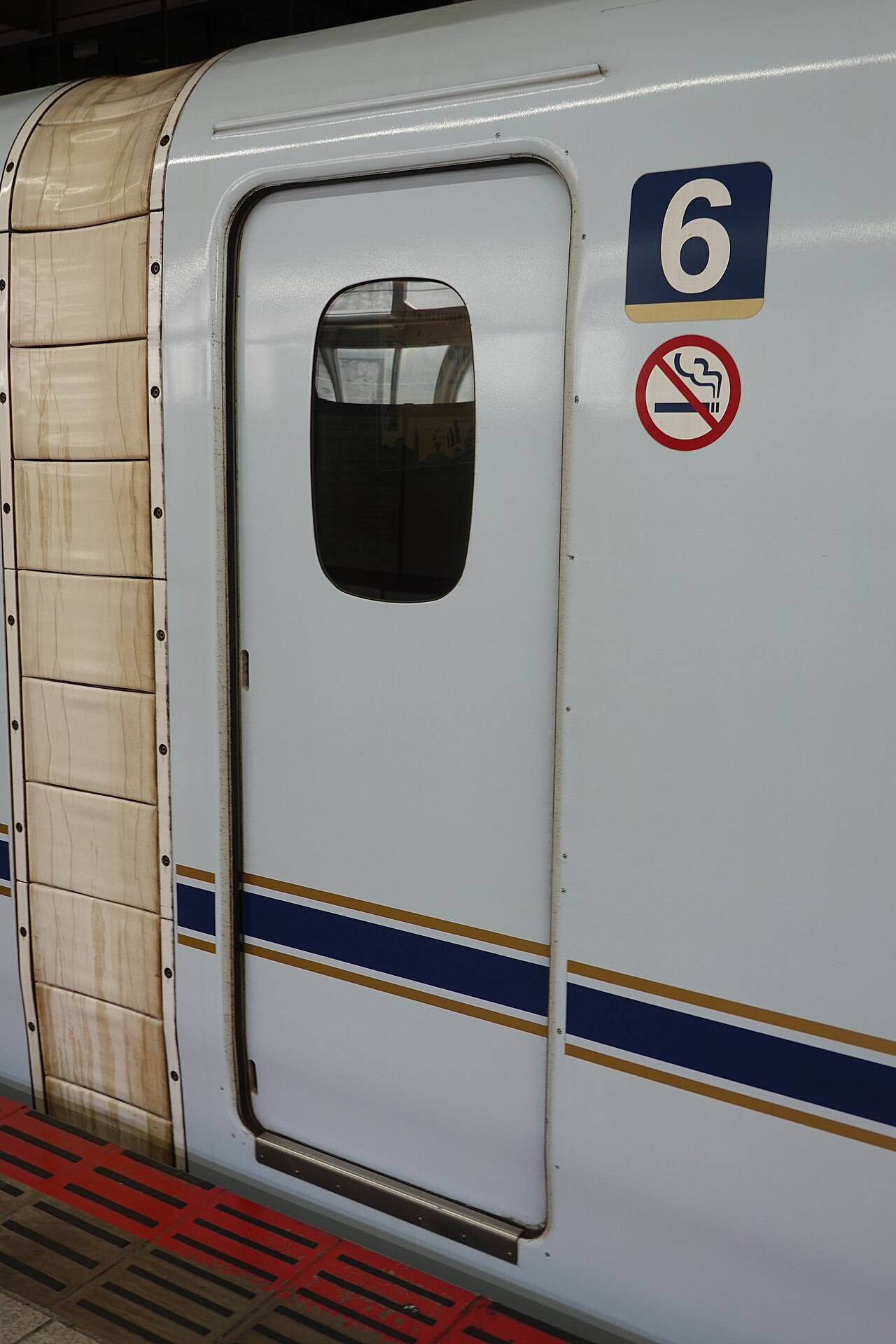
If you are traveling through Kyushu, this is also where a lot of practical decisions start to make sense. Do you continue onward by Shinkansen, switch to city transit, or use the station as a base before exploring Fukuoka on foot? Hakata Station gives you those options without making the process feel heavy. That is a very Japanese kind of convenience, and one that rewards curiosity if you slow down just a little.
Frequently Asked Questions
Where is Hakata Station located?
Hakata Station is in Hakata ward, Fukuoka City, Fukuoka Prefecture, and it serves as a central gateway to Kyushu.
What rail lines connect at Hakata Station?
The station links city transit with Shinkansen service, including the Kyushu Shinkansen, and it connects into the Sanyo and Tokaido networks.
What shops are attached to Hakata Station?
Amu Plaza and the Hakata City buildings are directly attached to the station facilities.
Why is Hakata Station useful for Japan travel?
It is a major transfer point for Fukuoka and Kyushu, making it useful for both local movement and longer trips across Japan.
Is there anything new or notable at the station?
Yes. Recent coverage noted a matcha vending machine aimed at inbound tourists, featuring Ito En’s matcha LOVE product line.
Sources
- JR Kyushu official station information - https://www.jrkyushu.co.jp/
- Hakata Station area and commercial facilities information - https://www.jrhakatacity.com/
- Recent coverage of the matcha vending machine at Hakata Station - https://jpnerd.com/de/japan-news-de/11284-fukuoka-matcha-automat-am-hakata-station-de
- Recent coverage of Hakata Station and the Shinkansen - https://jpnerd.com/de/japan-news-de/2394-shinkansen-moment-in-hakata-fuji-n700-supreme-und-de