

Overview
Deep in the everyday rhythm of Saitama, just north of central Tokyo, the Railway Museum in Omiya offers a calm, carefully built look at how Japan moved from steam to Shinkansen. It opened in 2007, but it also continues the spirit of an older railway museum in Tokyo, which gives the place a sense of continuity that you can feel as soon as you walk in. This is not a flashy, one-note attraction. It is a broad, thoughtful museum where the story is told through machines, spaces, and hands-on experiences.
The museum covers about 28,000 square meters of indoor and outdoor space, so there is enough room to let the subject breathe. You can spend time with locomotive history, stand beside full-size vehicles, watch tiny trains circle a model world, and even try a simulator that makes you think a lot harder about rail driving than you expected. I always like places like this because they do not just show you artifacts… they let you understand a whole system. And that is very much the case here.
How the museum tells Japan’s railway story
The core narrative runs from the steam era through the modern Shinkansen era, and that timeline gives the museum real shape. Japan’s railway history is not presented as dry engineering trivia; instead, it is shown as a living part of modern life, tied to commuting, long-distance travel, urban growth, and the feeling of movement that so many people in Japan know well. If you have ever ridden a local line early in the morning and felt that quiet, shared discipline of the platform, this museum makes that world feel larger and easier to see.
Because JR East operates the museum, the collection also feels connected to real railway culture rather than being a detached display. That matters. You are not just looking at a line of train-shaped objects. You are seeing the development of a transport network that helped shape daily life, tourism, and even the pace of cities. For a lot of visitors, that is the hidden charm… the museum is about trains, yes, but also about how Japan itself has moved.
Full-size trains, Shinkansen cabs, and the thrill of standing inside history
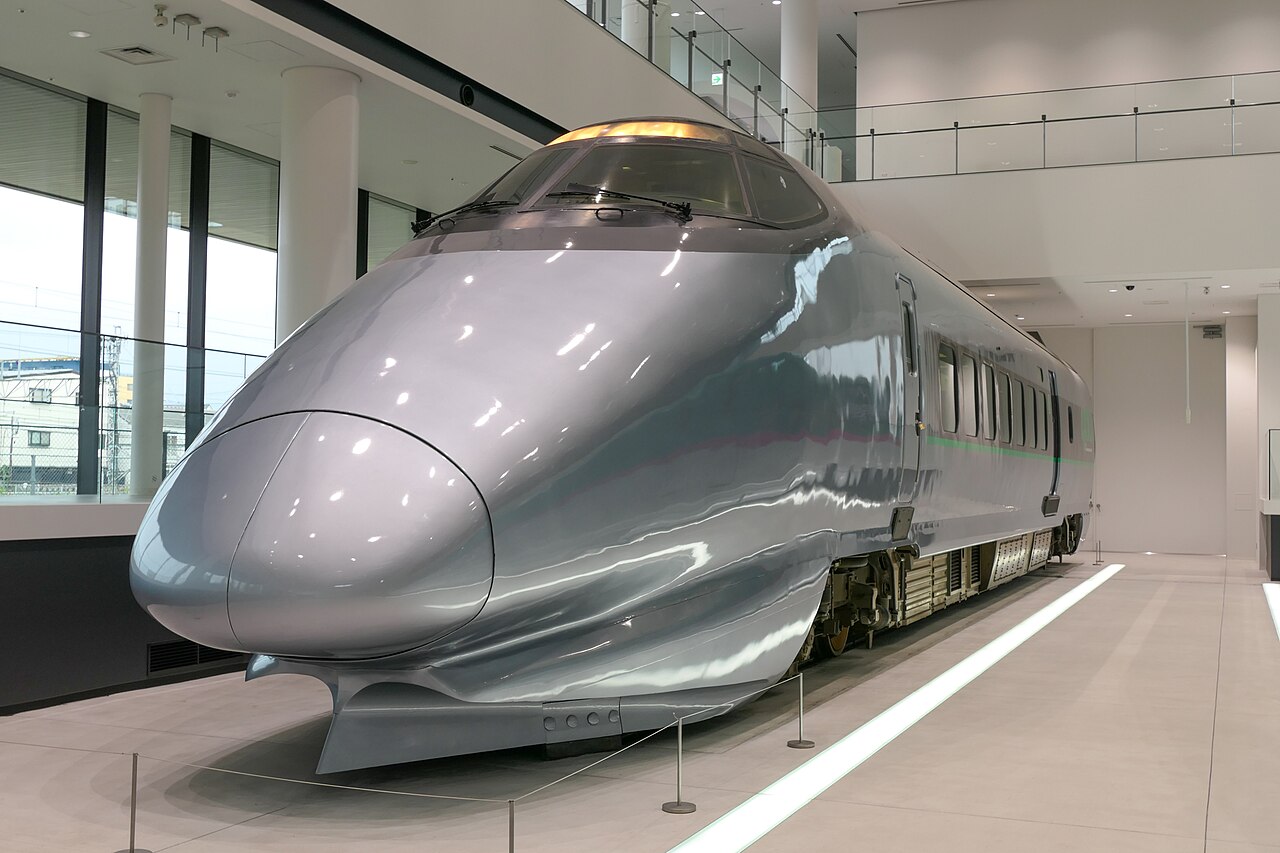
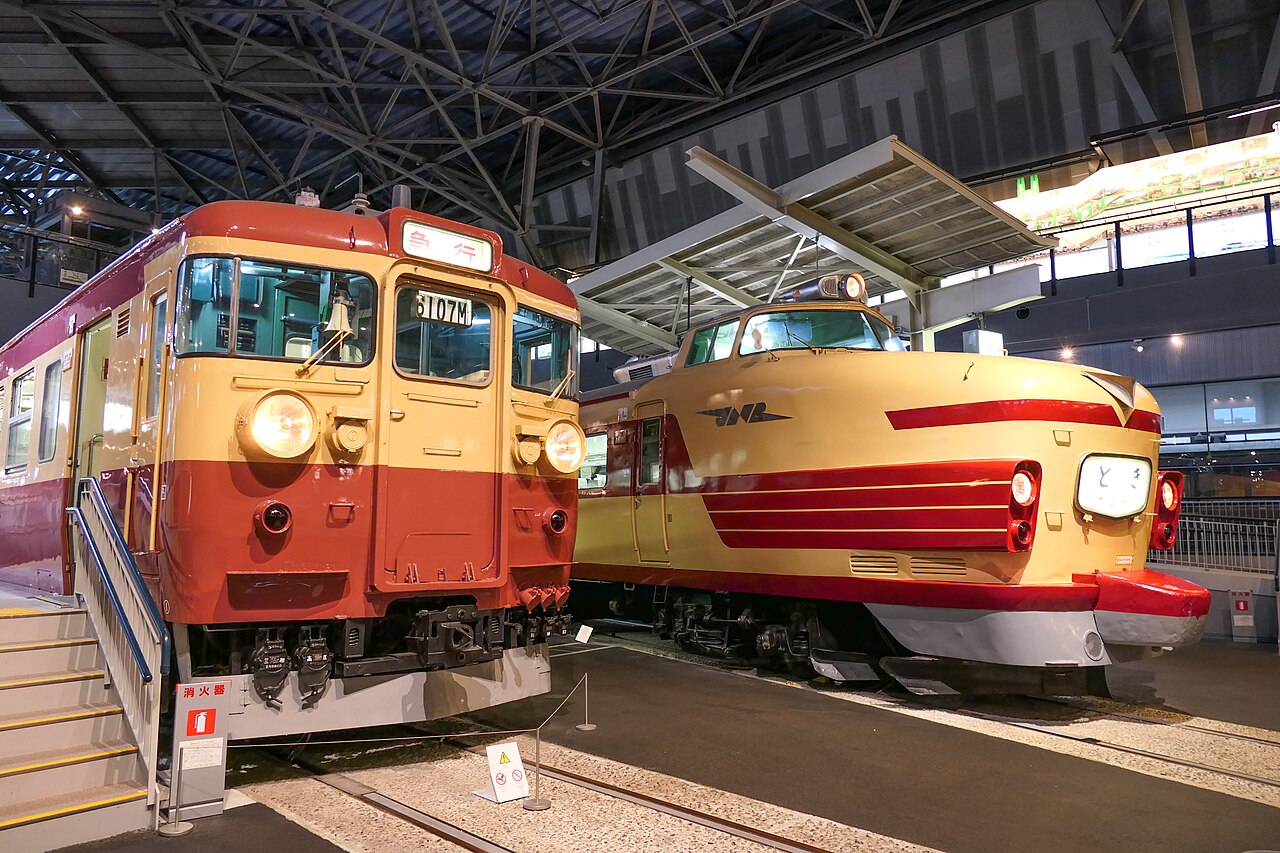
One of the biggest draws is the collection of around 30 full-size railway vehicles, including early limited express trains and multiple Shinkansen models. The scale is part of the appeal. You can stand near these machines and feel their size in a way that photos never quite manage. Some Shinkansen driver’s cabs are open to visitors, which is the kind of detail that makes both railway fans and curious first-timers lean in a little closer.
There is something wonderfully tangible about seeing the instruments and controls up close. You start to notice the compact logic of the cockpit, the placement of switches, the visibility of the front window, and the careful design that makes high-speed travel look almost serene. It is a good reminder that rail travel is not only about speed. It is also about precision, repeatability, and trust.
Simulators, model railways, and the pleasure of small-scale motion
If you enjoy interactive exhibits, this is where the museum really opens up. It has multiple train driver simulators with realistic routes, control panels, announcements, and speed displays. They are often popular, and in practice that can mean you may need advance reservation on-site or online. I would treat that as part of the experience rather than a hassle. Good things in Japan often ask for a little planning, a little patience, a little 予約 (yoyaku, reservation; advance booking), meaning a reservation… and then they reward you for it.
The large diorama is another highlight, and honestly, I could watch model trains looping through a miniature city for far too long [in the best ways]. The display includes model trains in different scales, along with day, night, and weather simulations, which gives the whole scene a sense of motion and atmosphere. There is a quiet joy in seeing tiny lights shift, trains glide through stations, and a whole landscape change without anyone saying a word. That kind of detail can be deeply relaxing.



A family-friendly museum that still respects serious train fans
The museum is very approachable for families. There is a kids' zone with small ride-on attractions and hands-on stations for children aged three and up, so younger visitors are not just tolerated, they are actively included. That matters. A museum can be technically impressive and still feel stiff, but here the balance is better. Children get movement and play, while adults get scale, history, and engineering. Everyone has something to follow.
And for visitors interested in Japanese language learning, this is also a smart place to notice railway vocabulary in context. The museum naturally puts you in contact with terms like 電車 (densha, train; electric railcar), meaning train, shinkansen, the high-speed rail system, and saakuru? No, not that one… better to focus on the real railway-specific words you will actually see in signage, exhibits, and route information. If you are working on Railway Museum Omiya japanisch lernen, this is exactly the kind of setting where words stick because they are attached to objects, sounds, and movement.
Where to experience it in Japan
If you are planning where to experience the Railway Museum Omiya in Japan, the most practical answer is to make it part of a wider Tokyo-area day. Omiya is north of central Tokyo in Saitama, so it is easy enough to reach without turning the day into a major expedition. That makes it a good fit if you want a less hurried, less crowded-feeling outing than some central-city attractions.
For visitors comparing options, this museum sits nicely alongside other railway-related stops in Japan, whether that means smaller local railway displays, station-based viewpoints, or other transport museums. But this one stands out because of its scale and completeness. You get history, real vehicles, simulators, a model diorama, and hands-on family areas all in one place. If you are looking for a Railway Museum Omiya guide, the key advice is simple: give yourself time. Do not rush it. The best part of train culture in Japan is often found in the in-between moments, when you are just standing there, looking closely, and realizing how much care has gone into the experience.
And yes, if you are specifically searching Railway Museum Omiya kanji, you will still find the museum easy to navigate as long as you are comfortable with a little station-side Japanese. But even if your reading is limited, the visual storytelling is strong enough to carry you. That is one of the reasons this place works so well. It is detailed without being intimidating, and informative without losing its sense of wonder.
Why it still matters
The Railway Museum remains important because it treats railways as something more than transport. It shows them as technology, as public life, as memory, and as a shared national habit. That combination is rare. You can go for the Shinkansen models, stay for the simulators, and leave with a better sense of how Japan’s rail network became such a defining part of everyday movement.
For me, that is the real appeal. Not just the trains themselves, but the way the museum lets you spend time with them. And in Japan, that kind of time is never wasted. You look, you listen, you try, you learn… and then the city outside feels a little different when you step back onto the platform.


