Overview
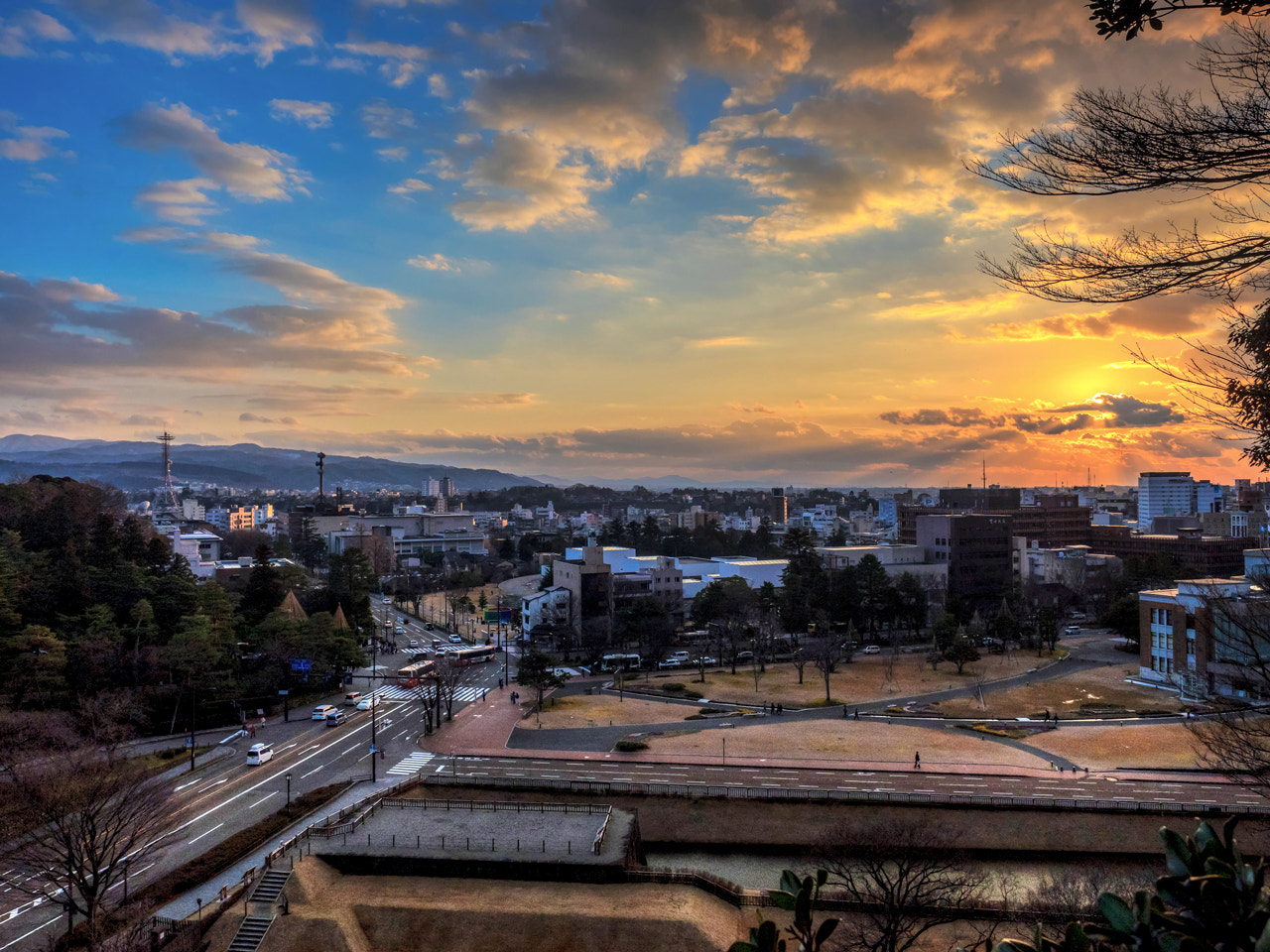
Deep on the Sea of Japan side of Honshu, in Ishikawa Prefecture, there's a city that somehow feels both perfectly preserved and completely alive at once. That's Kanazawa. Home to just under 470,000 people, it's compact enough that you can walk between most of what matters — and that compactness, I've found, is half the charm. This isn't a museum city. People actually live here, work here, raise families here, all while the Edo-era bones of the place stay remarkably intact.
A Castle Town Built on Maeda Wealth
Kanazawa's whole personality traces back to one family: the Maeda clan, who ruled the Kaga domain here through the Edo period and poured their considerable resources into culture. What they left behind is a city where 侍 (samurai, samurai, warrior)-era craftsmanship, old tea houses, and a genuinely well-preserved urban layout still coexist. Wander a few blocks in almost any direction and you'll bump into Kaga-style crafts that trace their roots directly back to that samurai-era patronage — dyeing, lacquer, metalwork, the kind of skills that got passed down household by household.
Kenroku-en: One of Japan's Three Great Gardens
If there's one place in Kanazawa that gets people to actually book the trip, it's Kenroku-en. It's considered one of the three most famous landscape gardens in all of Japan, standing alongside Kairaku-en in Mito and Koraku-en in Okayama — and having wandered through it myself, I can tell you the reputation holds up. The garden wasn't built all at once; it grew gradually starting in the 17th century under successive Maeda lords, and it was finally opened to the public in 1874. Give yourself real time here, not a rushed loop. Follow the paths around Kasumiga-ike pond, where the stone lanterns are placed with the kind of deliberate artistry that makes you stop mid-step. And if you happen to visit in winter, look up: the branches of the pine trees are strung with rope in cone shapes called yukitsuri, designed to keep heavy snow from snapping them. It's a strange, sculptural sight in its own right — honestly worth a trip just for that.
Kaga Crafts and the Chaya Districts
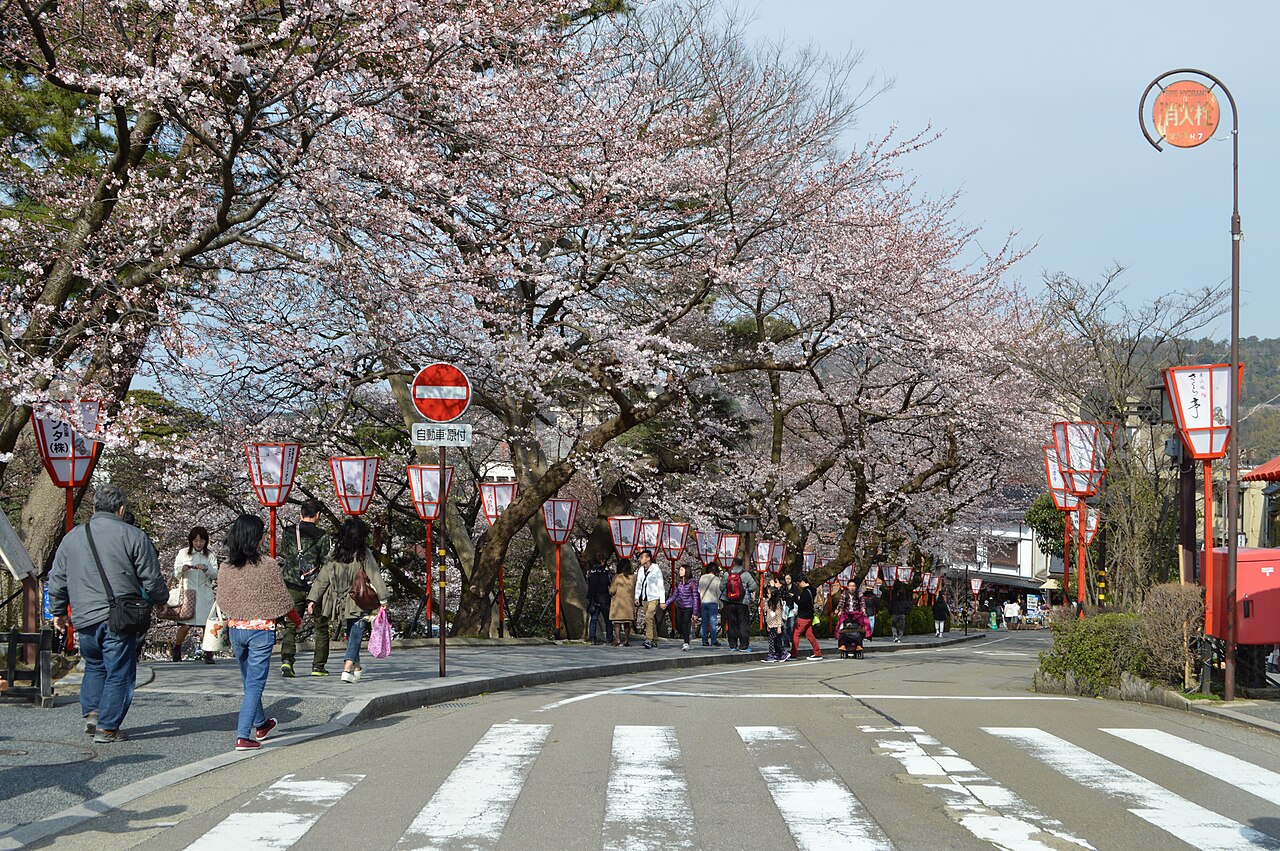
Beyond the garden, Kanazawa's identity as a craft city runs deep, rooted in that same samurai-era wealth and patronage. To see that history at street level, head toward the old chaya districts, like Higashi Chaya, where teahouses still line narrow streets that haven't changed all that much. It's the kind of neighborhood where you turn a corner and forget what year it is.
Sleeping the Traditional Way: Ryokan Culture
Where you sleep matters here, maybe more than in most cities I've stayed in around Japan. A good 旅館 (ryokan, traditional Japanese inn) in Kanazawa isn't just a place to crash — it brings together everything traditional (畳 (tatami, tatami mat) mats underfoot, a 布団 (futon, futon, bedding) laid out for you, a 浴衣 (yukata, casual summer kimono) to slip into, a multi-course 懐石 (kaiseki, multi-course traditional dinner) dinner that arrives dish by dish) with modern design sensibilities, often built from local wood, paper, and ceramic. Traditional and current at the same time, which I didn't expect to love quite as much as I do. One thing worth knowing before you book: a stay at one of these ryokan typically costs more than a standard hotel room. But given Kanazawa's compact layout, you can spend your day at Higashi Chaya or one of the local museums and just walk straight to your ryokan when evening comes — no taxis, no stress, just wander back whenever you're ready.



Getting There and Getting Around
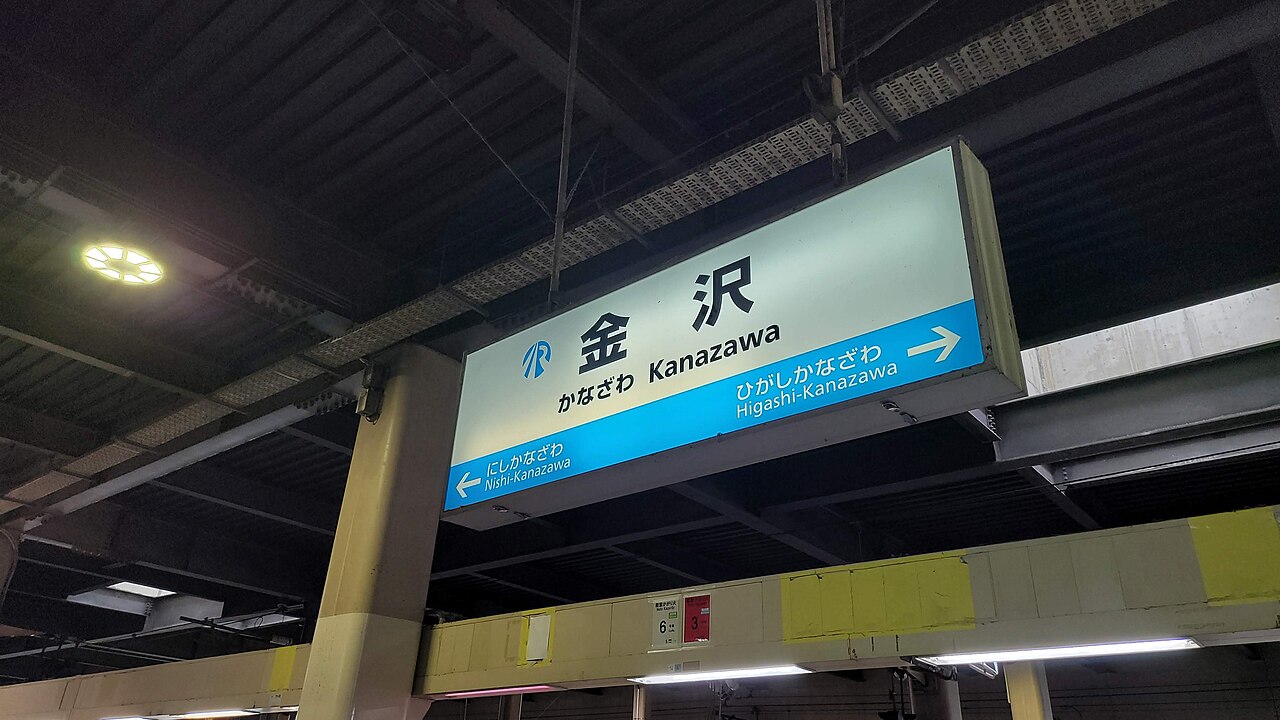
Getting to Kanazawa used to mean a real commitment. That changed in 2015, when the Hokuriku 新幹線 (Shinkansen, bullet train / high-speed rail) line was extended all the way here, and a city that felt remote suddenly became an easy day trip — or better, an overnight — from Tokyo. Hop on the Kagayaki shinkansen and you're looking at about two hours and thirty minutes, start to finish. Once you're there, the city itself is easy enough to cover on foot.
Beyond the City: Yamanaka Onsen and Day Trips
And what's more, Kanazawa makes a solid base for going a little further off the beaten path. Yamanaka 温泉 (Onsen, hot spring), a nearby hot-spring town, is an easy short trip if you're after something quieter and slower-paced after a day of gardens and museums.
Why Kanazawa Stays With You
There's a lot packed into a city this size — a garden centuries in the making, crafts passed down through generations, streets that still remember the Edo period. Spend a few days here, walk more than you think you need to, and you'll eventually find your own Kanazawa.