

Banshoji Temple at a Glance
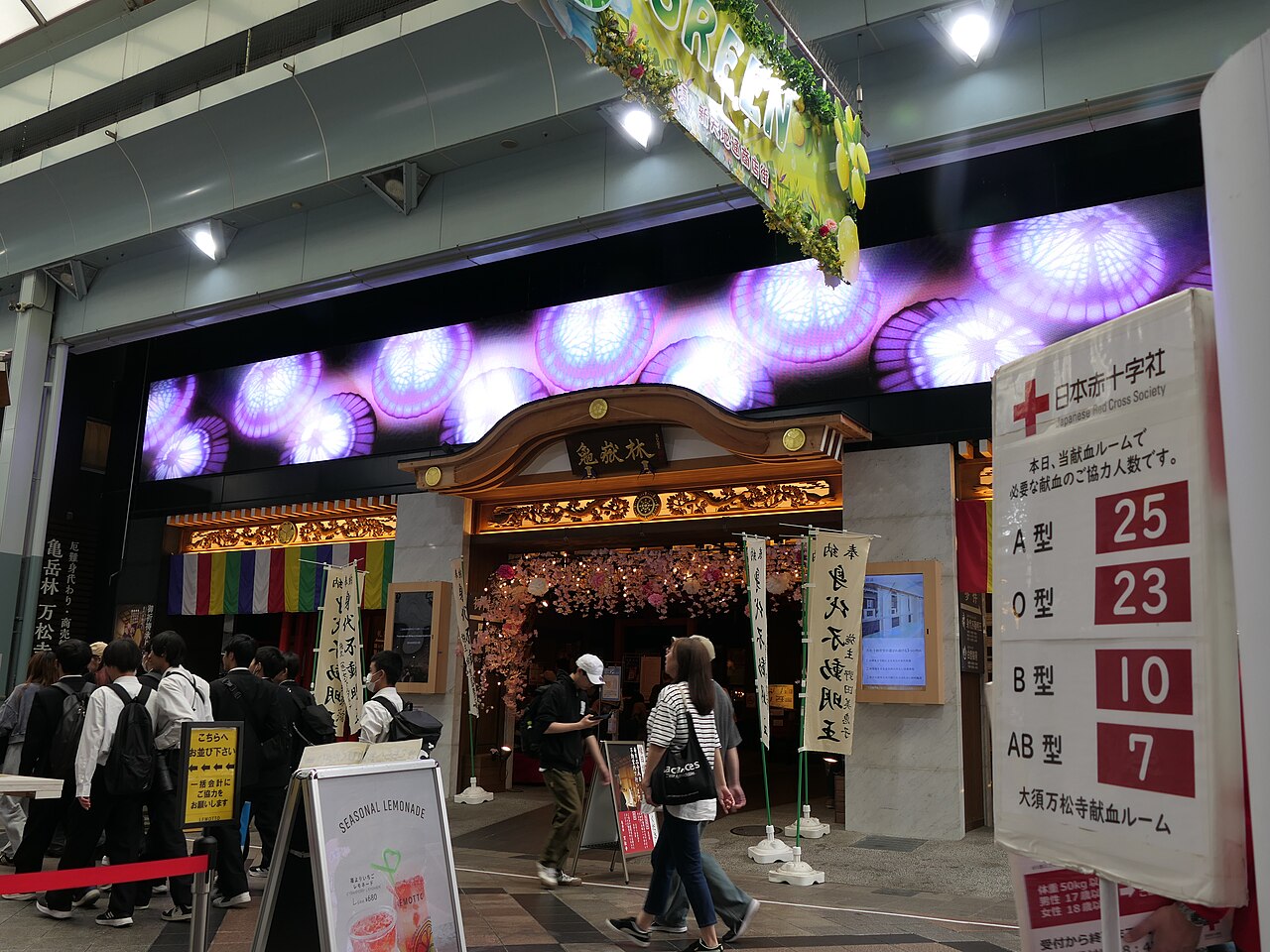
I'll be honest — the first time someone told me to check out a temple in central Nagoya, I hesitated a little. Nagoya isn't the city people put at the top of their Japan list. It sits quietly between Tokyo and Kyoto and Osaka on the map, and on most itineraries too, even though it's one of the country's genuinely major, economically significant cities. And that's part of what makes Banshoji Temple interesting to me: it's not trying to compete with the marquee sights of Kyoto. It's just there, doing its own thing, in the middle of a busy downtown block, being a working temple with a story worth slowing down for.
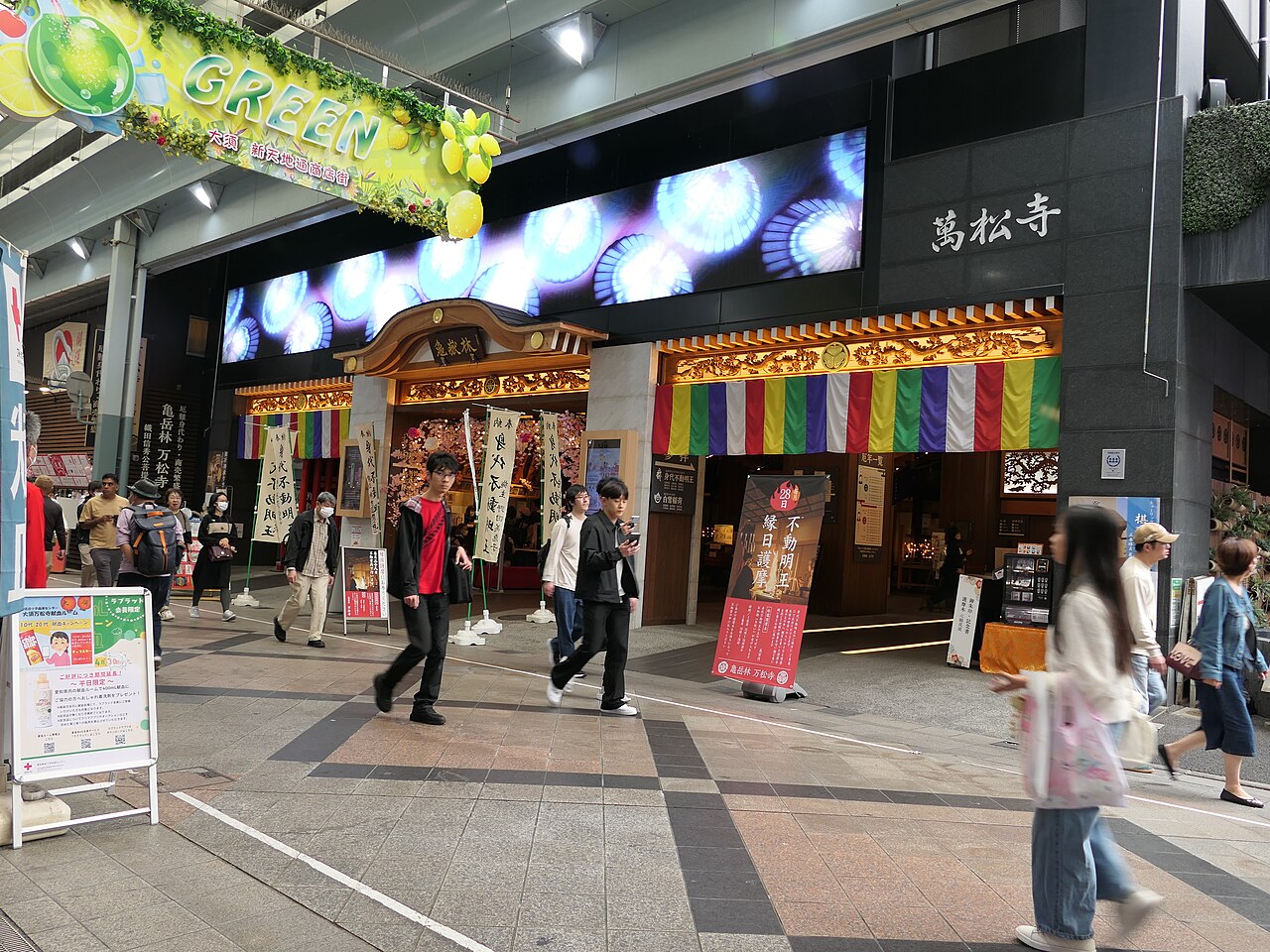
Banshoji Temple sits in central, downtown Nagoya, tucked into the kind of neighborhood where salarymen on lunch breaks and history buffs on a pilgrimage end up crossing paths without really noticing each other. The name itself comes from kanji, romanized here as "Banshoji" so it's easy to read and search for — but if you're studying Japanese, it's a good one to look up and see written out properly at some point.
A City That Gets Skipped Over More Than It Should
So here's the thing about Nagoya: it's genuinely one of Japan's economic engines, home to major industry and a transit hub that connects half the country, and yet it rarely gets the tourism attention that Tokyo, Kyoto, or Osaka soak up. Ask most travelers what they know about Nagoya and you'll get a shrug, maybe something about it being "the city you pass through on the shinkansen." Which, fair, a lot of people do exactly that.
But beyond that quick transfer at the station, Nagoya is full of these lesser-known pockets — and Banshoji Temple is one that's started pulling a bit more attention lately, precisely because it leans into what makes the region distinct instead of trying to be a smaller Kyoto.
Sengoku Roots: Oda Nobunaga and the Owari Connection
What makes the region distinct, in one word, is Owari — the old province that covers what's now Aichi Prefecture, with Nagoya as its modern heart. Owari is where Oda Nobunaga was born, in 1534, and it's where he built the power base that eventually let him upend Japan's political order during the 戦国 (sengoku, Warring States period) period, the long stretch of civil war that's still one of the most talked-about eras in Japanese history (video games, dramas, novels... it never really goes out of style).
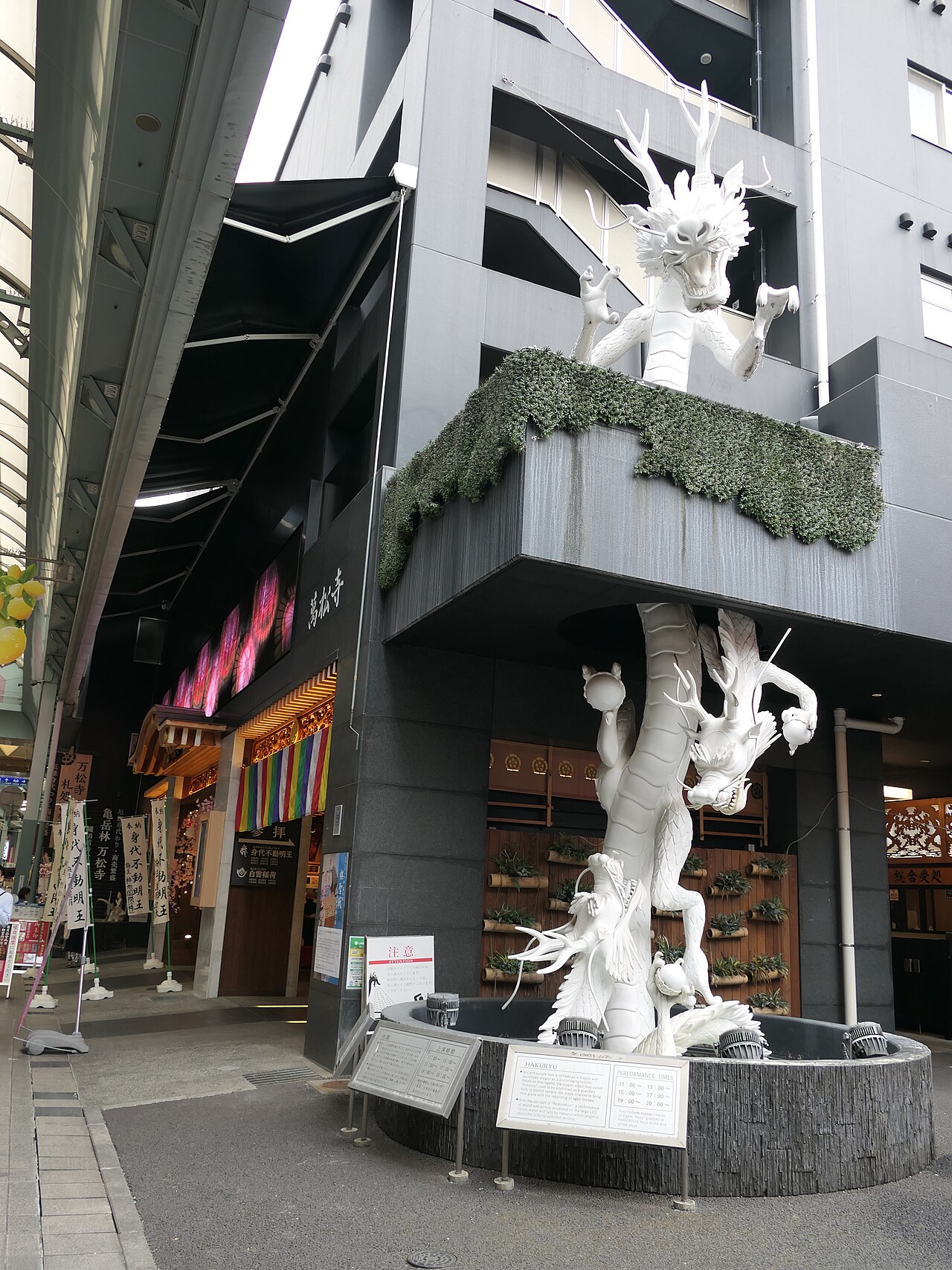
Banshoji Temple's public identity leans on that connection. It's told as a temple whose story sits alongside Nobunaga's, and alongside the broader Sengoku-era heritage that still runs through this part of the country. Exactly how the temple's own history intersects with Nobunaga's life is the kind of detail that gets told a little differently depending on who's telling it, so I'll leave that nuance for the temple itself to explain when you visit — but the regional link, Owari being Nobunaga's home turf, is solid ground.
Where Matcha Meets Samurai Heritage
Here's the part I find genuinely charming: Banshoji Temple has started pairing that history with a 抹茶 (matcha, powdered green tea) experience, leaning on 侍 (samurai, samurai, warrior class) imagery as part of its visitor appeal alongside it. According to reports that circulated through Japanese outlets including Mainichi and Kyodo (the specifics of that coverage I can't fully verify myself, so take it as "reportedly" rather than gospel), the temple has been treating this matcha-and-samurai combination as a deliberate tourism strategy — a way of giving visitors something to actually do and taste, not just something to look at.



And I love that approach, honestly. A temple can be historically important and still feel a little distant if all you're doing is standing there reading a plaque. Add a bowl of matcha, whisked the traditional way, and suddenly you're participating in something instead of just observing it. That's the kind of thing that turns a five-minute stop into an hour you didn't plan for.
Picking Up Japanese Along the Way
If you're the type of traveler who likes learning a bit of the language as you go (that's most of us reading a site like this one, I'd guess), a stop like Banshoji Temple hands you real vocabulary to hold onto, not just textbook phrases. A few worth picking up before or during your visit:
- 寺 (ji, temple (suffix marking a temple name)) — the ending that marks a temple name; once you notice it, you'll start seeing it everywhere in Japan
- 武士 (bushi, warrior, samurai) / samurai — the warrior class at the center of the temple's storytelling
- sengoku — the Warring States period, the backdrop for all of this history
- matcha — the powdered green tea at the heart of the modern visitor experience
- 武将 (busho, military commander, warlord) — a term for a regional warlord or military commander, like Oda Nobunaga himself
None of it is complicated. But it sticks a lot better once you've stood in the courtyard and tasted the thing you're trying to memorize the word for.
Where to Experience It in Nagoya
Banshoji Temple sits centrally enough in Nagoya that it's an easy add-on rather than a special trip — the kind of place you fold into a day that also includes Nagoya Castle or a walk through the city's downtown core. I wouldn't build an entire Japan itinerary around it, but I'd absolutely build a Nagoya afternoon around it, especially if you're already curious about the Sengoku period or you've read enough about Oda Nobunaga that you want to stand somewhere connected to his home region.
Go in without a rigid schedule if you can. Let the matcha experience take as long as it takes. Ask questions if there's someone around who'll answer them. That's really the whole approach to travel in Japan that keeps paying off for me — slow down at the places everyone else is rushing past, and you'll eventually find your own Nagoya.
