Overview
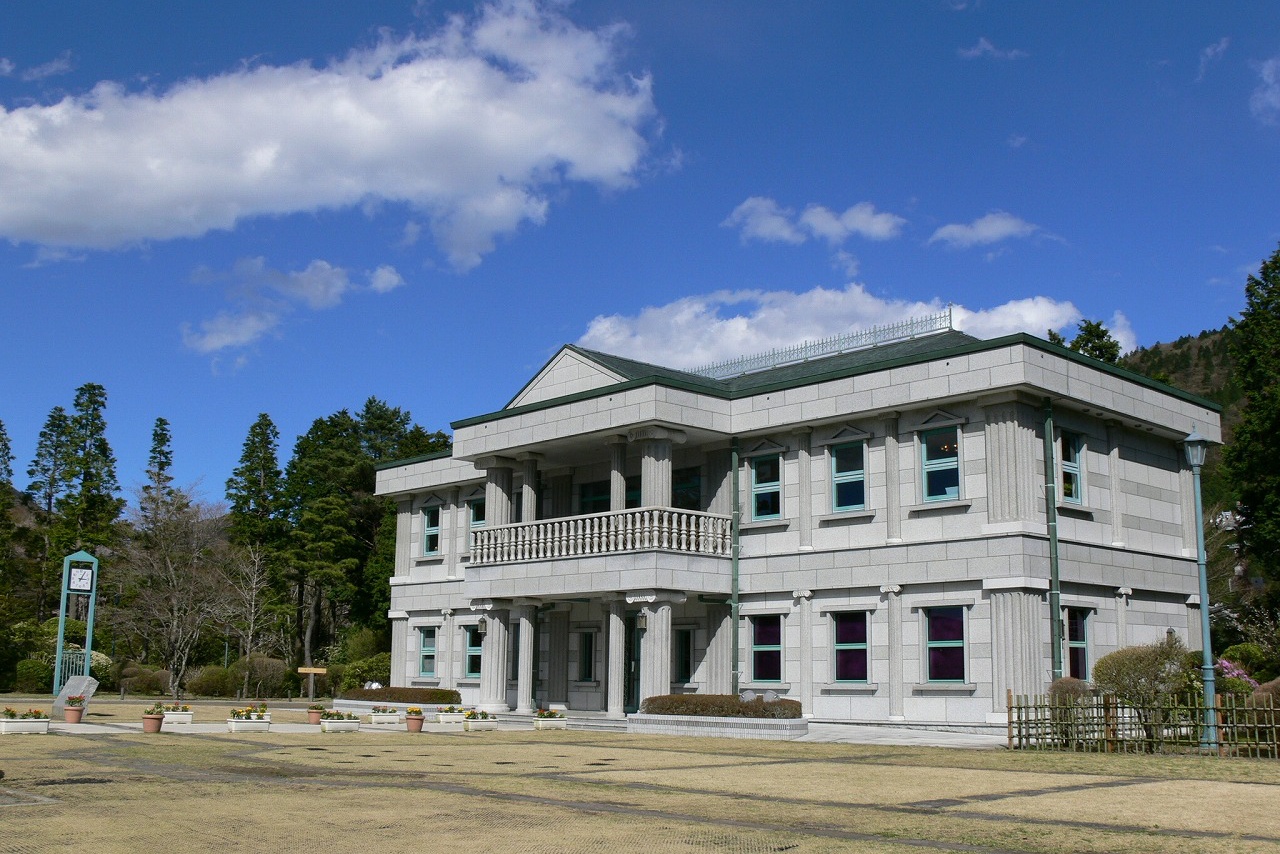
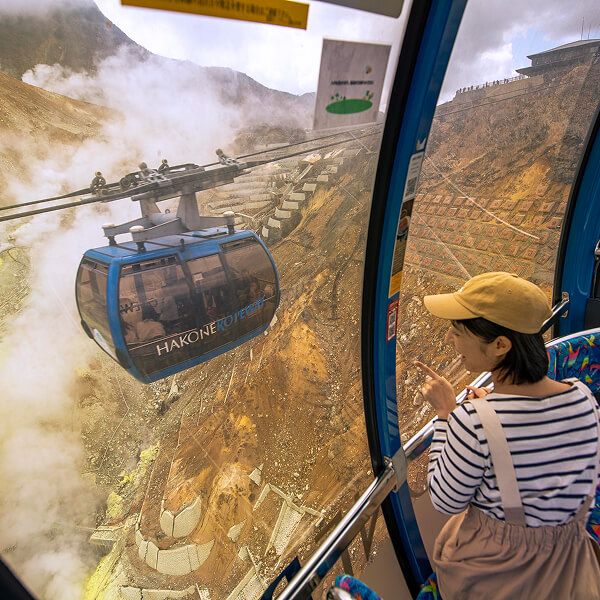
Hakone 駅伝 (ekiden, long-distance relay race) is a two-day university relay race held every year on January 2 and 3 between Tokyo and Hakone in Kanagawa Prefecture. The race dates back to the early 20th century, with its roots commonly traced to 1920, and it has grown into a fixture of Japanese sports culture. The course is roughly 217 kilometers in total, though the exact distance can vary slightly depending on the route and stage design.
What makes Hakone Ekiden feel distinct is not only its length, but its place in the calendar. It arrives as the year begins, when many people in Japan are looking toward fresh routines and annual rituals. The race is followed with the kind of attention usually reserved for major national sporting events, and its rhythm is tightly linked to university running culture, disciplined training, and the wider ekiden tradition. For readers coming to it for the first time, the event can feel like a marathon made of many smaller dramas. It is, in practice, ten stages per team, with one runner assigned to each stage and every split carrying real weight.
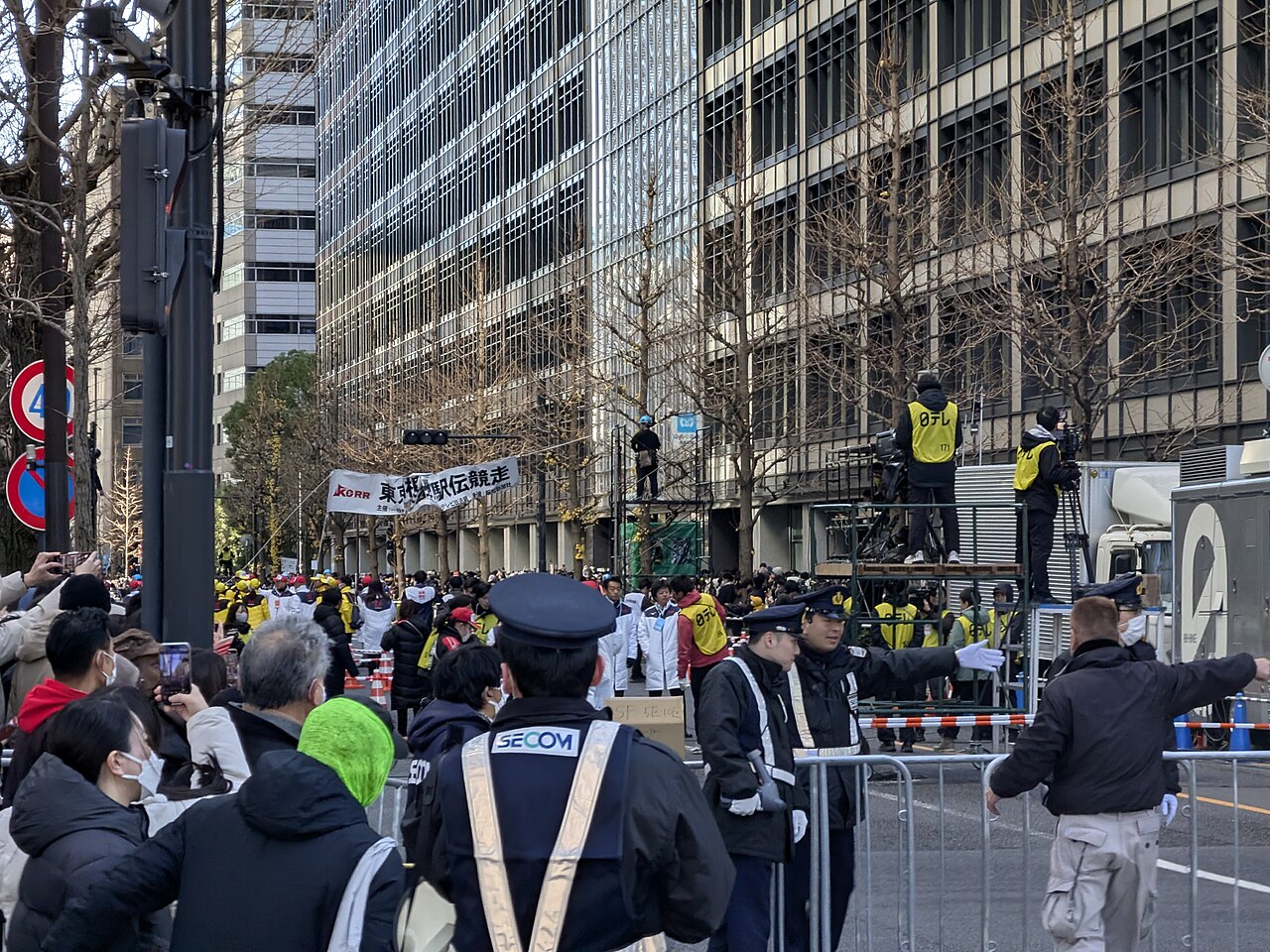
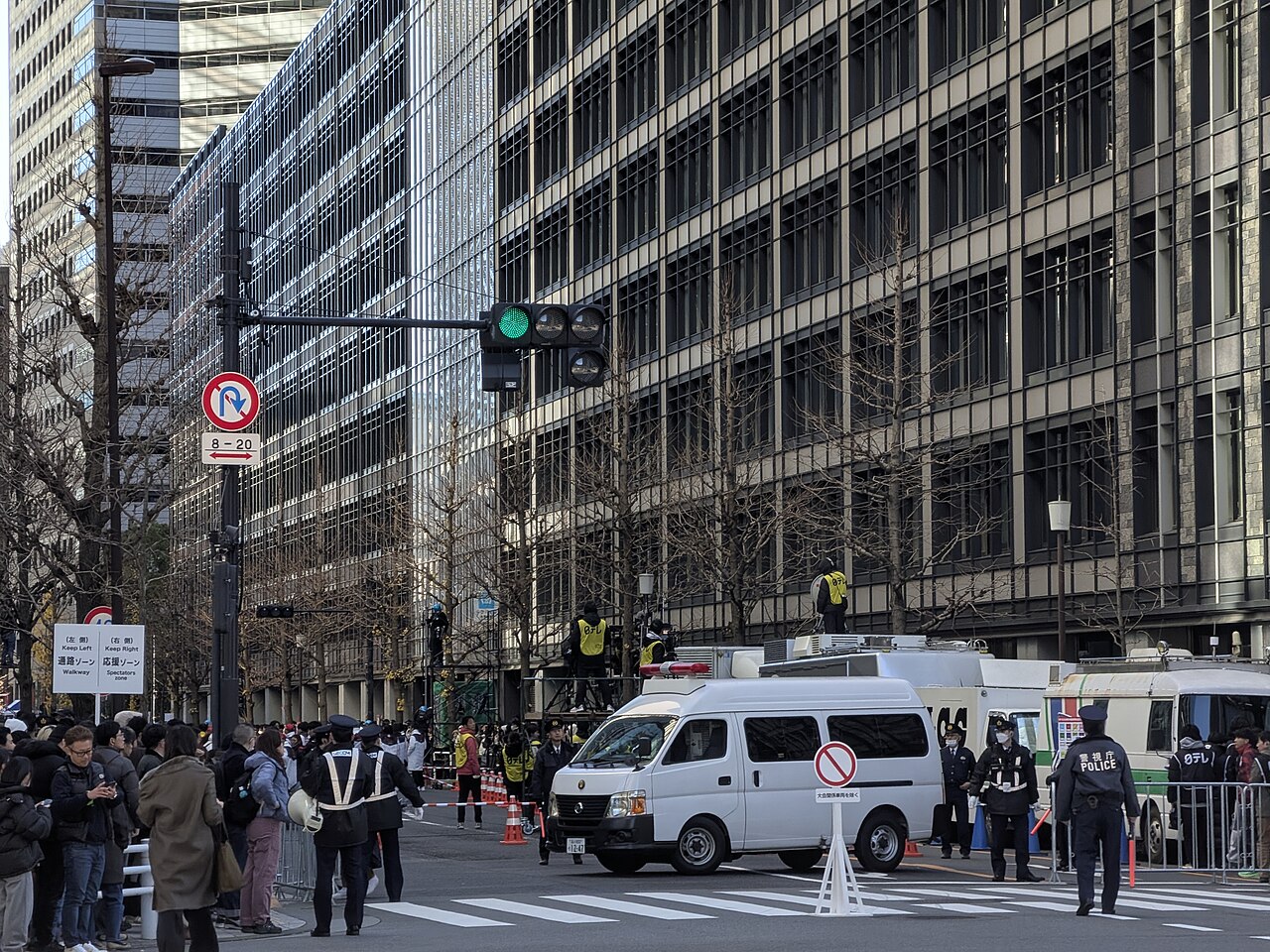
Coverage is extensive, and the race has been broadcast live by Nippon TV since 1987. That long television history has helped make it familiar even to people who do not track university athletics closely. In Japanese sport, this is one of those events where performance, pageantry, and seasonal memory are closely braided together.
How the race is organized
Each team fields ten runners across ten stages over the two days. The format is simple on paper, but the tactical demands are severe. Coaches must decide who can handle early pressure, who can hold pace on the longer stretches, and who can finish with enough composure to protect a position. Because the event is a relay, each handoff becomes a small threshold. The race is not only about speed, but about sequence, endurance, and trust within the squad.
The route between Tokyo and Hakone adds another layer of character. In Japanese sporting language, an ekiden is a long-distance relay built around baton exchanges, and Hakone Ekiden is the best-known expression of that format at the university level. The yearly field is not fixed in advance. Universities earn their place through regional preliminaries and rankings, so the line-up changes from year to year. That qualification system gives the event a living, shifting quality. Some programs arrive as established powers; others fight their way into the picture through the preliminaries, hoping to turn one strong weekend into a place on the bigger stage.
Why the event matters
Hakone Ekiden matters because it sits at the meeting point of athletic discipline and public ritual. In many countries, a university race would remain a niche affair. In Japan, this one becomes a shared reference point. The broadcast, the winter setting, and the yearly recurrence make it part of the texture of January itself. The result is an event that feels both sporting and social, a familiar national marker that returns with near-ceremonial regularity.
It also matters because it reflects a specific culture of team distance running. The ekiden tradition prizes collective effort over individual glory, even when a star runner draws the spotlight. That balance between personal performance and group responsibility is part of the event’s appeal. It is one reason the race resonates beyond the university campuses that supply its runners. For anyone following Hakone Ekiden: Japans Staffellauf, der ganze Städte mitreißt, the scale of its civic pull becomes easier to understand.
Qualification, rankings, and the road to the start line
Because the field changes every year, the preliminaries are part of the story, not just a prelude. Universities must qualify through regional competition and ranking systems, which means the road to Hakone begins long before January 2. That process gives the event a second layer of drama, one that rewards consistency as much as one-off brilliance. A school that misses qualification one year may return the next after a strong regional showing. Another may arrive with a storied name but without the results to secure a place.
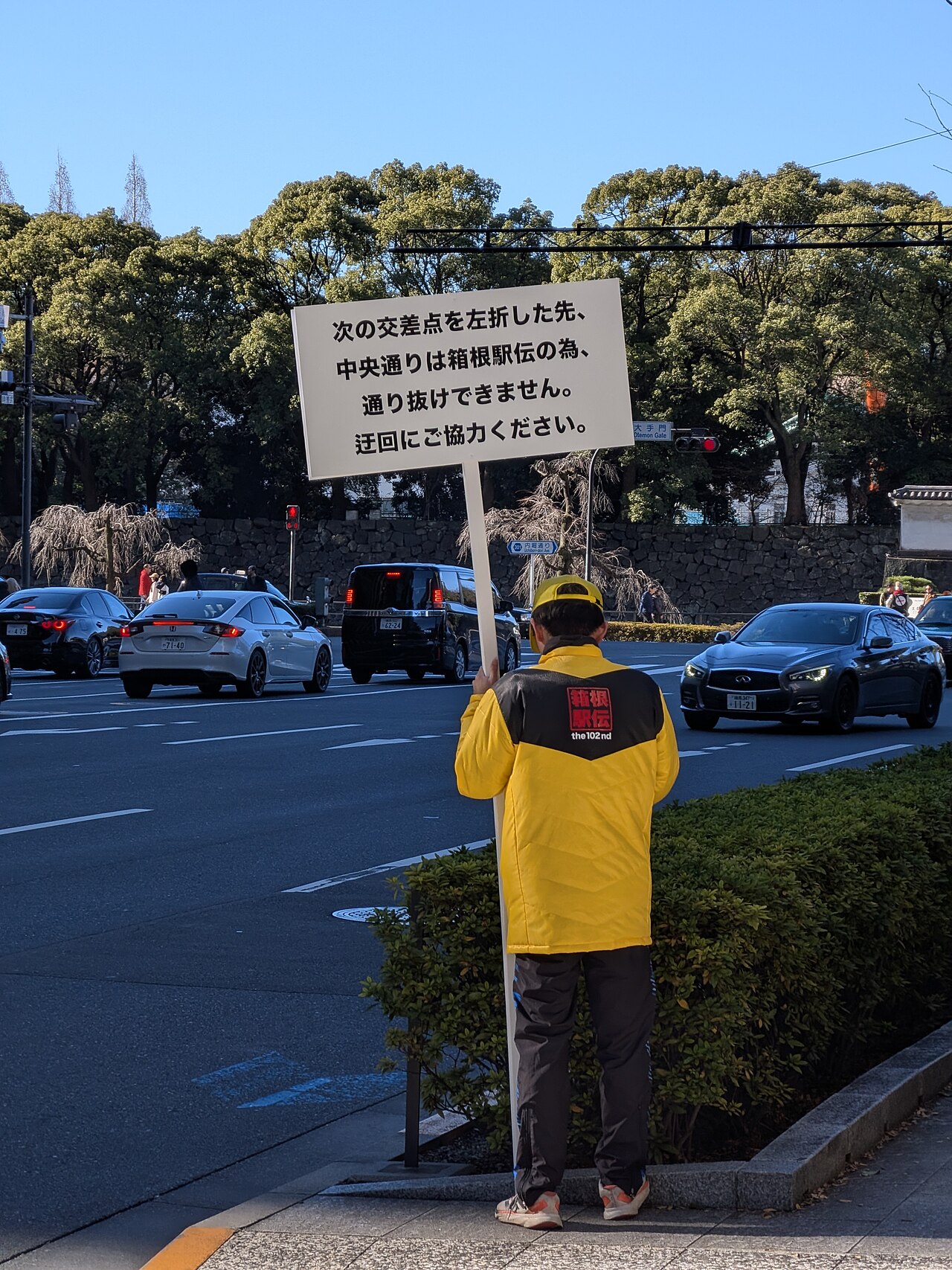
For a reader trying to learn the event, the preliminaries are worth following closely. They explain why the final field looks the way it does, and they help place the headline results in a larger cycle. In Japanese, the qualifying stages and the event itself are often discussed alongside terms such as 予選 (yosen), meaning the preliminary round, and 試合 (shiai), meaning a competitive meeting. The race also sits within a broader 選抜 (senbatsu, selection; selected lineup) logic, or selection framework, because the final entry list is earned rather than assumed. These are useful terms for understanding how Japanese sports structures often build prestige through qualification.
What to watch in results coverage
For results coverage, the most useful things to track are the stage-by-stage rankings, the overall team position, and the margin that separates each school from the next. Because the race unfolds over ten legs, a team’s standing can change repeatedly over the course of a day. The shape of the competition is cumulative, which means even a small loss on one stage can alter the pressure on the next runner.
When following a live results page or recap, I find it helps to read the event as a sequence rather than a single finish line. A strong first stage can set a tone, but it does not settle the race. A difficult hill section can reopen the standings. The finishing order reflects not only speed, but the management of fatigue, terrain, and responsibility across the entire squad. For readers who want a broader context for Japanese distance racing, Warum Japan im Laufen so stark ist: Ein Deep‑Dive in Hakone, Training und Tradition offers a wider look at the training culture around the event.
How to get started as a new follower
If this is your first time following Hakone Ekiden, start with the basics: the two-day schedule, the ten-stage relay format, and the qualifying system that determines the field. From there, look at the universities in the race and note which programs have a history of strong finishes. That gives the standings more shape, especially when a team’s form seems to rise or fall across several stages.
It also helps to approach the race as part of a seasonal habit rather than a one-off spectacle. The event is deeply tied to early January, media coverage, and the discipline of university running. In that sense, learning the race is a little like learning a custom. The more one watches it, the more the structure becomes visible: the starters, the transfer points, the pressure on each leg, the way one result folds into the next. For readers who want to keep building vocabulary around it, hakone ekiden kanji and hakone ekiden japanisch lernen are useful search terms, especially if the goal is to recognize the event in Japanese-language coverage and understand the language that surrounds team selection and relay racing.
Related traditions and similar events
Hakone Ekiden belongs to a larger family of ekiden races in Japan, but its university setting and holiday timing give it unusual weight. Similar events may share the relay structure, yet few combine the same national visibility, the same January calendar slot, and the same campus-driven rivalry. If the race becomes familiar, it often opens the door to other university running stories, regional qualifiers, and the broader culture of endurance sport in Japan.
For readers using this page as a hub, the next step is usually simple: follow the qualifying results, learn the stage structure, and watch how the rankings shift when the race begins. And then, in the way these things often work, the event begins to feel less like a distant fixture and more like part of the season itself.
Frequently Asked Questions
What is Hakone Ekiden?
Hakone Ekiden is a two-day university relay race held every year on January 2 and 3 between Tokyo and Hakone in Kanagawa Prefecture.
How many runners are on each team?
Each team has ten runners, with one runner assigned to each of the ten stages.
How do universities qualify for the race?
Universities qualify through regional preliminaries and rankings, so the field changes from year to year.
How long is the course?
The total course is approximately 217 kilometers, although the exact distance can vary slightly depending on the route.
Why is Hakone Ekiden so important in Japan?
It is closely tied to Japanese university running culture, has major national television coverage, and has been broadcast live by Nippon TV since 1987.