Overview
The Hakone 駅伝 (ekiden, road relay race) is a university relay race held every year on January 2 and 3, running between Tokyo and Hakone in Kanagawa Prefecture. It is a long, carefully staged competition of about 217 kilometers, split into 10 stages per team, with a different runner taking each leg. That structure gives the race its distinctive rhythm: no single athlete can carry the whole thing alone, and every stage asks for a different kind of strength.
For many readers, the first appeal is simple spectacle. But the deeper reason the event endures is that it shows how Japanese university sport can become a public ritual. The race has roots dating back to 1920 and became a fixed calendar event in the early 20th century, long before modern sports media made every detail easy to follow. Today it remains a major showcase of running culture, university rivalry, and the discipline that sits behind both. The coverage is so prominent that Hakone Ekiden: Japans Staffellauf, der ganze Städte mitreißt captures something essential about its scale: the race is not only watched, it is lived through by cities, alumni, and school communities.
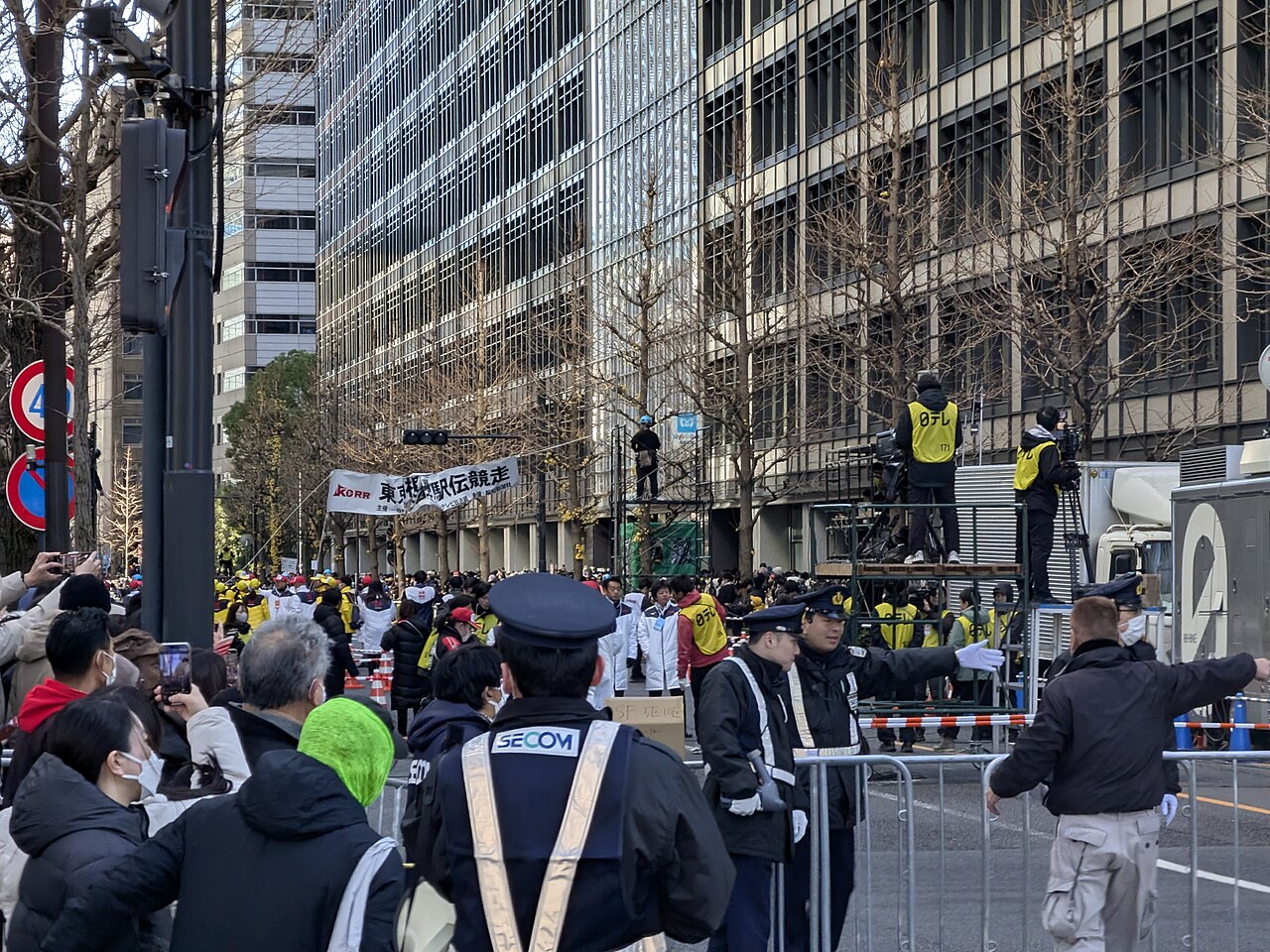
For anyone approaching the event for the first time, it helps to know a few useful terms. The relay itself is called ekiden, a road relay format that predates modern marathon culture in Japan. The winter training camps are often called 合宿 (gasshuku, training camp; team retreat), meaning collective training retreats where athletes live and practice together for extended periods. In race reporting, one also often sees pace and course discussion tied to the mountain stages, where pacing, restraint, and courage all matter at once. If the event leads one toward language study as well as sport, it can be useful to search for Warum Japan im Laufen so stark ist: Ein Deep‑Dive in Hakone, Training und Tradition alongside Hakone Ekiden news, because that wider context helps explain why the race occupies such a central place.
How the race is put together
The format is straightforward on paper and demanding in practice. Ten runners represent each team across the two days, with the course divided into stages that reward different qualities. Some legs favor speed and tactical nerve over short, explosive distances. Others are mountain stages, where gradient and weather can strip away any illusion that talent alone decides the outcome. The relay format means that a single poor transition or a moment of fatigue can alter the standings dramatically, which is part of the event’s quiet drama.
What makes the structure compelling is the way it distributes pressure. In an individual race, one runner owns the result from start to finish. Here, responsibility is shared, but not diluted. A strong program needs runners who can specialize, support, recover, and carry expectations without losing form. That is why the race is often described as emphasizing team responsibility over individual glory. The winning team may have one celebrated anchor, but it is the sum of the whole roster that makes the difference.
University qualification also keeps the field dynamic. Teams earn places through regional qualifiers and rankings, so the exact lineup changes slightly from year to year. That gives the event a living quality: the story is not only who wins, but which programs have built enough depth, consistency, and winter discipline to return to the start line.
Why it matters in Japanese sports culture
The Hakone Ekiden matters because it sits at the meeting point of athletic preparation, institutional pride, and public memory. It is not merely a race to be completed; it is an annual measure of how a university program has trained, recruited, and sustained itself through the cold months. The event also reflects a broader Japanese respect for apprenticeship, repetition, and long-form cultivation. In this context, the 職人 (shokunin, craftsman; artisan) spirit, usually associated with craftspeople, is not misplaced. The runners are not artisans in a literal sense, but the devotion to form, timing, and inheritance feels related.
Broadcast history has helped turn the event into a national winter habit. It has been broadcast live in full by Nippon TV since 1987, while NHK aired it live from 1958 to 1986 before the current arrangement took shape. That long media presence matters because it turns a collegiate competition into something families, alumni, and casual viewers can follow year after year. It is also part of why the event feels larger than sport alone. The race is a seasonal marker, a shared reference point, and for some viewers a yearly lesson in patience.
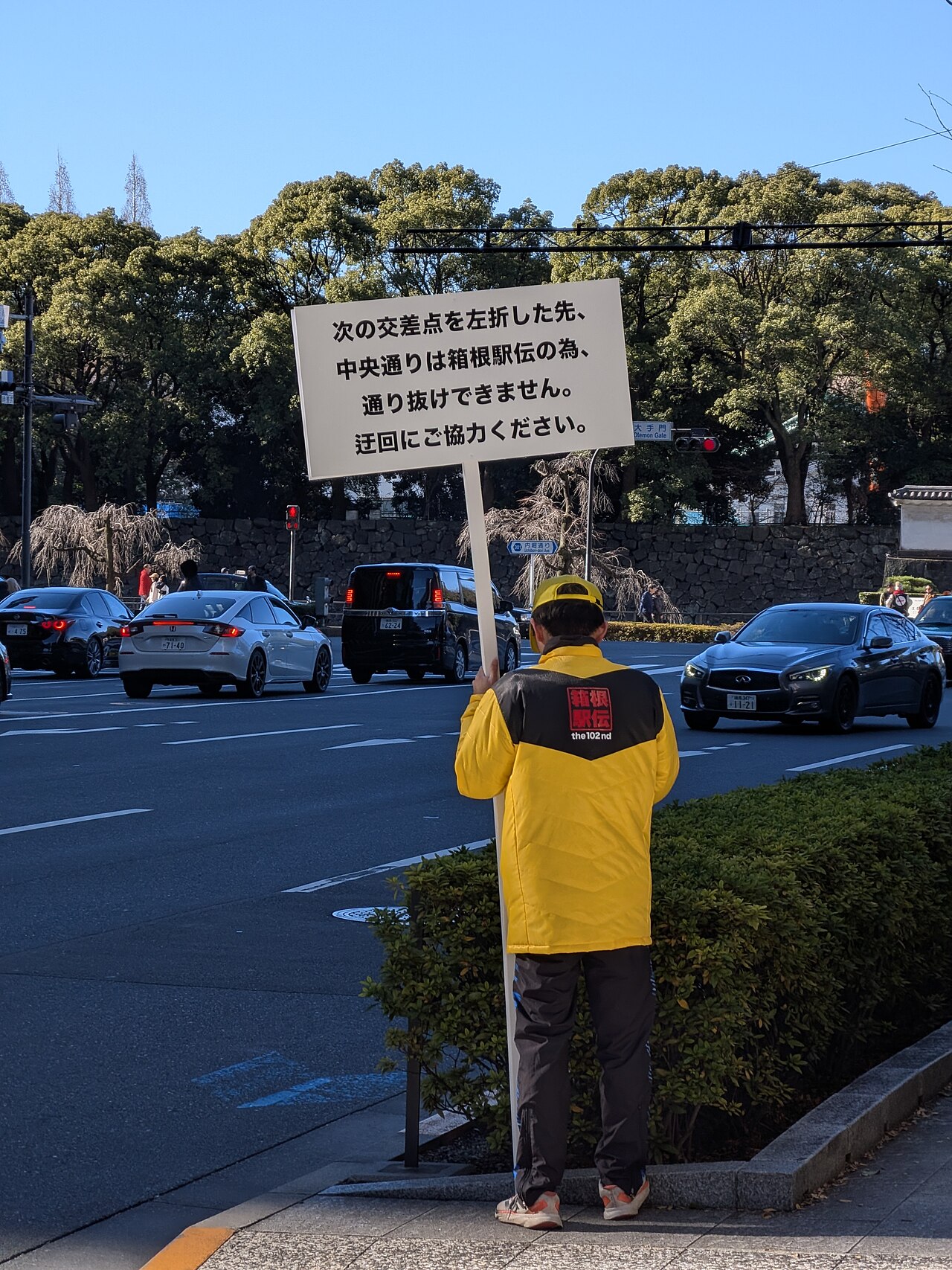
For readers interested in how athletes prepare, the best entry point is not a single dramatic workout but the broader culture of winter preparation. Japanese university and company teams are known for structured training camps and repeated sessions that place emphasis on consistency, recovery, and team discipline. The exact methods vary by program, and some reported mileage figures should be treated cautiously when unverified, but the underlying pattern is clear: the season is built in layers, not in sudden bursts.
Course, terrain, and the weight of place
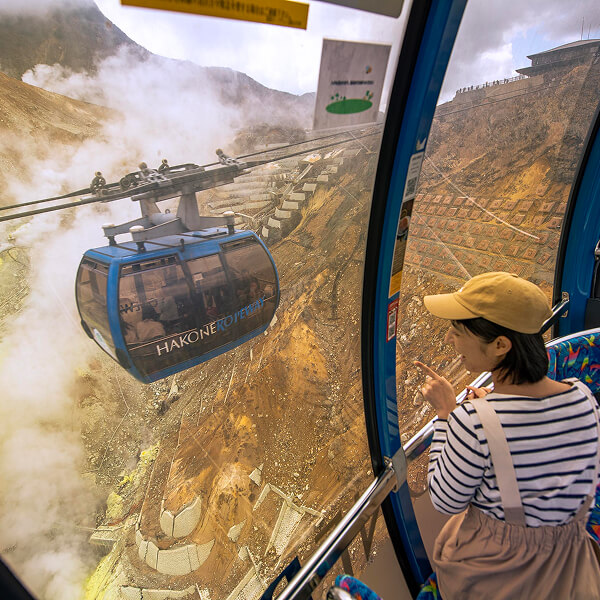
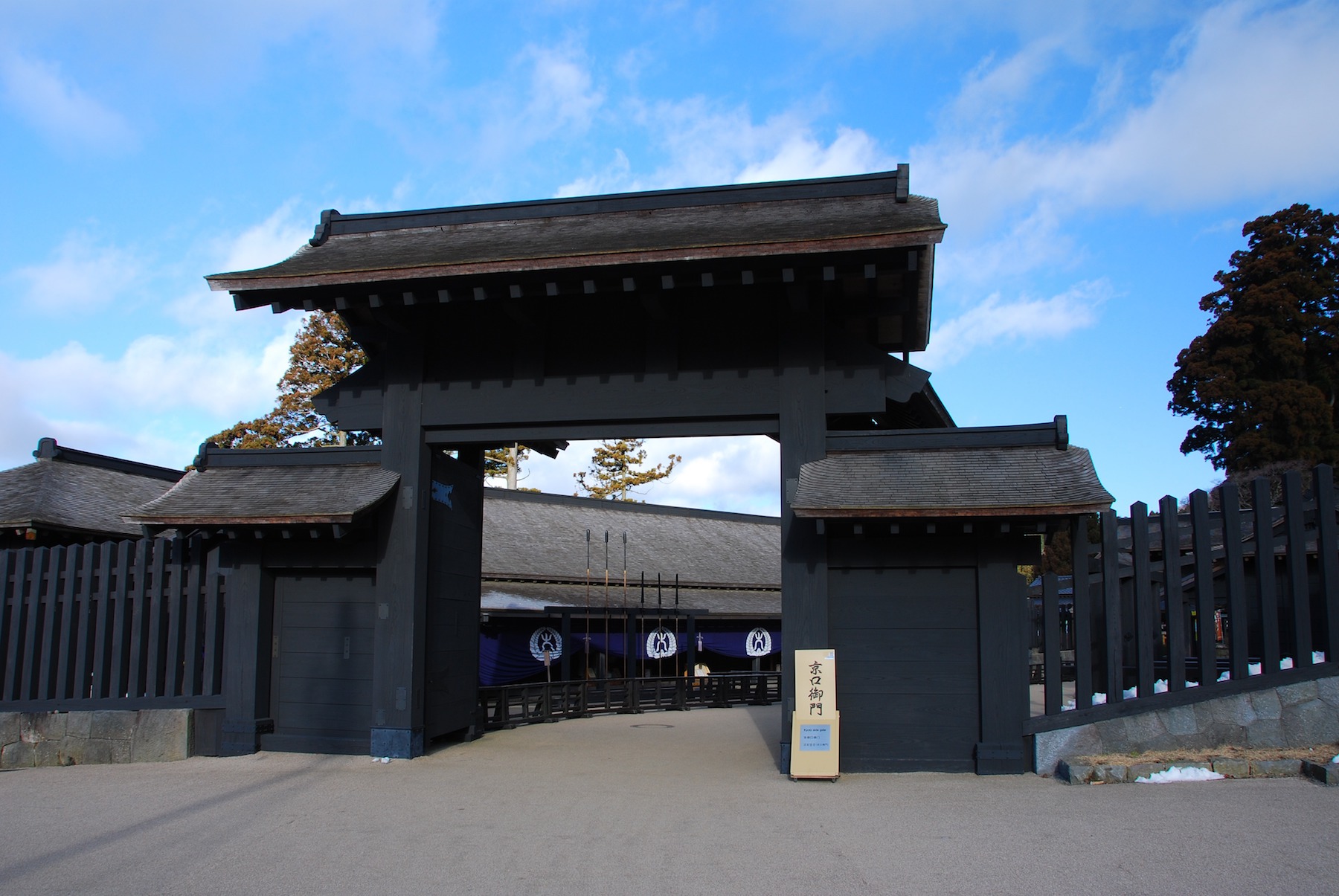
The route from Tokyo to Hakone carries more than distance. It moves through urban roads, into changing landscapes, and finally toward a mountain destination that has its own identity independent of the race. Hakone is widely known as an 温泉 (onsen, hot spring; hot-spring bath) and 旅館 (ryokan, traditional Japanese inn) area, with lodging, hot springs, and local businesses that often feel the effects of the January schedule. I would treat any precise claims about tourism impact carefully unless they are documented, but it is fair to say that the event and the region are linked in the public imagination.
The course’s length, about 217 kilometers in total, is part of what gives the race its reputation. That figure is not abstract once the relay begins; it becomes a sequence of exertions, handoffs, and recoveries, each stage handing responsibility to the next runner. The mountain sections are especially resonant because they compress the whole logic of the event into a difficult climb. Speed matters, but so do judgment and restraint. A team that starts too eagerly can find itself paying for it later.
That balance between motion and control is one reason the race is so satisfying to follow. It rewards a viewer who is willing to notice the small things: a stride that lengthens, a runner who looks composed under pressure, a coach waiting at the edge of the road, a handoff that lands cleanly. Even the silence between moments has a function.
Related races, training culture, and what to read next
Anyone trying to understand the Hakone Ekiden in context will benefit from looking at the wider ekiden calendar and the training culture around it. The race is often discussed alongside other university and road relay events, because each helps define the competitive ecosystem that produces top Japanese distance runners. The most useful comparison is not only with other races, but with the training cycle itself: winter camps, repeated tempo work, recovery blocks, and the daily discipline that lets a team arrive ready for January.
If the event raises questions about Japanese running culture more broadly, it is worth reading around the traditions of road racing, university athletics, and the way endurance sport is narrated in Japan. For language learners, the event also offers a practical vocabulary set. Searching terms like hakone ekiden kanji or hakone ekiden japanisch lernen can be a modest but useful way to meet race terminology in context, especially when following Japanese media coverage or team profiles.
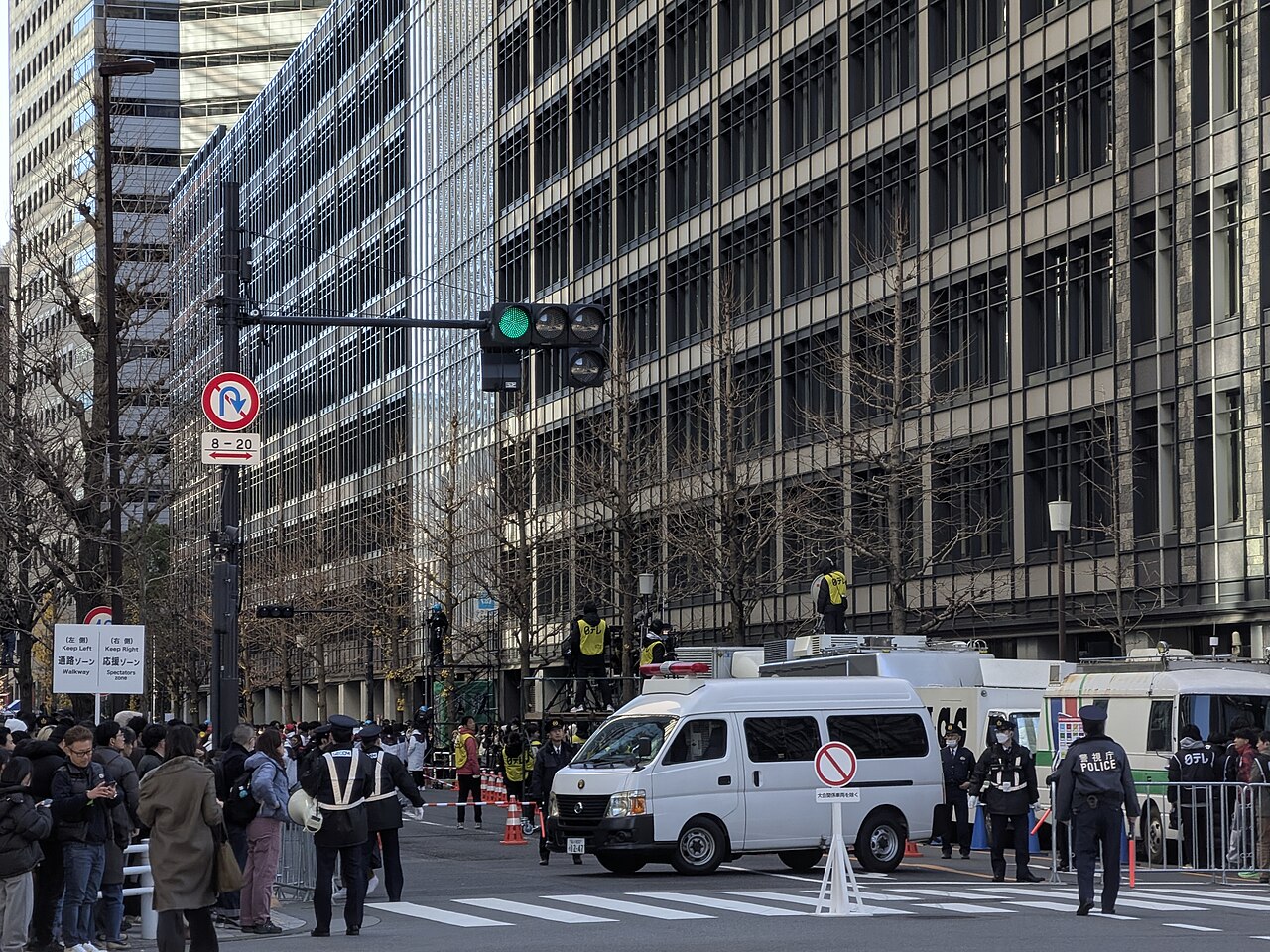
My own recommendation is to approach the Hakone Ekiden as both a sporting event and a seasonal text. The race tells a story about institutions, training, and public attention, but it also tells a quieter story about what endurance looks like when it is shared across many bodies and many kilometers. And so it became a plan: to follow the race slowly enough to understand why it matters, not only who is ahead.
Frequently Asked Questions
When is the Hakone Ekiden held?
It is held every year on January 2 and 3.
How long is the Hakone Ekiden course?
The route is about 217 kilometers in total.
How many runners are on each team?
Each team uses 10 runners, with one runner covering each stage.
Why is the race such a big deal in Japan?
It is a major showcase of Japanese running culture, university rivalry, and winter sports tradition, with long-standing national broadcast coverage.
How can I learn more about the Hakone Ekiden?
A good starting point is coverage that explains the race’s history, training culture, and mountain stages, along with related Hakone Ekiden news and language-search terms.